Peru packs three different countries into one: a dry Pacific coast, the high Andes and the Amazon basin. That is why a list of things to do in Peru works best when it is organised by region rather than ranked. Below we cover the experiences that most visitors build a trip around, with realistic costs and the planning detail that matters for each, from altitude to how far ahead to book. Prices are approximate and quoted per person as of 2026.
If you already know you want guided options, our best tours in Peru roundup compares specific tours. You can also browse tours across Peru on GetYourGuide and filter by region. For route planning, see the 10 days in Peru and 2 weeks in Peru itineraries.
Machu Picchu and the Cusco region
1. Machu Picchu
The 15th-century Inca citadel at about 2,430 m is the reason most people come, and it is a UNESCO World Heritage Site (UNESCO listing). Entry is timed, circuit-based and capped daily, so you pick a time slot and route when you buy. Standard adult tickets start from approximately S/152 (about 40 USD) as of 2026, and tickets including the Huayna Picchu or Machu Picchu Mountain climbs are approximately S/200 (about 53 USD), bought on the official site, tuboleto.cultura.pe. Allow 3 to 4 hours on site; a guide is compulsory inside the ruins.
Most visitors take the train from Ollantaytambo or Poroy to Aguas Calientes (from about 35 USD one way) and the shuttle bus up (about 12 USD each way). Our Machu Picchu tickets guide explains the booking system and how to get to Machu Picchu lays out every route. Guided options, which handle tickets and transport, are on the Machu Picchu tours page or you can book a Machu Picchu tour directly.
2. The Sacred Valley
The Urubamba valley between Cusco and Machu Picchu holds Pisac market and terraces, the Ollantaytambo fortress, and the Maras salt pans and Moray terraces. It is lower than Cusco at roughly 2,800 m, which makes it the smart place to spend your first nights. A full-day tour from Cusco typically costs 35 to 60 USD as of 2026, entry tickets extra. See Sacred Valley tours and the Inca Empire history for context.
3. Cusco itself
The former Inca capital mixes stone foundations with colonial churches. Spend a day on the Plaza de Armas, the Qorikancha temple and the San Blas quarter, then use it as a base for day trips. Our Cusco guide covers neighbourhoods and where to eat; for stays, compare options on Booking.com for Cusco.
4. Treks: Inca Trail, Salkantay, Humantay and Rainbow Mountain
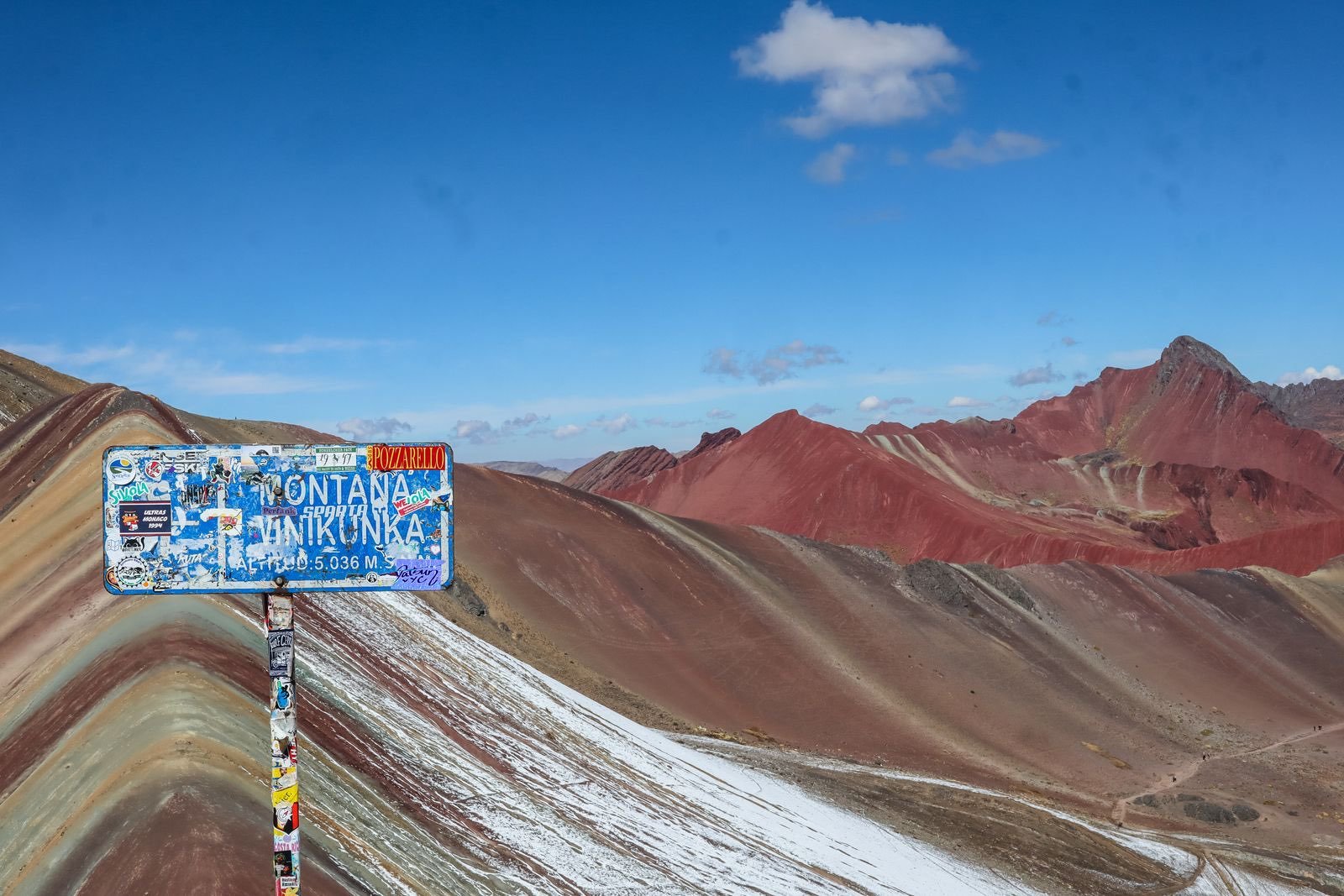
The classic Inca Trail to Machu Picchu is 4 days and permit-limited, so book permits months ahead. The Salkantay trek is the most popular alternative, with no permit bottleneck on the route itself. Shorter options are the turquoise Humantay Lake hike and Rainbow Mountain (Vinicunca), where the summit sits above 5,000 m. All three are best after at least two nights at altitude, and our altitude sickness guide explains what to expect.
Arequipa and the south
5. Colca Canyon and the condors
Colca is one of the deepest canyons in the world, and the Cruz del Condor viewpoint is where Andean condors ride thermals, best from about 09:00. A day tour from Arequipa runs approximately 30 to 50 USD as of 2026, though two days with a night in Chivay is far less rushed (about 60 to 100 USD). Read the Colca Canyon tours guide and the Colca Canyon trek options before choosing.
6. Arequipa
Arequipa’s white volcanic-stone centre, the Santa Catalina Monastery and the Misti volcano backdrop make it the most comfortable highland city for a few days. See the Arequipa guide and Arequipa tours.
7. Lake Titicaca
The world’s highest navigable lake, at about 3,800 m, is reached from Puno. The standard trip visits the reed-built Uros islands and Taquile, and an overnight homestay on Amantani is the most rewarding version. Day trips run roughly 45 to 70 USD, two-day tours 60 to 90 USD as of 2026. Details are on the Lake Titicaca tours page and the Puno guide.
Lima and the coast
8. Lima’s food scene
Lima is the best place in Peru to eat, from ceviche counters to tasting-menu restaurants. A guided Lima food tour is the easiest way in, and the neighbourhoods of Miraflores and Barranco are the best bases. Start with our Lima guide, and see where to sleep through Lima stays on Booking.com.
9. Paracas and the Ballestas Islands
Three to four hours south of Lima by bus, Paracas offers a boat trip to the Ballestas Islands with sea lions, Humboldt penguins and seabirds. It costs approximately S/30 to S/50, plus a small reserve fee. Our Ballestas Islands guide and Paracas guide have schedules. The sandboarding and dune-buggy oasis of Huacachina is an hour further, covered in Huacachina dune buggy tours.
10. The Nazca Lines
The desert geoglyphs are best seen from a light aircraft out of Nazca airport. A 30-minute overflight costs about 80 to 120 USD as of 2026. Flights are weather- and wind-dependent and can feel bumpy, so many people book the first morning slot. See Nazca Lines tours and the Nazca guide.
The Amazon
11. A lodge stay near Puerto Maldonado
The Tambopata area in the southern Amazon is the easiest rainforest to reach, with a flight of about an hour from Cusco or about 1.5 hours from Lima. Lodges offer canopy towers, caiman spotting at night and a visit to a macaw clay lick. Two- to four-night packages are the norm; see Amazon jungle tours and the Puerto Maldonado guide.
12. A river cruise from Iquitos
Iquitos has no road access, so the Amazon here is explored by boat. Three- to seven-night cruises cover pink dolphins, village visits and wildlife. See the Iquitos guide for logistics.
The northern Andes
13. Huaraz and the Cordillera Blanca
The Cordillera Blanca is Peru’s best mountain scenery, with turquoise glacial lakes and peaks above 6,000 m. Laguna 69 is the signature day hike, a 7 to 8 hour round trip to a lake at about 4,600 m. The Huaraz trekking guide covers Laguna 69, Santa Cruz and the multi-day routes, and the Huaraz city guide has the base-town details. Acclimatise for two or three days first.
Planning notes
Sequencing
Do low first, high later. Lima, Paracas and Nazca are at sea level; Arequipa is around 2,300 m; Cusco, Colca and Puno are 3,400 m and above. Our best time to visit Peru page covers seasons by region, and getting around Peru compares flights and buses.
Budget
Domestic flights, entry tickets and tours are the main costs. See Peru travel costs for daily budgets, and Peru tourism information from the national tourism board for official planning tools.
Choosing what to skip
Peru is long. Trying to include the Amazon, Nazca, Huaraz and Titicaca in one week means spending most of it on buses. A first trip is usually best built around Lima, Cusco and Machu Picchu plus one other region, adding the rest on a return visit.