Puno: Gateway to Lake Titicaca and the Floating Islands
Plan your visit to Puno - the Peruvian base for Lake Titicaca, Uros floating islands, and Taquile. Hotels, transport, and altitude tips.
Guides for Puno
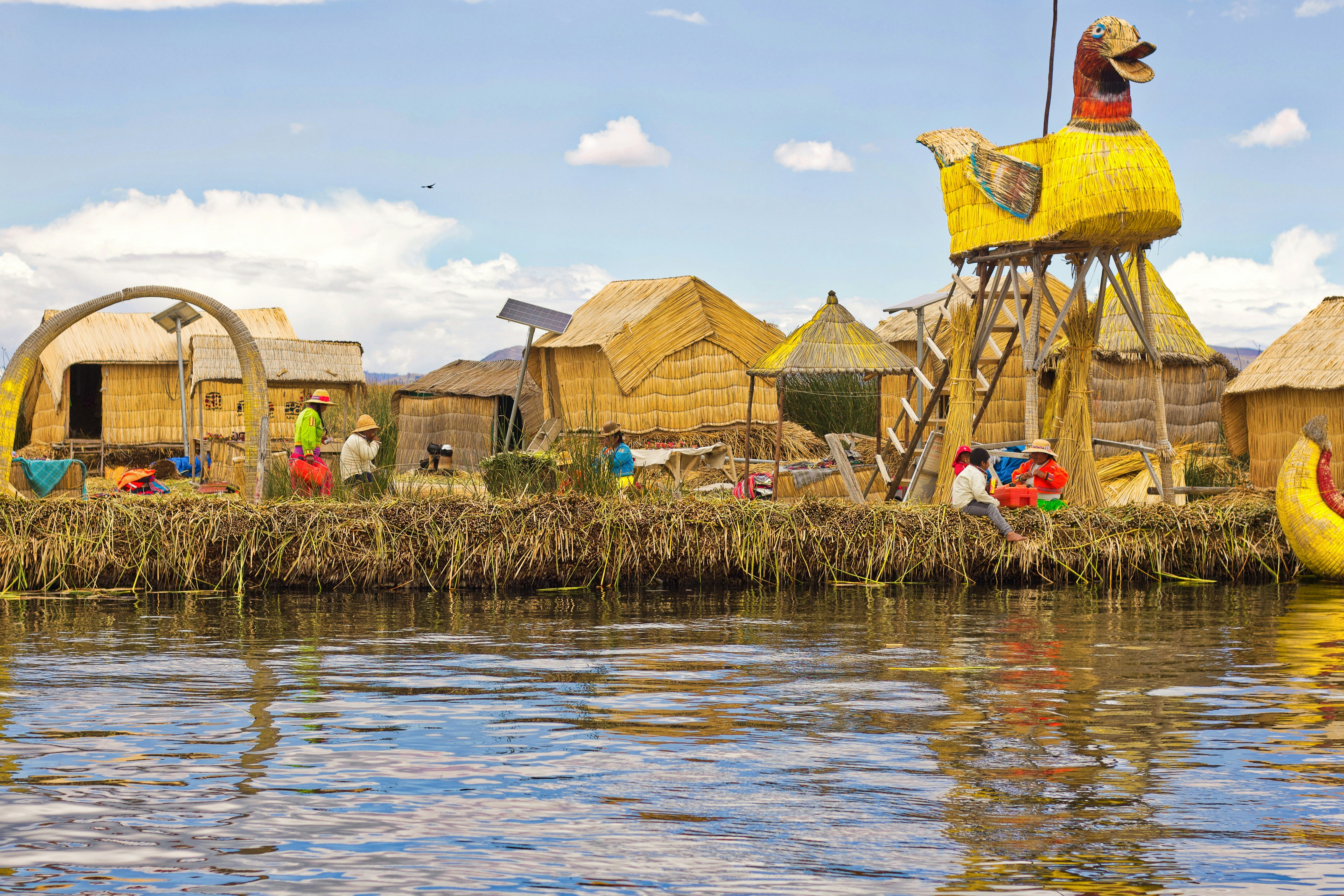
Puno is a utilitarian city that exists primarily as the launch point for Lake Titicaca - the highest navigable lake in the world at 3,812m above sea level, straddling the Peru-Bolivia border. The lake is vast (more than 8,300 square kilometres), spectacular, and home to distinct indigenous communities whose boat-building and weaving traditions predate the Inca. Our dedicated Lake Titicaca islands guide covers the Uros, Taquile, and Amantaní communities in depth. Puno itself is noisy and not particularly attractive, but it is the only practical base for exploring the Peruvian side of the lake.
Getting There
From Cusco by bus: The Inka Express (inkexpressbus.com) runs a guided tourist service with four stops at notable sites along the route. Journey time approximately 6 hours; tickets approximately S/90–S/150 as of 2026. Standard Cruz del Sur buses take the same route without stops for approximately S/45–S/70. Depart in the morning - the La Raya pass (4,321m) is best crossed in daylight. Travellers combining this journey with Cusco should allow at least two acclimatisation days there first before continuing south.
From Arequipa by bus: Cruz del Sur, Flores, and several other companies cover the approximately 5-hour route. Fares approximately S/30–S/60 as of 2026.
From Lima by bus: Cruz del Sur operates a Lima–Puno service (approximately 22 hours). Most travellers fly to Cusco or Arequipa instead.
By air: The nearest airport with regular service is in Juliaca (JUL), approximately 44km from Puno (45–60 minutes by taxi, approximately S/60–S/80 as of 2026). LATAM flies Lima–Juliaca in approximately 1 hour 30 minutes; fares from approximately S/200 as of 2026.
Acclimatisation
At 3,830m, Puno is one of the highest cities visited on the standard Peru circuit. Arrive via Cusco or Arequipa rather than directly from sea level to reduce the risk of serious altitude sickness. Rest on day one, drink plenty of water, and avoid alcohol for the first 24 hours. Coca leaf tea is sold throughout the city.
Lake Titicaca Tours
For booking advice, operator comparisons, and what to expect on each island, see our Lake Titicaca tours guide.
Uros Floating Islands: The most popular tour, departing from Puno port (muelle). Boats leave from approximately 07:00–08:00 and return by midday. The boat hire costs approximately S/20–S/30 per person; the community entry fee is approximately S/10–S/15 additional as of 2026. Totora reed boats, demonstrations, and craft sales. Busy in high season; consider an early departure. Book a guided Lake Titicaca tour from Puno to include Uros, Taquile, and Amantaní in a single day or overnight programme.
Taquile Island: A half-day extension from the Uros tour (combined full-day). Taquile residents are known for their traditional weaving, recognised by UNESCO. Entry approximately S/5. Boat fare (round-trip from Puno including Uros) approximately S/40–S/60 as of 2026. A steep walk up to the main plaza - take it slowly.
Amantaní Island: Homestay tourism with local families, typically overnight. You eat with the family and participate in a traditional dress ceremony in the evening. Cost approximately USD 40–USD 60 per person including transport, meals, and accommodation as of 2026. Book through agencies on Calle Lima in Puno.
Bolivia border crossing: Most travellers cross overland at Yunguyo or Desaguadero to reach Copacabana and Isla del Sol. Direct tourist buses from Puno to Copacabana take approximately 3 hours; fares approximately S/20–S/35 as of 2026.
Where to Stay
Casa Andina Premium Puno - The most comfortable option in Puno, on the lake shore 5km from the city centre. Rooms from approximately USD 120–USD 160 per night as of 2026. Lake views, good buffet breakfast, oxygenated rooms available.
Sonesta Posadas del Inca Puno - Mid-range hotel with lake views, 5km south of the city on the lake shore. Rooms from approximately USD 90–USD 130 per night as of 2026. Full-service restaurant and reliable heating.
Intiqa Hotel - Comfortable mid-range option in the city centre, near the central market and Calle Lima. Rooms from approximately USD 60–USD 90 per night as of 2026. Helpful staff, good heating, breakfast included.
Hostal Los Pinos - Simple, clean budget accommodation two blocks from the main plaza. Double rooms from approximately S/80–S/120 per night as of 2026. Breakfast available for extra charge.
Where to Eat
La Table del Inca - The best restaurant in central Puno for Peruvian food, serving lake trout (trucha), quinoa soup, and alpaca dishes. Mains approximately S/35–S/60 per person as of 2026. Popular with tour groups; arrive before 19:00 for a table.
Tulipans Restaurant - Longstanding tourist-friendly spot on Calle Lima. Good set lunches for approximately S/20–S/30. Reliable caldo and soups for altitude recovery as of 2026.
Mojsa Restaurant - Second floor on the Plaza Mayor with views over the square. Peruvian and international dishes approximately S/30–S/55 per person as of 2026. Good for breakfast too.
Cevichería El Hornito - Simple local restaurant near the market serving fresh ceviche and lake trout prepared several ways. Mains approximately S/18–S/30 as of 2026. Popular with local workers at lunch.
Best Time to Visit Puno
Puno’s altitude (3,830m) shapes its weather more than any seasonal pattern. It is cold year-round — nights drop to 0°C or below even in the dry season — but the difference between a clear lake and a grey, wind-swept one matters enormously for tours.
May to October (dry season): The best period for Lake Titicaca tours. Skies clear early, boat conditions are calmer, and the island communities are at their most photogenic. June through August are peak months; the Uros islands and Taquile see more visitors, but the light on the lake is exceptional. July is the driest month and coincides with Peruvian school holidays — book accommodation and Amantaní homestays early.
November to April (wet season): Afternoon storms are common from December through March. Lake Titicaca tours still run, but rough water can shorten boat trips and the islands can be muddy. February is the one major exception — La Virgen de la Candelaria (a UNESCO cultural heritage festival) fills Puno with over 200 dance groups and is one of the largest folk festivals in South America. Accommodation books out months ahead for Candelaria. If the festival is your goal, arrive a day early and book in advance.
Recommended window: June to September for lake tours in good conditions. February for Candelaria. Avoid January — the height of the rainy season with the highest chance of rough lake crossings.
Puno Lake Titicaca Tours
The table below covers the main tour options departing from Puno port (muelle). Prices are approximate as of 2026 for shared group arrangements.
| Tour | Duration | Cost (approx.) | Best For |
|---|---|---|---|
| Uros floating islands (half-day) | 3–4 hours | USD 8–USD 15 pp | Short visit, reed island culture |
| Uros + Taquile (full day) | 8–9 hours | USD 20–USD 35 pp | Most popular combined option |
| Amantaní overnight homestay | 2 days | USD 40–USD 60 pp | Immersive family experience |
| Sillustani chullpa towers | 3–4 hours | USD 12–USD 20 pp | Pre-Inca funerary towers, sunrise |
| Copacabana / Bolivia border | Full day | USD 25–USD 45 pp | Bolivia extension |
Book a guided Lake Titicaca tour from Puno including Uros, Taquile, and Amantaní in a single day or overnight programme. Private boat hire is available from Puno port but costs significantly more for solo travellers.
Practical Information
Getting around: The city centre is walkable. Taxis to the lake shore hotels or Juliaca airport approximately S/60–S/80.
Safety: Puno is generally safe in the tourist areas around Calle Lima and Plaza Mayor. Keep watch on belongings in the main market area.
Festivals: Puno hosts some of Peru’s most significant festivals. La Virgen de la Candelaria (February) is the largest folk dance festival in South America, with over 200 dance groups competing. Dates shift with the Catholic calendar - check exact dates before planning. Puno also fits naturally into a 2-week Peru itinerary combining the highlands, Cusco, and the south.
Puno City Guides
- Things to Do in Puno - Lake Titicaca tours, Uros floating islands, Taquile, Amantaní, and Puno city attractions with entry fees and booking tips.
- Puno Food Guide - Local lake trout, quinoa dishes, and the best restaurants in Puno’s centre.
- Where to Stay in Puno - Hotels on the lake shore vs city centre, from budget hostals to mid-range options with altitude-adjusted rooms.
Puno vs Other Cities
- Puno vs Cusco - Lake Titicaca versus Machu Picchu. How to split your time between Peru’s two most iconic southern destinations.
- Arequipa vs Puno - Colca Canyon versus Lake Titicaca. How the two cities compare as stops on the southern Peru circuit.
Book an experience
Top experiences in Puno
Explore the best tours and activities in Puno , with instant confirmation and free cancellation on most bookings.