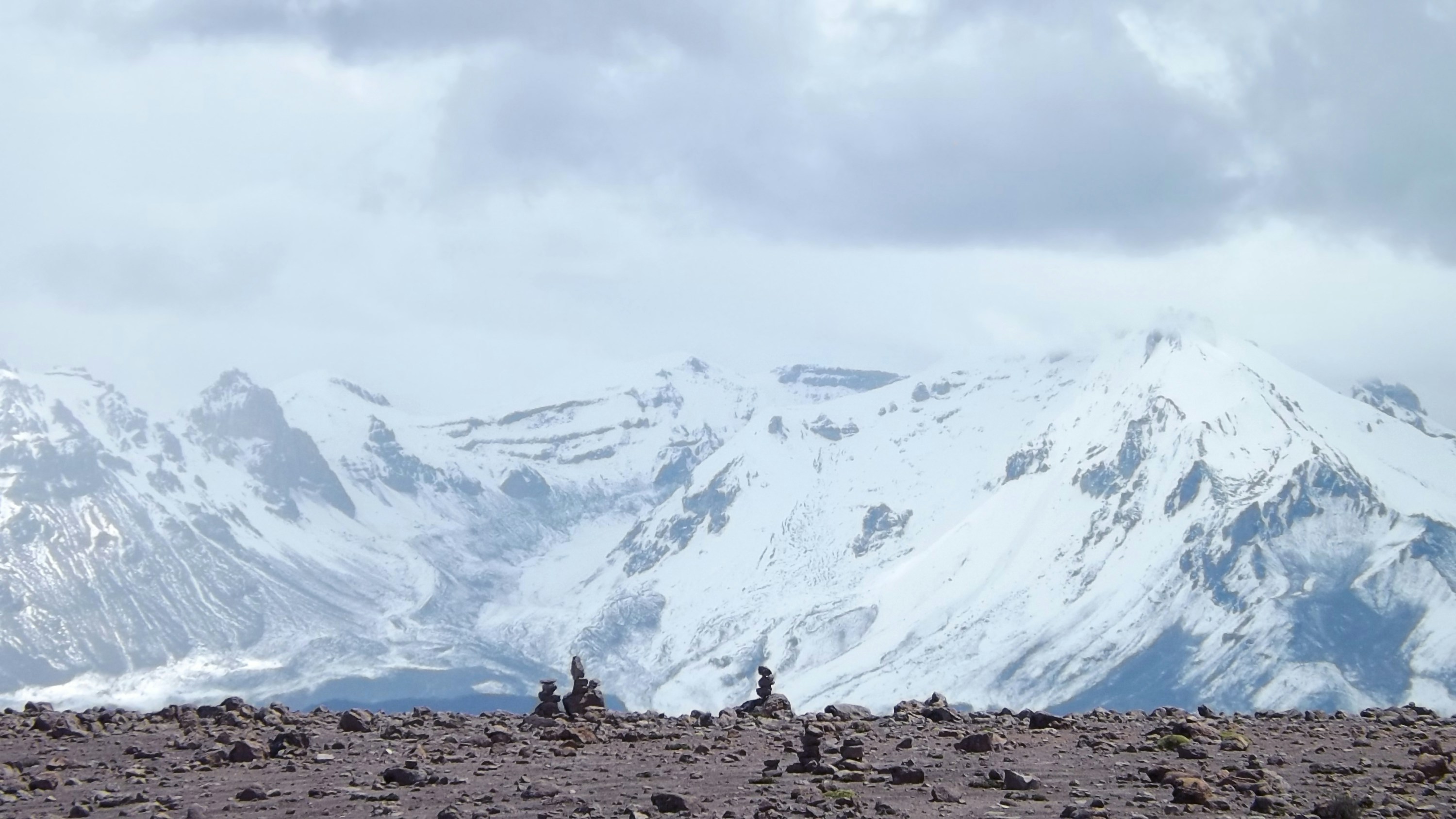
Colca Canyon is one of the world’s most spectacular trekking destinations - a vast gorge flanked by pre-Inca terracing, traditional Colca Valley villages, and vertical rock walls that drop over 3,000m to the river below. At the canyon’s Cruz del Cóndor viewpoint, Andean condors (the world’s largest flying bird by wingspan, at up to 3.3m) soar reliably on morning thermals. For most visitors, Colca Canyon combines a 2-day trek to the canyon oasis with condor watching - one of Peru’s most rewarding short adventures.
Getting to Colca Canyon
Colca Canyon is approximately 160km northwest of Arequipa (3.5–4 hours by road). The standard approach passes through the Mirador de los Volcanes (a viewpoint over the valley of volcanoes) and the altiplano at approximately 4,910m before descending to the canyon villages at approximately 3,600m.
Tour from Arequipa: Most visitors join a guided 2-day/1-night tour from Arequipa. Tours depart at approximately 03:00–04:00 from Arequipa to reach Cruz del Cóndor before 09:00. 2-day tours cost approximately USD 45–USD 80 per person from Arequipa as of 2026, not including the canyon entry fee.
Canyon entry fee: The Boleto Turístico del Colca (BTC) costs approximately S/40 as of 2026 and is valid for multiple days. Purchased at checkpoints on entry to the canyon zone.
Independent transport: Buses from Arequipa’s Terminal Terrestre to Chivay (the main canyon town) depart throughout the morning; approximately S/12–S/18, journey 3–4 hours. From Chivay, taxis and colectivos connect to the canyon viewpoints and trailheads.
1-Day vs 2-Day: Which Format to Choose
1-day tour (most common): The majority of visitors from Arequipa join a 1-day group tour that departs at approximately 03:00–04:00, reaches Cruz del Cóndor for condor watching by 07:30–09:00, continues to a canyon viewpoint or a short trail, and returns to Arequipa by evening. You do not descend to the canyon floor. 1-day tours cost approximately USD 30–USD 50 per person as of 2026, including transport and guide but not the entry fee. Best for travellers short on time or those not wanting an overnight trek.
2-day trek (the full experience): Descend to the Sangalle oasis on the canyon floor, sleep in a pool-side lodge, and ascend back to the rim the following morning. This is the recommended option for anyone who can spare the extra day — the canyon descent is an entirely different experience from the rim viewpoints, and the early-morning ascent back is one of the more memorable physical challenges in Peru. Costs approximately USD 45–USD 80 per person for guided tours, or you can do it independently with your own accommodation booking. Search hotels in Arequipa on Booking.com
The 2-Day Trek to Sangalle Oasis
The classic Colca Canyon trek descends from the canyon rim to the oasis at Sangalle (2,150m) - a cluster of pool-side lodges on the canyon floor - and returns the following morning.
Day 1: Cabanaconde to Sangalle (3–4 hours descent) The trek begins from the village of Cabanaconde (3,287m), one of the last villages on the canyon rim. A marked trail descends steeply to the canyon floor, passing the Cruz del Cóndor viewpoint en route (if not already visited on arrival day). The Sangalle oasis has three small lodgeries with outdoor pools fed by natural springs. Accommodation approximately S/40–S/80 per person per night including basic meals as of 2026. Very basic facilities; no electricity until generator hours in the evening.
Day 2: Sangalle to Cabanaconde (3.5–4 hours ascent) The ascent back to the rim begins before dawn - most trekkers start at 04:00–05:00 to avoid the midday heat that makes the canyon floor suffocating in dry season. The path is relentlessly steep, gaining approximately 1,200m altitude. Allow 3.5–4.5 hours depending on fitness; rest frequently and carry at least 2 litres of water.
Condor Watching at Cruz del Cóndor
The Cruz del Cóndor viewpoint sits on the canyon rim at approximately 3,287m, approximately 45 minutes drive from Chivay. Andean condors launch from roosting ledges on the opposite canyon wall and catch rising thermal currents between approximately 07:00 and 09:30. In the peak months (May–October), 10–15 condors may be visible simultaneously.
The viewpoint is free (included in the Colca Canyon entry ticket). A small handicraft market operates at the site. The area can be crowded on busy days - arriving before 07:30 gives the best position.
Recommended Operators
Colca Trek (Arequipa) - Specialist Colca Canyon trekking operator with deep local knowledge. 2-day/1-night guided treks with the condor viewing from approximately USD 60–USD 80 per person as of 2026, including transport, guide, and lodgings in the oasis.
Naturaleza Activa (Arequipa) - Well-reviewed Arequipa operator offering 2-day and 3-day Colca packages including extensions to the deeper canyon floor and alternative trails. Tours from approximately USD 55–USD 75 per person as of 2026.
Browse Colca Canyon tours to compare operators and find availability for your dates.
Canyon Villages
Chivay is the main town in the Colca Valley (3,631m, approximately 100km from Arequipa). It has several decent hotels (approximately USD 40–USD 80 per night), restaurants, and a natural hot spring (La Calera, approximately S/15–S/20 entry) ideal for soaking after the canyon descent. Most overnight Colca tours stay in Chivay.
Cabanaconde is the furthest and most atmospheric canyon village (3,287m). Smaller, quieter, and the best base for the canyon descent. Accommodation approximately USD 20–USD 50 per night.
Altitude Acclimatisation
The route from Arequipa to Colca Canyon crosses Patapampa Pass at approximately 4,910m — one of the highest road passes in Peru. The canyon rim villages sit at approximately 3,300–3,600m. Even if you have spent a few days in Arequipa (2,335m), the rapid gain to 4,910m during the transfer can cause mild altitude sickness symptoms: headache, nausea, shortness of breath.
Recommended preparation:
- Spend at least 2 full days in Arequipa before attempting the Colca Canyon trek. A single night is not enough.
- Avoid alcohol and heavy meals the day before departure.
- Drink 3–4 litres of water per day during the acclimatisation period in Arequipa.
- Ask your hotel or a pharmacy in Arequipa about acetazolamide (Diamox); a doctor’s prescription is typically required. Consult a physician before use.
- On the transfer bus, many operators provide coca tea at Patapampa Pass — a traditional Andean remedy with mild effect. Not a substitute for prior acclimatisation.
- If you experience severe symptoms (confusion, inability to walk, extreme breathlessness), descend immediately. Do not continue to the canyon floor.
See the full Altitude Sickness in Peru guide for medication options, symptoms, and what to do at each elevation stage.
What to Bring
- Plenty of water (3 litres minimum for the ascent day)
- Trekking poles (strongly recommended for the steep descent and ascent)
- Sun protection (the canyon floor gets intense afternoon heat)
- Warm layers for the canyon rim and early morning starts (3,400m)
- Light clothing for the canyon floor (warm at mid-day)
- Snacks and energy food (the oasis stores charge significant premiums)
- Head torch for the 04:00 ascent start
Best Season
May–October: Dry season. Best conditions for trekking and condor sightings. Mornings are clear; condors most active. November–April: Wet season. Some trails can be affected by rain and rockfall. Condors still present but afternoon views more cloud-affected.
The canyon is accessible year-round; the trek to Sangalle is manageable in wet season with appropriate gear, though some trails become slippery. For a comparable high-altitude trekking challenge closer to Cusco, see the Salkantay Trek guide.
Plan Your Colca Canyon Trip
- Arequipa Travel Guide - Base city for all Colca Canyon tours. Hotels, restaurants, what to do while acclimatising, and transport from Lima.
- Things to Do in Arequipa - Santa Catalina Monastery, Yanahuara viewpoint, and the Museo Santuarios Andinos - worth seeing before or after Colca.
- Colca Canyon Tours - Day trip vs 2-day trek compared, with operator recommendations and what each format covers.
- Where to Stay in Arequipa - Hotels at all price tiers for the night before your early morning departure.
- Altitude Sickness in Peru - The route crosses 4,800m at Patapampa Pass. Essential preparation reading.
- Arequipa vs Puno - How to decide between Colca Canyon and Lake Titicaca if time in southern Peru is limited.