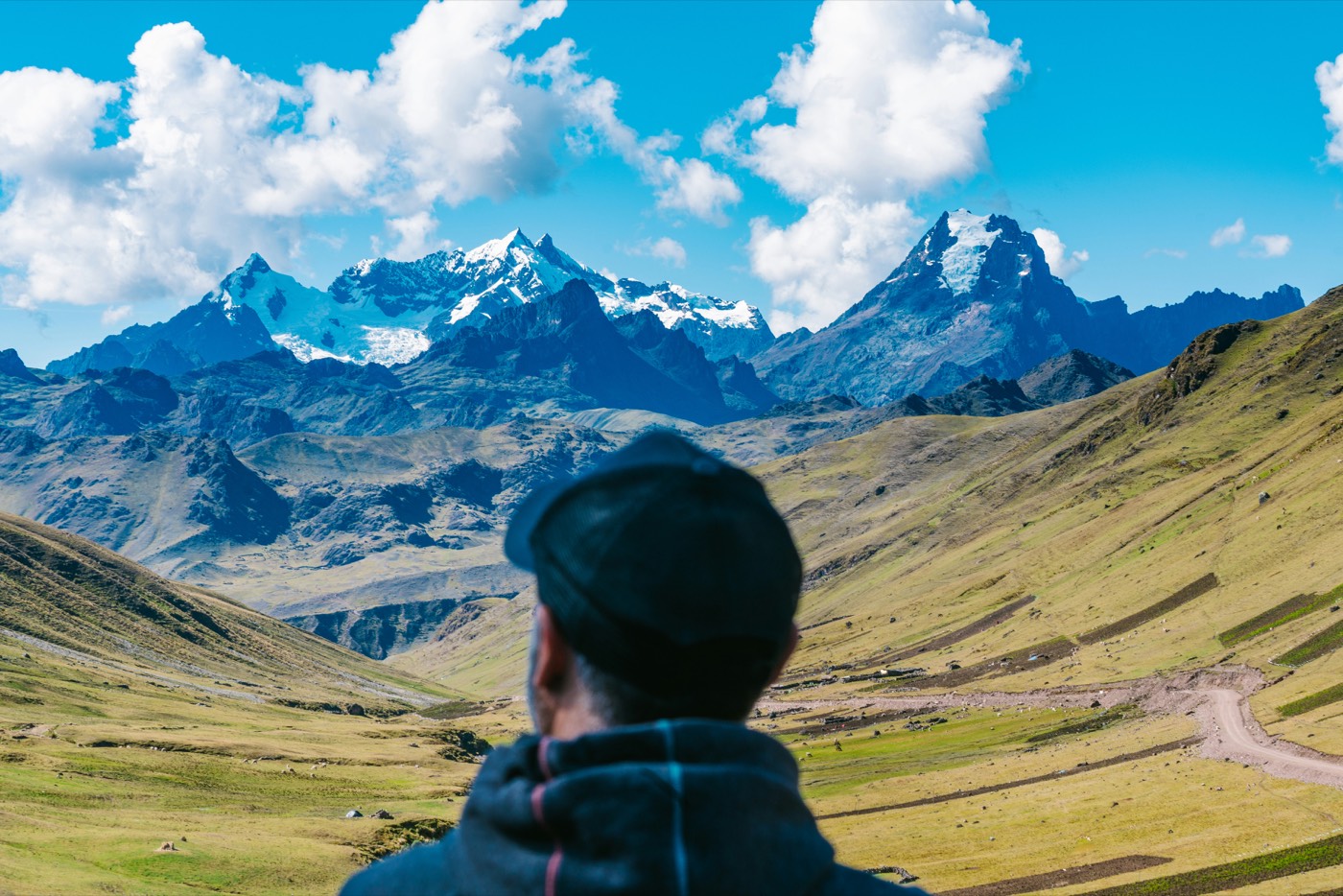
Peru’s geography spans three distinct zones - the Pacific coast, the Andes highlands, and the Amazon basin - and each has its own climate logic. The highland dry season (May–October) is the best time for Cusco, Machu Picchu, and trekking; the coast is sunniest in the Southern Hemisphere summer (December–April); and the Amazon operates on its own cycle where high water (wet season) actually improves certain types of wildlife viewing. Understanding these differences lets you plan a trip that works for every region you want to visit.
Peru’s Two Main Seasons
Dry season (May–October): The Andean highlands receive little rain, skies are clear, trails are dry and passable, and visibility is excellent for mountain photography. This is the peak tourist season for highland Peru. Prices for accommodation and tours are higher in July–August; May, June, September, and October offer similar conditions with smaller crowds. Inca Trail permits for July–August sell out months in advance - plan accordingly. Browse guided tours in Peru by month to find available departures that match your dates. Search hotels in Peru on Booking.com
Wet season (November–April): Afternoon and evening rain falls regularly in the highlands from November, with the heaviest precipitation in January and February. Highland landscapes turn vivid green. The Inca Trail closes in February. Machu Picchu remains open but site mornings can be cloud-covered. The wet season is the best time for Lima’s beaches and the coast.
Regional Weather Comparison
| Region | Dry Season (May–Oct) | Wet Season (Nov–Apr) | Best Months |
|---|---|---|---|
| Andean Highlands (Cusco, Puno, Arequipa) | Sunny, cold nights, avg high 19–22°C | Rain daily, green, avg high 17–20°C | May–Oct |
| Pacific Coast (Lima, Paracas, Nazca) | Overcast, cool, 14–18°C (garúa fog) | Sunny, warm, 22–28°C | Dec–Mar |
| Amazon Basin (Iquitos, Puerto Maldonado) | Lower water, dry, avg 28–32°C | Higher water, abundant wildlife, avg 28–32°C | Jun–Sep (low water), Dec–Feb (wildlife peaks) |
| Machu Picchu (2,430m) | Clear mornings, cool, ideal | Misty, rainy afternoons, fewer crowds | May–Oct |
| Inca Trail & Highland Treks | Dry, open, excellent | Wet, muddy, closed in Feb | May–Oct |
| Colca Canyon (3,191m) | Dry, prime condor season | Green but rainy; some road closures | Apr–Nov |
Month-by-Month Summary
January: Peak wet season in the highlands; heavy afternoon rain in Cusco and the Sacred Valley. Amazon rivers are high - good for river wildlife. Lima’s coast is warm and sunny. Avoid hiking the Inca Trail (it closes in February; January is near-equivalent conditions). Domestic travel peaks over New Year, driving up accommodation prices for the first week.
February: Inca Trail closed for maintenance - no permits issued. Heaviest rainfall across highland Peru. Not recommended for highland trekking. Surprisingly good for Carnival celebrations in Cusco and Puno (dates vary; typically mid-February). Amazon wildlife viewing is strong with high rivers. Lima remains sunny.
March: Inca Trail reopens. Highland rain begins to ease but afternoons remain wet through the month. Landscapes are at their greenest. Crowd levels are very low; accommodation is readily available. Good value month for travellers who can accept some rain.
April: The transition month. Rain becomes infrequent by mid-April; dry season conditions establish by late April. Landscapes still green from the wet season. Crowds are low and prices have not yet risen to peak-season levels. One of the best-value months for highlands travel. Semana Santa (Holy Week, dates vary) brings Peruvian domestic tourists to Cusco and Arequipa - book ahead if your dates overlap.
May: Dry season fully established. Days are warm (20–22°C in Cusco), nights cool to cold (3–8°C). Skies are clear. Inca Trail permit availability is reasonable compared to June–August. This is widely considered the best overall month for first-time highland visitors. International tourist numbers begin rising but have not yet peaked. For a detailed look at what to expect, see our guide to visiting Peru in May.
June: Peak dry season. Clear skies, excellent photography. Inti Raymi (Festival of the Sun) on 24 June in Cusco draws large crowds to Sacsayhuamán and the main plaza - a spectacular cultural event. Book accommodation weeks ahead for late June. The winter solstice (southern hemisphere) makes this the most symbolically significant time to visit Inca sites.
July: The single busiest month. Schools in Peru, Europe, and North America are on holiday simultaneously. Machu Picchu, Cusco, and Inca Trail tours are at maximum capacity. Accommodation prices are at their peak. Weather is consistently excellent. If visiting in July, book everything - trains, Machu Picchu entry, hotels, tours - at least 6–8 weeks in advance.
August: Similar to July in terms of crowds and prices; begins to ease in the final week. The dry-season window is still wide open. Huaraz and the Cordillera Blanca are at their best for trekking in August.
September: One of the best months. Crowds drop from the July–August peak; prices soften. Dry season weather continues through September. Inca Trail permits are easier to obtain. A genuinely good time for a highlands-focused trip.
October: The dry season’s final month. Weather is still predominantly clear, with occasional early afternoon cloud building. By late October, sporadic rain begins in some highland areas. Colca Canyon is accessible and the condor population is active. Strong month for off-peak value.
November: The wet season begins. Afternoon rain returns to highland Peru. Crowds are low; accommodation and tour prices drop. The landscape transitions back to green. Still perfectly possible to visit Machu Picchu; mornings are usually clear, with rain building by 14:00–15:00.
December: Rain is established in the highlands. Lima’s beach coast begins its sunny summer season. Machu Picchu remains open and is significantly less crowded than peak months. International visitors are low; domestic Peruvians travel heavily during the Christmas–New Year period (approximately 22 December–5 January), driving up accommodation prices at popular destinations.
Destination-Specific Guidance
Machu Picchu
Machu Picchu is best visited May through October for consistently clear mornings. The site opens at 06:00; arriving on the first entry wave provides the best light and fewest people at key viewpoints. Machu Picchu receives rain year-round but morning mist is most persistent November through April. Entry is timed and capped - book at machupicchutickets.gob.pe as soon as your travel dates are confirmed. July–August tickets sell out weeks in advance.
Amazon
The Amazon does not have a conventional dry-wet season tourism advantage. The high-water period (January–May) floods the forest floor, making river wildlife spotting easier - boats move through the canopy layer and you see monkeys, sloths, and birds at close range. The low-water period (June–November) exposes beaches and mud banks where caiman and birds congregate. Both windows have strong wildlife; choose based on your preferred experience rather than weather avoidance.
Lima Coast
Lima is best visited December through April when the garúa (coastal fog) clears and temperatures reach 26–28°C at the Miraflores and Barranco beaches. The city’s food scene is year-round; the coastal circuit (Paracas, Ballestas Islands, Nazca) is most comfortable in the Southern Hemisphere summer.
Inca Trail Permit Demand by Month
| Month | Demand Level | Typical booking lead time |
|---|---|---|
| February | Closed | N/A - no permits issued |
| March | Low | 2–4 weeks |
| April | Low–Moderate | 3–6 weeks |
| May | Moderate | 4–8 weeks |
| June | High | 8–12 weeks |
| July | Very High | 10–16 weeks |
| August | Very High | 10–16 weeks |
| September | High | 6–10 weeks |
| October | Moderate | 4–8 weeks |
| November | Low | 2–4 weeks |
| December | Low | 2–4 weeks |
| January | Low–Moderate | 3–5 weeks |
The Inca Trail has a daily permit limit of 500 people (including guides and porters). All permits must be booked through a licensed operator - individual booking is not possible. Popular operators sell out their allocated permits well before the above lead times in busy years. Book through a licensed agency as early as your dates are confirmed. For Machu Picchu tours that include the train, entry, and a guide, compare current availability and pricing before committing to dates.
Shoulder Season Value Tips
April, October, and early November offer the best combination of reasonable weather and below-peak prices:
- April: Dry season arriving, green landscapes from the wet season, fewer crowds, accommodation 20–30% cheaper than July. Occasional afternoon showers but mostly dry by mid-month.
- October: Dry season ending but still reliable. Tourist crowds noticeably lower than August. Inca Trail permits available with 4–6 weeks’ notice. Good hotel rates at Sacred Valley properties.
- November: Weather deteriorating for highland trekking but perfectly fine for city visits (Cusco, Arequipa, Lima). Machu Picchu is open and entry tickets are readily available. Some Sacred Valley lodges offer reduced rates.
For Lima-centred trips or Amazon lodges, the wet-season months (November–April) are not disadvantageous at all and accommodation is typically cheaper.
Monthly Travel Guides
Plan around your travel dates with our month-by-month Peru guides - each covers weather by region, events, crowd levels, and what to book ahead:
- Visiting Peru in January - Wet season, Lima beaches at their best, Amazon wildlife peaks
- Visiting Peru in February - Inca Trail closed, Carnival in Cusco and Puno, low highland crowds
- Visiting Peru in March - Inca Trail reopens, green landscapes, good shoulder value
- Visiting Peru in April - Dry season arriving, Semana Santa, best-value highlands month
- Visiting Peru in May - Dry season established, ideal first-timer month, Inca Trail permits available
- Visiting Peru in June - Peak dry season, Inti Raymi festival, clear skies
- Visiting Peru in July - Busiest month, maximum crowds, best weather
- Visiting Peru in August - High season continues, Huaraz trekking at its best
- Visiting Peru in September - Crowds ease, dry season continues, good value returns
- Visiting Peru in October - Dry season ends, shoulder pricing, Colca Canyon excellent
- Visiting Peru in November - Wet season returns, lowest crowds, cheapest prices
- Visiting Peru in December - Christmas travel surge, Machu Picchu quiet, Lima beach season begins
Plan Your Trip
✈️ Book your flights to Peru 🛡️ Get travel insurance 📱 Stay connected with an eSIM 🚗 Rent a car