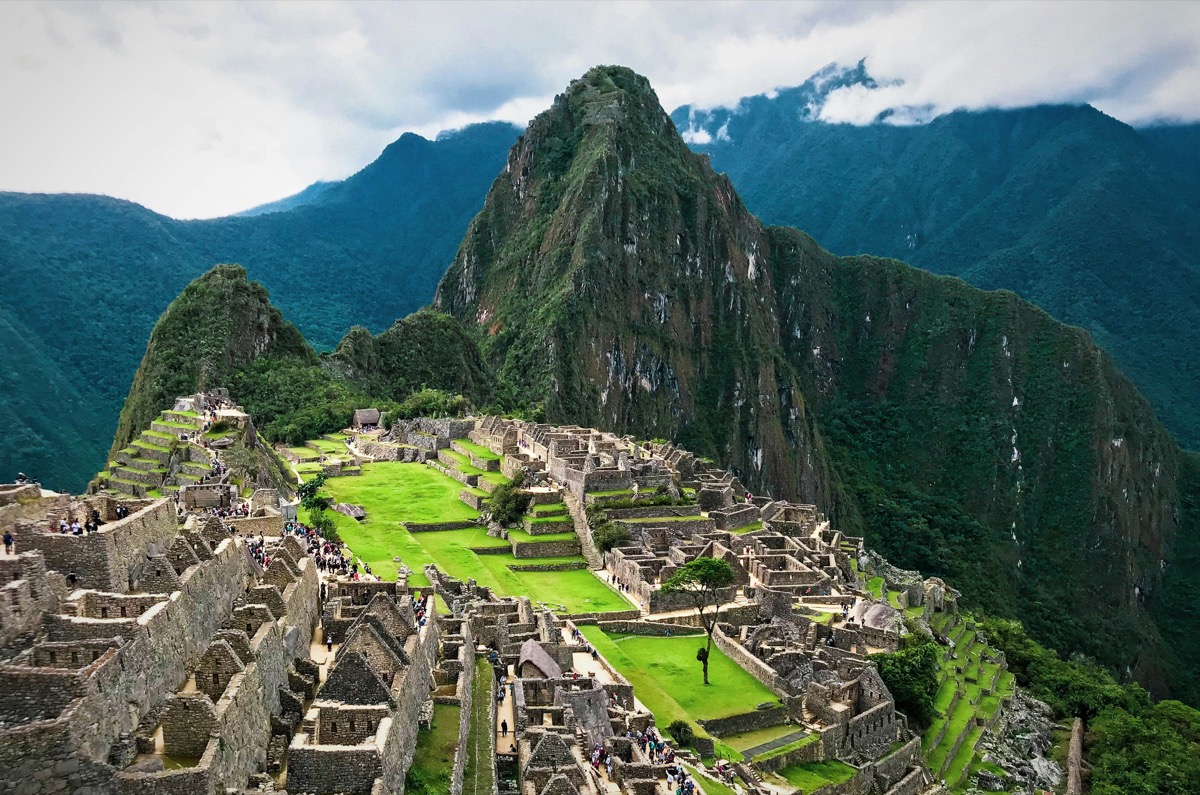
Altitude sickness (called soroche in Peru) is a real and common experience for visitors to Peru’s high-altitude destinations. Cusco at 3,400m, Puno at 3,860m, and the various trekking routes that push above 4,000–5,200m all carry genuine risk of altitude-related illness. Understanding how to prevent it, what symptoms to expect, and when symptoms require medical attention is part of planning any Peru trip that goes above the coastal cities.
High-Altitude Destinations in Peru
Not all of Peru is high altitude. Lima sits at approximately 150m above sea level; there is no altitude concern on the coast. The altitude challenge starts when you travel to the Andean interior:
| Destination | Altitude |
|---|---|
| Lima | ~150m (sea level) |
| Arequipa | ~2,335m |
| Cusco | ~3,400m |
| Lake Titicaca / Puno | ~3,860m |
| Inca Trail high pass (Warmiwañusca) | ~4,215m |
| Salkantay Pass | ~4,630m |
| Rainbow Mountain (Vinicunca) | ~5,200m |
The standard medical threshold for high altitude is 2,500m; symptoms typically appear above 3,000m in people unacclimatised to elevation. Puno is higher than Cusco - travellers who fly to Cusco and then take the overnight bus to Puno often underestimate the additional elevation.
Symptoms
Acute mountain sickness (AMS) typically presents 6–12 hours after arriving at altitude. Common symptoms:
- Headache - usually the first and most consistent symptom. Can range from mild pressure to severe pain.
- Nausea and/or vomiting - more common with rapid ascent and physical exertion.
- Fatigue and weakness - disproportionate tiredness relative to activity level.
- Dizziness and lightheadedness - particularly on standing.
- Shortness of breath - at rest or with minimal exertion.
- Disrupted sleep - waking frequently, irregular breathing (Cheyne-Stokes breathing at night is common above 3,000m).
- Loss of appetite
Mild AMS is common and typically resolves within 24–48 hours with rest. The key distinction is trajectory: symptoms that improve with rest and time are manageable; symptoms that worsen despite rest require descent and medical attention.
Serious altitude illness - less common but potentially life-threatening:
- HACE (High-Altitude Cerebral Oedema): Confusion, loss of coordination, severe headache not relieved by ibuprofen. Medical emergency - descend immediately.
- HAPE (High-Altitude Pulmonary Oedema): Breathlessness at rest, cough producing pink or frothy mucus, feeling of drowning. Medical emergency - descend immediately.
Prevention
Ascend gradually. The most effective prevention is slow ascent. If possible, spend a night at an intermediate altitude (Arequipa at 2,335m works well) before ascending to Cusco. Some trekking itineraries include acclimatisation days in the Sacred Valley (approximately 2,800m) before rising to Cusco’s 3,400m.
For most travellers flying directly to Cusco: Plan at least 1–2 full rest days before strenuous activity. Do not book the Inca Trail or Rainbow Mountain hike for your first or second day.
Hydrate. Drink significantly more water than usual - aim for 3–4 litres per day at altitude. Avoid alcohol for the first 24–48 hours; it worsens dehydration and impairs the physiological response to altitude.
Avoid exertion on arrival. Walk slowly on your first day. Cusco’s streets are steep and the altitude makes any physical effort more demanding than at sea level. No long hikes, no running, no carrying heavy loads on day one.
Eat light. Heavy meals worsen nausea at altitude. Eat smaller amounts more frequently. Carbohydrate-heavy food is better tolerated than high-fat or protein-heavy meals in the first 24 hours.
Coca leaf tea. Available free at most hotels and sold everywhere in Cusco. Genuinely helps with mild headache and nausea for most people. Not a substitute for proper acclimatisation but a useful complement.
Acetazolamide (Diamox)
Acetazolamide is a diuretic and carbonic anhydrase inhibitor that accelerates acclimatisation by stimulating increased breathing. It is the most well-evidenced pharmacological prevention for AMS.
Availability in Peru: Available at pharmacies in Cusco, Puno, and most major cities without a prescription as of 2026. The generic name is acetazolamide; it is also sold under the brand name Diamox. Cost approximately S/15–S/30 for a standard course as of 2026.
Standard prophylactic dose: 125mg twice daily, starting 24 hours before arrival at high altitude and continuing for 2 days after arrival. Some protocols use 250mg twice daily; the lower dose has fewer side effects for most people.
Side effects: Increased urination (it is a diuretic - stay hydrated), tingling in fingers and toes (very common, not dangerous), altered taste of carbonated drinks (Coca-Cola tastes flat). These are normal effects, not signs of a problem.
Contraindications: Do not take if you are allergic to sulfa drugs. Consult a doctor if you are pregnant, have kidney disease, or take other medications. Not recommended without medical advice if you have a history of sulfa allergy.
Recommended Acclimatisation Schedule
For a typical Peru itinerary beginning with a flight to Cusco:
Day 1 (arrival in Cusco): Arrive, check in. Drink coca tea. Walk no further than Plaza de Armas. Eat a light meal. Sleep early. Avoid alcohol.
Day 2: Short, easy walks. Visit Qorikancha or the Cathedral (minimal exertion). Rest in the afternoon. Mild headache or fatigue is normal - monitor whether it is improving.
Day 3: If feeling well, moderate activity is fine - Sacsayhuamán, the San Pedro Market, San Blas neighbourhood. Still avoid long uphill hikes or strenuous physical exertion.
Day 4 onwards: Full activity. Trekking, Sacred Valley day trips, and demanding excursions are appropriate once the body has acclimatised.
For the Inca Trail: The trail begins at approximately 2,720m (Km 82) and rises to a maximum of 4,215m at Warmiwañusca (Dead Woman’s Pass) on day two. Most trekking agencies require at least 2 nights’ acclimatisation in Cusco before trail departure. This is the correct minimum - more is better.
For Rainbow Mountain (Vinicunca), 5,200m: At least 3–4 days in Cusco before attempting this hike. The altitude at the summit is significantly higher than Cusco - even well-acclimatised trekkers find the final push to 5,200m demanding. Many tours depart at 03:00–04:00 from Cusco; pace yourself on the ascent.
If You Get Altitude Sickness
Mild symptoms (headache, mild nausea, fatigue): Rest, hydrate, take ibuprofen or paracetamol for headache, drink coca tea. These typically resolve within 24–48 hours. Do not ascend further until symptoms have completely cleared.
Moderate symptoms (headache unresponsive to ibuprofen, significant nausea, difficulty sleeping): Consider acetazolamide if you have not already taken it. Remain at current altitude or descend slightly. Inform your hotel.
Severe symptoms (confusion, inability to walk straight, breathlessness at rest, coughing with frothy sputum): Descend immediately. This is a medical emergency. Do not wait to see if symptoms improve. Even descending 300–500m can produce significant improvement in HACE/HAPE. Cusco has several medical facilities:
- Clínica Pardo: Avenida de la Cultura 710, Cusco. Handles altitude emergencies.
- Hospital EsSalud Cusco: Public hospital with emergency department.
- Most mid-range and upscale hotels can arrange emergency medical assistance; inform reception immediately if symptoms are severe.
Practical Checklist
Before arriving in Peru at altitude:
- Consult a travel medicine doctor if you have heart or lung conditions, or have had serious AMS before
- Consider bringing acetazolamide (available at home with prescription, or in Cusco without)
- Pack ibuprofen and paracetamol for symptom management
- Plan at least 2 rest days in Cusco before strenuous activity
- Book flexible tours rather than fixed-date treks for the first high-altitude excursions - guided tours from Cusco allow you to pace yourself with an experienced guide who knows the altitude
- Arrange travel insurance that covers altitude-related evacuation before departure - helicopter rescue from a high-altitude trail is expensive without it
Plan Your Trip
✈️ Book your flights to Peru 🛡️ Get travel insurance 📱 Stay connected with an eSIM 🚗 Rent a car