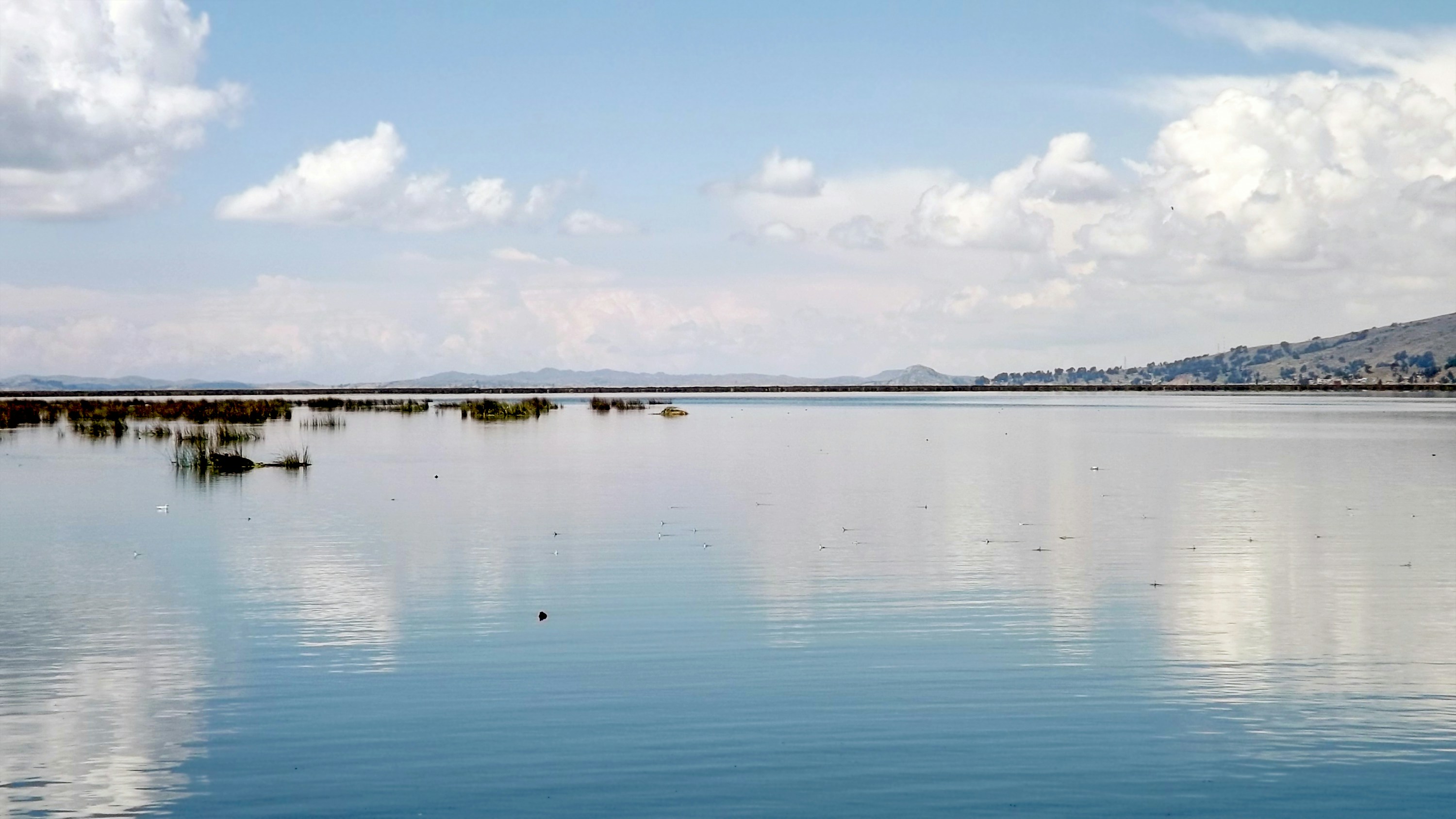
Lake Titicaca is the highest navigable lake in the world, sitting at 3,812 metres on the Peruvian-Bolivian altiplano. The scale of it surprises nearly everyone who arrives expecting something like a highland reservoir - the lake is vast, intensely blue, and edged by snowcapped peaks on clear days. Tours from Puno explore three main island groups: the extraordinary man-made Uros floating islands, the terraced hillside community of Taquile, and the more remote Amantani, where homestays give an authentic window into Andean island life.
Departure Point: Puno Port
All Lake Titicaca tours depart from Puno’s main port (Muelle de Puno), approximately 5 minutes by taxi from the city centre. Boat departure times for Uros tours are flexible throughout the morning. For Taquile and Amantani, the standard departure is 7:30am–8:00am to allow enough time for the longer crossing.
Many agencies on Jiron Lima and Avenida Titicaca sell organised tours. Shop around - prices and quality vary. Independent boat hire is possible at the port for groups who want a private departure time. You can also browse and book Lake Titicaca tours in advance to secure your preferred departure, especially in July–August high season.
The Uros Floating Islands
The Uros islands are the most-visited attraction on Lake Titicaca and one of the most remarkable sights in Peru. The islands are constructed entirely from totora reeds - a freshwater sedge that grows throughout the shallows. The Uros people cut and layer the reeds into floating platforms, replacing the top layers every few weeks as the base slowly decomposes. Each island (there are approximately 60 inhabited ones) is home to 2–5 families.
What a visit involves: Boats dock at a floating platform where community members explain island construction using a scale model. Visitors can walk on the islands (the surface is springy underfoot, like a firm trampoline), see inside the reed houses, and ride a traditional totora reed boat to another island.
Cost: From approximately 30–40 soles per person for the boat journey as of 2026, plus a community entrance fee of approximately 10 soles on the island. Most half-day tours from Puno include both.
Duration: A half-day tour to Uros and back takes approximately 3–4 hours including the boat crossing (approximately 30 minutes each way).
A note on tourism and authenticity: The Uros islands receive thousands of visitors daily in high season. Some islands have become very commercially oriented, with craft stalls and persistent selling. Ask your operator which islands receive smaller groups. The experience is still remarkable - the engineering alone is extraordinary - but adjust expectations for a busy tourist site rather than an isolated community encounter.
Taquile Island
Taquile is a natural island approximately 35km from Puno, rising steeply from the lake surface to a ridgeline at 3,950m. The island’s approximately 2,000 inhabitants maintain Quechua traditions and are renowned for their weaving - specifically, the men’s traditional knitting, which is a UNESCO-recognised intangible cultural heritage. The textiles are among the finest hand-produced crafts in Peru.
What a day trip involves: The boat crosses to Taquile in approximately 2–2.5 hours. Visitors climb stone stairways to the main plaza (the ascent takes 30–45 minutes and the altitude is noticeable), walk the ridge path to viewpoints over the lake and Bolivia, visit the cooperative craft market, and have lunch at a community restaurant - typically lake trout (trucha) with quinoa soup, the local staple.
Cost: Day trips from Puno including boat, guide, and lunch from approximately 45–70 USD per person as of 2026 depending on group size and operator.
Duration: Full day, departing 7:30am–8:00am and returning to Puno by 5:00pm–6:00pm.
Amantani Island
Amantani is less visited than Taquile and offers a significantly more immersive experience. The island has no hotels - accommodation is exclusively in family homestays arranged through the community association. Families host 1–4 visitors, provide meals of quinoa, potatoes, and lake trout, and often participate in evening activities (traditional music and dance in the community hall).
What an overnight tour involves: Day 1 crosses to Uros in the morning, continues to Amantani in the afternoon. Visitors are assigned to homestay families, share dinner, and participate in the evening gathering. Day 2 visits Taquile before returning to Puno.
Cost: 2-day/1-night Uros + Amantani + Taquile tours from approximately 60–90 USD per person as of 2026, including boat transport, homestay accommodation, and meals. This is remarkable value for a genuine community experience. Reserve your Amantani overnight tour well in advance - capacity is limited by the number of participating homestay families.
What to bring for Amantani: Cash in soles (no ATMs on the island), a sleeping bag or extra blanket (the homestays can be cold at night), a small gift for the host family (fruit, school supplies, coffee), and a head torch. Electricity on the island is limited and intermittent.
Day Trip vs. Multi-Day Tour
| Day Trip (Uros + Taquile) | Overnight (Uros + Amantani + Taquile) | |
|---|---|---|
| Duration | 1 day | 2 days / 1 night |
| Cost (approx.) | 45–70 USD | 60–90 USD |
| Crowd level | Moderate–high on Taquile | Lower on Amantani |
| Experience depth | Surface-level community visit | Genuine cultural immersion |
| Altitude challenge | Taquile climb is demanding | Same + overnight at altitude |
| Best for | Short itinerary, first-time visitors | Travellers with 2+ nights in Puno |
If you only have one day, the Uros + Taquile day trip covers the essentials. If your schedule allows two days, the Amantani overnight is one of the most memorable community experiences in Peru.
Altitude Considerations
At 3,827m, Puno is higher than Cusco and most people acclimate more slowly here. Coming directly from Lima to Puno by bus or flight can bring on strong altitude sickness symptoms. We recommend spending 2–3 nights in Cusco (3,399m) before continuing to Puno, or at minimum allowing one rest day in Puno before doing any boat tours.
On the lake and islands, exertion increases altitude effects. The stair climb on Taquile - several hundred steps at 3,950m - is genuinely breathless-making even for people who are well acclimatised. Take it slowly, accept the pace, and stop when you need to.
Coca tea is available everywhere in Puno and on the islands. It helps mild altitude symptoms and is part of local daily life. Soroche (altitude sickness) pills (acetazolamide) are available at pharmacies in Puno and Cusco without prescription.
Combining Lake Titicaca with Bolivia
Puno is 5km from the Bolivian border crossing at Yunguyo (for those continuing by road around the south shore of the lake) or 5 hours by hydrofoil across the lake to Copacabana and onward to La Paz. If your itinerary includes Bolivia, a Lake Titicaca tour from the Peruvian side pairs naturally with the same from the Bolivian side - the Bolivian Islands of the Sun and Moon offer a different and complementary perspective on the same lake and the same Andean culture.
Top Lake Titicaca Tours on GetYourGuide
All tours depart from Puno. Prices are starting rates from verified GYG listings as of 2026.
| Tour | Duration | What’s included | From |
|---|---|---|---|
| Puno: Full-Day Tour of Lake Titicaca – Uros & Taquile | 8–9 hrs | Boat transport, guide, Uros floating island visit, Taquile Island visit, typical lunch on Taquile | $20 per person |
| Full-Day Lake Titicaca Tour with Lunch (Uros + Amantaní) | 8–9 hrs | Boat, guide, Uros floating island visit, Amantaní Island visit, traditional lunch included | $25 per person |
| 2-Day Lake Titicaca Homestay Tour (Uros, Amantaní, Taquile) | 2 days | Boat, guide, Uros visit, overnight homestay on Amantaní, 4 meals, Taquile visit, return to Puno | $55 per person |
Booking tips: The 2-day homestay format is the most culturally immersive option and is strongly recommended over the day tour if your schedule allows. Homestay families on Amantaní host in traditional stone houses; bring warm layers as temperatures drop sharply after sunset at 3,812m. Book Lake Titicaca tours from Puno
Plan Your Lake Titicaca Visit
- Puno Travel Guide - The base city for all Lake Titicaca tours. Hotels, restaurants, transport connections, and altitude acclimatisation advice.
- Puno Things to Do - Lake Titicaca tours, Uros floating islands, Taquile, Amantaní, and Puno city attractions with entry fees and booking tips.
- Lake Titicaca Islands: History and Culture - The Uros, Taquile, and Amantaní communities in depth: origins, traditions, and what distinguishes each island.
- Altitude Sickness in Peru - Essential reading before arriving at Puno’s 3,827m elevation. How to acclimatise, what to take, and when to seek help.
- Cusco Travel Guide - Most travellers arrive in Puno via Cusco (6 hours by bus). Spending 2–3 nights in Cusco first is the recommended acclimatisation route.
- 2-Week Peru Itinerary - Covers the southern highlands circuit: Cusco → Sacred Valley → Machu Picchu → Puno → Lake Titicaca → Arequipa.
Need a tour this week? Our last-minute tours page lists Lake Titicaca departures with immediate availability from Puno.