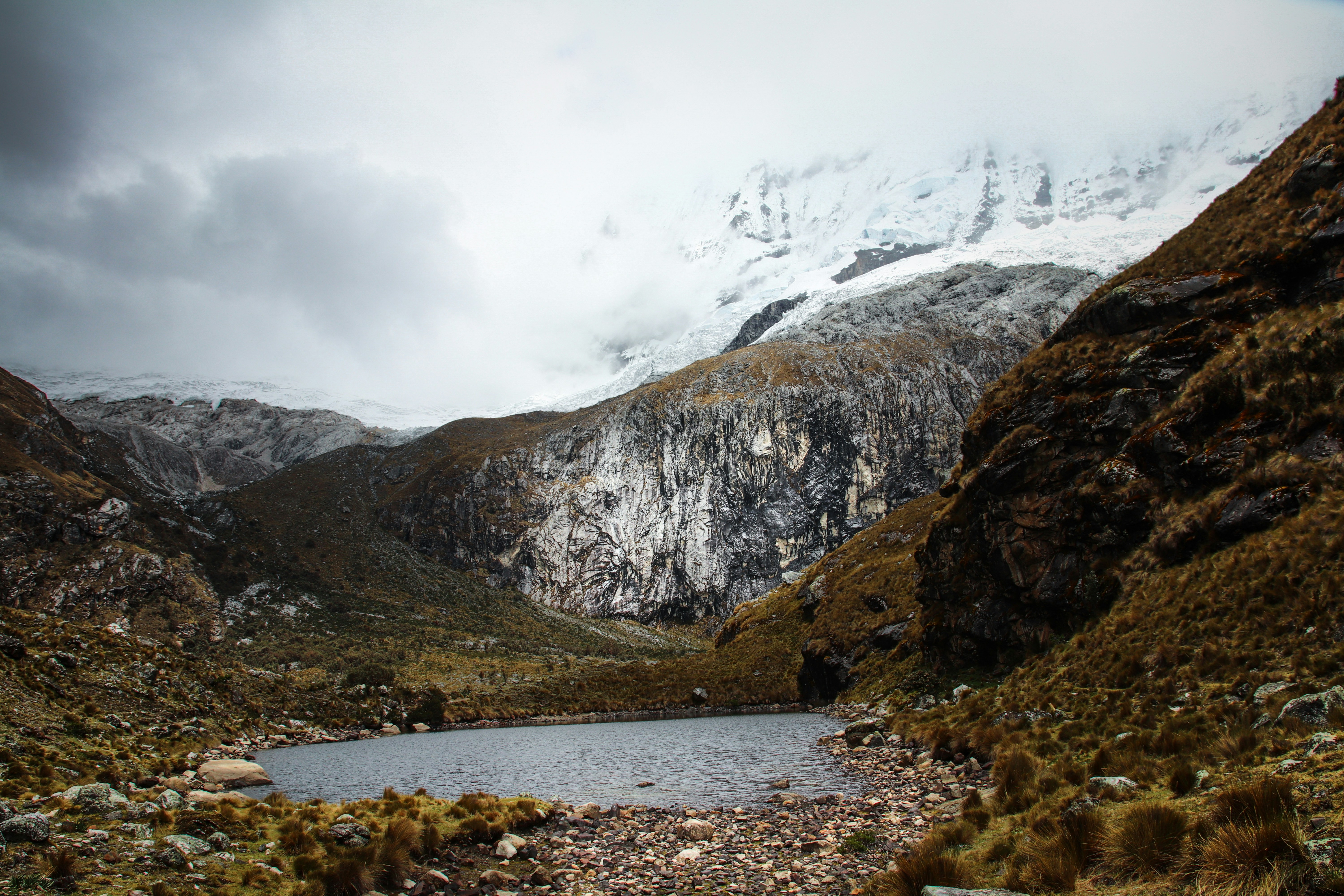
Huaraz: Peru's Trekking Capital in the Cordillera Blanca
Acclimatise at 3,090m, then choose between a Laguna 69 day hike or the full Santa Cruz Trek - Huaraz unlocks the Cordillera Blanca for all levels.
Guides for Huaraz
Huaraz is Peru’s trekking capital - a mid-sized Andean city rebuilt after the devastating 1970 earthquake and now the base for one of the world’s most spectacular mountain ranges. The Cordillera Blanca, which towers immediately east of the city, contains over 30 peaks above 6,000m including Huascarán (6,768m), Peru’s highest mountain. For the full breakdown of trek routes, operators, and permits, see our Huaraz trekking guide.
Getting to Huaraz
From Lima by overnight bus: The standard route. Cruz del Sur, Movil Tours, and Línea all operate overnight departures from Lima (primarily from the Javier Prado terminal area) arriving in Huaraz approximately 8 hours later. Book the executive class (approximately S/60–S/100 one-way as of 2026) for a fully reclining seat on a mountain road. Daytime buses are also available but the road passes over high curves best experienced in daylight only if you don’t suffer from motion sickness.
From Trujillo: Several companies cover this route (approximately 7 hours). CIVA and Línea operate regularly; fares approximately S/40–S/70 as of 2026.
From Cusco: There is no direct bus to Huaraz from Cusco - the standard route is to return to Lima and take the overnight bus north. Journey time from Cusco to Huaraz by any combination of buses is typically 24+ hours. Travellers doing both the Salkantay Trek and the Cordillera Blanca should plan a Lima stopover between them.
Acclimatisation Tips
Arrive and rest. Two to three days at Huaraz’s altitude (3,052m) before attempting any high-altitude trek is strongly advised. Good acclimatisation hikes include:
- Laguna Churup (4,450m) - a hard 5-hour return day hike, excellent for acclimatisation. Entry via Huascarán National Park (approximately S/30 as of 2026). The lake sits at the base of Nevado Churup glacier.
- Mirador Rataquenua - a gentler 3-hour return walk above the city. Free access. Good views of the Cordillera Blanca.
- Los Olivos neighbourhood - a 1–2 hour easy walk up the hill east of the city centre, with excellent Cordillera Blanca panoramas.
Drink plenty of water, avoid alcohol for the first 48 hours, and eat light meals. If you experience severe headache, nausea, or difficulty breathing, descend immediately - do not attempt to acclimatise upward.
Where to Stay in Huaraz
The Lazy Dog Inn - Eco-lodge approximately 15km from Huaraz in the Santa Cruz valley. Stunning views, horses available for riding, and an excellent spot for acclimatisation. Rooms from approximately USD 70–USD 100 per night including breakfast as of 2026.
Olaza’s Bed and Breakfast - Popular trekkers’ base in central Huaraz. Reliable, clean, and excellent community notice board for finding trek partners. Rooms from approximately USD 30–USD 55 per night as of 2026.
Hotel El Tumi - Mid-range hotel with mountain views, restaurant, and luggage storage for trekkers. Rooms from approximately USD 55–USD 85 per night as of 2026.
Casa de Guías Hostel - Run in connection with the Peruvian Mountain Guide Association. Budget option with dorm beds from approximately USD 12–USD 18 per night as of 2026. Good notice board, climbing library, and guide hiring services.
Where to Eat in Huaraz
Trivio - The best restaurant in Huaraz, serving creative Andean cuisine with proper technique. Mains approximately S/40–S/70 per person as of 2026. The quinoa risotto and lamb are consistently recommended.
California Café - Longstanding breakfast spot popular with trekkers, serving proper filter coffee, pancakes, and good trail-planning atmosphere. Breakfast approximately S/20–S/35 as of 2026.
Chilli Heaven - Small café run by a British owner, serving excellent sandwiches, pies, and the best coffee in town for many returning visitors. Good trek briefings from staff. Mains approximately S/20–S/40 as of 2026.
Mercado Central - The main market, with fresh produce, juice stalls, and cooked lunch menus from approximately S/10–S/18 as of 2026.
Day Trips from Huaraz
The surrounding valleys offer several worthwhile day trips that don’t require multi-day camping:
Llanganuco Lakes - Two glacial lakes (Chinancocha and Orconcocha) at 3,850m near Yungay, approximately 1 hour from Huaraz by combi. A short walk along the lower lake is accessible to all fitness levels. National Park entry applies.
Chavín de Huántar - An impressive pre-Inca archaeological site, approximately 3 hours from Huaraz. The carved stone heads and underground galleries date to approximately 900 BCE. Entry approximately S/15 as of 2026. Tour operators in Huaraz run full-day excursions for approximately S/40–S/60 per person including transport. Browse Huaraz trekking and day tour options including Laguna 69 day trips and Chavín de Huántar circuits.
Pastoruri Glacier - A receding glacier at 5,240m, approximately 70km south of Huaraz. Accessible via a short walk (approximately 1km) from the road end. Several operators run day trips for approximately S/30–S/50 per person as of 2026. The glacier has retreated significantly since the 1980s - worth seeing while it lasts.
Practical Information
Gear rental: Basic trekking gear can be rented or bought on Luzuriaga street (the main trekking equipment strip). Poles, sleeping bags (down to -10°C), tents, and boots all available. Inspect rental equipment carefully before committing to a multi-day route.
Medical: The Huaraz clinic network can treat altitude sickness and basic injuries. Carry acetazolamide (Diamox) if prescribed by your doctor before departure - it is available in Huaraz pharmacies but stock varies. For serious emergencies, evacuation to Lima is the only option.
Money: Huaraz has several ATMs on the main streets. Carry Soles for park entry fees, transport, and market food - card acceptance outside restaurants is limited.
Best Time to Visit Huaraz
May to September (dry season): The prime window. July and August are driest and most crowded. June offers excellent conditions with fewer trekkers on the trails. Nights are cold year-round at altitude - temperatures at 3,052m regularly drop to 0°C or below even in July.
October to April (wet season): Rain and snow at higher elevations. Many high passes become muddy or icy. The valleys are green and less visited, but planning multi-day treks in this period requires local knowledge and flexible timing. Some operators reduce services.
If you’re combining Huaraz with the Inca Trail or other Cusco-region treks, see our guide to visiting Peru in July for timing advice across both regions.
Huaraz Trekking and Day Tours
The table below compares the main options departing from Huaraz, from single-day hikes to multi-day treks. Prices are approximate as of 2026 for a guided group departure; self-guided options reduce cost but require experience and navigation skills.
| Tour / Trek | Duration | Cost (approx.) | Best For |
|---|---|---|---|
| Laguna 69 day hike | 1 day | USD 25–USD 45 pp | Best single-day spectacle in the Blanca |
| Llanganuco Lakes day trip | Half-day | USD 15–USD 25 pp | Glacial lakes, accessible to all fitness levels |
| Chavín de Huántar archaeological site | Full day | USD 25–USD 40 pp | Pre-Inca archaeology, underground galleries |
| Pastoruri Glacier | Full day | USD 20–USD 35 pp | High altitude, receding glacier (5,240m) |
| Santa Cruz Trek (guided) | 4 days | USD 180–USD 300 pp | Classic Cordillera Blanca circuit |
| Huayhuash Circuit (guided) | 8–10 days | USD 400–USD 700 pp | Most demanding, most spectacular |
Browse Huaraz trekking and day tour options including Laguna 69, Santa Cruz Trek, and Chavín de Huántar circuits. For independent trekkers, the Peruvian Mountain Guide Association (Casa de Guías) on Luzuriaga street is the best source of accredited local guides.
Huaraz vs Other Destinations
- Huaraz vs Cusco - Cordillera Blanca trekking versus the Inca Trail and Machu Picchu. How to choose between Peru’s two great trekking regions.
Huaraz City Guides
Plan your time with our dedicated Huaraz sub-guides:
- Things to Do in Huaraz - Laguna 69, Santa Cruz trek, Llanganuco Lakes, Chavín de Huántar, and day hikes with Huascarán National Park entry details.
- Huaraz Food Guide - The best restaurants in Huaraz for trekkers: Trivio, California Café, Chilli Heaven, and market meals.
- Where to Stay in Huaraz - Trekker-oriented accommodation from eco-lodges in the Santa Cruz valley to central guesthouses with equipment storage.
- Huaraz Trekking Guide - The Santa Cruz Trek, Laguna 69, Alpamayo Circuit, and Huayhuash Circuit with route notes, permit costs, and gear advice.
Book an experience
Top experiences in Huaraz
Explore the best tours and activities in Huaraz , with instant confirmation and free cancellation on most bookings.