Arequipa: The White City and Gateway to Colca Canyon
Your guide to Arequipa - Peru's second city, base for Colca Canyon, and home to the finest colonial sillar architecture in South America.
Guides for Arequipa
Arequipa is Peru’s second-largest city and, by most measures, its most beautiful. The historic centre is a UNESCO World Heritage Site, and the combination of white sillar construction, three encircling volcanoes (El Misti at 5,822m, Chachani at 6,057m, and Pichu Pichu at 5,664m), and a strong culinary identity sets it apart from any other Peruvian city. It is also the main departure point for Colca Canyon - one of the world’s deepest gorges and a reliable location for spotting Andean condors.
Getting There
From Lima by air: Rodríguez Ballón International Airport (AQP) is approximately 8km northwest of the city centre. Flights from Lima take approximately 1 hour 30 minutes. LATAM and Sky Airline fly this route multiple times daily; fares from approximately S/180 one-way as of 2026. A taxi from the airport to the centre costs approximately S/20–S/30 and takes 20–30 minutes.
From Cusco by bus: Cruz del Sur and several other companies operate overnight buses (approximately 10–11 hours). Economy seats cost approximately S/60–S/90; executive double-flat beds approximately S/120–S/180 as of 2026.
From Puno by bus: Approximately 5 hours. Multiple daily departures with Cruz del Sur and Flores Bus; fares approximately S/30–S/60 as of 2026. This route is popular for travellers combining Arequipa with Lake Titicaca and Puno.
Top Sights
Plaza de Armas - One of South America’s finest central squares, flanked by the twin-towered sillar cathedral (entry approximately S/10, open Monday–Saturday 07:00–11:30 and 17:00–19:30) and colonial arcades. The cathedral’s museum houses a Belgian pipe organ and significant colonial art. Free to sit in the square; the cathedral museum charges entry.
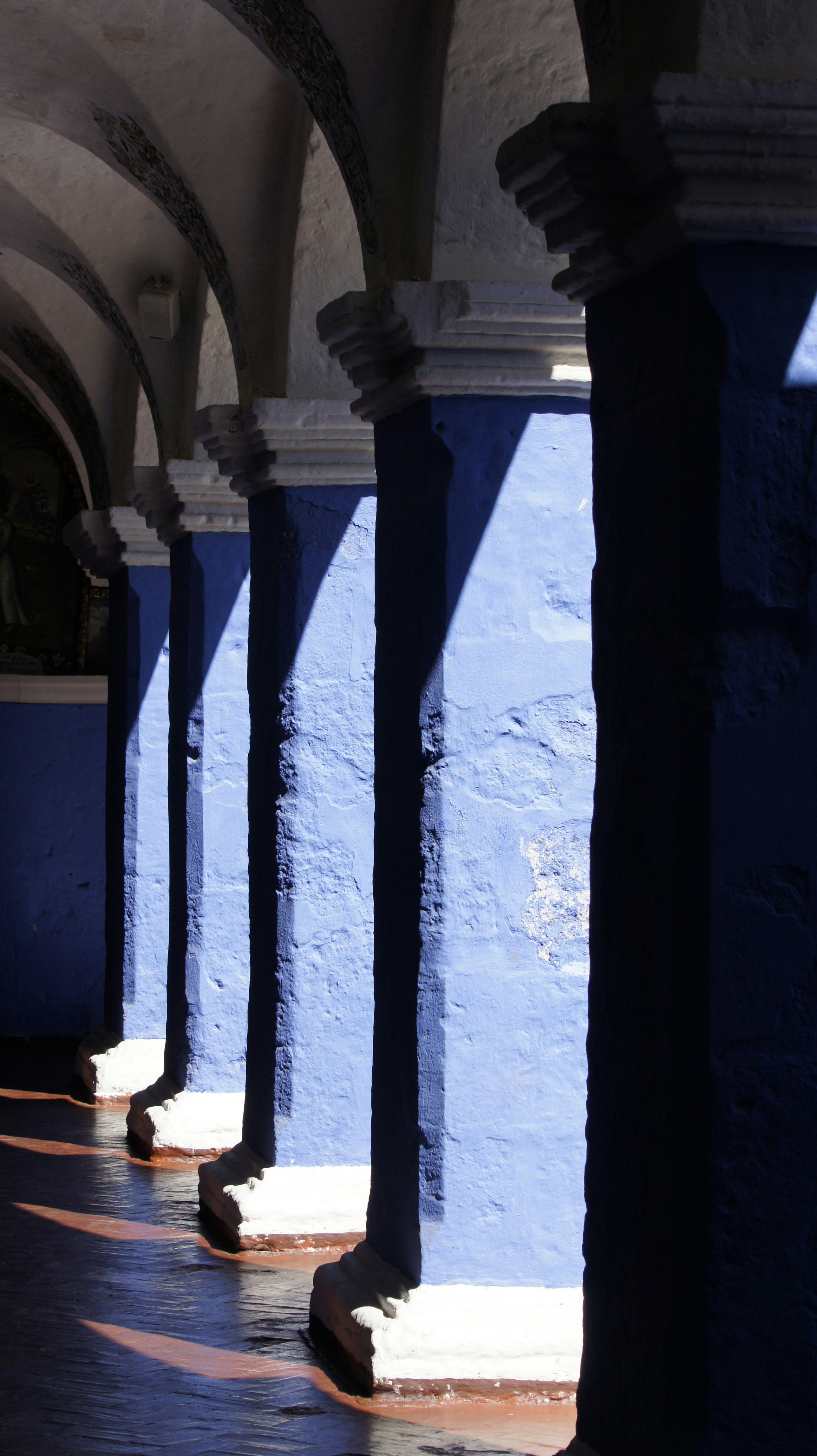
Santa Catalina Monastery - A city-within-a-city covering 20,000 square metres of cloisters, coloured streets, and chapels. Entry approximately S/50 as of 2026 (guided tours included in entry price). Open daily 09:00–17:00; Thursday and Friday open until 20:00 for the nocturnal candlelit visit. Allow 2–3 hours minimum.
Yanahuara Viewpoint - A 15-minute taxi ride from the centre, this mirador frames El Misti volcano perfectly and is Arequipa’s most photographed spot. The adjoining Yanahuara church dates from 1750 and uses sillar construction. Free entry. Best in early morning before clouds build on the volcano.
Museo Santuarios Andinos - This museum at the Universidad Católica de Santa María houses Juanita, the Inca ice maiden discovered on Ampato volcano in 1995. Entry approximately S/30 as of 2026. Open Monday–Saturday 09:00–18:00, Sunday 09:00–15:00. English-language guided tours available.
Sabandía Mill - A restored 17th-century water mill in the valley below the city, approximately 8km from the centre. Entry approximately S/10. Open daily 09:00–17:00. A pleasant half-day trip combined with the Mansión del Fundador colonial estate (combined entry approximately S/20).
Where to Stay
Casa Andina Premium Arequipa - Comfortable mid-range hotel in the historic centre, one block from the Plaza de Armas. Rooms from approximately USD 100–USD 140 per night as of 2026. Breakfast included; rooftop terrace with volcano views.
Libertador Arequipa - Long-established upscale property near Santa Catalina Monastery. Rooms from approximately USD 180–USD 240 per night as of 2026. Colonial courtyard, good restaurant, reliable Wi-Fi.
La Maison d’Elise - Boutique guesthouse in the historic centre with 12 rooms, each decorated with local art. Rooms from approximately USD 80–USD 110 per night as of 2026. Quiet courtyard; very good breakfast.
Casablanca Hostel - Central budget option on Plaza de Armas. Dorm beds from approximately USD 10–USD 14 per night; private rooms from approximately USD 30–USD 45 as of 2026. Rooftop bar, helpful staff.
Where to Eat
Arequipa has its own culinary tradition distinct from Lima or Cusco. Key dishes include rocoto relleno (spiced stuffed pepper), chupe de camarones (prawn chowder), and adobo (pork marinated in chicha de jora).
Zig Zag - The best-known restaurant in the city for Arequipeña cuisine, housed in a colonial building on Calle Zela. Volcanic stone grill tables, good pisco selection, and reliable execution. Mains approximately S/55–S/90 per person as of 2026. Reservations recommended in high season.
Sol de Mayo - An institution for traditional Arequipeña cooking in the Yanahuara district. A Sunday lunch here (rocoto relleno, caldo blanco, chicha morada) is a local tradition. Mains approximately S/35–S/65 as of 2026. Open for lunch only.
La Nueva Palomino - Large, cheerful family restaurant near the market serving traditional dishes at good value. A set lunch menu (menú del día) costs approximately S/25–S/35 as of 2026. Popular with local office workers.
Hatunpa - Modern Peruvian street food concept centred on stuffed potatoes with creative toppings. Quick, cheap, and very good. One serving approximately S/15–S/25 as of 2026. Located near the Plaza de Armas.
Day Trips
Colca Canyon: The main day trip. Most tours are 2 days/1 night, departing at approximately 03:00 from Arequipa, crossing the Mirador de los Volcanes at 4,900m, reaching the Cruz del Cóndor viewpoint by 08:00–09:00 (best time to see condors), then descending into the canyon. Tours cost approximately USD 45–USD 80 per person as of 2026, not including the Colca Canyon entrance fee of approximately S/40. Book an Arequipa tour or day trip to reserve your spot ahead of arrival. See our full Colca Canyon trek guide for route details, operator recommendations, and what to pack.
Toro Muerto Petroglyphs: Approximately 170km west of Arequipa, this is one of the largest petroglyph fields in the Americas (estimated 5,000 rock carvings). Entry approximately S/10. Best reached by organised day tour (approximately S/60–S/80 per person) or by taking a bus toward Corire.
Best Time to Visit Arequipa
Arequipa’s altitude (2,335m) means temperatures are mild year-round — typically 18–24°C during the day and cooling to 5–10°C at night regardless of season. The main variable is rain.
May to October (dry season): The best months to visit. Skies over El Misti and Chachani are clear most mornings, the city’s sillar stone glows white in the sun, and the Colca Canyon road is in good condition. June and July are peak months — expect more visitors at Santa Catalina Monastery and on Colca tours. August and September are excellent and slightly less crowded.
November to April (wet season): Afternoon rain showers are common from December through March. The city itself remains manageable, but the road to Colca Canyon can become muddy and occasionally impassable after heavy rain. January and February see the heaviest rains; Cruz del Cóndor visits are still possible but condor sightings are less reliable in poor weather. April is transitional — conditions improve quickly.
Recommended window: June through September for reliable Colca Canyon access and the clearest volcano views. If Arequipa is your only stop (rather than a Colca base), any dry-season month works well.
Arequipa Tours
The table below covers the main guided options departing from Arequipa. All prices are approximate as of 2026 for a shared group tour; private tours cost approximately 2–3x more.
| Tour | Duration | Cost (approx.) | Best For |
|---|---|---|---|
| Colca Canyon 2-day/1-night | 2 days | USD 45–USD 80 pp | Condor watching, canyon scenery |
| Colca Canyon 1-day (long) | 14–16 hours | USD 35–USD 55 pp | Limited time; less immersive |
| City walking tour (historic centre) | 3–4 hours | USD 15–USD 30 pp | First-time visitors, architecture |
| Santa Catalina Monastery + Juanita | 4–5 hours | USD 20–USD 40 pp | History and colonial culture |
| Toro Muerto petroglyphs | Full day | USD 40–USD 65 pp | Archaeology, off-beaten-path |
Book an Arequipa tour or day trip to reserve Colca Canyon spots ahead of arrival — popular 2-day departures fill quickly in July and August.
Practical Information
Getting around: Taxis are cheap (approximately S/8–S/15 for most trips within the city centre). Uber operates in Arequipa. Walking is practical for the historic centre.
Safety: The Centro Histórico is safe during the day; standard urban precautions apply in the evening. Avoid poorly-lit streets near the market after dark.
Currency: Soles (S/). ATMs on and around Plaza de Armas. BCP and Interbank branches have English-language ATMs.
Arequipa City Guides
Plan your time with our dedicated Arequipa sub-guides:
- Things to Do in Arequipa - Santa Catalina Monastery, Yanahuara viewpoint, Museo Santuarios Andinos, and the best ways to spend each day.
- Arequipa Food Guide: What to Eat - Rocoto relleno, chupe de camarones, adobo, and where to find authentic Arequipeña cooking at every price tier.
- Day Trips from Arequipa - Colca Canyon, Toro Muerto petroglyphs, and El Misti volcano logistics.
- Where to Stay in Arequipa - Historic centre vs suburbs compared, with budget, mid-range, and luxury picks including Colca Canyon departure logistics.
- Colca Canyon Tours from Arequipa - Guided 2-day tours, self-drive logistics, and what to expect at Cruz del Cóndor.
Arequipa vs Other Cities
- Cusco vs Arequipa - Two Andean cities compared on altitude, history, food, and what each offers as a base.
- Lima vs Arequipa - Peru’s two biggest cities: coastal capital versus White City. How to decide where to spend more time.
- Arequipa vs Puno - Colca Canyon versus Lake Titicaca. Two essential southern Peru stops compared.
Book an experience
Top experiences in Arequipa
Explore the best tours and activities in Arequipa , with instant confirmation and free cancellation on most bookings.