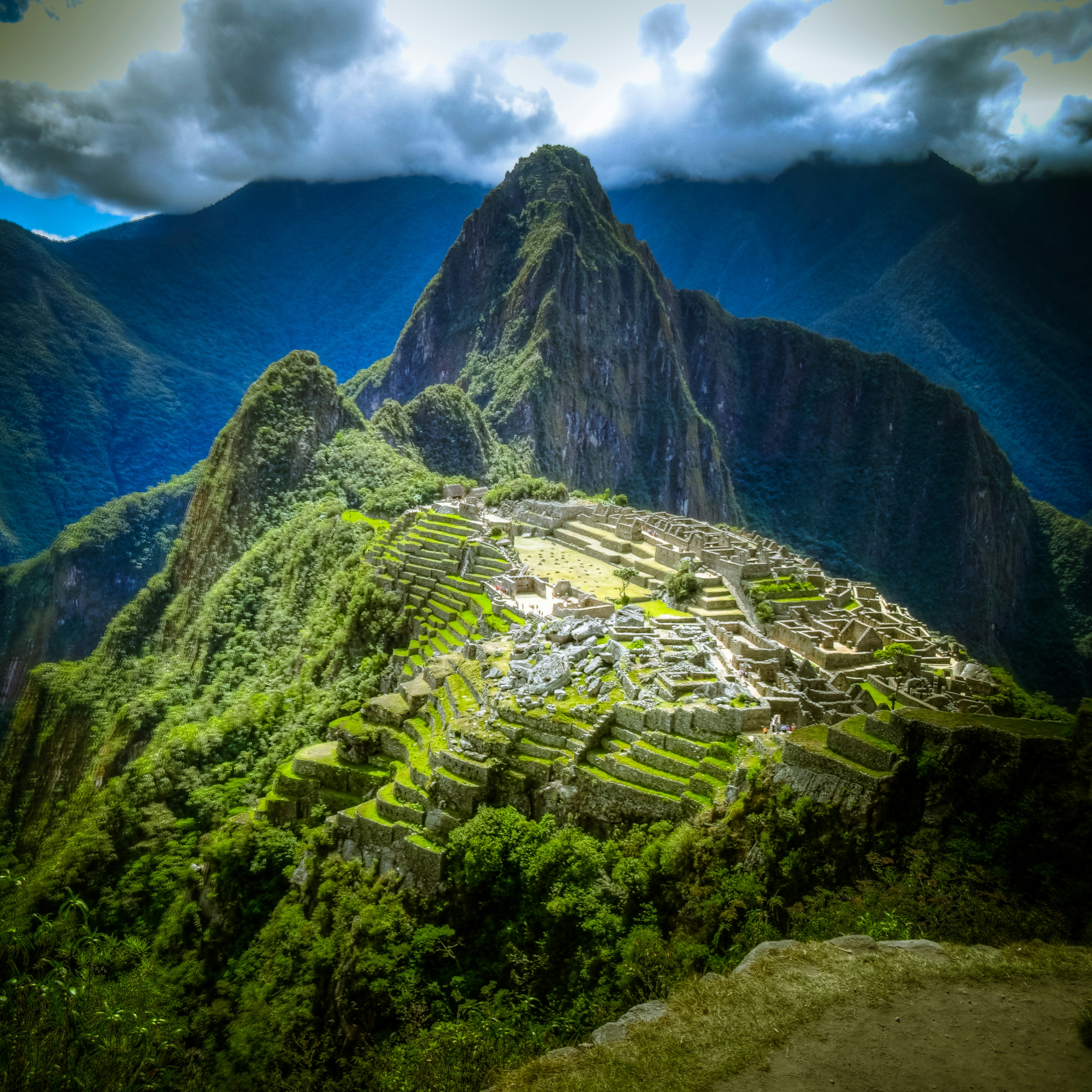
The Inca Trail is the world’s most famous archaeological trek - a 43km route through cloud forests, high-altitude passes, and Inca ruins that ends with the sunrise entry through the Sun Gate (Intipunku) into Machu Picchu. Approximately 75,000 people complete it each year, making careful planning essential.
The Basics
Route: Km 82 trailhead (near Ollantaytambo) to Machu Picchu, via Dead Woman’s Pass (4,215m). Duration: 4 days, 3 nights camping. Distance: Approximately 43km. Maximum altitude: 4,215m (Dead Woman’s Pass, Day 2). Difficulty: Moderate to challenging. Season: Open March 1 – January 31 (closed throughout February for maintenance). Daily limit: 500 people per day total (trekkers + guides + porters), making permits the bottleneck.
Permit System
All Inca Trail treks must be booked through a Ministry of Culture-licensed operator. You cannot trek independently. The government issues a set number of permits per day, distributed across licensed agencies. Permits are non-transferable and require your passport number on the permit - carry your passport on the trek.
How to book:
- Contact a licensed Inca Trail operator in Cusco or online.
- Pay a deposit (typically USD 100–USD 200) to secure your permit.
- Provide passport number (required for the permit registration).
- Balance is due approximately 2–4 weeks before departure, depending on the operator.
The main booking competition is for May, June, July, and August. For these months, check permit availability in October of the prior year, when the following year’s permits are released.
Recommended Operators
Alpaca Expeditions - Well-established Cusco operator with strong guide standards and fair porter conditions. 4-day Inca Trail packages from approximately USD 650 per person in group tours as of 2026. Private tours approximately USD 950–USD 1,200 per person. Known for excellent campsite management and certified mountain guides.
Peru Treks and Adventures - One of the most respected operators for the Inca Trail, with strong emphasis on porter welfare (certified by the Porter Protection Programme). 4-day group tours from approximately USD 630 per person as of 2026.
Inca Trail Reservations - Good mid-range option with a mix of group and private departures. Group tours from approximately USD 580–USD 650 per person; private departures from approximately USD 900 as of 2026.
G Adventures - International operator with strong social responsibility policies, operating Inca Trail tours as part of wider Peru itineraries. Group departures from approximately USD 600–USD 750 per person as of 2026.
You can compare all four operators and check permit availability for your dates through our Inca Trail tours listings.
What’s Typically Included
A standard Inca Trail package covers:
- Government trail permit
- Licensed guide (English-speaking on quality tours)
- Porters (to carry communal equipment - trekkers carry their own daypack)
- All meals on trail (breakfast, lunch, dinner, snacks)
- Camping equipment (tent, sleeping mat - some operators provide sleeping bags)
- Bus from Aguas Calientes back to Ollantaytambo or Cusco after visiting Machu Picchu
Not typically included:
- Entry fee to Machu Picchu (approximately USD 20–USD 45 depending on circuit)
- Trekking poles (rent from operator for approximately S/15–S/25)
- Sleeping bag if operator does not provide one
- Tips for guides and porters (strongly recommended: approximately USD 20 for guide, USD 40 for the whole porter team)
Day-by-Day Route
Day 1: Km 82 to Wayllabamba (13km, moderate, 3–4 hours) The trail begins at the Km 82 checkpoint (2,800m), crossing the Urubamba river. The day follows the river through cloud forest and past the Llactapata Inca site. Camp at Wayllabamba village (3,000m). Moderate day; good opportunity to test gear.
Day 2: Wayllabamba to Pacaymayu (12km, very hard, 8–10 hours) The hardest day. A long, steep ascent to Abra de Warmiwañuska (Dead Woman’s Pass, 4,215m) - the highest point on the trail. The descent into Pacaymayu camp (3,550m) is steep and knee-testing. Start early; most trekkers leave camp by 05:30–06:00.
Day 3: Pacaymayu to Wiñay Wayna (15km, hard, 8–9 hours) Two more passes (Abra Runkurakay, 3,985m, and Abra de Phuyupatamarca, 3,640m) with descents between. The Runkurakay and Sayacmarca Inca ruins are visited en route. The day ends with a long stone-step descent to the spectacular Wiñay Wayna ruins (2,650m) and the final camp below them.
Day 4: Wiñay Wayna to Machu Picchu (3km, short, 2 hours) + Machu Picchu visit Wake at 04:00. The final approach to Intipunku (Sun Gate, 2,720m) takes approximately 1.5 hours in the dark. At sunrise, the first view of Machu Picchu from above is the defining moment of the trek. Descend to the site and spend the morning exploring; exit via bus to Aguas Calientes for lunch, then afternoon train back to Cusco.
Practical Preparation
Fitness: Begin cardiovascular training (hiking with a loaded pack, running, cycling) at least 8 weeks before departure.
Acclimatisation: Non-negotiable. Arrive in Cusco (3,400m) at least 2 days before starting the trail. Do one acclimatisation day hike.
Gear checklist:
- Waterproof hiking boots (broken in)
- Trekking poles
- Waterproof jacket
- Warm base layers and a down jacket (nights reach 5°C or below)
- Headlamp and spare batteries
- High-SPF sunscreen
- Personal first aid kit
- 2 litres water capacity (filled at checkpoints)
Altitude tip: Carry altitude medication. The ascent to 4,215m on Day 2 affects some trekkers even after acclimatisation.
Best Time to Trek
Optimal: May and September. Dry conditions; below-peak competition for permits. Good: June, August (excellent weather but permit competition highest). Challenging but possible: March, April, October (some rain; greener landscapes; permit availability easier). Not recommended: January (heavy rain, very muddy); February (trail closed).
If permits are sold out, the Salkantay Trek is the most popular alternative route to Machu Picchu and requires no government permit. For a full comparison of all permit-free routes - including the Lares Trek, Huchuy Qosqo, and the longer Choquequirao Trek - see our Inca Trail alternatives guide. Browse Inca Trail tours to check availability and compare operators.
Top Inca Trail Tours on GetYourGuide
Inca Trail permits sell out months ahead in peak season, so booking through an established operator on GYG is often the most reliable route to a confirmed permit. Prices below are starting rates from verified GYG listings as of 2026 and include the government permit unless noted.
| Tour | Duration | What’s included | From |
|---|---|---|---|
| Classic 4-Day Inca Trail Trek to Machu Picchu | 4 days | Certified guide, licensed porters, all camping equipment, 3 meals/day, Inca Trail permit, Machu Picchu entry | $470 per person |
| 4-Day Inca Trail Small Group (max 8 trekkers) | 4 days | Certified guide, porters, camping equipment, full catering, permit, small-group guarantee | $750 per person |
| 4-Day Inca Trail with Scenic Vistadome Train Return | 4 days | Guide, porters, camping equipment, meals, permit, panoramic Vistadome train from Aguas Calientes | $930 per person |
Booking tips: Permits are allocated a year in advance and released in batches; licensed operators often hold allocations that are unavailable through the government site. If a tour shows availability, the permit is typically included. Book by October–November for peak June–August slots. Browse available Inca Trail dates
Inca Trail: More Resources
- Machu Picchu Tours - Day trips and multi-day packages from Cusco including train and guided options.
- Machu Picchu Tickets - Entry tickets must be booked separately from the Inca Trail permit.
- Machu Picchu History - The archaeological and historical background on the site the trail ends at.
- Salkantay Trek - The most popular permit-free alternative, passing snow-capped Salkantay.
- Choquequirao Trek - The harder, quieter alternative for trekkers wanting true solitude.
- Inca Trail Alternatives - Full comparison of all permit-free routes to Machu Picchu.
- Aguas Calientes Travel Guide - The town at the base of Machu Picchu where the trail ends.
- Cusco Travel Guide - The staging city for all Inca Trail departures.
- Altitude Sickness in Peru - The trail reaches 4,215m - acclimatise in Cusco first.