Ten days gives Peru enough room to breathe. You can cover Lima’s food scene, acclimatise properly in Cusco, walk the Sacred Valley without rushing, stand at Machu Picchu on a full day rather than a frantic half-day, and still reach Arequipa - the country’s most underrated city - before flying home. Booking Peru tours for the headline activities (Machu Picchu entrance, Sacred Valley day trip, Colca Canyon overview) ahead of departure removes the logistical pressure once you land.
The routing below uses internal flights where the alternative is a punishing overnight bus. Those flights add cost but recover a full day of travel that would otherwise be lost.
Day 1 - Lima: Arrive and Settle In Miraflores
Land at Lima’s Jorge Chávez International Airport (LIM) and transfer to Miraflores, the coastal district where most visitors base themselves. The Miraflores–airport transfer costs approximately USD 15–20 by authorised taxi or USD 8–12 via InDriver or Cabify. Journey time is 30–45 minutes outside peak hours.
Use the afternoon to walk the Malecón boardwalk above the Pacific cliffs, browse Parque Kennedy, and get your bearings. Don’t try to pack in museums on arrival day - save energy.
Dinner: Central Lima’s food scene is world-class but Day 1 keep it local to Miraflores. Tanta (Av. Salaverry 3230, approximately USD 15–25 per person) by Gastón Acurio offers approachable Peruvian classics. For a splurge: Astrid y Gastón (Casa Moreyra, approximately USD 60–100 per person tasting menu) is one of Latin America’s finest restaurants.
Where to stay - Day 1 & 2:
- Budget: Selina Miraflores - from approximately USD 20/night dorm, USD 60 private room
- Mid-range: Hotel B (Barranco) - from approximately USD 120/night, boutique hotel in a restored 1914 mansion
- Luxury: Belmond Miraflores Park - from approximately USD 350/night, ocean-view rooms above the cliffs
Day 2 - Lima: Culture, Food Markets and Barranco
A full day in Lima. Start at Huaca Pucllana (Calle General Borgoño, entry approximately USD 4 as of 2026, open 9am–5pm) - an adobe pyramid in the middle of the Miraflores suburb, built around 500 AD. The context for later Inca sites is useful.
Afternoon: take a taxi to Barranco (10 minutes, approximately USD 4), Lima’s bohemian neighbourhood. Walk the Puente de los Suspiros (Bridge of Sighs), browse the small galleries on Av. Pedro de Osma, and stop at the Dedalo Arte y Artesanía craft market for quality textiles.
Lunch: Isolina Taberna in Barranco (Av. San Martín 101, approximately USD 12–20 per person) - traditional Lima home cooking, legendary chicharrón sandwiches.
Dinner: Surquillo Market (Mercado de Surquillo) - not a restaurant but worth an early evening visit for ceviche at market counters, approximately USD 5–8 per plate. Local and excellent.
Day 3 - Fly Lima to Cusco: Acclimatisation Day
Flight: LATAM, Sky Airline, or JetSmart, Lima (LIM) → Cusco (CUZ). First departure is typically 6:00am. Book the earliest flight to maximise your afternoon. Cost: approximately USD 80–150 each way, booked in advance.
Arrive in Cusco (~3,400m altitude) by mid-morning. Do not plan sightseeing today. Altitude affects most visitors - headache, fatigue, and shortness of breath are normal. Check in, drink coca tea from the hotel, rest horizontally for 2–3 hours, and take a slow afternoon walk around Plaza de Armas (free, always open) - enough to orient yourself without overexerting.
Dinner: Chicha por Gastón Acurio (Plazoleta Regocijo 261, approximately USD 18–30 per person) - Cusqueño cuisine done well, warm interior, good pisco sours.
Where to stay - Days 3, 4, 5:
- Budget: Pariwana Hostel Cusco - from approximately USD 15/night dorm, USD 50 private
- Mid-range: Inkaterra La Casona - from approximately USD 180/night, beautifully restored colonial mansion on the Plaza de Armas
- Luxury: Belmond Palacio Nazarenas - from approximately USD 500/night, adults-only, heated outdoor pool, best location in Cusco
Day 4 - Cusco: City Sightseeing and Sacred Valley Overview
By Day 4 most visitors feel significantly better at altitude. Start the morning with Cusco’s headline sites:
Qorikancha and the Church of Santo Domingo (Plaza Intipampa, entry approximately USD 3 as of 2026, open 8am–5:30pm Monday–Saturday). The Inca Sun Temple’s stonework is the finest in Cusco - the Spanish built a church directly on top of it, and you can see both layers clearly.
San Pedro Market (Calle Santa Clara, open daily from 6am, free entry) - Cusco’s main covered market. Buy local fruit, try api morado (warm purple corn drink, approximately USD 1), and watch the city operate normally.
Afternoon: pre-book a half-day Sacred Valley overview tour (approximately USD 25–45 per person with transport) covering Pisac market and the Pisac ruins above town. The ruins sit at 3,350m and command views across the valley - not as dramatic as Machu Picchu but far less crowded.
Dinner: El Encuentro (Calle Santa Catalina Angosta 384, approximately USD 10–18 per person) - reliable Andean food at fair prices, popular with locals.
Day 5 - Sacred Valley: Ollantaytambo and Maras
Take a private taxi or join a group tour from Cusco to the Sacred Valley floor (approximately 1.5 hours each way). Today covers two sites:
Ollantaytambo (entry included in Cusco Tourist Ticket - approximately USD 40 for the full ticket as of 2026, valid 10 days). The temple fortress above the town is one of the best examples of Inca urban planning anywhere - massive stone terraces, a functioning ancient irrigation channel, and a small town where the street grid has been continuously occupied since the 15th century.
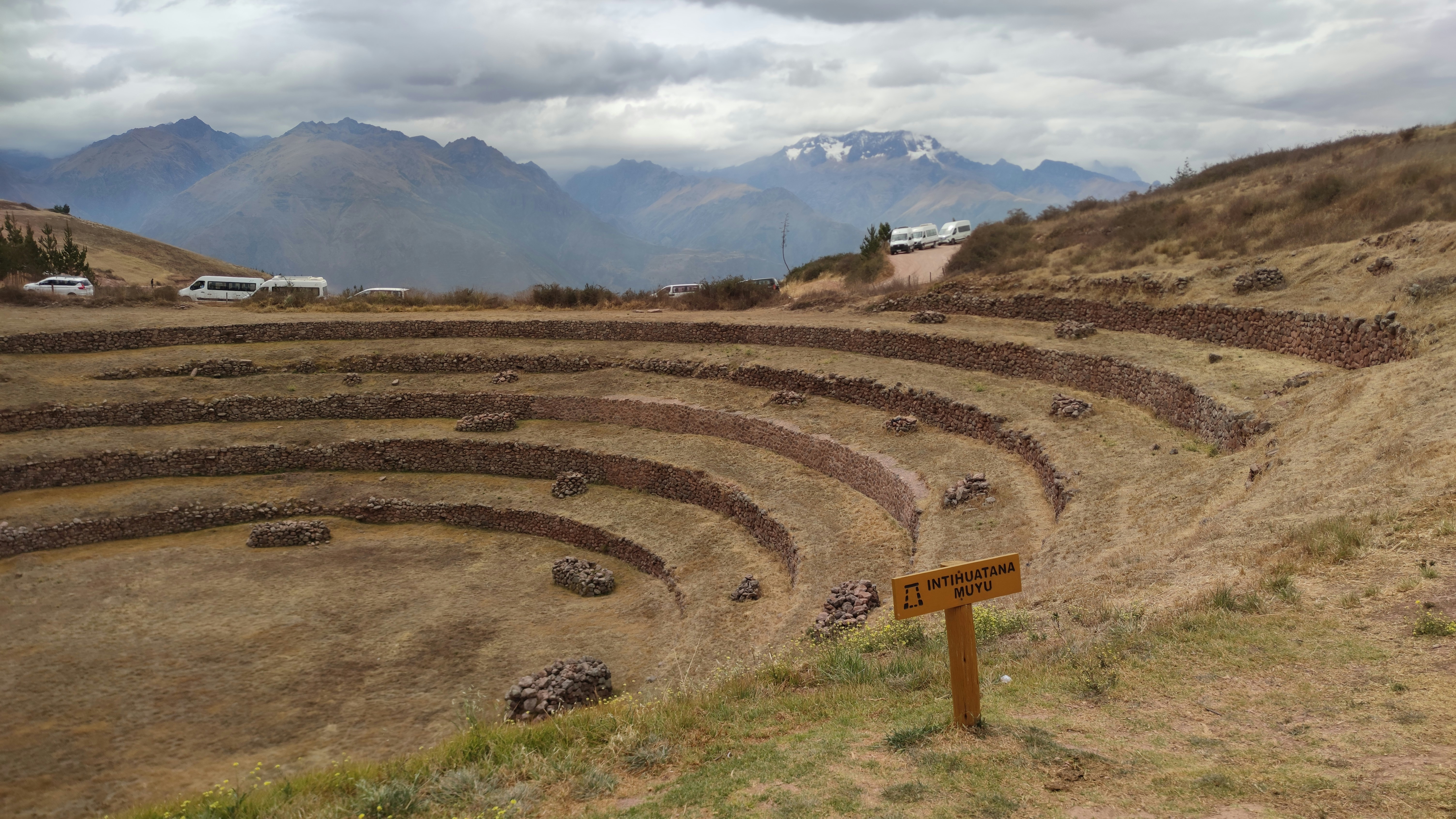
Maras Salt Mines (Salineras de Maras, entry approximately USD 3 as of 2026). Three kilometres of terraced salt evaporation ponds - thousands of small white pools cut into the hillside above the valley. Surreal and photogenic. Early morning or late afternoon light is best.
Lunch in Ollantaytambo: Hearts Café (Calle Convención, approximately USD 8–14 per person) - reliable sandwiches and Andean soups; profits support local children’s programmes.
Return to Ollantaytambo in the afternoon to board the PeruRail or Inca Rail train to Aguas Calientes. Trains depart Ollantaytambo for Aguas Calientes approximately 5 times daily. Cost: from approximately USD 60 one-way (Expedition/Voyager class) to USD 250+ (Hiram Bingham luxury service). Journey time: approximately 1.5–2 hours. Book at perurail.com or incarail.com.
Where to stay - Day 5 (Aguas Calientes):
- Budget: Hostal Machu Picchu - from approximately USD 35/night
- Mid-range: Sumaq Machu Picchu Hotel - from approximately USD 180/night, outdoor pool
- Luxury: Belmond Sanctuary Lodge - from approximately USD 900/night, the only hotel directly at the Machu Picchu entrance gate
Day 6 - Machu Picchu: Full Day at the Citadel
The early bus from Aguas Calientes to Machu Picchu gate departs at 5:30am - take it. Early entry before 8am gives 60–90 minutes before tour groups arrive, and the low-angle morning light is exceptional. Bus tickets: approximately USD 12 round trip, buy in advance at consettur.com.
Machu Picchu entry: Book official tickets at machupicchu.gob.pe. As of 2026, entry costs approximately USD 50–90 depending on the circuit selected (Circuit 1 covers most of the citadel). Daily capacity is 5,600 visitors; tickets for 6am–8am entry sell out first. Book 4–8 weeks ahead for May–September travel.
Optional add-on: Huayna Picchu Mountain. The steep peak above the citadel requires a separate ticket (approximately USD 15–20 extra as of 2026, limited to 400 people per day). Book simultaneously with your Machu Picchu ticket - sold out weeks in advance in high season. The 1.5-hour return climb involves fixed ropes and near-vertical sections; not suitable for those uncomfortable with heights.
Allow 3–4 hours to walk all three citadel circuits. The Sun Gate (Inti Punku) adds another 45 minutes return from the main site and offers the classic Machu Picchu aerial view.
Return to Aguas Calientes by mid-afternoon, take the train back to Cusco (or Ollantaytambo + taxi). Spend the evening in Cusco or transfer to Arequipa the following morning.
Day 7 - Fly Cusco to Arequipa
Flight: LATAM or Sky Airline, Cusco (CUZ) → Arequipa (AQP). Journey time approximately 1 hour. Cost: approximately USD 60–120 each way. Alternative: Cruz del Sur luxury bus (approximately USD 30–45, journey time 9–10 hours) - a reasonable overnight option if budget is the priority.
Arequipa sits at 2,300m - noticeably lower than Cusco - and most visitors immediately feel more energetic on arrival. The city is built from pale volcanic sillar stone, giving the historic centre a distinctive white glow. Check in and spend the afternoon exploring the Plaza de Armas and its 17th-century cathedral.
Dinner: La Nueva Palomino (Leoncio Prado 122, Yanahuara, approximately USD 15–25 per person) - the best traditional Arequipeño cooking in the city. Order the rocoto relleno (stuffed spicy pepper) and adobo de cerdo.
Where to stay - Days 7, 8:
- Budget: La Posada del Puente - from approximately USD 45/night, riverside location
- Mid-range: Casa Andina Premium Arequipa - from approximately USD 110/night, rooftop pool with El Misti volcano views
- Luxury: Hotel Libertador Arequipa - from approximately USD 200/night, colonial architecture, large gardens
Day 8 - Arequipa: Santa Catalina Monastery and Colca Canyon Overview
Morning: Santa Catalina Monastery (Santa Catalina 301, entry approximately USD 15 as of 2026, open 9am–8pm). A 20,000 square metre walled convent city within the city - narrow cobbled lanes, vibrantly painted walls, and 400 years of history. Allow 2–3 hours. Arrive at opening to beat the tour groups.
Afternoon: Two options depending on preference:
Option A - Colca Canyon overview tour (full day, leaving early): Most tour operators run combined Arequipa–Colca excursions that depart Arequipa at 3am–4am and return by 7pm. The canyon (one of the world’s deepest) is 160km from Arequipa; the Cruz del Cóndor viewing point is where Andean condors soar on morning thermals. Tours: approximately USD 35–60 per person excluding Colca entry fee (approximately USD 25 as of 2026). Book with Colca Trek or Illary Tours in Arequipa. This option requires an early Day 8 start - check if it fits your schedule.
Option B - Yanahuara viewpoint and city afternoon: Walk 20 minutes from the centre to the Yanahuara Mirador for panoramic views of El Misti volcano above the city (free). Visit the Juanita Mummy Museum (Mercaderes 110, approximately USD 5 as of 2026) - the 500-year-old Inca ice maiden found on Ampato volcano. A compelling display.
Dinner: Zig Zag Restaurant (Zela 210, approximately USD 20–35 per person) - meat and alpaca dishes grilled on volcanic stone, in a two-storey colonial building.
Day 9 - Arequipa: Departure Prep and Relaxed Morning
A buffer day. If you opted out of the Colca day tour yesterday, do it today (most operators run daily departures). Otherwise: rest, revisit the market halls around San Camilo, buy quality alpaca textiles (Alpaca 111, La Iberica chocolates), and prepare for tomorrow’s departure.
San Camilo Market (Perú 114, open daily from 6am) - the best food market in Arequipa. Breakfast counters offer queso helado (Arequipa’s famous cold cheese dessert, despite the name), fresh bread, and local cheeses.
Late afternoon: pack and transfer to Arequipa Airport (AQP) for check-in procedures, or confirm your connection.
Day 10 - Fly Arequipa to Lima: Depart
Flight: LATAM or Sky Airline, Arequipa (AQP) → Lima (LIM). Journey time approximately 1.5 hours. Cost: approximately USD 60–100. Connections to international departures operate through Lima’s Terminal Internacional (T2). Allow minimum 3 hours connection time from LIM domestic arrival (T1) to international departure - the inter-terminal transfer takes 15–20 minutes.
If your international flight departs the following day, base yourself near the airport in San Isidro or back in Miraflores for a final Lima dinner.
Transport Summary
| Leg | Mode | Approx. Cost | Journey Time |
|---|---|---|---|
| Lima airport → Miraflores | Taxi/rideshare | USD 8–20 | 30–45 min |
| Lima → Cusco | LATAM/Sky/JetSmart flight | USD 80–150 | 1.5 hours |
| Cusco → Sacred Valley | Private taxi or tour | USD 25–50 (incl. stops) | 1.5 hours |
| Ollantaytambo → Aguas Calientes | PeruRail/Inca Rail train | USD 60–250 | 1.5–2 hours |
| Aguas Calientes → Machu Picchu | Consettur bus | USD 12 return | 30 min |
| Cusco → Arequipa | LATAM/Sky flight | USD 60–120 | 1 hour |
| Cusco → Arequipa | Cruz del Sur bus | USD 30–45 | 9–10 hours |
| Arequipa → Lima | LATAM/Sky flight | USD 60–100 | 1.5 hours |
Budget Overview
| Category | Budget (10 days) | Mid-Range | Luxury |
|---|---|---|---|
| Accommodation | USD 200–350 | USD 900–1,400 | USD 3,500+ |
| Internal flights (3 legs) | USD 200–350 | USD 250–400 | USD 350–500 |
| Machu Picchu entry + train | USD 110–140 | USD 140–200 | USD 200–400 |
| Tours and activities | USD 80–150 | USD 200–400 | USD 600–1,200 |
| Food and drink | USD 100–180 | USD 300–500 | USD 700–1,500 |
| Local transport | USD 30–60 | USD 60–120 | USD 150–300 |
| Estimated total | USD 720–1,230 | USD 1,850–3,020 | USD 5,500–9,900 |
All figures exclude international flights and are approximate as of 2026. Prices change seasonally - peak season (June–August) runs 15–25% higher for accommodation.
Search hotels in Lima on Booking.com
Booking Essentials
- Machu Picchu tickets: machupicchu.gob.pe - book 4–8 weeks ahead
- Aguas Calientes bus: consettur.com
- Trains (Ollantaytambo → Aguas Calientes): perurail.com or incarail.com
- Internal flights: LATAM.com, Sky Airline, JetSmart - book 4–6 weeks out for best fares
- Tours and guided experiences: Browse Peru tours
When to Go
Best months: May–September (dry season). June and July offer the lowest rainfall in Cusco and the Sacred Valley but also the highest tourist volumes - book everything earlier. April, May, September, and October are the sweet spot: good weather, thinner crowds, often lower accommodation prices.
Avoid January–March in the highlands - the Inca Trail closes for maintenance in February and heavy rains can affect transport links. Lima is pleasant year-round, though overcast May–November.
Related Itineraries
If 10 days feels short, our 2-week Peru itinerary adds Lake Titicaca and a deeper Amazon option. Short on time? The 1-week Peru itinerary compresses the Lima–Cusco–Machu Picchu circuit into 7 days. Spending extra time in the capital? The 3-day Lima guide covers the city in detail. If you’re finalising your activities at the last minute, our last-minute tours page has same-week availability across Lima, Cusco, and Machu Picchu.
Book Your Trip
- Flights - Find the best fares to Peru
- Travel Insurance - Get covered before you go
- eSIM - Stay connected from landing
- Airport Transfers - Pre-book your transfer from Lima Jorge Chavez Airport
- Car Rental - Compare prices across providers
- Tours & Activities - Browse Peru tours on GetYourGuide