Food & Drink
Cuy in Peru: Guinea Pig Culture, Taste & Where to Eat It
Cuy (guinea pig) has been an Andean staple for 5,000 years. What it tastes like, how it's cooked, and the best restaurants in Cusco, Arequipa, and Lima.
Peruvian Cuisine
Peruvian food is one of the world's great cuisines: and arguably the least understood outside South America. Lima consistently places more restaurants in the World's 50 Best list than any other city in the region. Central, Maido, Kjolle, and Astrid y Gastón have all held top positions. But the real story of Peruvian food is not fine dining: it is the extraordinary depth of everyday cooking built from three thousand years of civilisation, three distinct ecosystems (coast, mountains, jungle), and waves of Chinese, Japanese, and African immigration.
The key ingredient across Peruvian cooking is ají: the broad family of Peruvian chilli peppers. Ají amarillo (bright yellow, fruity heat) is in nearly everything. Ají panca (deep red, smoky) is in marinades and braises. Rocoto (vivid red, fierce heat) is Arequipa's province. Understanding these three peppers unlocks most of the menu.
Each city guide includes a dedicated food page covering must-eat dishes, local specialities, and where to eat them.
Eight dishes that represent the depth and regional variety of Peruvian cuisine, from Lima's cevicherías to Arequipa's picanterías.
Peru's national dish: raw fish (typically sole or sea bass) cured in lime juice with red onion, ají amarillo chilli, and coriander. Served with cancha corn and sweet potato. The acid from the lime "cooks" the fish. Lima's cevicherías are among the best restaurants in South America. Served at lunch only, not in the evening.
The definitive Peruvian stir-fry: strips of beef, tomatoes, onions, and ají amarillo wok-fried with soy sauce, then served with chips and rice. A fusion of Chinese and Peruvian cooking that dates to the 19th-century Cantonese immigration. Found everywhere from street stalls to Lima's best restaurants.
A layered cold terrine made from seasoned yellow potato dough (with lime and ají amarillo) filled with tuna, chicken, or avocado and topped with mayonnaise and olives. A Lima classic. The potato base is dense, bright yellow from the chilli, and slightly tangy. A reliable starter in any Lima restaurant.
Shredded chicken in a creamy sauce made from ají amarillo, bread, walnuts, and Parmesan cheese, served over rice with boiled potato and a black olive. Rich, slightly nutty, and moderately spicy. A comforting home-cooking staple and one of the dishes that defines everyday Peruvian food outside tourist areas.
Skewered and grilled beef heart marinated in ají panca, vinegar, garlic, and cumin. A street food staple sold at carts from the late afternoon onwards. The texture is firm and lean; the flavour is smoky and intensely savoury. Served with boiled potato and peanut sauce. Try them on Surquillo market's evening stalls.
Arequipa's signature dish: a rocoto pepper (significantly hotter than a bell pepper) stuffed with spiced minced beef, onions, egg, and olives, topped with melted cheese and baked. Unavoidable on any menu in Arequipa. The heat level varies; local versions are significantly spicier than tourist-facing ones.
Arequipa's prized shrimp chowder: a thick, rich soup made with river prawns from the Majes and Ocoña rivers, potatoes, ají panca, eggs, and milk. A Sunday lunch institution in Arequipa. The prawns are large and flavourful; the soup is deeply warming at altitude. Order it at a picanterías (traditional Arequipa restaurant).
Peru's national cocktail: pisco (grape brandy) shaken with lime juice, egg white, simple syrup, and Angostura bitters. Frothy, citrusy, and stronger than it tastes. Pisco production is concentrated in Ica, Pisco, and Nazca on the coast. The Peruvian version uses pisco from specific grape varieties; Chile makes a different product.
South America's food capital. Miraflores and Barranco concentrate the highest-end restaurants (Central, Maido, Astrid y Gastón). But the real Lima food experience is Mercado de Surquillo for produce and ceviche, La Lucha for sandwiches, and any hole-in-the-wall cevichería at lunch.
Food guide to Lima →The White City has the most distinct regional cuisine in Peru. Picanterías: traditional restaurants that open at noon and serve until the food runs out: are the definitive Arequipa experience. Rocoto relleno, chupe de camarones, and adobo arequipeño are the dishes to order.
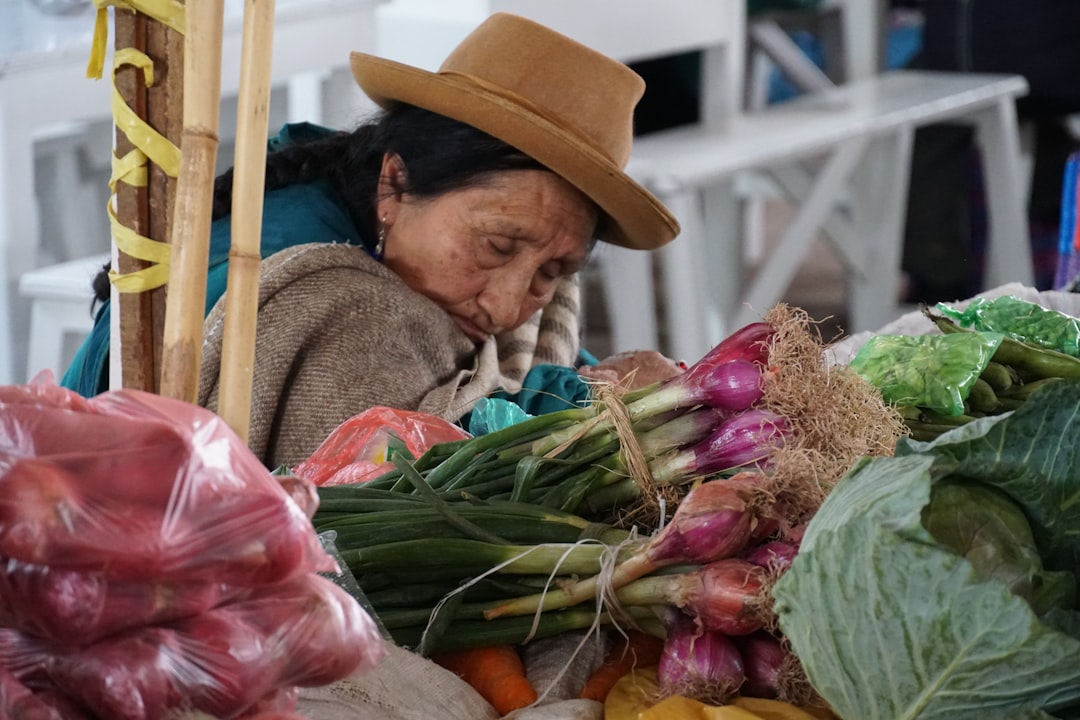
Food guide to Arequipa →Cusco's food scene has improved dramatically. The San Pedro Market is essential for breakfasts of api (purple corn drink) and empanadas. Mercado de San Blas for lunch menus. The Plaza Regocijo area has the best mid-range restaurants. Avoid the tourist menus on the main Plaza de Armas.
Food guide to Cusco →In-depth guides to the cuisine, restaurants, and street food scene.
Cuy (guinea pig) has been an Andean staple for 5,000 years. What it tastes like, how it's cooked, and the best restaurants in Cusco, Arequipa, and Lima.
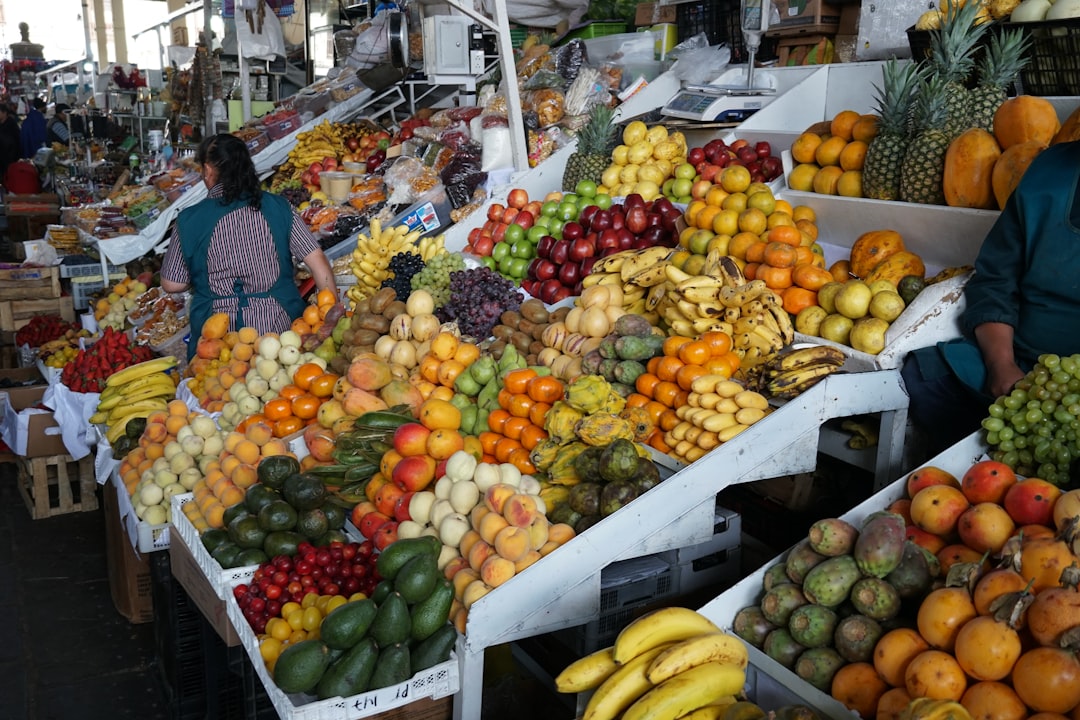
San Pedro market walks, hands-on cooking classes, and street food routes in Cusco - reviewed with prices, operators, and what each tour covers.
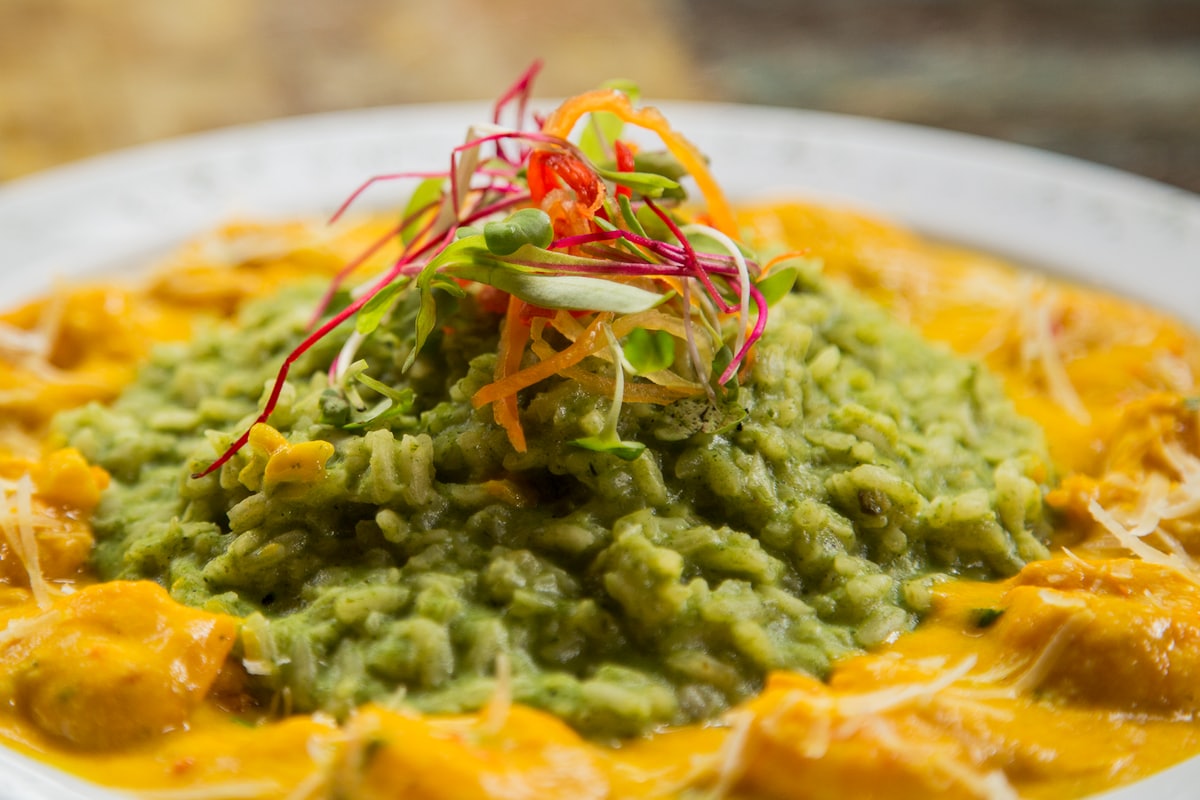
Picanterías, rocoto relleno, chicha de guiñapo, and a culinary tradition that predates Lima's global reputation - Arequipa's food culture explained.
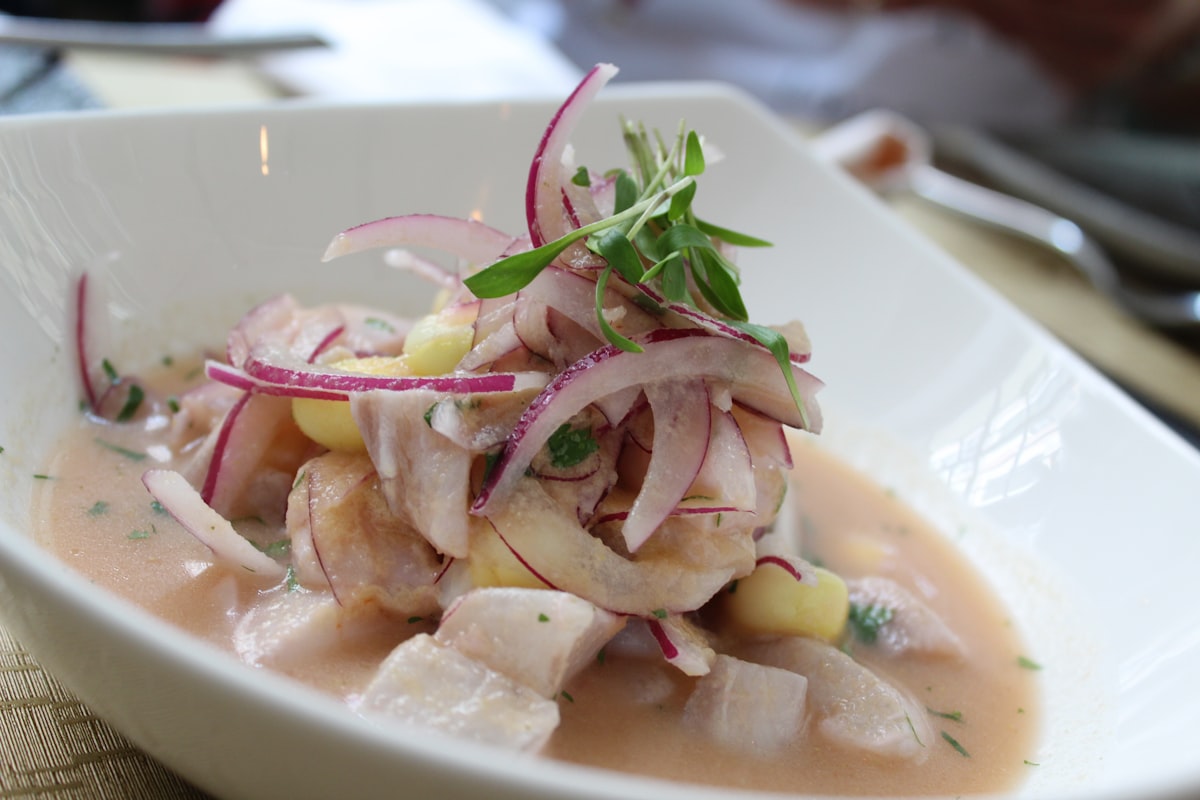
Peruvian ceviche uses raw fish cured in lime leche de tigre. Lima cevicherias, coastal regional variants, and how to read a ceviche menu like a local.
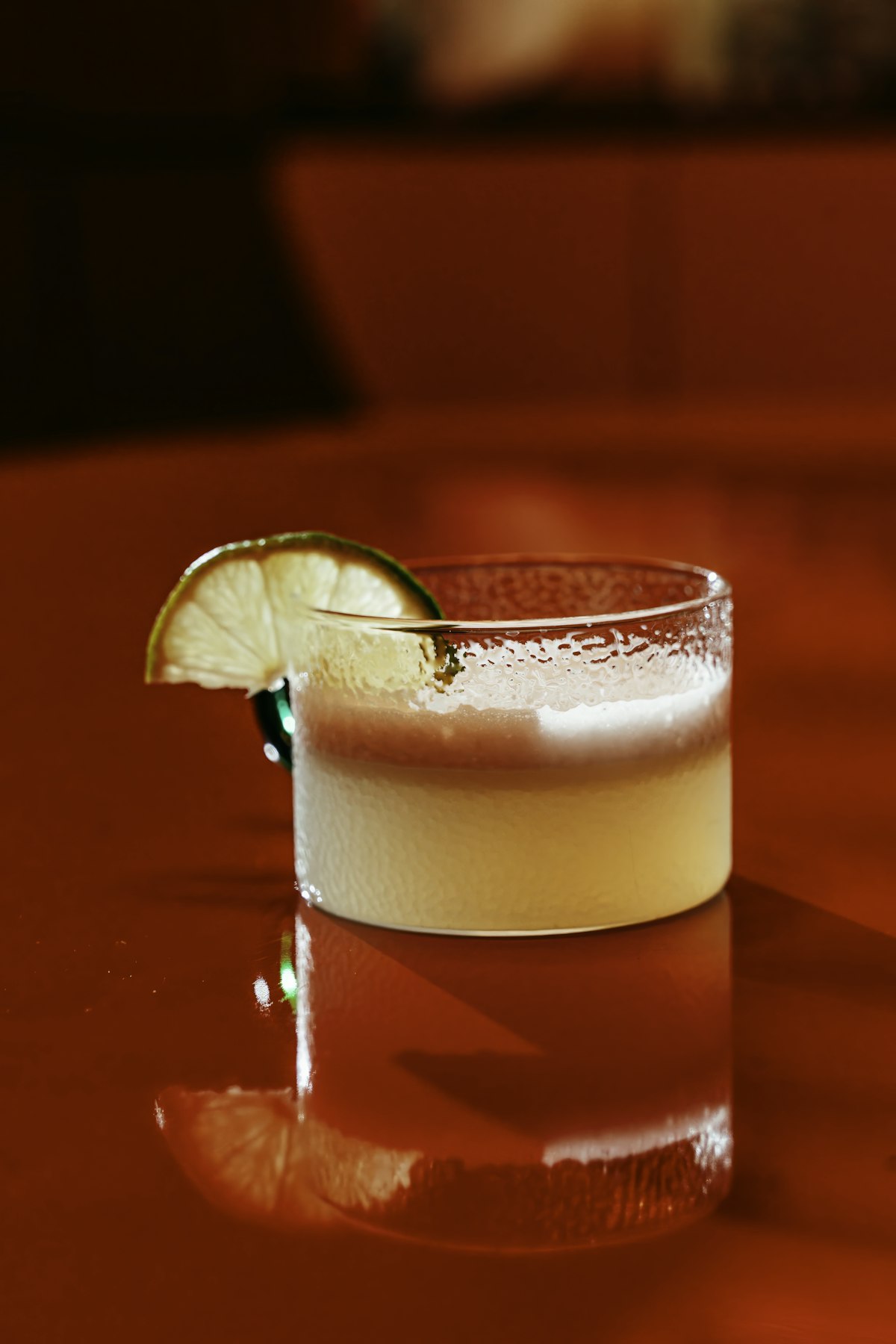
Peru's pisco sour blends quebranta-grape pisco, lime, egg white, and bitters. Explore Lima's top bars and Ica's distillery tours.
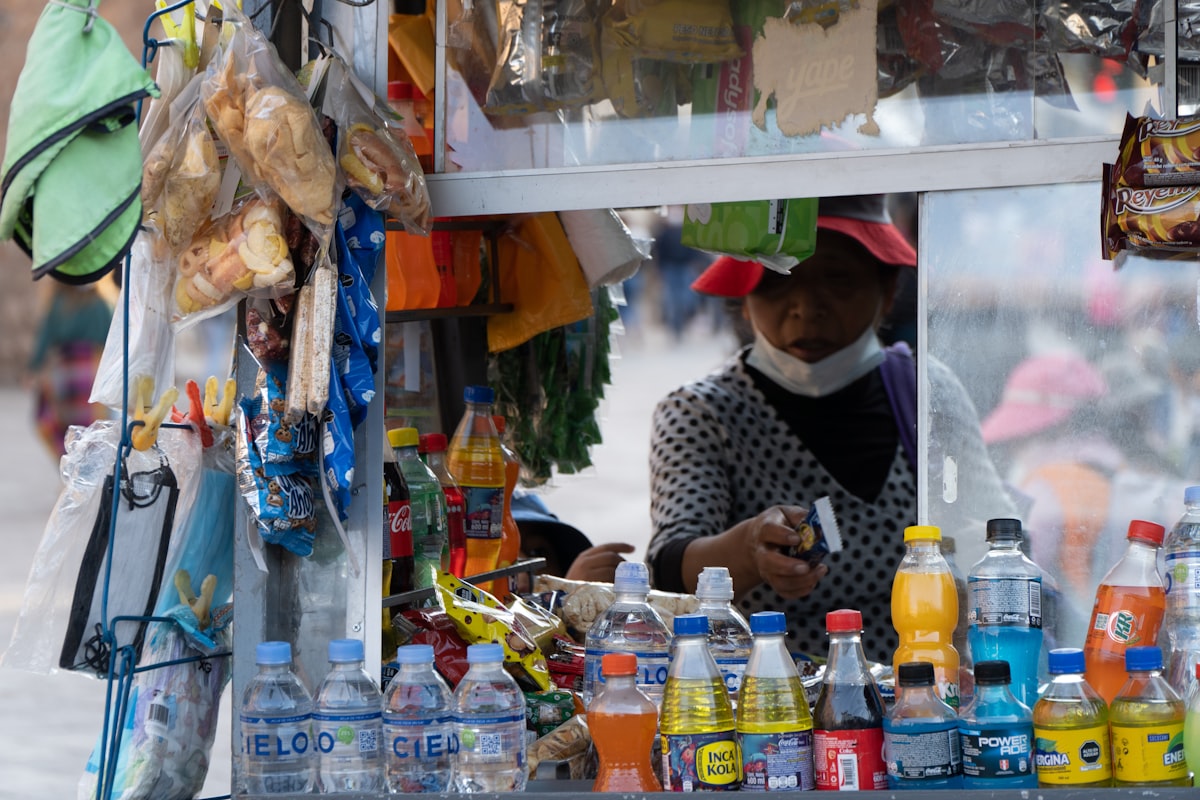
Peru's best street food: anticuchos de corazon at Jiron de la Union, picarones at Mercado Surquillo, and empanadas in Cusco markets - prices from PEN 3.
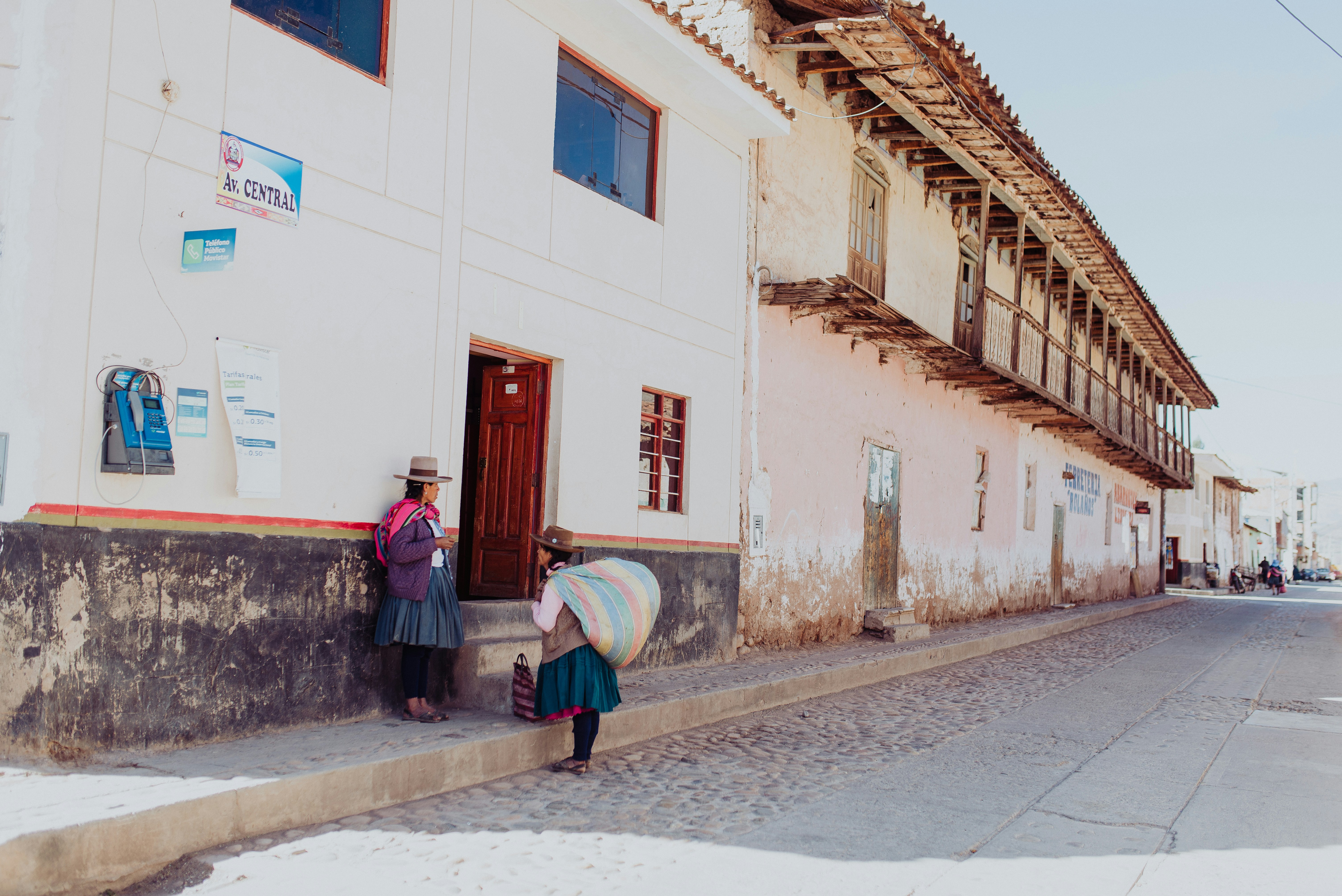
Native potato varieties, chicha traditions, cuy, pachamanca, and the Andean culinary identity of the Inca capital - Cusco food culture explained.
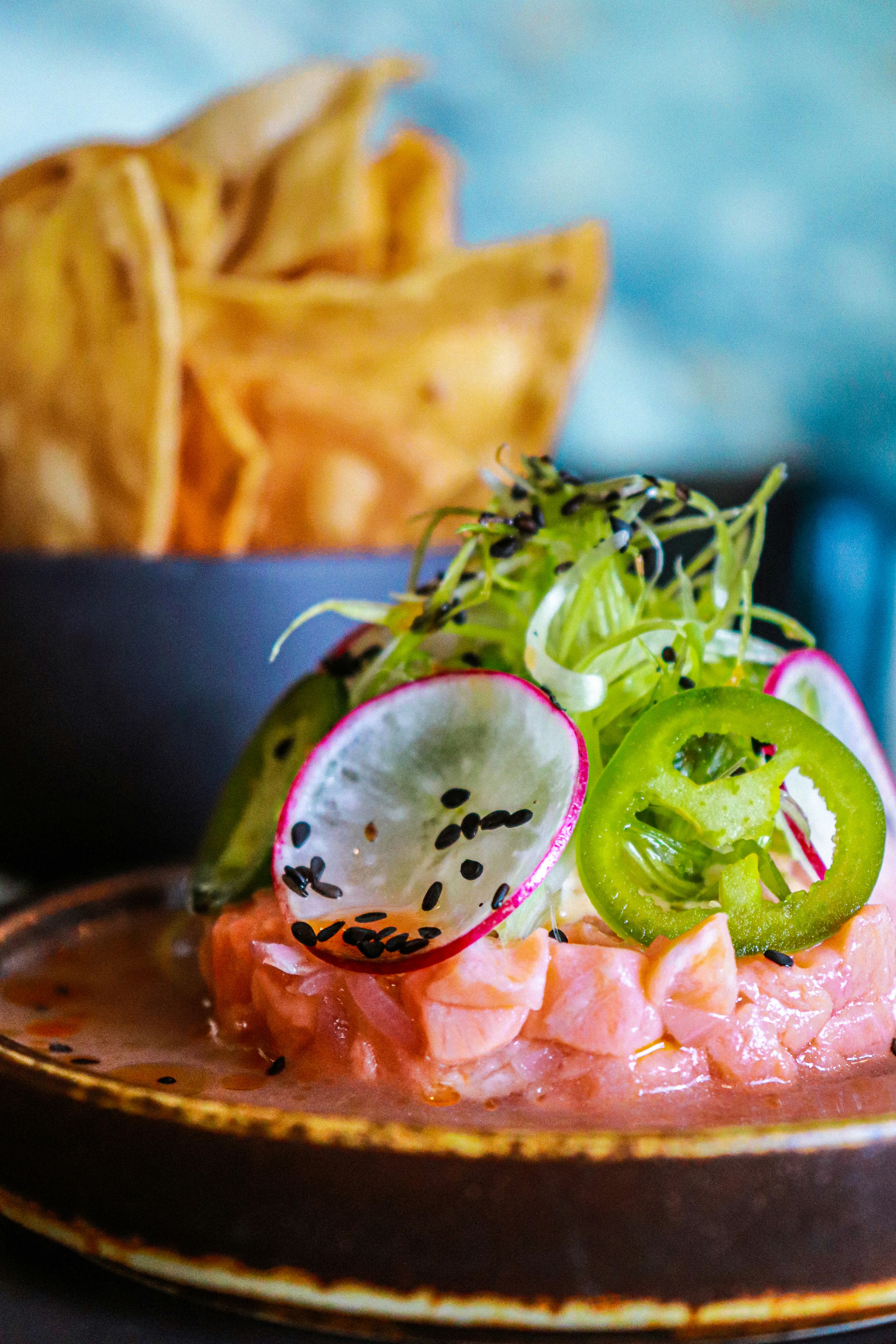
Nikkei and Chifa cuisines define Lima's global food reputation - fusion traditions that merged Japanese, Chinese, and Peruvian ingredients and techniques.
The definitive guide to Peruvian food - ceviche, lomo saltado, causa, anticuchos, cuy, and the regional dishes that make Peru a global food destination.
Book an experience
Guided market visits, cooking classes, and tasting tours in Lima, Cusco, and Arequipa.
Ready to book your Peru adventures?