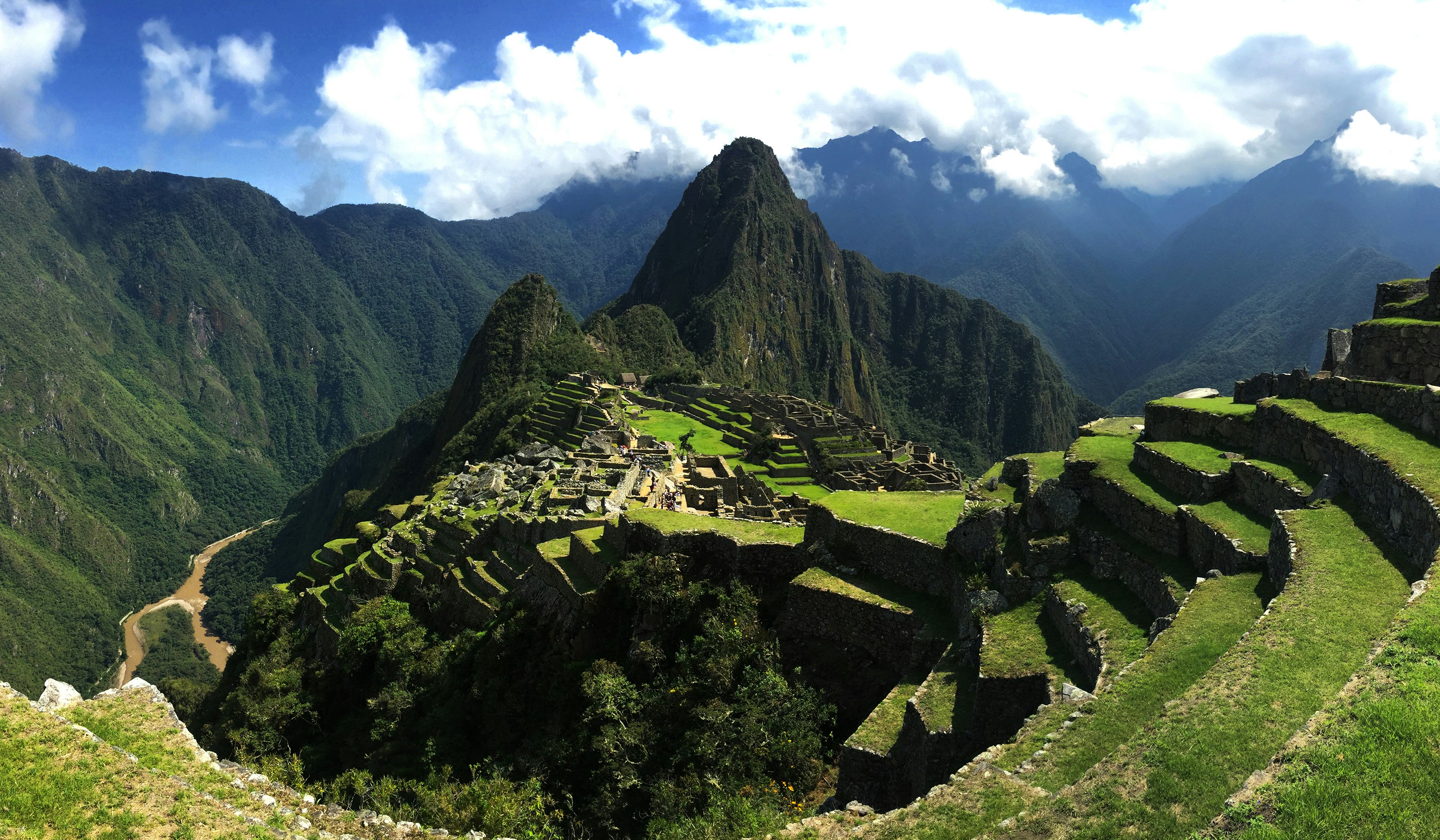
Machu Picchu operates on a timed-entry, pre-booked ticket system. Slots fill weeks - sometimes months - in advance, particularly during the dry season from June through August. Understanding how the booking system works before you travel can mean the difference between walking through the Sun Gate at dawn and watching the citadel close out from your hostel in Aguas Calientes.
The Official Booking Platform
All Machu Picchu tickets must be purchased through the official government portal at machupicchu.gob.pe. The site accepts Visa and Mastercard. You will need to create an account, select your travel date, choose a circuit and time slot, and upload a passport scan for each visitor. Keep the PDF confirmation on your phone - the QR code is scanned at the turnstile.
Third-party booking sites can also secure tickets for you, typically at a small markup of 10–25 USD above face value. This is a reasonable trade-off if the official site is in Spanish and you are uncomfortable navigating it, or if you are booking a bundled tour. Options include GetYourGuide, Tiqets, Klook, Viator, and local agencies. For a full-day guided visit that includes the train, entry, and a licensed guide, see Machu Picchu tours from Aguas Calientes and Cusco.
Ticket Types and Circuit Options
Machu Picchu is divided into four walking circuits. Each has a distinct route through the citadel and a separate ticket. You cannot freely move between circuits once inside.
Circuit 1 - Classic Upper Route The most popular route. Covers the Guardhouse, the iconic panoramic terrace overlook, the Temple of the Sun, the Intihuatana stone, and the Room of the Three Windows. This is the circuit shown in nearly every photograph of Machu Picchu. Entrance from the main gate. Duration: approximately 2–3 hours.
Circuit 2 - Lower Terraces Explores the agricultural sector, the Industrial District, and the Condor Temple. A shorter walk than Circuit 1 but covers areas many visitors skip. Best for those with mobility limitations.
Circuit 3 - Inca Bridge Adds the Inca Bridge trail - a narrow ledge path cut into the cliff face above the citadel. Spectacular and less crowded. Note that the bridge itself is a viewing area; you cannot cross it.
Circuit 4 - Sun Gate (Inti Punku) The original finish point of the Inca Trail. A 45-minute uphill walk from the citadel to the Sun Gate, with sweeping views down to the ruins and up the mountain. Opens early morning; cloud cover often clears by 8am–9am.
Huayna Picchu Add-On
The steep peak behind the citadel is ticketed separately and limited to 400 visitors per day split into two time slots (7:00–8:00am and 10:00–11:00am). The ascent takes approximately 45–60 minutes over very steep stone steps with fixed rope sections. Not suitable for visitors with a fear of heights. Price is approximately 152 soles for the combined Machu Picchu + Huayna Picchu ticket as of 2026. These slots sell out 3–4 months ahead during peak season.
Machu Picchu Mountain Add-On
The mountain behind (and above) the main entrance, accessed from the Agricultural Sector. The ascent takes approximately 90 minutes and reaches 3,082m. Views from the summit are arguably better than Huayna Picchu - you look down on the entire citadel spread across the ridge. Limited to 800 visitors per day. Also ticketed separately and worth booking early.
Current Prices (as of 2026)
| Ticket | Price (Soles) | Notes |
|---|---|---|
| General adult entrance (Circuits 1–2) | approximately 152 | Foreign nationals |
| Student entrance | approximately 77 | Valid ISIC or university ID required |
| Child (under 8) | Free | Must be accompanied by adult ticket holder |
| Machu Picchu + Huayna Picchu | approximately 200 | Very limited daily slots |
| Machu Picchu + Mountain | approximately 200 | 800 slots per day |
| Machu Picchu + Inca Trail segment (4-day) | booked through licensed agencies only | Separate quota system |
Always verify current prices at machupicchu.gob.pe before booking, as the Ministry of Culture adjusts fees periodically.
Time Slots and Daily Limits
The site operates two main entry windows:
- Morning slot: 6:00am–12:00pm
- Afternoon slot: 12:00pm–5:30pm
Morning slots are consistently more popular. Crowds peak around 10:00am–11:00am when day-trippers from Cusco (who travel the 3.5-hour train route) arrive. If you stay overnight in Aguas Calientes, book the 6:00am slot and enter as the gates open - you will have the terraces to yourself for approximately 30–45 minutes.
The total daily cap is approximately 4,500 visitors across all circuits and time windows, as of 2026. On peak dates (Peruvian national holidays, June–August, Christmas week), this cap is reached weeks ahead of time.
Peak Season and When to Book
High season: June through August. Peru’s dry season, with clear skies and cold nights. Inca Trail permits and Huayna Picchu slots often sell out by March or April for July and August dates. Book these as soon as your travel dates are confirmed.
Shoulder season: April–May and September–October. Excellent conditions, fewer crowds, tickets easier to obtain with 4–6 weeks notice.
Wet season: November through March. Afternoon cloud and daily rain, but the citadel is dramatically moody. Crowds are thinner. February is the wettest month and the Inca Trail closes for maintenance throughout February. Machu Picchu itself remains open.
Getting There: Trains and Buses
There is no road to Machu Picchu. All visitors travel by train from Cusco (Poroy or Wanchaq stations) or Ollantaytambo to Aguas Calientes, then take a shuttle bus up the switchback road to the entrance.
Train operators:
- Peru Rail (Vistadome, Expedition, Hiram Bingham luxury service) - departs from Poroy and Ollantaytambo
- Inca Rail (Voyager, 360° panoramic car) - departs from Ollantaytambo
Train tickets from Ollantaytambo (approximately 1.5 hours) start from approximately 35 USD one way as of 2026. The Hiram Bingham luxury train (departs Cusco, full-day experience) costs approximately 450–500 USD round trip.
Shuttle bus from Aguas Calientes to the entrance gate: approximately 12 USD each way as of 2026. The queues at the bus stop start forming before 5:30am. Budget 20–30 minutes waiting time during peak season. You can also walk up the zigzag path on foot in approximately 1.5 hours - free and a good option for trekkers who have already spent 4 days on the Inca Trail.
What to Bring
- Printed or digital PDF ticket with QR code
- Passport (the name on your ticket must exactly match your passport)
- Student ID if claiming the reduced rate
- Water (at least 1.5 litres - no water sold inside)
- Sunscreen and insect repellent
- Rain jacket (weather changes quickly at 2,430m)
- Walking shoes with grip - stone steps are slippery when wet
- Cash for the bus and snacks in Aguas Calientes (USD and soles accepted)
Food and drinks are not permitted inside the citadel beyond the designated rest areas. There is a toilets-only area near the main entrance where you can exit, use facilities, and re-enter on the same ticket within your booked time window.
Common Mistakes to Avoid
Booking the wrong date: The booking system uses Peruvian date formatting. Double-check day and month on the confirmation PDF before leaving for Peru.
Mismatched names: The name on the ticket must match the passport exactly. Typos have caused visitors to be turned away at the gate with no refund.
Assuming you can upgrade at the gate: There is no on-site upgrade counter. If you want Huayna Picchu or Machu Picchu Mountain, book the combined ticket in advance.
Arriving without a guide: A licensed guide is required to enter any circuit. If you have not pre-booked a tour, arrive at the Aguas Calientes guide booth early - individual guides cost approximately 30–50 USD per group for a 2-hour tour as of 2026.
Machu Picchu rewards preparation. The logistics can feel complicated before you arrive, but once you are standing on the terrace watching the sunrise burn off the cloud - with a ticket already in your pocket - every admin step is worth it.
Related Machu Picchu Guides
- Machu Picchu Tours from Cusco - Full-day vs overnight tours compared, with train class options and what to expect from guided visits.
- Machu Picchu: History and What to See - The Inca citadel’s history, circuit options, and what each section of the site was used for.
- Aguas Calientes Guide - The base town: hotels at all budgets, restaurants, the hot springs, and the bus to the entrance.
- Cusco to Machu Picchu Guide - All transport options from Cusco: which station to use, how to book trains, and the Sacred Valley detour.
- PeruRail vs Inca Rail - Class-by-class price and features comparison for both train operators on the Cusco–Machu Picchu route.
- Huayna Picchu Trek - The add-on mountain above Machu Picchu with its own limited ticket quota.
- Inca Trail to Machu Picchu - If you want to arrive the classic way: the 4-day trek through the Sun Gate.
- Inca Trail Alternatives - Salkantay, Lares, Choquequirao, and Jungle Trek options when Inca Trail permits are sold out.
Plan Your Trip
🎫 Book Machu Picchu tickets via Tiqets 🎟️ Book activities & tickets on Klook ✈️ Book your flights to Peru 🛡️ Get travel insurance 📱 Stay connected with an eSIM 🚗 Rent a car