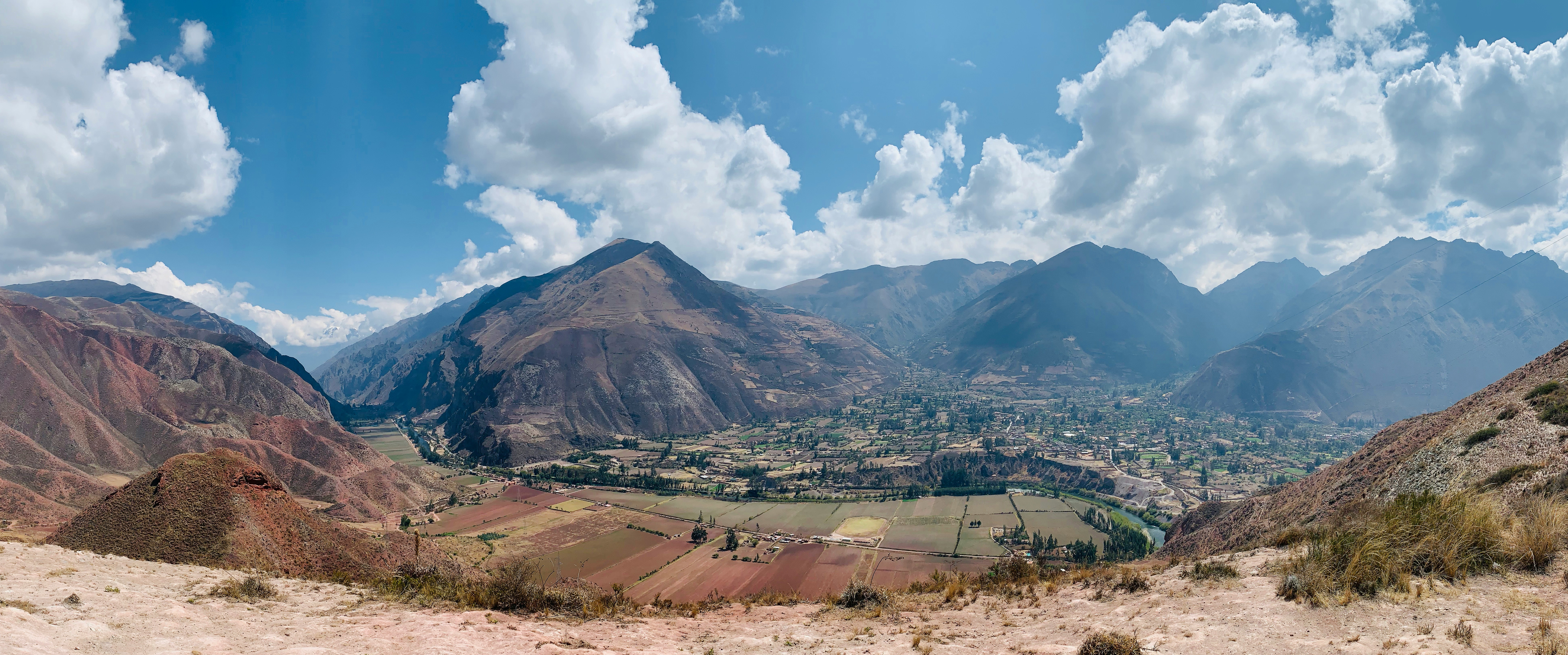
The Salkantay Trek is the most popular alternative to the Inca Trail for reaching Machu Picchu overland. Named after Apu Salkantay (6,271m), one of the most sacred mountains in Andean cosmology, the 5-day route traverses dramatic terrain: glacial valleys, cloud forest, and the high-altitude puna grasslands - passing within a few kilometres of Salkantay’s permanent snowfields before descending into the coffee and fruit growing valleys above Aguas Calientes.
Route Summary
Start: Mollepata or Soraypampa, approximately 3 hours by road from Cusco. End: Aguas Calientes → Machu Picchu (Day 5). Duration: 5 days, 4 nights camping or lodge. Distance: Approximately 70–74km. Maximum altitude: Salkantay Pass, 4,638m. Difficulty: Challenging. No government permit required (Machu Picchu entry ticket required separately).
Day-by-Day Route
Day 1: Soraypampa (3,900m) - Salkantay Lake and acclimatisation (short day) Most operators drive from Cusco to Soraypampa (approximately 3 hours) and do a short afternoon acclimatisation hike to Humantay Lake (4,200m) - a stunning glacial lake below Humantay Peak. Camp at Soraypampa.
Day 2: Soraypampa to Chaullay via Salkantay Pass (22km, very hard) The crux day. A long ascent to Salkantay Pass (4,638m) in cold, often windy conditions, with Salkantay peak dominating the skyline. The descent to Chaullay (2,900m) covers 1,700m of altitude loss on rough trail - both knees and concentration are tested. Start by 04:30 to allow time.
Day 3: Chaullay to La Playa (20km, moderate) The trail transitions dramatically from glacial puna to cloud forest. Temperature rises; vegetation changes from ichu grass to bamboo, orchids, and cloud forest. A gentler day following the Santa Teresa river valley.
Day 4: La Playa to Aguas Calientes (15km or transport option) Options diverge: some operators walk the final section along the railway line and river; others take private transport to La Hidroeléctrica and walk 2 hours to Aguas Calientes along the railway track. Night in Aguas Calientes.
Day 5: Machu Picchu Early morning entry to Machu Picchu. Return by afternoon train to Cusco’s Poroy or Ollantaytambo stations.
Recommended Operators
Salkantay Trekking - The specialist Salkantay operator, offering both basic camping and lodge-to-lodge options (Sky Lodge domes). The Sky Lodge option includes heated geodesic dome accommodation with mountain views, private bathrooms, and buffet meals. Group camping tours from approximately USD 350 per person; Sky Lodge option approximately USD 600–USD 750 per person as of 2026. Search hotels in Cusco on Booking.com
Alpaca Expeditions - Also operates strong Salkantay tours alongside their Inca Trail programme. 5-day group camping from approximately USD 380 per person as of 2026. Known for good guide standards.
Mountain Lodges of Peru - The luxury end of the Salkantay market, with a series of private lodges along the route. Rates from approximately USD 2,200–USD 2,800 per person for a 5-night all-inclusive package as of 2026. For travellers who want the mountain experience without camping.
Browse Salkantay and Cusco trekking tours to compare operators and departure dates. If the Salkantay is sold out or you prefer the archaeological route, compare Inca Trail options on GetYourGuide to check permit availability.
What’s Included (Standard Tours)
- Private transport from Cusco and back
- English-speaking guide
- Porters (gear carried; trekkers carry daypack only)
- Camping equipment (tent, sleeping mat - sleeping bags extra or provided depending on operator)
- All meals on trail
- Community checkpoint fees
- First aid kit
Not included: Machu Picchu entry ticket, train from Aguas Calientes, sleeping bag (check with operator), tips.
Salkantay vs Inca Trail
| Factor | Salkantay | Inca Trail |
|---|---|---|
| Permit required | No | Yes |
| Maximum altitude | 4,638m | 4,215m |
| Distance | ~70km | ~43km |
| Duration | 5 days | 4 days |
| Scenery | Glacial + cloud forest | Cloud forest + Inca ruins |
| Crowds | Moderate | Heavy (peak season) |
| Cost | USD 350–USD 750 | USD 550–USD 1,200 |
| Inca ruins on trail | Few | Many |
| Booking notice | 2–4 weeks | 3–6 months (peak season) |
Preparation and Gear
The Salkantay Pass (4,638m) demands appropriate preparation:
- Acclimatisation: Minimum 2 full days in Cusco before departure. An acclimatisation day hike to Sacsayhuamán (3,700m) is recommended.
- Down jacket: Nights at Soraypampa camp (3,900m) drop below freezing; the pass crossing is very cold and can be windy.
- Waterproof jacket: Essential even in dry season - weather at the pass is unpredictable.
- Trekking poles: Highly recommended for the long Salkantay Pass descent on Day 2.
- Waterproof trekking boots
Best Season
Optimal: May–September. Clearest skies and most stable conditions at the pass. Good: March, April, October. Some rain; trail conditions requiring gaiters. Open but challenging: November–January. Rain, mud, and cold at altitude. Open in February: Unlike the Inca Trail, but demanding conditions - for experienced trekkers only.
Plan Your Salkantay Trek
- Cusco Travel Guide - Base city for all Salkantay Trek agencies: acclimatisation tips, where to stay, and what to do while waiting for your departure day.
- Inca Trail to Machu Picchu - The classic alternative: if Salkantay is your second choice, see how the two routes compare on difficulty, scenery, and cost.
- Inca Trail Alternatives Guide - Full comparison of all Cusco-region multi-day treks: Salkantay, Lares, Choquequirao, and Jungle Trek.
- Machu Picchu Tickets Guide - Book the Machu Picchu entry ticket separately from your trek; agencies usually facilitate this but confirm in writing.
- Aguas Calientes Guide - The town at the end of the trek: hotels, restaurants, and how to time your Machu Picchu entry.
- Altitude Sickness in Peru - The Salkantay Pass at 4,638m is high enough to cause problems. Read this before booking your departure date.