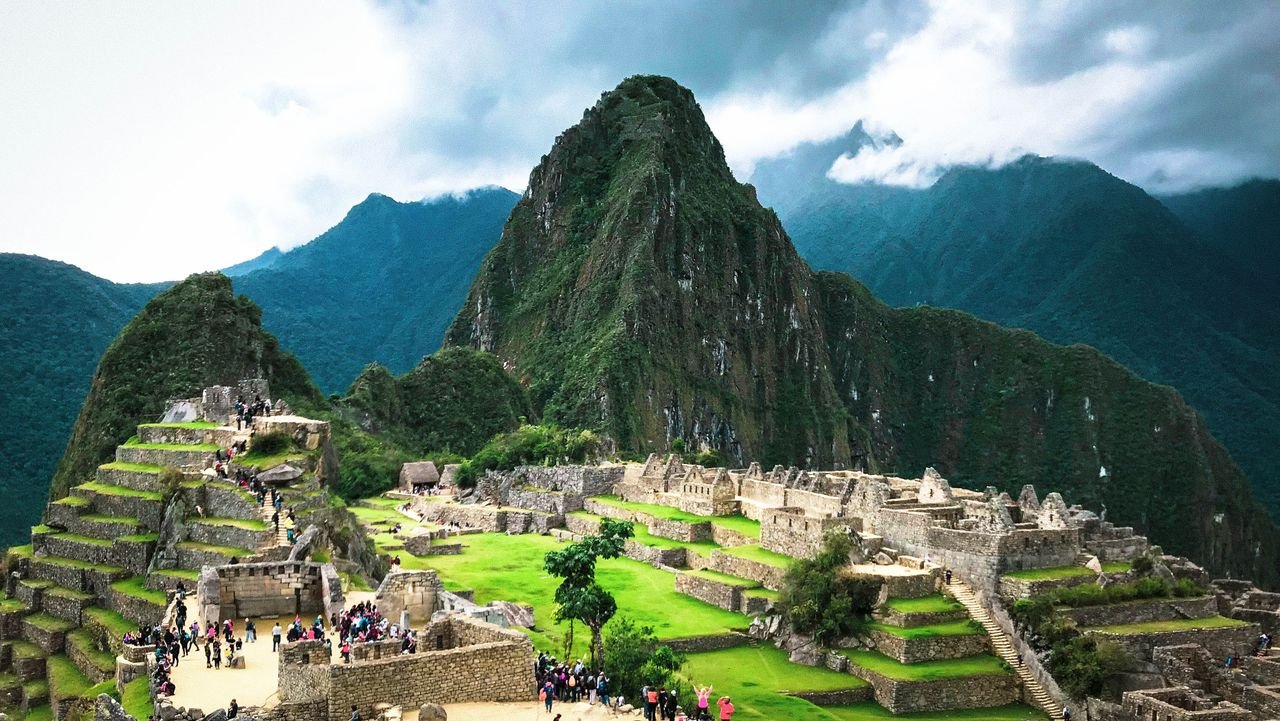
Peru works well for families because the headline sights come with child-friendly activities attached: a speedboat to sea lion colonies, a dune buggy in the desert, a train to Machu Picchu. The trip is not effortless, though. Altitude, long road days and a few ticket rules need planning. This 12-day route links Lima, the south coast, the Sacred Valley, Machu Picchu and Cusco, and it is paced for children from roughly 6 years up. For teenagers, you can speed it up; for under-5s, trim the south coast.
Route at a Glance
| Days | Base | Altitude | Family highlight |
|---|---|---|---|
| 1-2 | Lima | Sea level | Magic Water Circuit, Miraflores clifftop park, ceviche |
| 3-4 | Paracas | Sea level | Ballestas Islands boat trip, National Reserve beaches |
| 5 | Huacachina | About 400m | Dune buggy and sandboarding |
| 6-8 | Sacred Valley | About 2,800m | Llama and alpaca visits, Pisac, Ollantaytambo fortress |
| 9-10 | Aguas Calientes / Machu Picchu | 2,040m / 2,430m | The citadel, the scenic train |
| 11-12 | Cusco | 3,400m | Plaza de Armas, Sacsayhuaman, chocolate workshop |
Starting at sea level and climbing in steps is deliberate. Our altitude sickness guide explains the physiology; the short version for families is that a gradual climb is the best prevention available.
Days 1-2: Lima
Fly into Lima and take it slowly. Pre-book an airport transfer so the first hour with tired children is not spent haggling at the arrivals gate. Day one can be a light walk along the Miraflores clifftop park, with its cats and paragliders, and an early dinner.
On day two, the Parque de la Reserva Magic Water Circuit (a set of illuminated fountains you can run through) is the reliable hit for under-12s in the evening. For older children, a guided Lima food tour turns lunch into an activity, and the best tours in Lima cover the catacombs and the historic centre. Our 3-day Lima itinerary has the full museum and neighbourhood circuit if you want to stay longer, and where to stay in Lima explains why Miraflores is the easiest base with children. You can also search family hotels in Lima directly.
Days 3-4: Paracas
The drive south from Lima to Paracas takes roughly four hours by road. A private transfer or a rental car is easier than a bus with luggage and children; see our car hire guide if you prefer to drive, though we suggest hiring a driver for the Pan-American Highway stretches.
The Ballestas Islands boat trip is the single best child-friendly excursion on the coast. It runs about two hours, passes sea lions, Humboldt penguins and thousands of seabirds, and ends before lunch. Morning departures have calmer water, and life jackets are provided. The second day can be a slow beach morning in the National Reserve. Browse Paracas tours for combined boat and reserve options, and read the Paracas travel guide for logistics. Stay options in Paracas include resort-style properties with pools, which help after the drive.
Day 5: Huacachina
Huacachina is a small desert oasis about 1.5 hours inland from Paracas. The dune buggy and sandboarding tours run in the late afternoon for the light and cooler air. Operators set their own rules on child age and height, and buggies carry harnesses designed for adults, so ask before booking whether your youngest can ride and consider a private buggy with a slower driver. Lying on the board and sliding down is gentler than standing. See Huacachina tours and the Huacachina guide.
Day 6: Return to Lima, Fly to Cusco, Descend to the Sacred Valley
This is the hardest day of the trip, so plan it carefully. Transfer from Huacachina to Lima by road (about four to five hours), then take an afternoon flight to Cusco (about 1 hour 30 minutes). Our Lima to Cusco guide covers airlines and baggage. Book the Cusco flight for the afternoon, not the early morning, so the road back to Lima is not rushed.
From Cusco airport, go directly down to the Sacred Valley (about 1.5 hours to Ollantaytambo) and sleep at roughly 2,800m. This is the most useful single habit for families: arrive in Cusco, but do not stay there for the first two nights. A pre-booked Cusco airport transfer avoids a negotiation at the arrivals door.
Days 7-8: Sacred Valley
Day 7 is a rest day by design. Keep it light, with a pool, a walk and plenty of water. Children tend to feel the altitude as tiredness, a headache or a lost appetite, and a quiet day often clears all three.
On day 8, take a guided day out: the Pisac market, a visit with llamas and alpacas at a community weaving cooperative, and the Maras salt pans (approximately S/10 entry as of 2026). The pans and nearby Moray terraces sit at about 3,500m, so keep time there short with younger children. Book a Sacred Valley family tour with a private vehicle so you can set the pace. Our Sacred Valley tours guide compares the options, and where to stay in the Sacred Valley lists the lower-altitude bases.
Days 9-10: Machu Picchu
Take the morning train from Ollantaytambo to Aguas Calientes (about 1.5 hours). Children love it, and both operators run panoramic cars. Our PeruRail vs Inca Rail comparison covers the fares and child seats. Sleep in Aguas Calientes so you can enter the citadel at an early time slot or afternoon slot without a dawn rush; Aguas Calientes hotels fill early in the dry season.
At the citadel, a guide who talks to children rather than lecturing makes the difference. Ask the guide for a short loop, and let the children spot llamas on the terraces. A guided Machu Picchu tour with a family-friendly guide is worth booking ahead. The citadel has no restaurant inside, so pack snacks and water, and note that the site has strict rules on bag size and no food inside. The bus down is optional; walking down the stone steps is fine for children aged 8 and over but tiring for younger legs. The second day can be a slow morning before the afternoon train back.
Machu Picchu child ticket rules
- Every visitor needs a timed-entry ticket booked in advance through the official Machu Picchu portal, and the passport details of each child go on the booking.
- A reduced fare applies to under-18s. Published sources disagree on the free-entry age (under 3 in several 2026 guides, under 8 in older ones), so check the portal when you buy.
- Children must carry their passports to the gate as proof of age.
- Huayna Picchu and Machu Picchu Mountain are steep with exposed steps. We do not recommend them for young children.
- A licensed guide is required inside the site, and the first circuit is usually the easiest with kids.
Our Machu Picchu tickets guide lists the circuits, and the UNESCO World Heritage listing is worth a read with older children before you go.
Days 11-12: Cusco
Return by train to Ollantaytambo and road to Cusco. By now your family has spent several days between 2,000m and 2,800m, so Cusco’s 3,400m is easier to handle. Walk the Plaza de Armas, climb gently to Sacsayhuaman (kids enjoy the giant stones and the stone slides), and book a chocolate or cooking class for the afternoon. The best tours in Cusco and Cusco tours include family-friendly options, and our 3-day Cusco itinerary fills the days if you extend. For rooms, see where to stay in Cusco or search Cusco hotels.
Altitude Guidance for Children
- Sleep low first. Lima, Paracas and the Sacred Valley before Cusco is the best preventive step.
- Watch behaviour, not just complaints. Young children may not say they have a headache. Unusual sleepiness, irritability, vomiting or refusing drinks are warning signs.
- Descend if symptoms worsen. A child who gets worse with rest should go down, and anyone with breathing difficulty, confusion or loss of balance needs medical care at once.
- Talk to a paediatrician before the trip about altitude medication. Dosing for children is a medical decision, and we do not give it here.
- Keep fluids up and meals light. Coca tea is common but is not a treatment, and many families skip it for young children.
- Insure the trip. Make sure the policy covers altitude and medical evacuation; see our Peru travel insurance guide or get covered before you go.
The Inca Trail with Children
The classic four-day Inca Trail is a serious trek. It starts around 2,720m and crosses Dead Woman’s Pass at 4,215m on day two. Permits are limited and sold by licensed operators, who each set their own minimum age. We found figures from 7 to 12 across operators, with 10 or older the most common recommendation, and a reduced permit rate for under-18s. Treat it as an option for fit children aged 10 or older who have done multi-day hikes, and only after two or more nights of acclimatisation. Check the current rules on the Ministry of Culture site or ask your operator in writing.
For younger children, easier alternatives are a one-day Inca Trail to the Sun Gate, a short Sacred Valley hike, or the train. Our Inca Trail alternatives guide lists gentler routes, and you can compare Inca Trail tours by age policy.
Practical Tips for Families
- Seasons: June to August is dry and busiest, so book Machu Picchu and trains early. Our best time to visit Peru guide covers the shoulder months.
- Car seats: Taxis and many transfer vehicles do not have child seats. Ask when booking a private transfer, or bring a travel booster.
- Food: Pack snacks, and choose busy restaurants with cooked food. Drink bottled or filtered water and avoid ice from street stalls.
- Phones: An eSIM sorted before you land helps with maps and bookings; see Peru eSIM options.
- Flights: Compare flights to Peru with a stopover at the start if the long-haul flight is hard on your children.
- Costs: See Peru travel costs for a budget breakdown. Estimate your budget for a family-sized trip. Prices change, so treat any figure as approximate as of 2026.
Shorter and Longer Versions
- Short on time? Use the 1-week Peru itinerary and skip the south coast.
- A middle option is the 10 days in Peru itinerary, which keeps the main circuit at a gentler pace.
- With two full weeks, the 2 weeks in Peru itinerary adds Arequipa, Colca Canyon and Lake Titicaca, though we would leave out Colca for under-8s because the route runs well above Cusco in altitude.
- For a city-only start, see the 3-day Lima itinerary and the 3-day Cusco itinerary.
Browse more family-friendly Peru tours for age-specific options.