The Classic Inca Trail - the 43km route from Km 82 to the Sun Gate at Machu Picchu - is one of the most famous treks in the world, and one of the most oversubscribed. The Peruvian government limits it to 500 trekkers per day (including guides and porters), and the 200 tourist slots are distributed among licensed agencies who sell out months ahead of time. For peak season dates in June, July, and August, bookings often close by January or February.
If you miss the Inca Trail window - or prefer to avoid the busiest trail in Peru - the alternatives are not consolation prizes. Several of them offer superior scenery, genuine solitude, and in the case of Choquequirao, access to an Inca site that receives a fraction of Machu Picchu’s visitor numbers.
Why Consider an Alternative
- Inca Trail permits sold out: The most common reason. If your travel dates are flexible, alternatives can be booked much closer to your departure date.
- Fewer crowds: The alternative treks have no meaningful daily visitor limits, so you will encounter far fewer trekkers on the trail.
- Different landscapes: The Salkantay Trek crosses glaciated high-altitude terrain that the Inca Trail bypasses. Lares passes through remote Andean villages. These are not lesser experiences - they are different ones.
- Cost: Some alternatives, particularly the Jungle Trek, are significantly cheaper than agency-organised Inca Trail packages.
Salkantay Trek (5 days)
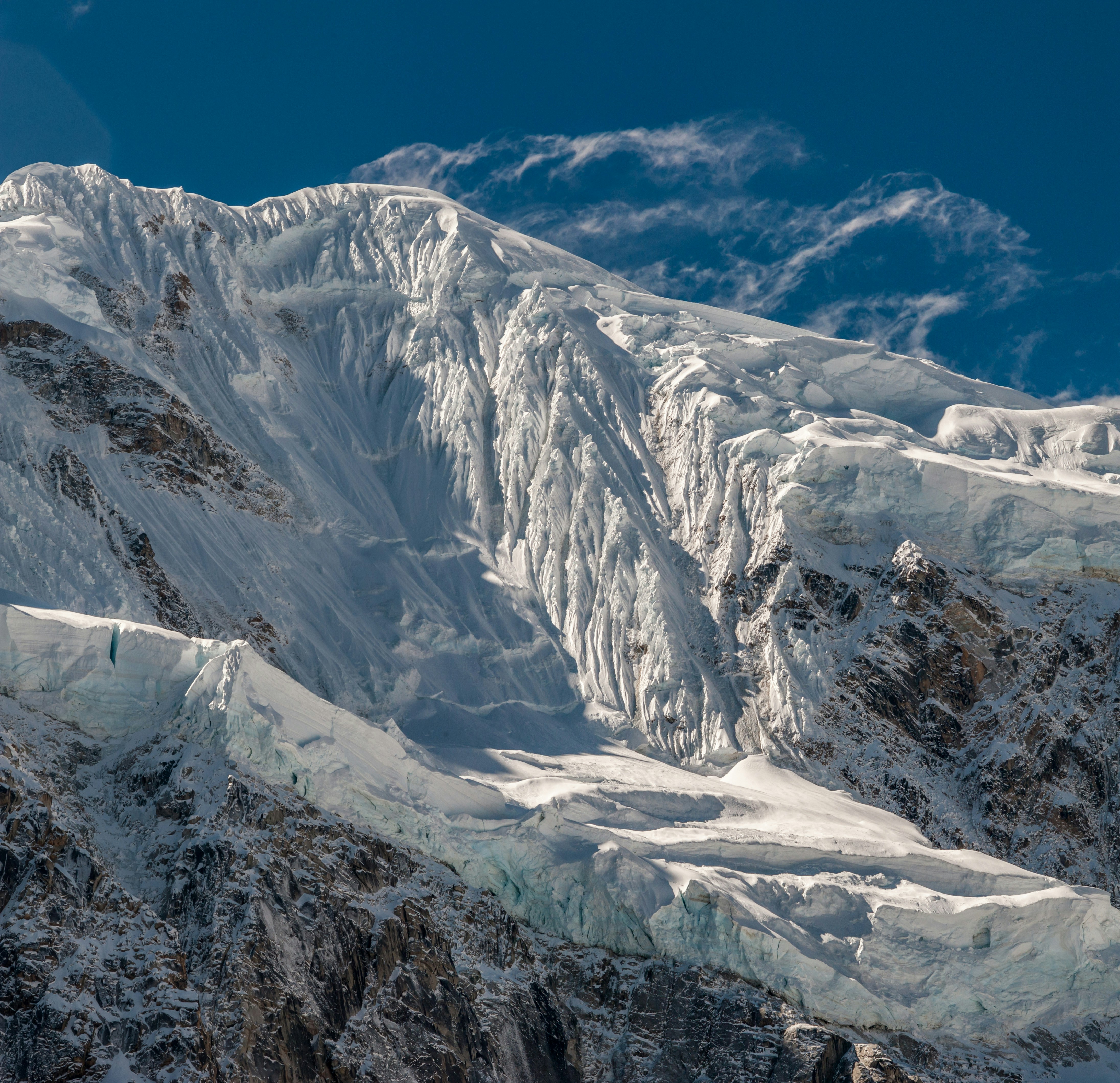
The Salkantay is the most popular Inca Trail alternative and, for many trekkers, the more impressive route. The trail crosses the Salkantay Pass at 4,600m - 900m higher than the Inca Trail’s highest point - with direct views of the Salkantay glacier (6,271m), one of the most dramatic mountain faces in Peru.
Route overview:
- Day 1: Cusco to Mollepata by bus, trek to Soraypampa (3,900m)
- Day 2: Cross Salkantay Pass (4,600m), descend to Chaullay or Wayraqmachay
- Day 3: Trek through cloud forest to La Playa or Santa Teresa
- Day 4: Continue to Aguas Calientes via Santa Teresa
- Day 5: Machu Picchu visit, return to Cusco by train
Cost: From approximately 350–600 USD per person with an agency as of 2026, including camping, meals, porters, and guide. Budget operators cluster at the lower end; more established agencies with fair porter wages, quality camping gear, and experienced bilingual guides sit at the higher end. Budget is not always a false economy here - the quality difference between a 350 USD and a 500 USD operator is often significant in terms of food, equipment, and safety.
Difficulty: Moderate–strenuous. The Salkantay Pass day (Day 2) is a long, high-altitude push. Acclimatisation in Cusco for 2–3 days beforehand is essential.
Highlights: Salkantay glacier views, the transition from alpine tundra to cloud forest in a single day’s descent, the thermal pools at Santa Teresa (approximately 20 soles entry as of 2026).
Lares Trek (4 days)
The Lares Trek takes a fundamentally different approach to the alternatives - it is a cultural trek as much as a landscape one. The route passes through the Lares valley’s indigenous Quechua communities, visiting weavers, textile markets, and remote highland villages that see very few outsiders. It ends at Ollantaytambo (not Aguas Calientes directly), from where visitors take the train to Machu Picchu.
Route overview:
- Day 1: Cusco to Lares hot springs, first camp
- Day 2: Trek through high-altitude passes (approximately 4,400m) and village communities
- Day 3: Descend through the Sacred Valley to Yanahuara or Huarán
- Day 4: Transfer to Ollantaytambo, train to Aguas Calientes, Machu Picchu visit
Cost: From approximately 300–500 USD per person with an agency as of 2026, including accommodation and meals. The Lares hot springs (natural geothermal pools at approximately 3,300m) are included in most itineraries on Day 1 and are a genuine highlight. Search hotels in Cusco on Booking.com
Difficulty: Moderate. The mountain passes are high but the daily distances are shorter than the Salkantay. Better suited to trekkers who prioritise cultural engagement over dramatic alpine scenery.
Highlights: Authentic weaving communities, the Lares hot springs, Sacred Valley descent with views of Inca terracing.
Choquequirao Trek (4–6 days)
Choquequirao is often described as “Machu Picchu before the tourists arrived.” The Inca site sits at 3,100m, accessible only on foot - there is no road, railway, or helicopter access (though a cable car has been discussed for years). As a result, the site receives approximately 30–50 visitors per day compared to Machu Picchu’s 4,500. You will likely have major terraces entirely to yourself.
The trek to Choquequirao and back from the nearest trailhead (Cachora) is a true commitment: the route descends steeply to the Apurímac River (1,500m) before climbing equally steeply to the ruins. The round trip from Cachora takes approximately 4 days; continuing onwards from Choquequirao to Aguas Calientes via the Santa Teresa–Machu Picchu route adds 3–4 more days.
Route overview (4-day loop):
- Day 1: Cachora to Chiquisca camp (1,800m) - steep descent
- Day 2: Chiquisca to Choquequirao base camp - cross the Apurímac, ascend to ruins
- Day 3: Explore Choquequirao site (principal terraces, lower terraces with llama reliefs, temples, residential sector)
- Day 4: Return descent and ascent to Cachora
Cost: From approximately 400–700 USD per person with an agency as of 2026 for the 4-day loop. The extended version connecting to Machu Picchu adds cost and time proportionally. Note that campsites along the trail have basic facilities (pit toilets, cooking areas) and all food and equipment must be carried or portaged by mule.
Difficulty: Strenuous. The cumulative elevation gain and loss is the most demanding of all these alternatives. Best for experienced trekkers with good fitness.
Highlights: Near-solitude at an extraordinary Inca site, suspension bridge over the Apurímac gorge, the lower terrace llama geoglyphs at Choquequirao - a unique feature not seen at Machu Picchu.
Jungle Trek (4 days)
The Jungle Trek is the most adventurous and varied of the alternatives, combining mountain biking, white-water rafting, zip-lining, and hiking in a single 4-day package. It approaches Machu Picchu from the north through the cloud forest rather than through the Sacred Valley.
Route overview:
- Day 1: Bus from Cusco to Abra Málaga pass (4,350m), mountain bike descent to Santa María (approximately 65km of downhill)
- Day 2: Optional rafting on the Urubamba River; hike or bus to Santa Teresa
- Day 3: Zip-lining over the cloud forest; hike from Santa Teresa to Aguas Calientes (approximately 3–4 hours on foot or via hot springs)
- Day 4: Machu Picchu visit, train and bus return to Cusco
Cost: From approximately 300–500 USD per person as of 2026, including bike hire, rafting, guides, hostel accommodation, and Machu Picchu entrance. Less porters and camping - most nights are in basic hostels.
Difficulty: Easy–moderate for hiking; the bike descent is long but downhill. Rafting is Grade 2–3 rapids - exciting but manageable for beginners. The zip-lining is optional.
Highlights: The Abra Málaga bike descent through extraordinary scenery is a highlight independent of Machu Picchu. Cocalmayo hot springs near Santa Teresa (approximately 10 soles entry as of 2026) are a welcome end to Day 2.
Comparison at a Glance
| Trek | Duration | Cost (approx.) | Difficulty | Crowds | Ends at Machu Picchu |
|---|---|---|---|---|---|
| Salkantay | 5 days | 350–600 USD | Strenuous | Low | Yes |
| Lares | 4 days | 300–500 USD | Moderate | Very low | Yes (via Ollantaytambo) |
| Choquequirao | 4–6 days | 400–700 USD | Very strenuous | Minimal | Optional extension |
| Jungle Trek | 4 days | 300–500 USD | Easy–moderate | Low | Yes |
| Classic Inca Trail | 4 days | 500–800 USD | Moderate | Controlled | Yes |
Booking Tips
Use a licensed Peruvian agency: SERNANP (Peru’s national parks authority) requires guides on these routes to be licensed. Book through agencies registered with MINCETUR (Peru’s Ministry of Tourism). Agencies operating from Cusco’s Procuradores and San Blas streets range from excellent to unreliable - read recent reviews on TripAdvisor and Google rather than trusting street commission touts. You can also compare Inca Trail and alternative trek tours from Cusco to check current availability and pricing from vetted operators.
Check porter conditions: The most reputable agencies comply with the Porter Protection Law, which sets minimum weight limits (25kg maximum per porter), fair wages, and equipment standards. Ask about this before booking - agencies that prioritise porter welfare also tend to prioritise guide quality and safety.
Book Machu Picchu tickets separately: Alternative trek agencies typically help book Machu Picchu entrance tickets as part of the package, but confirm this in writing. The citadel ticket is always via machupicchu.gob.pe and must be pre-booked regardless of which route you arrive by.
Allow acclimatisation time: Arrive in Cusco at least 2–3 days before any of these treks begin. The Salkantay Pass at 4,600m and the Choquequirao approach are both affected heavily by altitude. Poor acclimatisation is the primary reason trekkers struggle or need to turn back. Use those days in Cusco to book day tours and city activities while your body adjusts.
Trek-Specific Guides and Resources
- Salkantay Trek Guide - Full route description, campsites, what to pack, and operator recommendations for the most popular Inca Trail alternative.
- Choquequirao Trek Guide - The hardest and most rewarding option: 4–6 days to the most remote major Inca site, virtually crowd-free.
- Inca Trail to Machu Picchu - The original 4-day route: permit quotas, agency selection, monthly availability, and what each camp day covers.
- Machu Picchu Tickets Guide - Book the Machu Picchu entrance ticket separately from your trek - step-by-step on the official government site.
- Cusco Travel Guide - Base city for all these treks: acclimatisation strategy, where to stay, and how to evaluate trek agencies on Procuradores street.
- Altitude Sickness in Peru - All these routes cross passes above 4,000m. Preparation and early symptom recognition matter.
Plan Your Trip
✈️ Book your flights to Peru 🛡️ Get travel insurance 📱 Stay connected with an eSIM 🚗 Rent a car