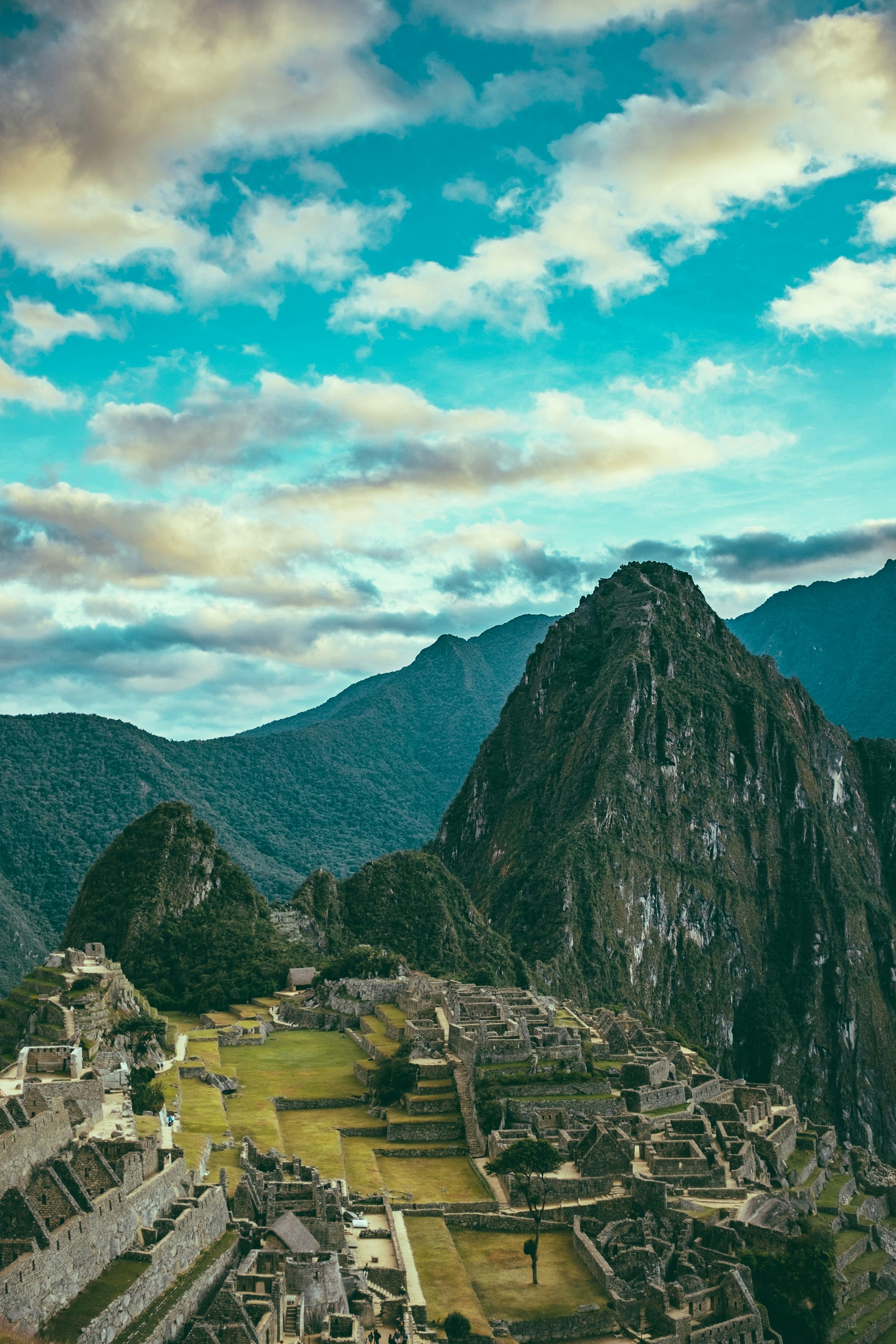
Seven days is enough to cover Peru’s three essential stops — Lima, Cusco, and Machu Picchu — without the rushed feeling that shorter trips produce. Booking Peru tours ahead of departure covers the main logistics across the whole circuit. The structure below builds in a full acclimatisation day in Cusco (3,400m altitude) before moving to the Sacred Valley and Machu Picchu, which is the single most important decision in any Peru itinerary.
Itinerary Overview
| Day | Location | Highlights |
|---|---|---|
| 1 | Lima | Miraflores, Huaca Pucllana, ceviche dinner |
| 2 | Lima | Historic Centre, San Francisco catacombs, Barranco |
| 3 | Cusco | Fly from Lima, acclimatise, gentle walking |
| 4 | Sacred Valley | Pisac market, Ollantaytambo fortress |
| 5 | Machu Picchu | Train to Aguas Calientes, afternoon at ruins |
| 6 | Cusco | Return from Machu Picchu, Cusco city sights |
| 7 | Cusco | San Pedro Market, Sacsayhuaman, departure |
Day 1: Lima — Miraflores and Coastal Exploration
Arrive at Jorge Chavez Airport. Transfer to Miraflores (registered taxi approximately S/60-S/80, Uber approximately S/40-S/55, 25-45 minutes as of 2026).
Afternoon
After checking in, walk the malecon (clifftop promenade). Start at Parque del Amor and walk south past Larcomar to the lighthouse. The walk takes 40 minutes and is the best introduction to Lima’s Pacific coastline.
Visit Huaca Pucllana (entry approximately S/15, guided tours until 16:30, closed Tuesdays). This pre-Inca adobe pyramid in the middle of Miraflores takes about 45 minutes to tour.
Evening
Dinner at La Mar (Miraflores, approximately USD 20-35 per person as of 2026) — Gaston Acurio’s flagship cevicheria. Order the ceviche clasico and a leche de tigre shot. If La Mar is full, Punto Azul (approximately S/35-S/60 per person) is a reliable alternative two blocks away.
Stay: Casa Andina Select Miraflores (from USD 85/night mid-range) or Pariwana Hostel (USD 14 dorm / USD 48 private for budget).
Day 2: Lima — Historic Centre and Barranco
Morning
Uber to the Centro Historico (approximately S/12-S/18). Start at Plaza Mayor: the Cathedral (entry approximately S/15, open from 09:00), and Government Palace are on the square.
Walk to Convento de San Francisco (entry approximately S/30, continuous tours from 09:00). The catacombs hold 25,000 sets of human remains arranged in geometric patterns underground. The monastery’s colonial library and Moorish cloister are equally compelling. Allow 1.5 hours.
Lunch
Walk to the Barrio Chino (Chinatown, 5 minutes from Plaza Mayor). Wa Lok (approximately S/30-S/60 per person as of 2026) serves the best chifa (Peruvian-Chinese fusion) in the city. Order arroz chaufa and lomo saltado.
Afternoon
Taxi to Barranco (approximately S/15-S/20 from the centre). Walk the Puente de los Suspiros (Bridge of Sighs), browse the street art along Calle Sanchez Carrion, and visit MATE — Museo Mario Testino (entry approximately S/30, open Tuesday-Sunday 11:00-20:00).
Evening
Dinner at Isolina in Barranco (approximately USD 20-35 per person as of 2026). The lomo saltado and arroz con pato are standout dishes. Portions are generous — consider sharing plates.
End the evening with a pisco sour at Bar Piselli or one of the bars near the Bridge of Sighs (approximately S/25-S/40 per cocktail).
Day 3: Fly to Cusco — Acclimatisation Day
Morning
Fly Lima to Cusco with LATAM or Sky Airlines (approximately USD 60-150 one-way as of 2026, 1 hour 20 minutes). Book morning flights — afternoon flights from Lima frequently delay due to weather.
Important: Cusco sits at 3,400m (11,150ft). Do not plan strenuous activity on arrival day. Drink coca tea (mate de coca), stay hydrated, and walk slowly.
Afternoon
A gentle walk through the Plaza de Armas and surrounding streets is enough for arrival day. Visit the Cusco Cathedral (entry approximately S/25 as of 2026, open Monday-Saturday 10:00-18:00) — the interior contains over 400 paintings from the Cusco School of art, including a famous Last Supper depicting guinea pig as the main course.
Walk to San Blas neighbourhood (uphill from the Plaza, 10 minutes). The narrow cobblestone streets, artisan workshops, and Iglesia de San Blas (with its extraordinary carved wooden pulpit, entry approximately S/15) are worth seeing even at a slow pace.
Evening
Eat light. Morena Peruvian Kitchen (approximately S/30-S/50 per person as of 2026) near the Plaza serves soups and lighter dishes suited to altitude adjustment. Avoid alcohol on the first night — it worsens altitude symptoms.
Stay: Tierra Viva Cusco Centro (from USD 65/night mid-range) or Pariwana Cusco Hostel (USD 10 dorm / USD 40 private for budget). Premium: Palacio del Inka (from USD 200/night).
Day 4: Sacred Valley — Pisac and Ollantaytambo
Full Day
Hire a Sacred Valley and Cusco day tour through your hotel or a Cusco agency (approximately USD 30-50 per person for group tour, USD 120-180 for private as of 2026). If you left booking until you arrived, there are usually last-minute tours available with next-day departures from Cusco. Alternatively, take a colectivo from Cusco to Pisac (approximately S/10, 1 hour) and another from Pisac to Ollantaytambo (approximately S/10, 40 minutes).
Morning — Pisac: The Pisac Archaeological Park (entry with Boleto Turistico, approximately S/130 for the full pass covering 16 sites as of 2026) sits high above the town. The terracing is among the most photogenic in Peru. Allow 2 hours for the ruins.
Descend to the Pisac Market (daily, but largest on Sundays). Textiles, ceramics, and produce fill the main square. Lunch at one of the market-edge restaurants (approximately S/15-S/25 for a set meal).
Afternoon — Ollantaytambo: The Ollantaytambo Fortress (included in the Boleto Turistico) is a massive Inca construction that was never completed. The stone terraces rising above the town are the main draw, but the residential quarter below — still inhabited, still using Inca-era water channels — is equally remarkable. Allow 1.5 hours.
Evening
Stay overnight in Ollantaytambo if you are taking the morning train to Aguas Calientes. El Albergue (from USD 110/night as of 2026, directly on the train platform) is the most convenient option. Budget: KB Tambo Hostal (from USD 25/night). Dinner at Hearts Cafe (approximately S/25-S/45 per person) — a social enterprise restaurant with solid food.
Day 5: Machu Picchu
Morning
Take the PeruRail Expedition or Inca Rail Voyager from Ollantaytambo to Aguas Calientes (approximately USD 60-75 one-way, 1 hour 40 minutes as of 2026). The Vistadome service (approximately USD 90-110 one-way) has panoramic windows. Book at least 2-3 weeks ahead during peak season (June-August).
From Aguas Calientes, take the bus to Machu Picchu (approximately USD 24 round trip as of 2026, 25 minutes uphill). Buses depart from 05:30.
At Machu Picchu
Entry: Approximately USD 50 for international adults (S/152 for foreign visitors as of 2026). Tickets must be purchased online in advance at the official government site. Entry is timed — morning slots (06:00-12:00) are most popular.
Optional add-ons: Huayna Picchu climb (extra approximately USD 15, limited to 200 people per time slot — book months ahead) or Machu Picchu Mountain (extra approximately USD 15, less steep but longer). Either adds 2-3 hours to your visit.
Spend 3-4 hours at the main site. A guide (approximately USD 30-50 for a 2-hour guided tour, hired at the entrance) is worthwhile for first visits — the site is vast and the layout is not self-explanatory.
Afternoon and Evening
Return to Aguas Calientes by bus. Lunch at Indio Feliz (approximately S/40-S/60 per person as of 2026) — French-Peruvian fusion in a cozy space. The set lunch menu is good value.
Option A: Take the afternoon train back to Ollantaytambo or Poroy (near Cusco). The last trains depart around 16:30-18:00.
Option B: Stay overnight in Aguas Calientes for a second morning at Machu Picchu. Rupa Wasi Hostel (from USD 40/night) or Sumaq Machu Picchu Hotel (from USD 350/night for premium).
Day 6: Return to Cusco — City Sights
Morning
If staying in Aguas Calientes, take the morning train back (approximately 3.5 hours to Cusco via Ollantaytambo transfer). If you returned last night, you have a full day.
Afternoon
Visit Qorikancha (Temple of the Sun) and the Santo Domingo church built on top of it (entry approximately S/15 as of 2026, open Monday-Saturday 08:30-17:30). The Inca stonework beneath the Spanish colonial church is some of the most precise masonry in the Americas — no mortar, razor-thin joints between stones.
Walk uphill to Sacsayhuaman (included in the Boleto Turistico, approximately 20-minute steep walk from the Plaza). The zigzag walls built from stones weighing up to 200 tonnes are the most impressive Inca construction outside Machu Picchu. Allow 1-1.5 hours.
Evening
Dinner at Chicha by Gaston Acurio (approximately USD 15-30 per person as of 2026) on Plaza Regocijo. The rocoto relleno (stuffed pepper) and alpaca steak are both excellent. For something more casual, Jack’s Cafe (approximately S/25-S/45 per person) serves large portions and strong coffee.
Day 7: Final Cusco Morning and Departure
Morning
Visit San Pedro Market (open from 06:00 daily, free entry). Walk the fruit, juice, bread, and cooked-food sections. A fresh juice costs S/3-S/5. A full breakfast of tamales, empanadas, and fruit from the market stalls costs approximately S/10-S/15.
If time allows, visit the Museo de Arte Precolombino (MAP) (entry approximately S/20 as of 2026, open Tuesday-Sunday 09:00-22:00). The collection, curated from Lima’s Larco Museum, is small but beautifully presented.
Departure
Cusco’s Alejandro Velasco Astete Airport is 10 minutes from the city centre (taxi approximately S/10-S/15). LATAM and Sky fly back to Lima multiple times daily (approximately USD 60-150 one-way). Book morning flights — afternoon departures from Cusco occasionally cancel due to weather.
Transport Cost Summary
| Route | Mode | Approx. Cost (as of 2026) |
|---|---|---|
| Lima Airport → Miraflores | Uber | S/40-S/55 (USD 11-15) |
| Lima → Cusco | LATAM / Sky flight | USD 60-150 one-way |
| Cusco → Pisac | Colectivo | S/10 |
| Pisac → Ollantaytambo | Colectivo | S/10 |
| Ollantaytambo → Aguas Calientes | PeruRail Expedition | USD 60-75 one-way |
| Aguas Calientes → Machu Picchu | Bus (round trip) | USD 24 |
| Cusco → Airport | Taxi | S/10-S/15 |
Hotel Summary
| Location | Budget | Mid-Range | Premium |
|---|---|---|---|
| Lima (Miraflores) | Pariwana Hostel (USD 14/48) | Casa Andina Select (from USD 85) | Belmond Miraflores Park (from USD 220) |
| Cusco | Pariwana Cusco (USD 10/40) | Tierra Viva Centro (from USD 65) | Palacio del Inka (from USD 200) |
| Ollantaytambo | KB Tambo Hostal (from USD 25) | El Albergue (from USD 110) | — |
| Aguas Calientes | Rupa Wasi Hostel (from USD 40) | Casa del Sol (from USD 120) | Sumaq (from USD 350) |
Search hotels in Lima on Booking.com
Total Budget Estimate (7 days)
| Category | Budget | Mid-Range | Comfortable |
|---|---|---|---|
| Accommodation (7 nights) | USD 100-200 | USD 450-700 | USD 1,200-2,000 |
| Food | USD 120-180 | USD 250-400 | USD 500-800 |
| Transport (flights + trains) | USD 200-300 | USD 250-350 | USD 350-500 |
| Entry fees + activities | USD 80-120 | USD 120-180 | USD 180-300 |
| Total | USD 550-800 | USD 1,100-1,600 | USD 2,200-3,600 |
Prices exclude international flights and travel insurance.
Related Planning Resources
- 2-Week Peru Itinerary - Extends this circuit with the south coast (Paracas, Ica, Nazca), Puno and Lake Titicaca, and Arequipa.
- 3-Day Cusco Itinerary - Detailed day-by-day Cusco plan with named hotels per budget tier, the Sacred Valley, and Machu Picchu logistics.
- 3-Day Lima Itinerary - How to use Lima properly before flying to Cusco: Larco Museum, Miraflores, Barranco, and the food scene.
- Cusco Travel Guide - Base for the Inca sites: acclimatisation advice, hotels, and the Boleto Turístico.
- Lima Travel Guide - Peru’s capital and food city: neighbourhood breakdown, best restaurants, and airport logistics.
- Machu Picchu Tickets Guide - Book as early as possible. The official site and circuit options explained step by step.
- Peru Travel Costs - Budget to premium cost breakdown to calibrate the estimates in this itinerary.
- Best Time to Visit Peru - The dry season (May–October) is ideal for this circuit; the wet months bring rain on the Inca Trail.
Book Your Trip
- Flights - Find the best fares to Peru
- Travel Insurance - Get covered before you go
- eSIM - Stay connected from landing
- Airport Transfers - Pre-book your transfer from Lima Jorge Chavez Airport
- Car Rental - Compare prices across providers
- Tours & Activities - Browse Peru tours on GetYourGuide