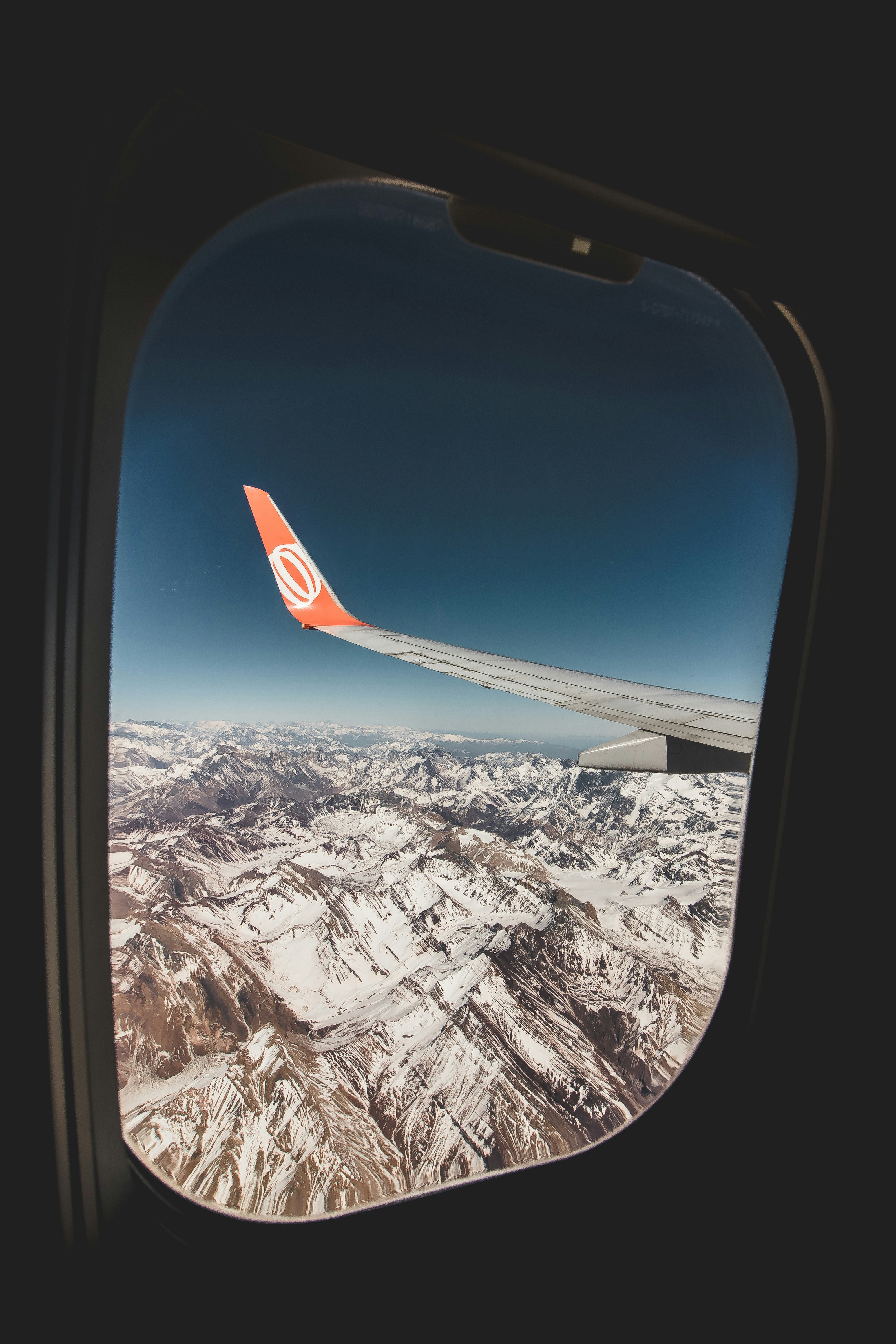
Lima and Cusco are roughly 1,100km apart as the crow flies, separated by the western Andes and high puna plateau. The journey is non-trivial: by air it takes 1.5 hours and requires arriving at altitude (3,310m) with no gradual acclimatisation; by bus it takes over 22 hours and involves long sections of winding mountain road. This guide covers every option, what each costs, and how to navigate the logistics at both ends.
Options at a Glance
| Route | Time | Cost (approx.) | Best For |
|---|---|---|---|
| Flight Lima → Cusco | 1.5 hrs (plus airport time) | USD 40–USD 120 one-way | Almost everyone |
| Bus Lima → Cusco (Cruz del Sur) | 22–26 hrs | S/80–S/180 | Budget travellers with time |
| Flight via Juliaca | 1.5 hrs to Juliaca + 6 hrs bus | USD 40–USD 80 + bus | Puno-first itineraries |
Flying Lima to Cusco
Flying is by far the most practical option for the vast majority of travellers. The route is one of Peru’s busiest domestic corridors and is served by multiple airlines daily.
Airlines and Fares
LATAM Peru is the dominant carrier, with up to 8–10 daily departures. Their fares are typically higher than budget competitors but their punctuality and baggage allowances are more predictable. A standard economy fare with one checked bag booked 4–6 weeks ahead costs approximately USD 65–USD 100 one-way as of 2026. Last-minute fares frequently rise to USD 150–USD 200 or more. Compare current flights to Peru and Lima across all carriers before booking directly with an airline.
Sky Airline offers base fares from approximately USD 40–USD 60 one-way when booked well ahead as of 2026. Note that Sky charges separately for checked baggage (approximately USD 12–USD 20 per bag) and seat selection. The all-in cost is typically USD 60–USD 90 for a traveller with one bag.
JetSmart operates the route with similar pricing to Sky - base fares from approximately USD 40–USD 55 as of 2026 with add-on fees for bags and seats. Read the fare conditions carefully before purchasing; the headline price rarely includes checked luggage.
Avianca operates seasonal routes and codeshares. Check their site for promotional fares.
Booking Tips
- Book 4–8 weeks ahead for reasonable fares. June, July, and August are peak months - book further ahead and expect fares at the upper end of the range.
- November to April (wet season) sees lower fares and more availability. Prices drop noticeably outside Peruvian school holiday periods.
- Bag allowances vary significantly between carriers. LATAM typically includes 23kg checked baggage on standard fares; Sky and JetSmart charge extra. Confirm at booking.
- Flexible dates: A one-day shift (e.g. Friday to Saturday) can save USD 20–USD 30 on the same carrier during peak periods.
- Book directly on the airline’s website or via a trusted OTA. Third-party sellers occasionally misrepresent baggage inclusions.
Lima Airport (Jorge Chávez International)
Lima has a single international and domestic airport: Jorge Chávez International Airport (LIM), located in the district of Callao, approximately 16km northwest of Miraflores and 12km from the historic centre.
Getting from Miraflores to the airport:
- Licensed taxi (Taxi Green, Taxi Directo, Uber): approximately USD 15–USD 25 as of 2026, depending on traffic. Journey time 30–50 minutes in normal conditions, up to 90 minutes in morning rush hour (07:00–09:00). Book via app or use the official taxi counters in arrivals - avoid unmarked taxis at the departures entrance.
- Official airport shuttle services operate from major Miraflores hotels, typically approximately USD 12–USD 18 per person as of 2026.
- Bus (Metropolitano + feeder routes): Technically possible but impractical with luggage and not recommended given the time saving from taxis is marginal at the relevant hours.
At the airport: Jorge Chávez has a domestic terminal connected to the international terminal. For domestic flights, check in at least 60 minutes before departure (90 minutes recommended during busy periods). The airport has a reasonable selection of restaurants, cafes, and currency exchange desks - though airport exchange rates are poor; change only a small amount to cover immediate costs.
Cusco Airport (Alejandro Velasco Astete)
Cusco’s airport, Alejandro Velasco Astete International Airport (CUZ), sits at 3,310m (10,860ft) - this is its most important characteristic for arriving passengers.
Altitude on arrival: You will feel the altitude immediately on leaving the aircraft. Breathlessness on walking from the plane to the terminal building is normal, even for healthy travellers. Move slowly, avoid rushing with luggage, and drink water. Read our altitude sickness guide for medication options and acclimatisation strategies before you travel.
Getting from Cusco airport to the city centre: The airport is 4km south of Plaza de Armas.
- Official taxi rank outside arrivals: approximately S/25–S/35 to the plaza as of 2026. Journey 20–30 minutes.
- Hotel pickup: Most hotels offer paid pickup (typically S/30–S/50) or can arrange a trusted driver. Worth organising in advance if arriving late in the evening.
- Do not accept taxi offers from touts inside the terminal.
Note: A new Chinchero International Airport has been under construction north of Cusco for years; as of 2026 it is not yet operational. All flights continue to use Alejandro Velasco Astete.
Bus from Lima to Cusco
The overland bus route exists but is genuinely long - most services take 22–26 hours covering approximately 1,100km via Nazca, Arequipa, and the altiplano. It is a viable option only if budget is the primary concern or if you want to stop en route.
Cruz del Sur
Cruz del Sur is Peru’s most reputable long-distance bus operator. Their Cama (reclinable flat-bed) seats and Cama Ejecutivo (wider flat-bed, fewer seats per bus) services between Lima and Cusco are substantially more comfortable than budget operators.
- Semi-cama (reclinable to ~135°): approximately S/80–S/120 one-way as of 2026
- Cama (fully reclinable): approximately S/130–S/180 one-way as of 2026
- Buses include a small meal, blanket, and onboard entertainment. The Cama service is considered comparable to a budget long-haul flight seat.
Book at cruzdelsur.com.pe. Departures from Lima’s main bus terminal area (Terminal Terrestre Plaza Norte in Los Olivos) - approximately 30 minutes north of Miraflores by taxi.
The Route and What to Expect
The Lima–Cusco bus route passes through Nazca (approximately 6–7 hours from Lima - home of the Nazca Lines), the Abancay area, and then climbs into the Andes before descending into the Cusco valley. The Andean section includes passes above 4,000m. Night buses mean you sleep through much of the scenery. Day departures exist but are less common.
Practical realities: The road is paved but includes long winding sections through the Andes. Some travellers experience motion sickness. The journey is tiring regardless of seat class. A combination of flying to Arequipa (1.5 hours, cheaper) and bussing onward to Cusco (10–11 hours) is sometimes a reasonable compromise.
Alternative Route: Via Juliaca and Puno
If your itinerary includes Lake Titicaca and Puno before Cusco, consider flying to Juliaca (the closest airport to Puno, 45km away) rather than Cusco.
- Juliaca airport (JUL) is served by LATAM and Sky from Lima. Fares approximately USD 40–USD 80 as of 2026.
- From Juliaca airport, a taxi to Puno costs approximately S/30–S/50 (45–60 minutes).
- From Puno, the bus to Cusco via the altiplano takes approximately 6–7 hours with operators including Cruz del Sur and Inka Express (the latter a tourist-oriented service with stops at Andean sites, approximately USD 40 as of 2026).
Note: Juliaca sits at 3,825m - higher than Cusco - so this route does not help with acclimatisation. If altitude sickness is a concern, fly directly to Cusco and acclimatise there.
Summary: Which Option to Choose
Fly directly Lima → Cusco if you have limited time, are travelling with luggage, or have any altitude sensitivity concerns. Book LATAM for reliability or Sky/JetSmart for price, and book at least 4 weeks ahead. Once in Cusco, browse day tours and excursions to plan the first days while acclimatising.
Take the bus only if you want to pass through Nazca or Arequipa as intermediate stops, or if budget is the binding constraint and losing 22–24 hours is acceptable.
Route via Juliaca if Lake Titicaca is your first destination and you plan to make your way to Cusco from Puno by land. Once in Cusco, see our Cusco to Machu Picchu guide for the next leg of the journey.
Plan Your Trip
✈️ Book your flights to Peru 🛡️ Get travel insurance 📱 Stay connected with an eSIM 🚗 Rent a car