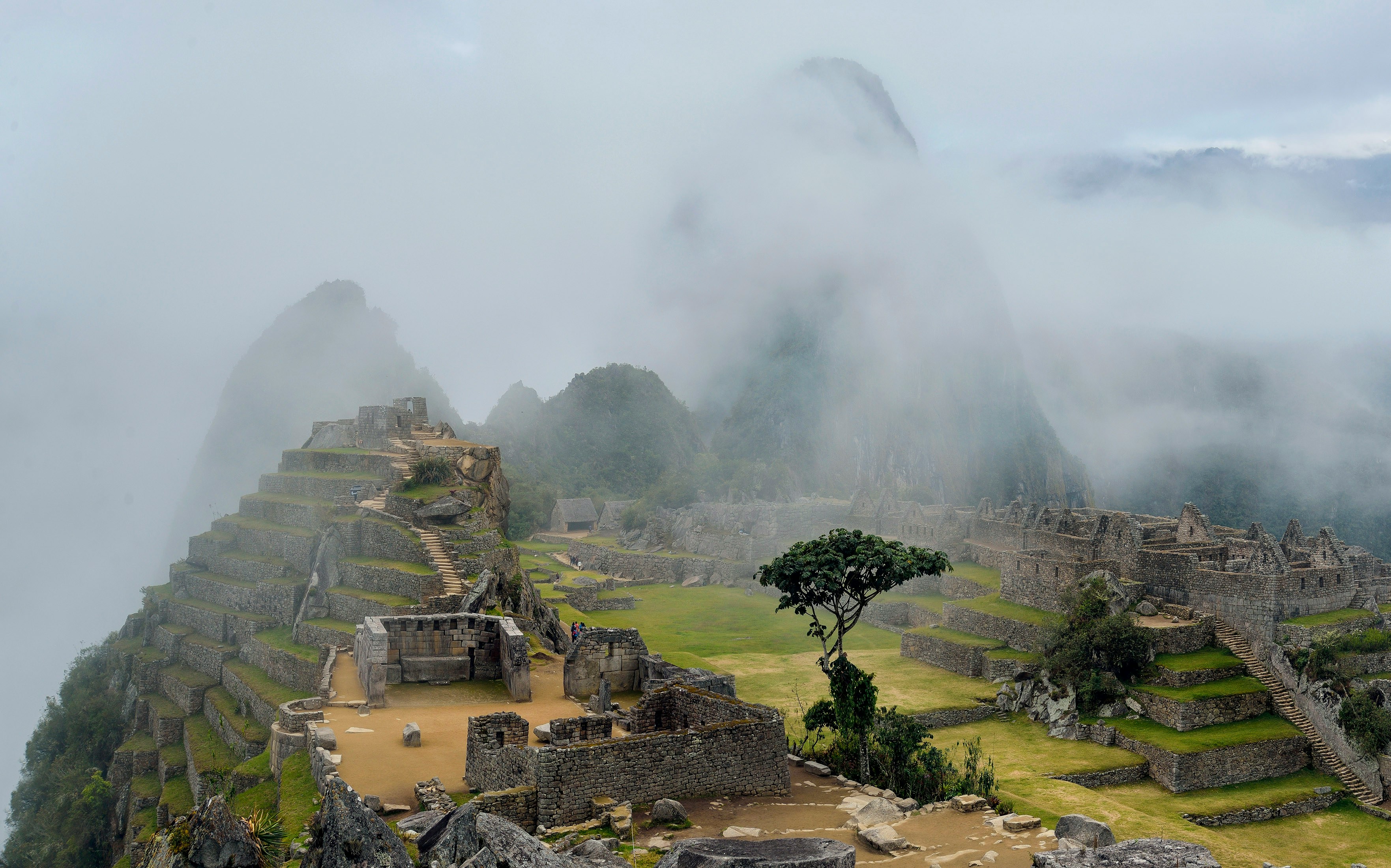
Peru sits at extremes - from sea-level Lima to 4,215m mountain passes on the Inca Trail, from the Pacific coast to the Amazon rainforest. That geographic range makes travel insurance more critical here than on most destinations: a single helicopter evacuation from a remote Andean location can cost more than the rest of the trip combined. Compare travel insurance options for Peru before committing - policies that cover altitude trekking and medical evacuation are the ones that matter here. This guide covers what Peru-specific risks to look for in a policy, what standard cover leaves out, and what adequate medical cover looks like for the routes most travellers take.
Before You Travel
- Travel insurance: EKTA — covers medical emergencies, trip cancellation, and travel delays
- Flights: Search international flights to Lima
- SIM card: Airalo eSIM for Peru — works on arrival at Jorge Chávez Airport
Healthcare in Peru: The Basics for Travellers
Peru has public and private healthcare infrastructure. Lima has well-equipped private hospitals - Clínica Anglo Americana and Clínica Ricardo Palma are commonly used by international travellers and have English-speaking staff. Outside Lima, private clinics in Cusco handle the most common tourist medical situations (altitude sickness, gastrointestinal illness, minor injuries). In remote areas - the Andes beyond Cusco, the Manu biosphere reserve, the northern Amazon - medical facilities are limited to basic clinics with restricted supplies and no specialist capacity.
No reciprocal healthcare agreements: Peru has no equivalent of the EU’s EHIC. There is no mechanism by which a foreign traveller receives state-subsidised care based on home-country health insurance. All medical costs for foreign nationals are paid privately, either out of pocket or through travel insurance. This applies to every nationality - US, UK, EU, Australian, Canadian, and others.
State vs. private hospitals: State hospitals in Peru are free for Peruvian citizens but are crowded and underfunded. International travellers are directed to private facilities, which charge market rates. A private GP consultation in Lima typically costs approximately USD 50–100 as of 2026; an emergency room visit at a private clinic can run USD 300–800 before any procedures.
The Altitude Factor
Altitude sickness is the medical issue that most distinguishes Peru from other South American destinations. Cusco sits at 3,399m. The Sacred Valley varies between 2,700m and 3,000m. Rainbow Mountain (Vinicunca) reaches 5,025m. Symptoms range from headache, nausea, and fatigue (mild AMS) to pulmonary and cerebral oedema (HACE/HAPE), which are life-threatening.
Treatment for mild AMS - rest, hydration, acetazolamide if prescribed - is straightforward at a Cusco clinic. Treatment for serious altitude complications may require descent by road or helicopter and possibly admission to a hyperbaric chamber. The nearest high-quality respiratory care to most Inca Trail trekkers is in Cusco or Lima.
What to check in your policy:
- Does the medical cover explicitly include AMS, HACE, and HAPE as covered conditions?
- Is there an altitude exclusion above a specific elevation? (Common exclusion: above 4,500m or 5,000m)
- Does medical evacuation cover helicopter rescue from high-altitude locations?
For trekking above 4,500m - Rainbow Mountain, Ausangate, or any routes in the Cordillera Blanca - a standard policy with altitude exclusions will not cover you. You need either an adventure policy with no altitude cap or a policy that explicitly states coverage above 5,000m.
Trekking and Adventure Activities
Peru’s trekking routes are a primary draw for many visitors. Cover requirements vary by activity:
Classic Inca Trail (4 days): Covered by most general travel policies as guided trekking. The trail is 43km, peaks at 4,215m, and is staffed by licensed guides. Medical emergencies on this route are handled by trail staff and can involve helicopter evacuation to Cusco.
Salkantay Trek and alternative Inca Trail routes: Similar to the Classic Trail but with higher passes (up to 4,638m on Salkantay). Same altitude considerations apply. Check the altitude exclusion clause.
Rainbow Mountain and Ausangate Circuit: Rainbow Mountain (5,025m) and the Ausangate full circuit (reaching over 5,000m) exceed the altitude cap on many standard policies. Verify explicitly before booking these routes.
Amazon trekking (Manu, Tambopata, Pacaya-Samiria): Jungle trekking is usually covered, but some policies require an adventure endorsement for multi-day remote expeditions. The primary risk factor here is medical evacuation cost from a location without road access.
Whitewater rafting (Colca, Apurímac rivers): Most adventure travel policies cover guided commercial rafting. Independent river travel is typically excluded. Confirm the guide operator is licensed.
Cycling and mountain biking: Death Road-style descents (common around Chivay or the Sacred Valley) are increasingly offered commercially. Standard policies may exclude motorised or non-motorised racing; guided scenic descents are usually covered.
Medical Evacuation: The Critical Clause
Medical evacuation cover is the most consequential clause in a Peru travel policy. The question is not whether you’ll use it - the chances are low - but what it costs if you do. Consider the geography:
- Inca Trail Day 3, above Dead Woman’s Pass (4,215m): Nearest hospital is approximately 2 hours by foot plus 1.5 hours by road to Cusco. Helicopter evacuation from the trail is the realistic option in a serious emergency. Cost: approximately USD 3,000–10,000 as of 2026.
- Manu National Park, Amazon basin: Road access is limited; the nearest city hospital is Puerto Maldonado or Cusco depending on the camp location. Full evacuation to Lima: USD 10,000–25,000 as of 2026.
- Repatriation to home country: Air ambulance from Lima to London or New York: USD 50,000–100,000 as of 2026. These are approximate figures; actual costs vary significantly by provider and medical requirement.
Minimum recommended medical evacuation cover: USD 250,000 for any itinerary involving trekking or remote areas. Higher is better - there is no practical upper limit on evacuation costs in extreme scenarios.
Common Coverage Gaps to Watch For
Pre-existing conditions: Most policies exclude medical costs arising from conditions that existed before the policy was purchased. If you have a heart condition, respiratory illness, or a history of altitude-related problems, declare it at purchase. Undisclosed pre-existing conditions routinely result in claim refusal.
Mental health emergencies: Some policies exclude or cap mental health-related emergency treatment. Review this clause if relevant.
Political unrest and civil disruption: Peru periodically sees protest activity, particularly in highland regions near Cusco. If protests disrupt your travel plans, trip interruption cover (not just medical cover) is the relevant clause. Not all policies cover civil unrest as a disruption event.
Rental vehicle accidents: If you rent a car or motorcycle (less common in Peru but possible in Arequipa or Cusco), verify whether your policy includes third-party liability or whether you need to purchase local insurance separately.
Lost documents and emergency cash: Passport theft is the most common serious administrative problem for tourists. Some policies include emergency document replacement costs and emergency cash transfers. Useful for Lima and Cusco where petty theft occurs in tourist districts.
What Adequate Cover Looks Like for Peru
| Cover type | Recommended minimum |
|---|---|
| Emergency medical | USD 250,000 |
| Medical evacuation / repatriation | USD 250,000 |
| Trip cancellation | Value of pre-paid, non-refundable costs |
| Baggage and personal effects | USD 2,000–3,000 |
| Personal liability | USD 1,000,000 |
| Adventure activities | Confirm trekking to intended altitude |
Single-trip policies for a 2–3 week Peru visit typically cost approximately USD 40–120 as of 2026, depending on age, home country, and level of cover. Annual multi-trip policies are worth comparing for travellers making 3+ international trips per year.
For the Inca Trail Specifically
If the Inca Trail is on your itinerary, these are the specific points to verify before purchasing:
- Trekking is explicitly covered (not under an exclusion list)
- No altitude exclusion below 4,300m, or altitude cover extends to at least 4,500m
- Medical evacuation from a remote non-road-accessible location is covered
- AMS, HACE, and HAPE are not listed under excluded conditions
- The policy is active from the date you book (not just the travel dates) for cancellation cover
Most reputable adventure travel policies cover the Classic Inca Trail without issues. Salkantay and Ausangate require more careful review given their higher elevations.
For information on what to expect from trekking conditions month by month, see our best time to visit Peru guide. For a full breakdown of trip costs including insurance, see our Peru travel costs article.
Related Guides
- Altitude Sickness in Peru - The most relevant health risk for most Peru visitors; understanding AMS, HACE, and HAPE before you go.
- Inca Trail to Machu Picchu - The trek most requiring solid insurance coverage: remote terrain, altitude over 4,200m, and non-refundable permits.
- Salkantay Trek - Reaches 4,600m; confirm your policy covers this altitude before booking.
- Huaraz Trekking Guide - Cordillera Blanca treks reaching 4,700–5,000m; evacuation from this area is expensive without coverage.
- Is Peru Safe? - Petty theft is common; understanding what your insurance covers for lost or stolen items helps avoid gaps.
- First-Time in Peru Guide - Insurance sits alongside visas and vaccinations as pre-departure essentials covered in this overview.
Our Recommendation
EKTA provides flexible cover for most nationalities visiting Peru, with policies including medical emergencies, emergency evacuation, trip cancellation, and baggage loss. Quotes are instant and policies are issued online — the whole process takes under five minutes, and single-trip cover for a typical two-week visit starts from around $30.
Plan Your Trip
✈️ Book your flights to Peru 🛡️ Get travel insurance 📱 Stay connected with an eSIM 🚗 Rent a car