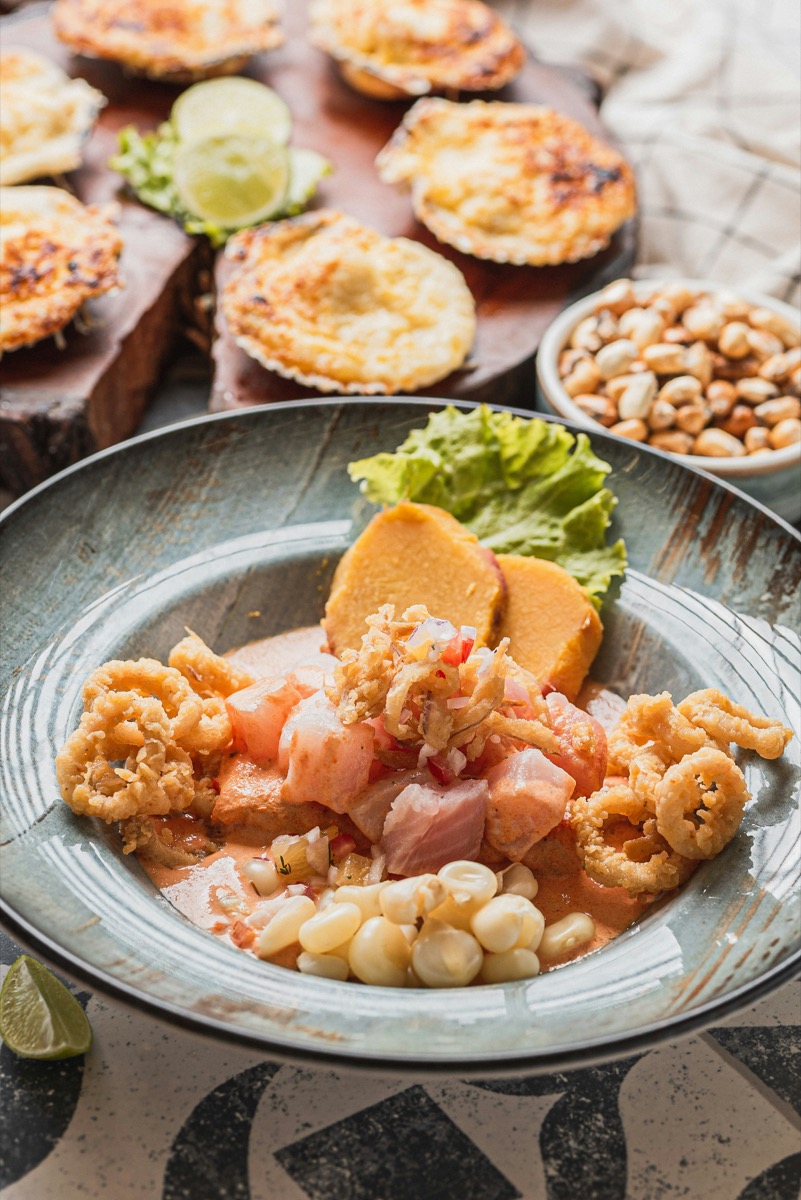
Peru’s cuisine is one of the world’s most celebrated - a UNESCO-recognised blend of Andean, Japanese, Spanish, Chinese, and Amazonian influences. Learning to cook it in Cusco, surrounded by native potato markets and high-altitude spice stalls, gives you something to take home that no guided tour can replicate. Here’s where to go and what to expect.
Why Take a Cooking Class in Cusco?
Cusco sits at the centre of Peru’s culinary geography. The Sacred Valley’s native potato varieties (there are over 3,000 in Peru), Andean herbs, quinoa, and ají peppers grown at altitude all land in the San Pedro market each morning. A cooking class here isn’t just about recipes - it’s about understanding where the ingredients come from and why altitude, geography, and immigration shaped what Peruvians eat today.
Most classes begin with a guided market visit before any cooking happens. This is where you meet the vendors, smell the different ají varieties, and choose the raw material you’ll use in the kitchen. It’s one of the most useful travel experiences for understanding a place through its food.
Top Cooking Class Operators in Cusco
Cusco Culinary Workshop
Price: approximately $45–$55 per person (S/165–202) | Duration: 4 hours
One of the most consistently rated options in the city. Sessions run mornings (starting 8:30am for the market visit) and early afternoons. You’ll typically make three dishes - ceviche is almost always one of them - plus a pisco sour cocktail. Maximum 8 participants per session ensures hands-on time at the stove rather than watching from across the room. Book via their website or through the desk at Loki Hostel and several Cusco hotels.
Marcelo Batata
Price: approximately $65–$90 per person (S/238–330) | Duration: 4–5 hours
Marcelo Batata is a well-established Cusco restaurant on Calle Palacio, and their cooking classes draw on the same kitchen team that runs dinner service. The premium price reflects proper restaurant facilities, a more structured curriculum, and usually a broader menu - expect lomo saltado, a potato dish, and a traditional dessert alongside ceviche. Smaller maximum group sizes (6 people) and bilingual instruction (Spanish/English). Reserve at least 3–4 days ahead; this sells out in high season.
Inca’s Garden Cooking School
Price: approximately $35–$45 per person (S/129–165) | Duration: 3.5 hours
More affordable than the above and popular with backpackers. Runs from a dedicated teaching kitchen in the San Blas neighbourhood. The curriculum covers Peruvian staples with less emphasis on technique and more on accessible home cooking. Good for those who want a fun afternoon rather than a deep culinary education. Groups of up to 12.
Cooking Experience Peru (Tupay)
Price: approximately $50–$65 per person (S/183–238) | Duration: 4 hours
Connected to the Inkaterra La Casona boutique hotel on Plaza Nazarenas. Classes use locally sourced ingredients with an emphasis on traditional Andean cooking methods, including clay pot preparation and wood-fire techniques. The colonial kitchen setting is visually impressive. Best for those interested in pre-Columbian ingredient traditions as much as the recipes themselves.
Peruvian Cooking Class by Marco
Price: approximately $30–$40 per person (S/110–147) | Duration: 3 hours
Budget-friendly option run by a local chef. Shorter session, covers two dishes only, but comes with a pisco sour and good humour. Primarily found on GetYourGuide and Viator with consistently positive reviews. Good entry-level option if you’re undecided about committing a full morning.
What a Typical Class Includes
Market visit (45–60 minutes): Your instructor leads you through Mercado San Pedro or a smaller neighbourhood market, explaining native ingredients, selecting produce, and demonstrating how to choose a good ají or a ripe camu camu. This is often cited as the most memorable part.
Kitchen session (2–3 hours): You work through the dishes - usually in pairs or small groups around a shared worktop. Instructors demonstrate first, then guide you as you replicate each step. Most dishes are made from scratch; some classes use pre-prepped base components for time efficiency.
The meal (30–45 minutes): You eat what you’ve cooked. Most classes include a pisco sour at this stage. Take-home recipe cards are standard.
What You’ll Learn to Cook
Most Cusco cooking classes feature some combination of:
Ceviche: Raw fish (usually white fish - corvina or tilapia) cured in lime juice (leche de tigre), mixed with red onion, ají amarillo, and choclo corn. The defining dish of Peruvian cuisine.
Lomo saltado: Stir-fried strips of beef with tomatoes, red onion, and yellow peppers, finished with soy sauce and served over rice and chips. A classic example of the Chinese-Peruvian chifa influence.
Causa limeña: A chilled terrine of yellow potato seasoned with ají amarillo and lime, layered with tuna or chicken filling. Deceptively delicate technique - great for practising potato handling.
Rocoto relleno: A stuffed red rocoto pepper (much hotter than a capsicum) filled with spiced minced beef and cheese, then baked. Arequipa origin but taught widely across Cusco kitchens.
Papa a la huancaína: Boiled potatoes in a spiced cream cheese sauce made with ají amarillo and white bread. Simple and rich.
Practical Details
Best time to book: June–August is peak season - classes fill fast, especially Marcelo Batata and Cusco Culinary Workshop. Book at least a week ahead. November–April (low season) has more flexibility and sometimes lower pricing.
What to wear: Closed-toe shoes and comfortable clothes you don’t mind splashing. Most kitchens provide aprons. Don’t wear your best shirt for a cooking session involving lime juice and frying oil.
Vegetarian/vegan options: All the operators above accommodate vegetarian requirements with advance notice. Vegan options are available at Cusco Culinary Workshop and Inca’s Garden specifically - tell them when booking.
Language: Classes are conducted in English, Spanish, or both. Confirm the language when booking, especially for smaller local operators.
Altitude note: Cusco sits at 3,400m. If you’ve just arrived, consider taking a class on day two or three once you’ve acclimatised - standing in a kitchen for three hours is more tiring than you’d expect at altitude.
Browse guided food experiences and cooking tours in Cusco through our things-to-do booking page.