Lima rewards slow eating more than fast sightseeing. This three-day itinerary is built around the city’s culinary identity - not as an afterthought but as the main event - while still covering the key historical and cultural sites. We have structured each day around a single district to avoid losing hours in Lima’s traffic.
Before You Arrive
Restaurant bookings: Reserve Central and Maido at least 2–3 months in advance through their websites. Astrid y Gastón can sometimes be booked 2–4 weeks ahead. Everything else on this itinerary is bookable same-day or walk-in.
Transport: Download Uber and InDrive before landing. Both work reliably in Lima and are cheaper and safer than street taxis. A ride from Jorge Chávez Airport to Miraflores costs approximately S/50–S/80 (USD 13–21) and takes 25–50 minutes depending on traffic.
Base: Stay in Miraflores for the best balance of safety, restaurants, and proximity to the coast.
Day 1 - Miraflores: Coast, Ruins, and Ceviche
Morning - Larcomar and the Malecón
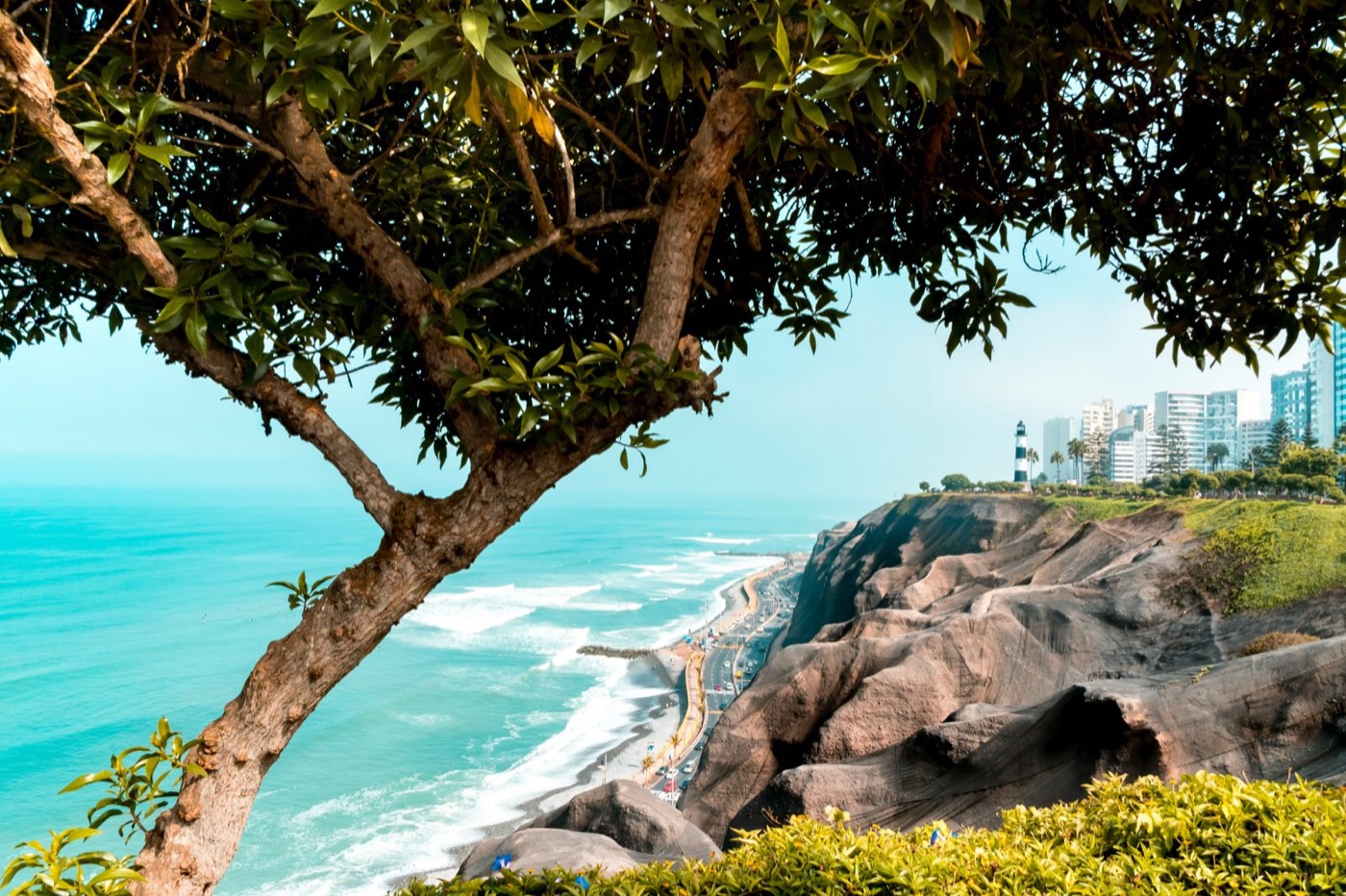
Start at the Parque del Amor on the clifftop malecón (free, open 24 hours). The mosaic benches and Gaudí-influenced tilework face the Pacific - clear mornings offer views down the coastline to Chorrillos. Walk south along the clifftop path to Larcomar shopping centre (free entry), built into the cliff face. Skip the shops but grab a coffee at one of the terrace cafés overlooking the ocean.
Late Morning - Huaca Pucllana
Walk 10 minutes inland from the malecón to Huaca Pucllana (entry approximately S/15 / USD 4, guided tours run 09:00–16:30 Wednesday–Monday, closed Tuesdays). This adobe pyramid dates to 400–700 AD and sits in the middle of a residential district - the contrast between ancient architecture and apartment blocks is striking. Tours last approximately 45 minutes and are conducted in Spanish and English.
Lunch - First Ceviche
Head to La Mar (Av. La Mar 770, Miraflores - approximately S/60–S/100 per person as of 2026) for your first proper ceviche. This is Gastón Acurio’s flagship cevichería and one of the most reliable introductions to Peruvian seafood. Order the ceviche clásico and a causa rellena. Arrive before 12:30 - the queue builds quickly and they do not take lunch reservations.
Budget alternative: El Mercado de Surquillo (Mercado No. 1, 10 minutes by taxi from central Miraflores) has ceviche stalls serving excellent plates for S/15–S/25.
Afternoon - Museo Larco
Take a taxi to Museo Larco in Pueblo Libre (approximately S/20–S/30, 20 minutes from Miraflores). Entry is approximately S/30 / USD 8 (open daily 09:00–22:00). The collection spans 5,000 years of pre-Columbian art - the textile galleries and gold room are the highlights. Allow 2–2.5 hours. The museum garden café serves lunch and drinks.
Evening - Fine Dining
This is the night for a significant meal. Central (Av. Pedro de Osma 301, Barranco - tasting menu approximately USD 120–250 per person as of 2026, excluding drinks) uses ingredients from across Peru’s ecosystems. If Central is booked out, Maido (Calle San Martín 399, Miraflores - Nikkei tasting menu approximately USD 100–200 per person) is equally extraordinary. Both require reservations months ahead.
Mid-range alternative: Astrid y Gastón (Casa Moreyra, San Isidro - approximately USD 50–80 per person) for contemporary Peruvian dishes in a restored colonial house.
Day 1 budget: USD 50 (hostel + market lunch + casual dinner) / USD 110 (mid-range hotel + La Mar + good dinner) / USD 300+ (luxury hotel + fine dining)
Day 2 - Historic Centre: Plaza Mayor, Catacombs, and Chinatown
Morning - Plaza Mayor and the Cathedral
Taxi to the Centro Histórico (approximately S/15–S/20 from Miraflores, 20–30 minutes). Start at Plaza Mayor - the Government Palace, Lima Cathedral (entry approximately S/15 / USD 4, open Monday–Saturday 09:00–17:00), and the Archbishop’s Palace are all on the square. The cathedral interior is worth 30 minutes for the carved choir stalls and the chapel attributed to Pizarro.
Mid-Morning - San Francisco Catacombs
Walk one block south to the Convento de San Francisco y Catacumbas (entry approximately S/30 / USD 8, guided tours run continuously 09:00–20:15). The underground catacombs contain an estimated 25,000 human remains arranged in geometric patterns - it is one of Lima’s most distinctive sites. The colonial library upstairs holds 25,000 texts. Allow 1.5 hours for the full tour.
Lunch - Chinatown (Barrio Chino)
Walk 10 minutes northeast to Lima’s Barrio Chino, centred on Calle Capón. This is the birthplace of chifa - Chinese-Peruvian fusion cuisine. Wa Lok (Jirón Paruro 878 - approximately S/35–S/60 per person) is the district’s best-known chifa restaurant. Order the arroz chaufa (fried rice with wok-charred chicken) and the tallarín saltado. For a faster, cheaper option, the small stalls inside Mercado Central (two blocks south) serve plates from S/10–S/18.
Afternoon - Casa de Aliaga and Jirón de la Unión
Visit the Casa de Aliaga (entry approximately S/30 / USD 8, by guided tour only - book at the door or through your hotel). It has been continuously occupied by the same family since 1535, making it the oldest colonial house in the Americas still in private hands. The Moorish and Baroque interiors are remarkably preserved.
Walk down Jirón de la Unión, Lima’s historic pedestrian street, back toward the Plaza. Stop at the Iglesia de La Merced (free entry) for its carved Baroque façade.
Evening - Peruvian Home Cooking
Return to Miraflores or Barranco for dinner. Sonia La de Siempre (Miraflores - approximately S/30–S/55 per person) is a family-run spot specialising in classic criollo dishes: seco de cordero, carapulcra, tacu tacu. Panchita (Av. 2 de Mayo 298, Miraflores - approximately S/40–S/70 per person) serves anticuchos (grilled beef hearts) that are among the best in the city.
Day 2 budget: USD 40 / USD 90 / USD 200+
Day 3 - Barranco Art District, Callao, and Sunset
Morning - Barranco Walking Tour
Taxi to Barranco (approximately S/8–S/12 from Miraflores, 10 minutes). Start at the Puente de los Suspiros (Bridge of Sighs, free) - the wooden bridge over the ravine is one of Lima’s most photographed spots. Walk through the street art along Calle Sánchez Carrión and browse the small galleries around Avenida Saenz Peña.
Visit the MATE museum (Mario Testino photography - entry approximately S/30 / USD 8, open Tuesday–Sunday 11:00–19:00). The rotating exhibitions are strong and the building itself is a restored colonial house.
Late Morning - Barranco Market and Coffee
Browse the weekend artisan market in Parque Municipal (Saturday–Sunday mornings, free entry). For coffee, Tostaduría Bisetti (Av. Pedro de Osma 116 - approximately S/12–S/18 per cup) roasts single-origin Peruvian beans on site and is one of the best speciality coffee shops in the city.
Lunch - Isolina or Canta Rana
Two Barranco institutions sit within five minutes of each other. Isolina Taberna Peruana (Av. San Martín 101 - approximately S/50–S/80 per person as of 2026) does elevated home-style cooking: lomo saltado, arroz con mariscos, and enormous shared platters. Canta Rana (Genova 101 - approximately S/40–S/70 per person, open lunch through early dinner only) is a classic cevichería with paper tablecloths and cold beer.
Afternoon - Callao Food Tour
Take a taxi to Callao (approximately S/15–S/20, 25 minutes from Barranco). The port district has undergone a cultural shift - the Monumental Callao project has turned warehouses into galleries, murals, and food spaces. Walk the street art circuit and eat at the small market stalls inside the complex (ceviche and causa for approximately S/15–S/25).
For a more structured experience, Lima Bites Food Tour runs Callao-specific walking tours (approximately USD 65–85 per person as of 2026, 3–4 hours, includes multiple tastings). Book through their website at least 48 hours ahead, or browse the full range of Lima food and city tours to find the option that fits your interests and schedule.
Evening - Sunset from Costa Verde
Return to Miraflores for sunset. The Costa Verde highway runs along the base of the cliffs - walk down from the malecón via the stairs near Larcomar. The beach at Playa Makaha faces west and catches the full Pacific sunset. Alternatively, watch from the clifftop terrace at Cala restaurant (Costa Verde beachfront - drinks from S/25, dinner approximately S/80–S/130 per person) or the rooftop bar at Hotel B in Barranco (cocktails approximately S/35–S/50).
Day 3 budget: USD 45 / USD 100 / USD 250+
Hotel Recommendations
| Tier | Hotel | Location | Approx. Rate (as of 2026) |
|---|---|---|---|
| Budget | Pariwana Hostel | Miraflores | USD 14 dorm / USD 48 private |
| Budget | Kokopelli Hostel | Miraflores | USD 12 dorm / USD 45 private |
| Mid-range | Casa Andina Premium Miraflores | Miraflores | from USD 90/night |
| Mid-range | Ibis Larco Miraflores | Miraflores | from USD 55/night |
| Premium | Hotel B | Barranco | from USD 180/night |
| Premium | Belmond Miraflores Park | Miraflores | from USD 220/night |
| Luxury | JW Marriott Lima | Miraflores | from USD 280/night |
Search hotels in Lima on Booking.com
Three-Day Budget Summary
| Category | Budget (USD/day) | Mid-Range (USD/day) | Luxury (USD/day) |
|---|---|---|---|
| Accommodation | 12–20 | 55–90 | 180–280+ |
| Food | 15–25 | 35–65 | 80–200+ |
| Entry fees / activities | 8–15 | 15–30 | 30–85 |
| Transport | 5–10 | 10–20 | 20–40 |
| Total | ~USD 45/day | ~USD 100/day | ~USD 250+/day |
Getting Around Lima
Uber/InDrive: The default for tourists. Most rides within Miraflores–Barranco cost S/8–S/15. To the Historic Centre, expect S/15–S/25.
Metropolitano bus: The dedicated busway runs north–south through the city. A single ride costs S/2.50. Useful for the Historic Centre (Estación Central) if you want to avoid taxi traffic. Buy a rechargeable card at any station.
Walking: Miraflores and Barranco are both walkable within their own boundaries. The clifftop malecón connects them (approximately 30 minutes on foot).
Airport transfers: Registered taxi from the arrivals desk costs approximately S/60–S/80 to Miraflores. Uber picks up from the rideshare zone outside. The journey takes 25–50 minutes depending on time of day.
Related Lima and Peru Planning Resources
- Lima Travel Guide - Full city guide: all neighbourhoods, top sights, hotels, and transport options.
- Things to Do in Lima - The complete activity list: Larco Museum, Huaca Pucllana, Pachacamac, the Magic Water Circuit, and more.
- Lima Food Guide - Where to eat ceviche, tiradito, causa, and fusion cuisine by neighbourhood and budget.
- Where to Stay in Lima - Miraflores vs Barranco vs San Isidro: which base suits your Lima visit.
- Day Trips from Lima - Paracas, Ballestas Islands, Huacachina, Caral, and Pachacamac with transport costs.
- Lima Restaurant Guide - From Central and Maido to La Mar and market menú del día spots.
- Vegan Lima - Plant-based restaurants across Miraflores and Barranco.
- 1-Week Peru Itinerary - This Lima itinerary as Day 1–2 of the full circuit to Cusco and Machu Picchu.
- Lima to Cusco Guide - Flight, overnight bus, and other options to continue south after your Lima stay.
Book Your Trip
- Flights - Find the best fares to Peru
- Travel Insurance - Get covered before you go
- eSIM - Stay connected from landing
- Airport Transfers - Pre-book your transfer from Lima Jorge Chavez Airport
- Car Rental - Compare prices across providers
- Tours & Activities - Browse Peru tours on GetYourGuide