Peru’s “rainy season” is a regional fact, not a national one. From November to March the Andes get most of the year’s rain, yet the coast is in full summer, Arequipa stays largely dry and the Amazon is at its most navigable by boat. If you are travelling in 2026-27 between November and February, this guide shows where the weather works, where it does not, and how to plan around it. For month-specific detail, see our guides to Peru in November, December, January and February, and the wider best time to visit Peru comparison.
How Peru’s Seasons Actually Work
Peru has three climate zones, and each runs on its own calendar.
| Region | Nov-Feb conditions | Verdict |
|---|---|---|
| Lima and the central coast | Dry, sunny, 24-28°C, warm sea | Best months of the year |
| Trujillo, Chiclayo, Piura (north coast) | Hot, dry, 28-30°C | Excellent |
| Arequipa and Colca Canyon | Warm days, short afternoon showers | Good, green landscapes |
| Cusco, Sacred Valley, Machu Picchu | Wet afternoons, cloud, 17-20°C daytime | Workable with flexibility |
| Puno and Lake Titicaca | Cold, wet, festival season in February | Mixed |
| Iquitos and Puerto Maldonado | Hot, humid, high water | Good for boat wildlife |
| Huaraz and the Cordillera Blanca | Snow and rain, trekking is poor | Skip for trekking |
The rainy season builds gradually. November is a shoulder month with mostly sunny mornings and storms after lunch. December brings steadier rain. January and February are the wettest weeks, and March tapers off. Rain in the highlands usually falls as afternoon or overnight downpours rather than all-day drizzle, so mornings are often clear enough for sightseeing.
The Coast in Summer: Lima and the North
The wet Andes sit behind a dry desert coast. Lima receives almost no rain in any month. Between December and March the winter “garua” mist disappears, the Pacific warms to roughly 19-21°C and the Costa Verde beaches fill at weekends. We cover the best of this in our Lima in January guide and our Lima travel guide. Beaches south of the city, including Punta Hermosa, San Bartolo and Asia, are popular with Limeños, and our beaches near Lima page covers how to reach them.
Further north, Trujillo, Chiclayo and Piura are hot and dry. The one coastal risk is a strong El Niño year, when northern rivers flood and roads wash out, as happened in early 2017. Check SENAMHI forecasts at gob.pe/senamhi if you are planning a northern route.
Arequipa and the Colca Canyon
Arequipa sits at 2,335m in a desert basin and is one of the best rainy-season bets in the country. Days are warm, the volcanoes are often clear in the morning, and any rain tends to arrive late in the day. The Colca Canyon is greener than in the dry months, with terraces in full growth, though trails get muddy and Andean condors are slightly less reliable on cloudy mornings. Most visitors book the standard two-day Colca tour from Arequipa through a local operator, from about US$40-60 per person for a basic group tour as of 2026. Our Arequipa tours link shows current departures.
Cusco, the Sacred Valley and Machu Picchu
This is where the rain matters most. Cusco’s January and February highs sit around 17-19°C with lows near 7-8°C, and heavy storms are common after midday. In return you get the lowest prices of the year. Mid-range hotels commonly drop to about US$60-90 a night, against US$150-200 in July, and tour groups are small.
What to expect at Machu Picchu. The citadel is open all year. Mist often hangs over the terraces until mid-morning, which makes for atmospheric photographs, and showers are more likely after about 14:00. Take the first bus up from Aguas Calientes, bring a poncho (the site restricts umbrellas), and book tickets through the official portal at tuboleto.cultura.pe well ahead. Our Machu Picchu in February guide covers the Inca Trail closure and alternatives in detail.
Rail and road risk. Heavy rain can trigger landslides that delay trains or close roads for a day or more. Build one spare day into your itinerary, avoid booking an international flight home on the evening you return from Machu Picchu, and take travel insurance with trip-delay cover (see travel insurance for Peru).
Trekking. The Inca Trail closes for the whole of February. The Salkantay Trek stays open but is wet, cold and demanding in January and February, and we recommend it only for experienced trekkers. Nov to early December are the more realistic months to trek. See Inca Trail alternatives for the options.
Puno and Lake Titicaca
Lake Titicaca is cold and wet in January and February, with night temperatures falling to around 3-5°C. The reward is the Virgen de la Candelaria festival, centred on 2 February, when Puno fills with dance troupes and hotel prices rise sharply. Book at least three months ahead for the festival weeks; otherwise rooms are easy to find from November to December.
The Amazon at High Water
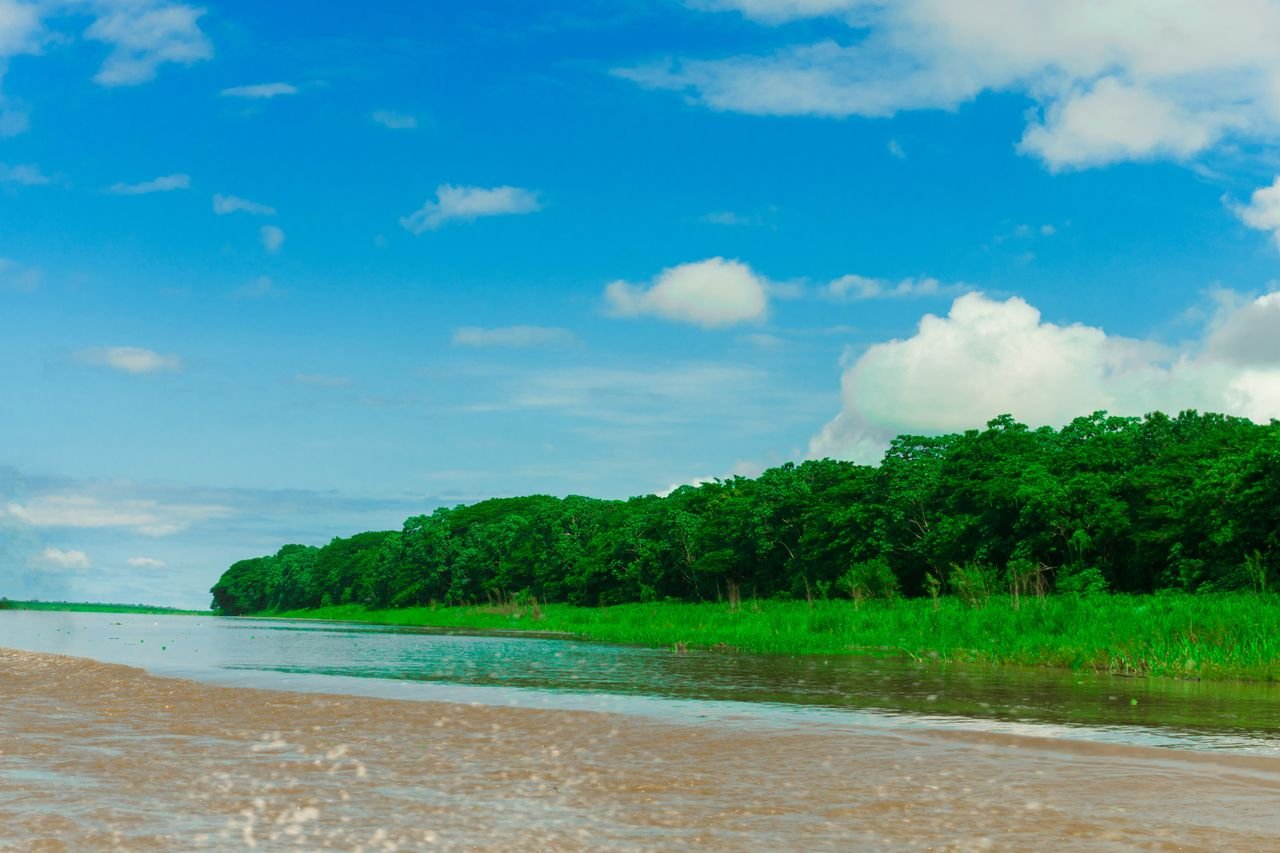
The Amazon does not have a dry-versus-wet switch the way the Andes do; it is humid and rainy most of the year. From about December to May the rivers rise, and boats can reach flooded forest that is inaccessible in September. That favours canoe-based wildlife viewing around Iquitos and Puerto Maldonado: caimans, pink river dolphins, monkeys at canopy level and giant river otters. Temperatures hover around 30-32°C with high humidity, so expect heavy showers lasting an hour or two rather than days. Lodges run year-round, and flights from Lima to both cities are generally reliable, though thunderstorms can cause delays. Compare tours at Iquitos tours or Puerto Maldonado tours.
Mosquito protection matters more than usual at high water. Carry a 30-50% DEET repellent, and check yellow fever vaccination requirements for jungle areas before you travel.
Huaraz and the Cordillera Blanca
Skip trekking here in the wet season. Snow and rain obscure the peaks, trails are slippery and the Huayhuash and Santa Cruz routes are at their least pleasant. The dry season from May to September is when Huaraz works. If you do pass through in summer, treat it as a short stop rather than a trekking base. See our Huaraz trekking guide for the dry-season plan.
Sample Rainy-Season Routes
Beach and Arequipa (8 days): Lima (3 nights), Arequipa and Colca (3 nights), Paracas and the Ballestas Islands (2 nights). Mostly dry the whole way, and the cheapest way to get good weather in January.
Amazon and Cusco (10 days): Lima, Iquitos or Puerto Maldonado (3-4 nights), then Cusco and Machu Picchu (4-5 nights) with flexible dates. Fly into the highlands last so you can swap days if rain disrupts the rail.
Highland value trip (7 days): Cusco (3 nights), Sacred Valley (2 nights), Machu Picchu (1 night in Aguas Calientes). Plan morning activities, keep afternoons for museums, markets and cafes, and expect to pay roughly half of July’s prices.
What to Pack for the Wet Season
- A proper waterproof shell and poncho, not a showerproof layer
- Quick-dry trousers and a spare pair of shoes or waterproof boots
- A dry bag for electronics on trains and boats
- A warm fleece for Cusco and Puno evenings
- Sun cream, sunglasses and a hat for the coast and for high-altitude sunny spells
- DEET repellent for the Amazon
Our what to pack for Peru guide has a full checklist, and the altitude sickness guide explains how to acclimatise at 3,400m in Cusco.
Money and Booking Notes for 2026-27
Prices below are approximate as of 2026 and vary by operator. Cusco hotels and group tours are at their cheapest from mid-January to February, while Christmas and New Year (including 30 December to 1 January) are priced at a premium everywhere, especially in Lima, Cusco and Machu Picchu. Book flights to Cusco early for December. We suggest searching flights to Peru at least two to three months out, and arranging guided Machu Picchu tours once your dates are fixed.
Plan Your Rainy-Season Trip
- Peru in November - the best shoulder month for the highlands.
- Peru in December - Christmas pricing and the start of heavy rain.
- Peru in January - beach weather and wet highlands.
- Peru in February - Carnival, the Inca Trail closure and the lowest highland prices.
- Machu Picchu tickets - how to book entry slots.
Plan Your Trip
Choose your region before you choose your dates. Lima, Arequipa and the Amazon work throughout November to February, while Cusco and Machu Picchu need flexible days and a good rain jacket.
✈️ Book your flights to Peru 🛡️ Get travel insurance 📱 Stay connected with an eSIM