February Weather in Peru
February is the wettest month of the year across most of the highlands and the peak of summer on the coast.
| City | Avg High | Avg Low | Conditions |
|---|---|---|---|
| Lima | 28°C | 21°C | Sunny, hot - peak summer |
| Cusco | 17°C | 8°C | Wettest month - heavy afternoon rain, some mornings clear |
| Arequipa | 20°C | 9°C | Occasional heavy rain, mostly warm |
| Puno | 14°C | 5°C | Peak rainy season, Carnival festivities |
| Trujillo | 29°C | 20°C | Dry, hot - excellent |
| Iquitos | 32°C | 23°C | High-water peak, very humid |
The Inca Trail Closure
The entire regulated Inca Trail closes for the month of February for annual maintenance and trail restoration. This is a full closure — no exceptions, no extended permits from January. The closure covers the 4-day Classic Inca Trail and the 2-day Short Inca Trail. It does not affect Machu Picchu itself.
What remains open:
- Salkantay Trek: Open in February. Wetter and harder than usual but doable with serious waterproof gear. The Salkantay Pass (4,638m) is frequently in cloud in February.
- Aguas Calientes train route: Machu Picchu is accessible by train from Cusco year-round. No trekking involved; the site itself stays open.
- Inca Jungle Trail: An alternative multi-day route via Abra Málaga (cycling down) and Santa María. Open in February.
- Lares Trek: The high-altitude Lares route, passing through traditional Quechua communities and hot springs, is open in February and requires no permit.
Machu Picchu in February
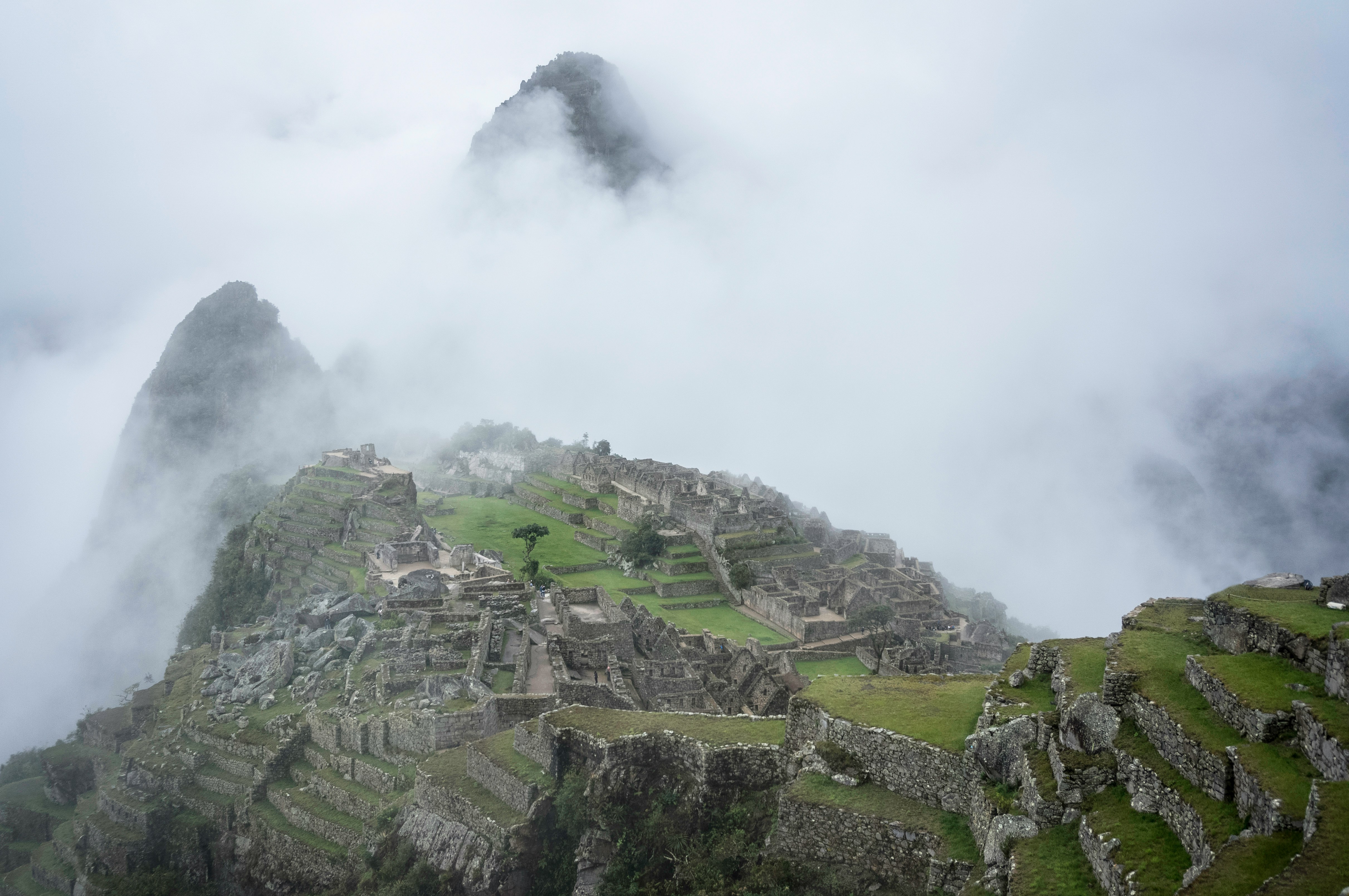
Machu Picchu is fully open throughout February and is at its least crowded. The absence of Inca Trail trekkers removes a significant portion of visitor traffic; the site operates at perhaps 25–30% of its August capacity.
How to access without the Inca Trail: Take the train from Cusco (Poroy station or San Pedro) or the Sacred Valley (Ollantaytambo) to Aguas Calientes. Peru Rail and Inca Rail operate multiple daily services. From Aguas Calientes, buses run from 05:30 to the ruins entrance. Book train tickets in advance — not because February is crowded, but because limited train frequency means seats go early.
February site conditions: Mornings are often clear or partially clear, with mist adding drama to the sunrise over the ruins. Cloud typically thickens from mid-morning, with heavy rain from early afternoon. The classic strategy: take the first bus at 05:30, arrive at sunrise, spend 4–5 hours at the site, and descend by early afternoon before rain sets in.
Ticket availability: February is the easiest month to obtain Machu Picchu tickets. Entry slot times are available via machupicchutickets.gob.pe with minimal advance notice outside of Carnival weekend, when a small domestic travel surge affects availability.
Carnival in Peru
La Virgen de la Candelaria, Puno
Puno’s Candelaria festival is the largest folk dance and music festival in South America — UNESCO-recognised and genuinely extraordinary. The main celebration centres on 2 February (the feast day of the Virgen de la Candelaria) but extends over two weeks, with the competitive phase running through the second week of February.
Over 200 registered dance and music groups, each representing different Andean traditions, compete in the stadium and main plaza. Diablada (devil dance), Morenada, Caporales, and Tinku are among the most spectacular. The costumes take communities months to construct and can cost thousands of dollars per dancer.
Logistics for Puno in February: Book accommodation at least 3 months ahead for Candelaria week — Puno’s limited hotel stock fills entirely for the festival period. Prices rise 3–5x above normal. Budget approximately S/ 300–600 per night for a basic hotel in the festival week, compared to S/ 80–120 in a quieter month.
Puno is 3.5 hours by bus from Cusco. Buses and shared taxis run daily; book ahead for the festival period. Puno sits at 3,830m — acclimatise in Cusco for 2–3 days before arriving if you are sensitive to altitude.
Cajamarca Carnival
Cajamarca hosts one of South America’s most famous carnivals — running the week before Ash Wednesday, typically mid-February. It is famous for ungas, the traditional water fights in which anyone walking on the streets is fair game. Locals use spray foam, paint, and water simultaneously.
Colourful parades, traditional food markets, the Yunza tree-cutting ceremony, and live music throughout the town make Cajamarca’s carnival an immersive rather than spectator experience. Cajamarca is approximately 300km north of Trujillo and well-connected by bus.
Cusco and the Highlands
Local communities across the highlands celebrate Carnival with water fights, music, and flour-throwing over the weekend before Ash Wednesday. Expect to get wet in any highland town on Carnival weekend — the water fights are not optional for bystanders.
Lima and the Coast in February
February is peak summer on the coast — the best month for Lima’s beaches. Miraflores promenades are busy from morning; the sea is warm at 22–23°C; outdoor dining is at full capacity. The Asia beach resort strip (100km south of Lima) is at peak season, with beach clubs, concerts, and restaurants operating at full capacity on weekends.
Lima dining and nightlife in February: The outdoor culture of Lima is fully active. Rooftop bars in Miraflores and Barranco are busy every evening. Lima’s world-class restaurants (Maido, Central, Kjolle, Astrid y Gastón) require booking 3–4 weeks ahead for weekend tables in February.
Trujillo and the north: The northern coast at Trujillo averages 29°C in February — the warmest month of the year. Chan Chan and the Huaca de la Luna are excellent; the surf break at Huanchaco is at its best.
The Amazon in February
High-water season peaks in February. The Pacaya Samiria National Reserve and the flooded forests around Iquitos reach their maximum extent, opening waterways and wildlife access that are entirely unavailable in dry season.
What this means on the ground: Boat-based wildlife spotting is at its best. Caimans are visible along every waterway. Pink river dolphins (boto) are active and visible daily from the boat. Giant river otters occupy flooded lagoons near lodges. Manatee, which retreat to deep water in dry season, are accessible in flooded areas.
Practical advice for February Amazon trips: Book a lodge within or adjacent to Pacaya Samiria National Reserve for the best wildlife density. The reserve is accessible from Iquitos by boat (4–6 hours). Reputable lodges in the area include those operated by Amazonia Expeditions and similar operators — confirm current availability, as February is growing in popularity among wildlife-focused travellers.
The heat (32°C with 85%+ humidity) is real: ventilated rooms, ceiling fans or AC, and a generous supply of DEET-based repellent are essential. Yellow fever vaccination is required by lodges and Peruvian law for jungle areas.
Budget Travel in February
February represents the best value month for the highlands. Hotel prices in Cusco drop to their annual low — mid-range hotels average $60–90 per night, versus $150–200 in July. Guided tour groups are smaller than any other month. The standard highland circuit (Cusco, Sacred Valley, Machu Picchu) is fully operational at significantly reduced prices.
The main budget caveat: Puno during Candelaria week is among the most expensive accommodation periods in Peru. If you want the festival without the peak hotel prices, base yourself in Juliaca (45 minutes from Puno) and travel in for festival days.
Packing for February in Peru
For Puno / Carnival:
- Clothes you do not mind getting wet or stained — water fights and flour are unavoidable
- Warm layers for cold Puno nights (5–10°C at 3,830m elevation)
- Comfortable shoes for standing and dancing
- Rain jacket
- Respectful smart-casual layer for the stadium competitions
For Lima / Coast:
- Summer clothes, swimwear
- High-SPF sunscreen
- Sunglasses, wide-brim hat
- Light layer for evenings (sea breeze)
For highlands trekking (Salkantay / Lares):
- Serious waterproof outer shell (not just a softshell)
- Waterproof trekking boots
- Quick-dry base layers
- Gaiters
For the Amazon:
- Long-sleeve light shirts, quick-dry trousers
- DEET repellent (30–50%)
- Yellow fever certificate
Practical Tips
Accommodation: Book Puno accommodation for Candelaria weeks (late January through mid-February) at least 3 months ahead. Prices triple during the festival.
Machu Picchu access: Still available via train from Cusco. Book Machu Picchu tickets at machupicchutickets.gob.pe well ahead; the site does not close in February, but access numbers are still controlled. Guided tours in Peru have good availability in February, with many departures to Cusco, Puno, and the Amazon easier to book than in peak months.
Post-Carnival timing: Ash Wednesday (the day after Carnival ends) marks the end of the February festival period. Travelling immediately after Carnival is an excellent strategy — prices drop, towns empty, and the countryside feels peaceful.
Plan Your February Trip
- Best Time to Visit Peru - Full monthly comparison; what February means for each region of Peru.
- Puno Travel Guide - Virgen de la Candelaria festival in early February is the most spectacular folk festival in Peru; book accommodation months ahead.
- Machu Picchu Tickets: How to Book - February entry is available and much less competitive than peak season.
- Lima Travel Guide - February is Lima’s warmest month; the best time for coastal beaches and outdoor dining.
- Inca Trail Alternatives - With the Inca Trail closed in February, Salkantay and Lares are the only trekking options to Machu Picchu.
Plan Your Trip
✈️ Book your flights to Peru 🛡️ Get travel insurance 📱 Stay connected with an eSIM 🚗 Rent a car