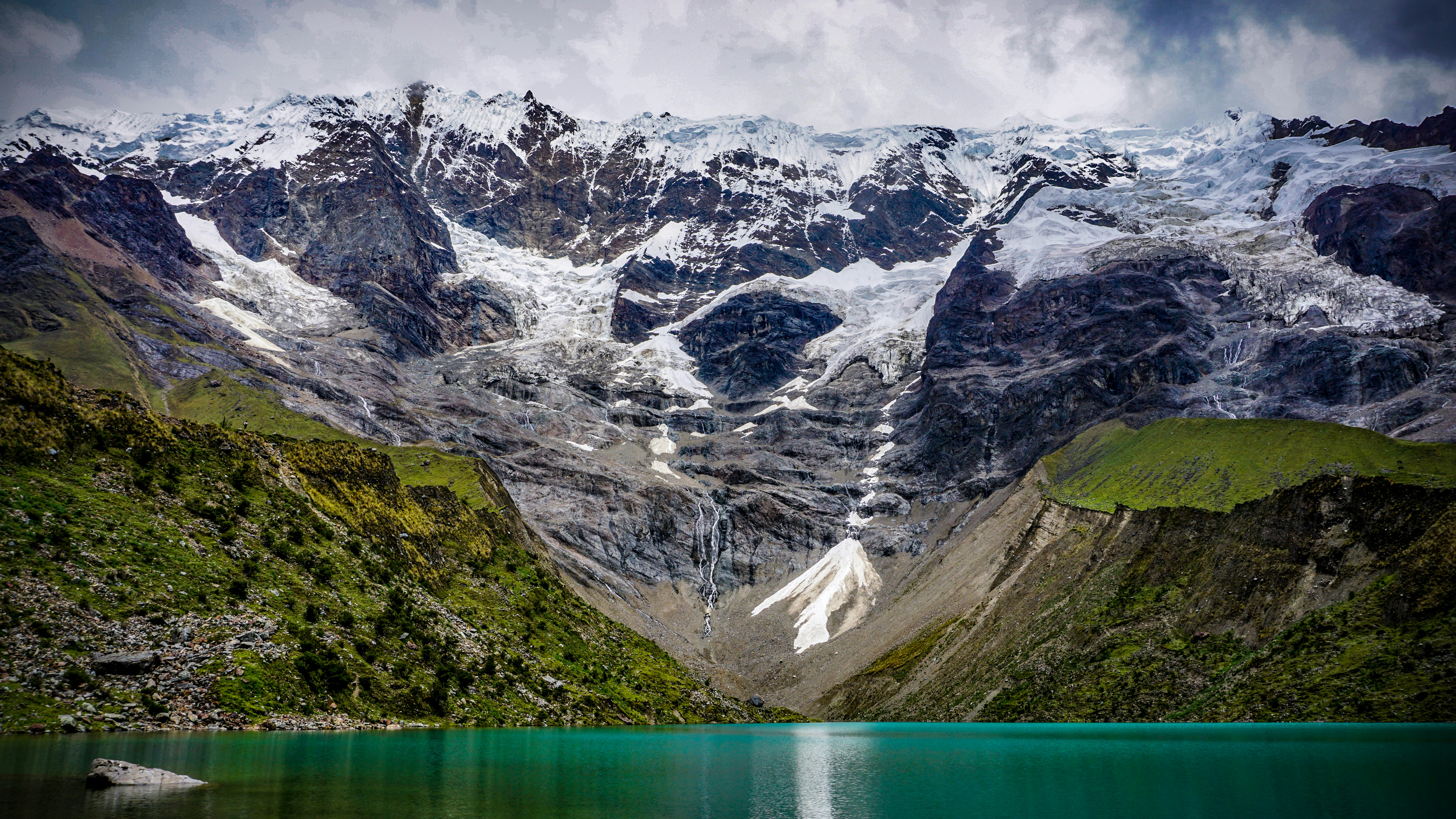
Peru spans some of the most extreme climatic contrasts in the world. A single trip might take you from Lima’s cool coastal fog to Cusco’s cold altitude nights to Amazon heat - all in a week. The key principle is layers, not bulk. Once your kit is sorted, guided tours across Peru let you check what operators provide versus what you need to carry yourself - useful for trimming your pack weight.
Core Clothing for the Highlands (Cusco, Sacred Valley, Machu Picchu, Puno)
Dry Season (May–October)
- Down jacket or warm fleece - Nights in Cusco regularly reach 2–5°C. Non-negotiable. Packable down (600g or less) packs small and is versatile.
- Lightweight waterproof jacket - Even in dry season, afternoon showers can occur at altitude. A shell-only waterproof that packs to the size of a fist is ideal.
- Moisture-wicking base layer (2–3 tops) - Merino wool is excellent: odour-resistant, temperature-regulating, quick-drying. Synthetic alternatives are lighter and cheaper.
- Mid-layer fleece or thermal - For very cold mornings (Puno, Huaraz).
- Trekking trousers (zip-off are practical) - 2 pairs for multi-day treks; 1 pair for city sightseeing.
- Lightweight comfortable trousers/jeans - For Cusco restaurants and evenings.
- T-shirts (2–3) - Light layers.
- Thermal base layers - For Puno’s below-freezing nights and cold highland mornings.
- Warm hat and gloves - Essential for early morning treks and cold nights.
- Sun hat - UV at altitude is intense even when it feels cool.
- Underwear (5–6 sets) - Merino wool underwear is worth the investment.
- Light hiking socks and warm wool socks - Mix for different conditions.
Wet Season (November–April) Additions
- Waterproof trousers/rain pants - For serious trekking in wet season.
- Waterproof pack cover - Protects bag and electronics in heavy rain.
- Gaiters - For muddy highland trails.
- Extra dry bags - Electronics, important documents.
Footwear
- Waterproof hiking boots with ankle support - For any highland trekking. Break them in before arrival.
- Comfortable walking shoes or trail runners - For city days and easy day hikes.
- Flip flops or sandals - For showers at hostels, Lima, and the Amazon.
For Lima and the Coast
Lima’s climate is mild and not extreme in any direction. Pack:
- Light clothing (t-shirts, light trousers, a dress if preferred)
- A light jacket for evenings and the garúa season (June–October)
- Swimwear for summer months (December–April)
- Smart-casual outfit if planning fine dining
For the Amazon (Iquitos and Jungle Lodges)
The Amazon is hot (27–33°C), humid, and full of insects.
- Light long-sleeve shirts (2–3) - Sun and insect protection without overheating.
- Light long trousers - Keep bare skin to a minimum near dusk.
- Strong DEET insect repellent (50% DEET minimum) - Buy full-strength in Lima; weaker formulas are ineffective against Amazon insects.
- Head net - For mosquito-dense environments.
- Quick-dry clothing - Cotton stays damp; synthetics dry in an hour.
- Waterproof sandals or rubber boots - Most lodges provide rubber boots; check ahead.
- Swimwear - For river swims (check lodge safety guidance on wildlife).
Gear for Trekking
- Trekking poles - Highly recommended for the Inca Trail, Santa Cruz, and Salkantay descents; reduces knee strain. Can be hired in Cusco and Huaraz for approximately S/10–S/20 per day.
- Headlamp with spare batteries - Essential for early morning starts and the Sun Gate on the Inca Trail.
- Sleeping bag (comfort rating -5°C or below) - For camping treks. Check if your tour operator provides these.
- Daypack (20–30 litres) - For day hikes and day visits. Most porter-supported treks allow one small personal daypack.
- Water bottle (1.5 litres minimum) or hydration bladder - Staying hydrated is essential at altitude.
- Water purification tablets or filter - For multi-day wilderness treks.
Sun Protection (Critical at Altitude)
UV radiation at 3,000m+ is approximately 50% more intense than at sea level, even when temperatures feel cool. Sunburn at altitude is easy to underestimate.
- Sunscreen SPF 50+ - Apply daily, including overcast days.
- Sunglasses (UV400) - Glacier glare on the Cordillera Blanca requires quality UV protection.
- Lip balm with SPF - Altitude dries and cracks lips rapidly.
Health and Medications
- Altitude sickness medication: Consult a doctor before departure. Acetazolamide (Diamox) is available in Peru pharmacies but discuss dosage with a medical professional.
- Oral rehydration salts - For dehydration from altitude or stomach illness.
- Ibuprofen or paracetamol - For altitude headaches.
- Stomach medication (loperamide, Pepto-Bismol) - Traveller’s diarrhoea is common in the first week.
- Antibiotic prescription - Ask your doctor about a single-course antibiotic for severe stomach illness.
- Personal prescription medications - Bring enough for your full trip plus 1 week extra.
Tech and Documents
- Power bank - Essential for multi-day treks and lodge stays with limited charging.
- Universal adapter - Peru uses US two-pin sockets (Type A) and round two-pin (Type C). A universal adapter is the simplest option.
- Camera/phone - Altitude photography is excellent; ensure adequate storage.
- Offline maps - Download maps.me or Google Maps offline for areas without signal.
- Photocopies of passport and documents - Keep in a separate bag from originals.
- Yellow fever certificate - Required by jungle lodges and some border crossings if entering from high-risk countries.
- eSIM or local SIM - A Peru eSIM can be activated before departure, giving you data immediately on landing without needing to find a phone shop.
Related Guides
- Altitude Sickness in Peru - What to pack for altitude management specifically: medications, hydration, and pacing.
- Travel Insurance for Peru - Trekking cover, medical evacuation, and what the policy needs to include for Inca Trail and Amazon trips.
- Inca Trail to Machu Picchu - Gear requirements, weight restrictions for porter loads, and what to carry yourself.
- Huaraz Trekking Guide - Santa Cruz Trek gear list; what can be rented on Luzuriaga Avenue versus what to bring from home.
- Amazon Jungle Tours in Peru - Amazon-specific packing: insect repellent, rubber boots, and light waterproof layers.
Search hotels in Peru on Booking.com
Plan Your Trip
✈️ Book your flights to Peru 🛡️ Get travel insurance 📱 Stay connected with an eSIM 🚗 Rent a car