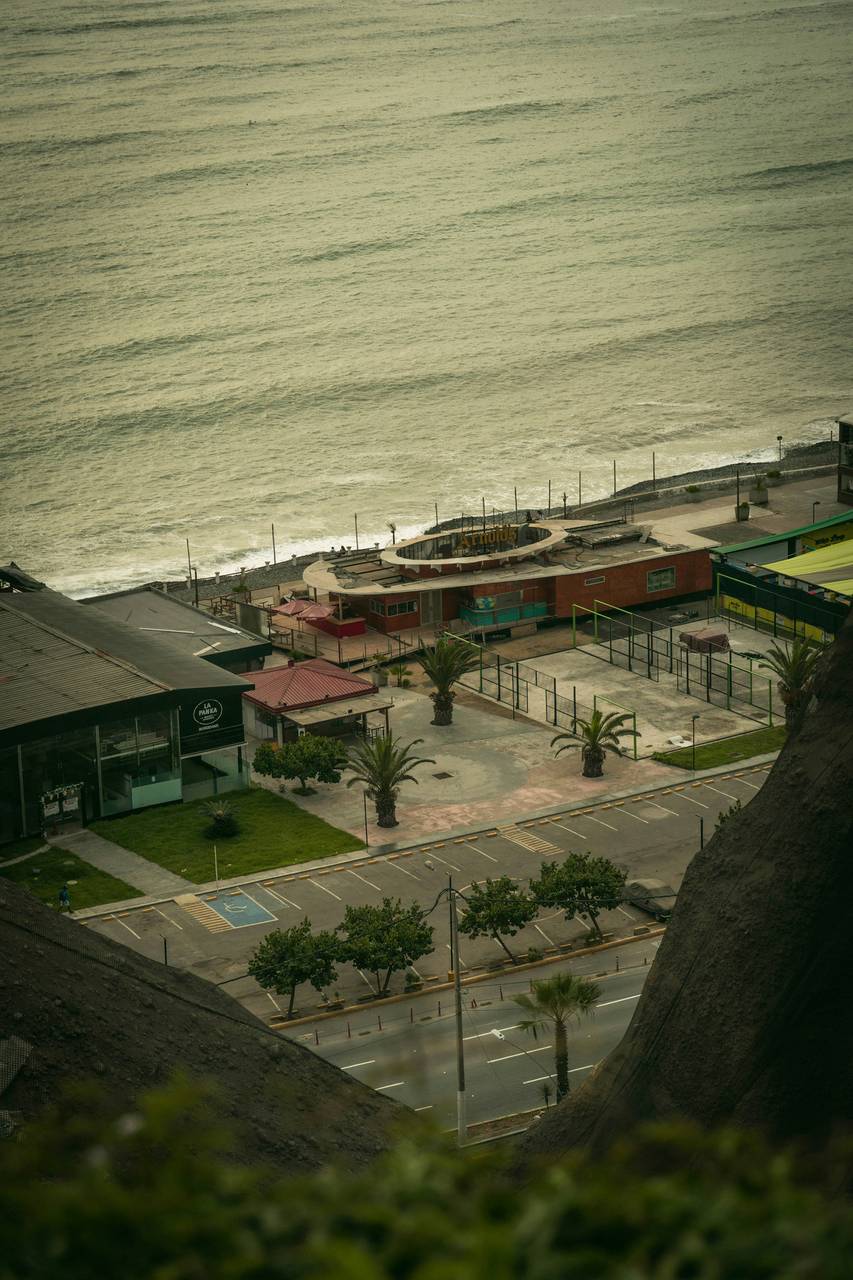
Lima sits on the Pacific Ocean, but it is not a beach city in the way that most visitors expect. The sky is grey for much of the year — a persistent coastal fog called la garúa blankets the city from June through November — and the water is cold year-round thanks to the Humboldt Current running up from Antarctica. Despite all this, there are genuine beaches within an hour of Lima where locals swim, surf, and spend their weekends. Knowing which beach suits your purpose makes all the difference.
Understanding Lima’s Coastal Climate
Before diving into the individual beaches, it helps to understand the seasonal split.
Summer (December to March) is when Lima’s coast comes alive. The garúa retreats south, the sun appears, and temperatures reach 25-28°C. The sea warms to approximately 18-20°C — cold by tropical standards but manageable for swimming. Agua Dulce fills with families, and traffic south towards Punta Hermosa can stretch a 45km drive to 2 hours on Saturday mornings.
Winter (June to September) is grey, cool (18-20°C air temperature), and overcast. The beaches are quiet. The Pacific drops to 14-16°C and southerly swells pick up, making conditions unsuitable for casual swimming. Surfers, however, often prefer these months — consistent swells and fewer crowds. If you are visiting Lima in July or August purely for beach time, adjust your expectations.
The transition months of April-May and October-November are variable. Some days are sunny, others overcast.
The Miraflores Malecón: Scenic, Not for Swimming
The most immediate “beach” access from Lima’s tourist district is the Malecón in Miraflores — the cliff-top promenade that runs above the Costa Verde (Green Coast). This is where the photo of Lima’s Pacific coast is taken: parks, paragliding launch points, and views over a stretch of coast that looks inviting until you look closer.
The Costa Verde beach at the base of the Miraflores cliffs is accessed by road. It has a few beach clubs, volleyball courts, and a promenade. Swimming here is not recommended — the water is rough, currents are unpredictable close to the cliffs, and water quality is unreliable near the city. The Malecón itself is worth the walk for the views, particularly at sunset, but it functions as a scenic corridor rather than a beach destination.
Getting there: Walk to the Malecón from Parque Kennedy — 10 minutes on foot from the main square. No cost.
Agua Dulce: Lima’s Most Accessible Swimming Beach
Agua Dulce (meaning “fresh water”) in the Chorrillos district is the closest proper beach to central Lima. It is not beautiful — the surroundings are urban and the sea is the same cold Humboldt Pacific as everywhere else — but it functions well: a wide sandy bay with sheltered conditions, food stalls, changing facilities, and a real beach atmosphere on summer weekends.
The beach is popular with Lima families, particularly working-class residents from Chorrillos and Villa María del Triunfo. On a sunny January or February weekend, the sand is packed. The water is swimmable in summer with temperatures around 18-20°C, and there are areas where the current is manageable.
Best for: Families, budget travellers, anyone who wants a genuine Lima beach experience without travelling far.
Getting there: From Miraflores, take a taxi or Uber — approximately 20-30 minutes, around 15-20 soles as of 2026. Bus option: take combi routes towards Chorrillos and ask for La Herradura or Agua Dulce. A few sol per person, roughly 30-40 minutes. Parking is available but fills fast on summer weekends.
Facilities: Showers, changing rooms, food stalls selling anticuchos (grilled beef heart skewers), ceviche, and picarones (sweet potato doughnuts). Beach chair rental approximately 5-10 soles as of 2026.
La Herradura: Calm and Local
Just around the headland from Agua Dulce sits La Herradura (the horseshoe), a curved bay popular with Lima locals who prefer a slightly less crowded alternative. The beach has a similar setup to Agua Dulce — urban surroundings, cold Pacific water, food stalls — but the horseshoe shape creates calmer conditions and a quieter feel. On weekdays in summer, it is noticeably emptier than Agua Dulce.
Getting there: Same route as Agua Dulce. From Chorrillos, the two beaches are adjacent.
Punta Hermosa: Surfing and Waves
Punta Hermosa, 45km south of Lima in the district of the same name, is Peru’s surf capital within day-trip distance of the capital. The break at Punta Hermosa — particularly Pico Alto and Señoritas — produces some of the longest and most consistent right-hand waves in South America. In big swells, Pico Alto generates waves up to 6-8 metres and draws Peru’s top surfers.
For non-surfers, Punta Hermosa itself has a low-key beach town character: a few restaurants, surf shops, and a quieter vibe than the closer Lima beaches. The beach is not ideal for swimming due to the wave action and currents, but watching the surf on a good day is worthwhile. Several surf schools operate here, charging approximately 70-120 soles per lesson as of 2026 including board and wetsuit rental.
Best for: Surfers, surf spectators, anyone wanting to escape the city and see a different pace of coastal Peru.
Getting there: From central Lima, take the Panamericana Sur (Pan-American Highway) south for approximately 45km. Driving takes 1-1.5 hours in normal traffic. On weekend mornings, budget for 2 hours. By public transport: buses marked Asia or Punta Hermosa from terminals in Surco or Villa María del Triunfo, approximately 5-8 soles, 1.5-2 hours.
Punta Rocas: World-Class Left-Hand Wave
Three kilometres south of Punta Hermosa, Punta Rocas hosts the righthand bend in the coastline that produces one of the best left-hand surf breaks in Peru. Punta Rocas has hosted international surfing competitions and is considered a world-class break on the right swell. It is entirely a surfing beach — there is little to do here if you are not riding waves. Experienced surfers should make the detour; everyone else can skip it.
Getting there: Same route as Punta Hermosa, then continue 3km south. No public transport specifically to Punta Rocas; take any southbound bus to Punta Hermosa and either walk or take a mototaxi for the remaining distance.
Santa María del Mar: Quieter Bay, Calmer Water
Continuing south on the Panamericana past Punta Hermosa, Santa María del Mar at approximately 60km from Lima is a sheltered bay with calmer conditions than the exposed surf beaches. It is one of the more pleasant swimming beaches in the Lima region: less crowded than Agua Dulce, better organised, and with a slightly better quality beach environment. Some beach clubs operate here, charging an entry fee in summer (approximately 15-25 soles as of 2026) that includes deck chair access.
Best for: Couples, those looking for a quieter beach with swimmable conditions in summer.
Getting there: 60km from Lima on the Panamericana Sur. Drive time approximately 1-1.5 hours. Public buses marked Asia or Cañete pass through or near Santa María del Mar — confirm with the driver before boarding.
Practical Tips for Lima’s Beaches
Sun protection: Lima’s summer sun at sea level is strong. Apply SPF 50+ and reapply after swimming. The cool overcast breeze is deceptive — you can burn quickly even when clouds are present.
Water quality: Swim where local families are swimming and avoid areas near drainage points. Water quality at Lima’s closest beaches (Agua Dulce, La Herradura) has improved in recent years but is not comparable to remote Pacific beaches.
Beach safety: Lima beaches have lifeguards at Agua Dulce and some organised sections at Santa María. Strong currents are present at exposed locations like Punta Hermosa. If you are not an experienced swimmer, stay at the sheltered bays and swim where the flags indicate it is safe.
Cash: Most beach food stalls and facilities are cash-only. Bring soles. ATMs are not always available close to the beach.
What to bring: Cold water (beach vendors charge a premium), snacks, sunscreen, a towel, and sandals for the hot sand. Leave valuables in your accommodation. Search hotels in Lima on Booking.com
Getting to Lima’s Beaches
| Beach | Distance from Miraflores | Taxi (approx.) | Bus (approx.) | Best for |
|---|---|---|---|---|
| Costa Verde / Malecón | 10 min walk from Malecón | — | — | Scenic views only |
| Agua Dulce | 20-30 min drive | 15-20 soles | 2-3 soles | Families, swimming |
| La Herradura | 25-35 min drive | 18-22 soles | 2-3 soles | Quieter swimming |
| Punta Hermosa | 1-1.5 hr drive | 60-90 soles | 5-8 soles | Surfing |
| Punta Rocas | 1.5 hr drive | 70-100 soles | 5-8 + mototaxi | Expert surfers |
| Santa María del Mar | 1-1.5 hr drive | 70-100 soles | 6-10 soles | Quieter swimming |
Costs as of 2026. Traffic south on the Panamericana on summer weekends can significantly extend journey times.
What to Eat at the Beach
Lima’s beach food is a highlight in its own right. Look for:
- Ceviche: Many beach stalls and nearby cevicherías serve fresh ceviche — raw fish cured in lime juice with ají amarillo, red onion, and coriander. La Herradura and Agua Dulce both have good options.
- Anticuchos: Marinated beef heart skewers grilled over charcoal — a Lima street food staple that appears at most beach stalls. Approximately 5-8 soles for a portion as of 2026.
- Picarones: Sweet potato and pumpkin doughnuts with honey syrup. A teatime classic at Lima’s beaches.
- Chicha morada: Purple corn drink, cool and slightly sweet. Available at most food stalls.
Day Trips and Nearby Attractions
If you are heading south towards Punta Hermosa and want to extend the outing, the Lomas de Lúcumo ecological reserve is a 30-minute drive inland and makes a good half-day combination in the right season. Further south, the town of Asia (around 100km from Lima) has upscale beach clubs popular with Lima’s upper-middle class during summer — entry fees can reach 100-200 soles on busy weekends.
For travellers interested in marine wildlife rather than swimming, the Ballestas Islands near Paracas (250km south of Lima, approximately 4 hours) are a far better choice than Lima’s local beaches. Ballestas Islands tours depart from Paracas and include sea lions, penguins, and thousands of seabirds.