January Weather in Peru
January sits squarely in Peru’s summer/wet-season divide. The Pacific coast basks in its hottest and sunniest months; the highlands and Amazon receive consistent afternoon and overnight rain. For a full overview of when to visit, see our first-time Peru guide.
| City | Avg High | Avg Low | Conditions |
|---|---|---|---|
| Lima | 27°C | 20°C | Sunny, low humidity, best beach weather |
| Cusco | 18°C | 8°C | Warm mornings, heavy afternoon rain |
| Arequipa | 20°C | 9°C | Warm, occasional afternoon showers |
| Puno | 15°C | 5°C | Rainy, cold nights, lake may flood shores |
| Trujillo | 28°C | 19°C | Dry, hot, excellent for coastal sites |
| Iquitos | 31°C | 23°C | Hot, humid, high-water season beginning |
The Highlands in January
Rain Patterns and What They Mean Practically
The Andes pattern in January is predictable: clear, cool mornings from 06:00–10:00, cloud building from late morning, heavy rain from approximately 13:00–18:00, with overnight showers continuing in higher elevations. Mornings are your outdoor window — Machu Picchu, the Sacred Valley ruins, and highland trekking all work well if you start early and get back before afternoon.
Flash flooding is a real risk on unpaved roads in January. The main Cusco–Puno highway and the Sacred Valley road are usually fine; smaller roads to remote sites such as Choquequirao or Ausangate can close after heavy rain. Check conditions at your accommodation before driving remote routes.
The upside of January highlands travel: the Andes are at their most vivid green. Andean agriculture is in full swing — quinoa, potato, and maize crops cover the terraces. Wildlife is active. Condors are commonly spotted over the Colca Canyon early morning.
Machu Picchu in January
January is one of the best months to visit Machu Picchu if crowds are your concern. The site operates at 30–40% of its August capacity. Ticket availability in timed entry slots is good — booking 2–3 weeks ahead is typically sufficient for most January dates. The ruins are surrounded by lush green vegetation, and morning mist creates atmospheric photographs.
Practical logistics: The first bus from Aguas Calientes to the ruins departs around 05:30; take it. The morning slot (06:00–09:30) gives you the best light and the smallest crowds before tour groups arrive on later buses. Rain typically begins in earnest after 13:00 — plan your descending bus for around 12:30–13:00 and spend the afternoon exploring Aguas Calientes’ hot springs.
Train disruptions occur occasionally in January when the Urubamba River floods and affects the train line. Disruptions are usually resolved within 24–48 hours; travel insurance covering delays is worth having.
The Inca Trail in January
The Inca Trail is open throughout January — it only closes in February. Permits are considerably easier to obtain than in peak season. Most operators can accommodate bookings 4–8 weeks ahead, and some have availability within 2 weeks. Group sizes are small, typically 4–8 trekkers vs. 12–16 in August.
Conditions: the trail is wet and muddy throughout, particularly the sections approaching and descending from Dead Woman’s Pass (4,215m). Waterproof trekking boots, gaiters, and a quality rain jacket are essential. The high mountain scenery is cloud-wreathed, which suits those who prefer dramatic atmosphere to clear-sky panoramics. Most trekkers completing the route in January describe it as far less crowded and more meditative than the August version.
Inca Trail group departures in January typically include smaller groups and flexible booking terms.
The Coast in January
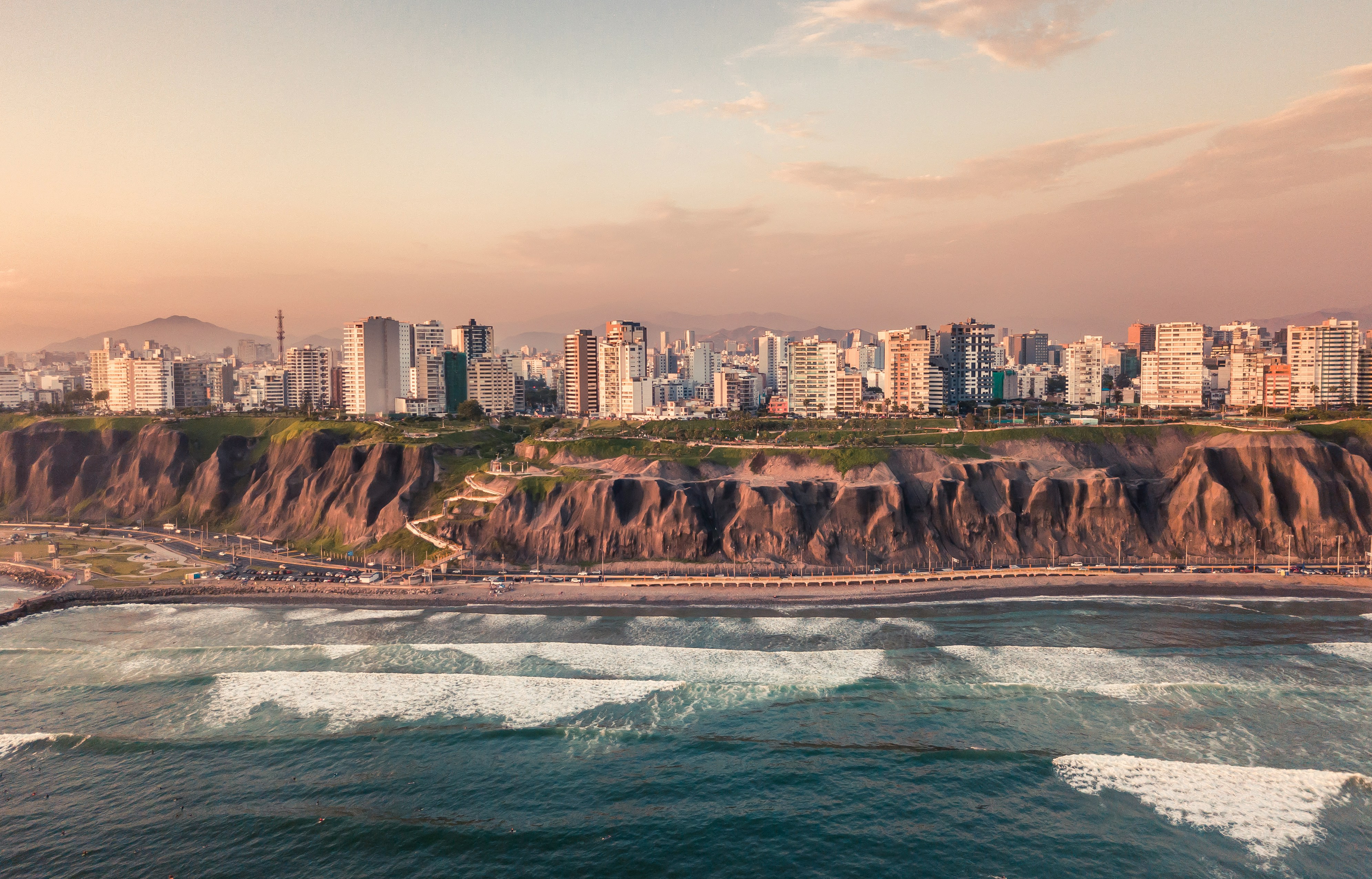
January is the best month on Peru’s Pacific coast. Lima’s beaches at Miraflores, La Herradura, and Asia south of the capital fill with local families and are warm from early morning. Paracas and the Ballestas Islands are pleasant, with no risk of the coastal fog that dominates June–October.
Lima in January: The city is at its most outdoor-friendly. The clifftop parks at Miraflores are busy from morning; the Malecón fills with runners and families; beach clubs operate full menus. Lima’s top restaurants (Central, Maido, Kjolle) are all open — book well ahead. The Asia strip 100km south of Lima is at peak season, with beach clubs, restaurants, and concerts every weekend.
Trujillo and the north coast: January is the ideal month for northern Peru. Trujillo averages 28°C; Chan Chan, the Huaca del Sol y de la Luna, and the coastal resort of Huanchaco are all excellent. The surfing at Huanchaco reaches its best in summer.
Paracas: The Ballestas Islands wildlife cruise is excellent in January — sea lions, Humboldt penguins, and coastal seabirds are all present. The Paracas National Reserve circuit is warm and dry. Winds at Paracas can be strong in the afternoon; morning departure from Pisco is recommended.
The Amazon in January
The Amazon enters high-water season, with river levels rising through January and February. For river travel and wildlife spotting from the water, January is excellent — the Pacaya Samiria wetlands begin to fill, providing access to otherwise inaccessible flooded forest.
What high-water season means for wildlife: Caimans are visible from boats as they bask on partially submerged logs at the forest edge. Pink river dolphins (boto) become more active and visible in open water near lodges. Giant river otters move into flooded areas. Fish-eating birds — herons, kingfishers, osprey — concentrate along active water channels.
Practical notes: Jungle lodges around Iquitos operate normally. The best lodges in the region (Pacaya Samiria National Reserve area) book out 4–8 weeks ahead in January. Yellow fever vaccination is required for entry into jungle areas. Insect repellent with 30–50% DEET is essential; malaria prophylaxis is recommended for multi-night jungle stays.
Shoulder Season Deals in January
January is the most underrated value month for Peru’s highland circuit. Hotel prices in Cusco are 30–50% below peak season rates. Mid-range hotels that cost $120–180 per night in July are available from $70–100 in January. Guided tours are more personalised with smaller groups. The main circuit — Cusco, Sacred Valley, Machu Picchu — is accessible and rewarding without the queues of high season.
Budget tip: the Sacred Valley’s market towns (Pisac, Chinchero) are significantly less crowded in January than in August. The Pisac market operates on Sundays year-round; in January it feels like a local market rather than a tourist event.
Notable Events in January
Festival of the Virgin of the Puerta (Otuzco, La Libertad): One of the most important religious pilgrimage festivals in northern Peru, held on 15 January. Thousands of pilgrims walk to the Otuzco sanctuary; the town fills with musicians, dancers, and traditional food stalls. Otuzco is approximately 75km from Trujillo.
Lima Summer Festival: Throughout January and February, Lima’s Miraflores and coastal districts host outdoor music events, art fairs, and the annual Lima surf calendar events on the Costa Verde.
Cusco regional festivals: Several smaller Andean communities celebrate local festivals and fairs through January. Ask your hotel or tour operator about current local events — these rarely appear in mainstream travel guides but can be among the most authentic cultural experiences in Peru.
Packing for January in Peru
For the highlands (Cusco, Machu Picchu):
- Lightweight waterproof jacket (essential — packable, not just a fleece)
- Gaiters for muddy trails
- Moisture-wicking base layers
- Light insulating layer for cold evenings
- Waterproof bag covers or dry bags for electronics and camera
For the coast (Lima, Trujillo, Paracas):
- Light summer clothing
- High-SPF sunscreen (SPF 50+ for coastal sun)
- Sunglasses
- Light layer for evenings in Lima (sea breeze)
- Swimwear
For the Amazon (Iquitos):
- Long-sleeve light shirts (sun and insect protection)
- Strong DEET repellent (30–50%)
- Quick-dry trousers
- Waterproof sandals or hiking boots
- Yellow fever vaccination certificate (required by lodges)
Practical Tips
Altitude: No seasonal adjustment needed for altitude planning — the same acclimatisation rules apply year-round. If you plan to visit Cusco, the highlands, or Machu Picchu, guided tours in January are readily available with good permit and train availability.
Crowds: Machu Picchu is less crowded than May–August but not deserted. Lima beaches are packed with Peruvians on summer weekends — plan around this if beach tranquillity is the goal. The Miraflores and Asia beaches on a January Saturday can feel very busy.
Prices: Coastal accommodation prices rise in January for Peruvian summer. Highland prices are standard or significantly below peak — January is genuinely the best time to find value in Cusco.
Road travel: Check conditions before driving remote highland routes. Main highways operate normally; secondary routes to off-the-beaten-track sites can close after heavy rain. Colca Canyon roads occasionally close overnight after rain; bus companies monitor this and adjust accordingly.
Search hotels in Peru on Booking.com
Plan Your January Trip
- Best Time to Visit Peru - Full month-by-month guide; January in context with February and December.
- Lima Travel Guide - January is Lima’s best weather month; Miraflores, Barranco, and beach access at their warmest.
- Paracas Travel Guide - January is peak season for the south coast; Ballestas Islands wildlife and Paracas Reserve circuit.
- Machu Picchu Tickets: How to Book - January entry is much more available than peak season; still book ahead.
- Amazon Jungle Tours in Peru - Amazon lodges during January high-water season; which wildlife is active and how access changes.
Plan Your Trip
✈️ Book your flights to Peru 🛡️ Get travel insurance 📱 Stay connected with an eSIM 🚗 Rent a car