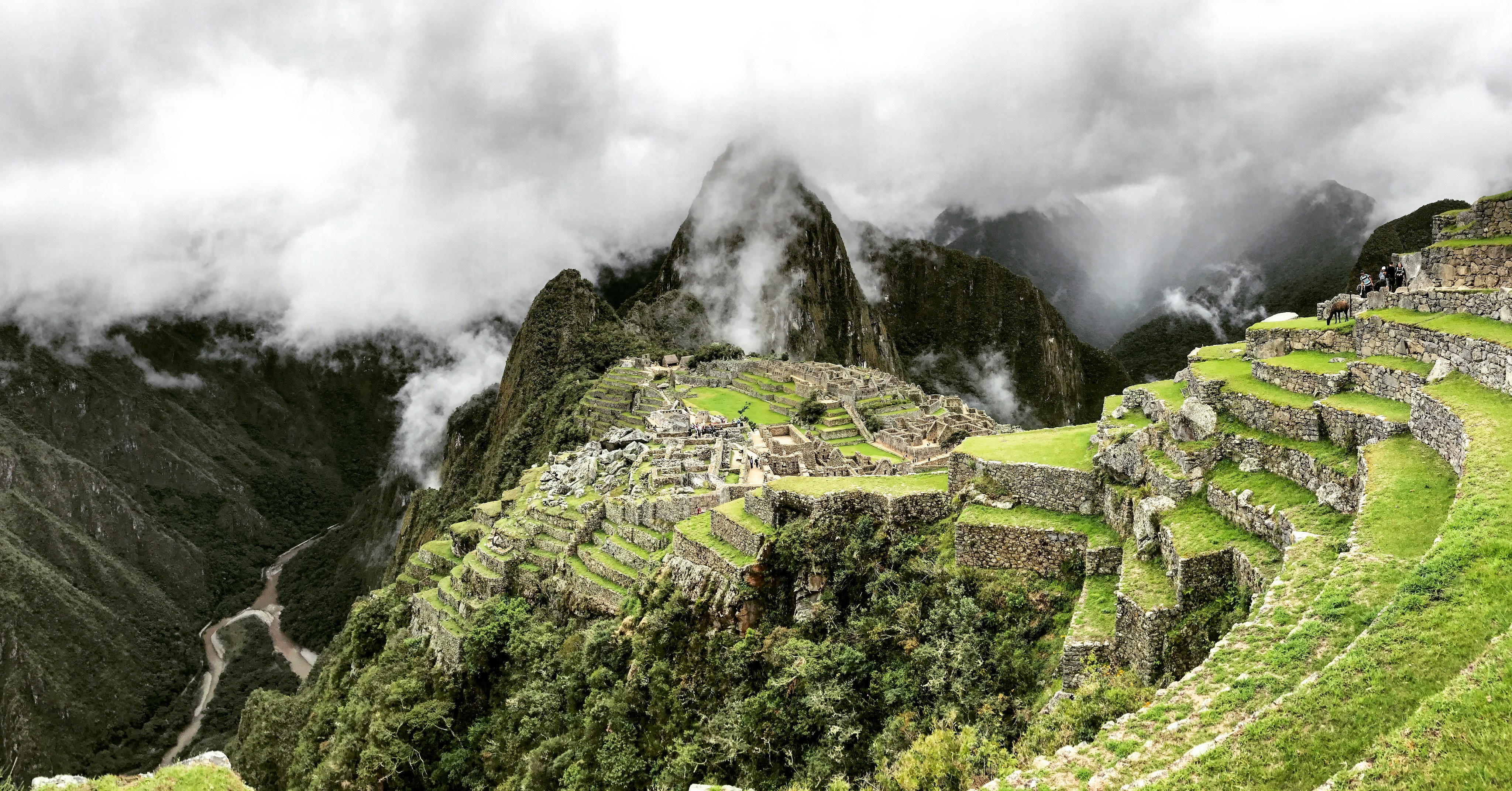
Peru is one of South America’s most rewarding destinations - a country with extreme geographic diversity, from Pacific coast to Andean peaks to Amazon jungle, all within a few hours of each other. For first-time visitors, the combination of archaeological wonders, altitude challenges, and long internal distances requires thoughtful planning. This guide covers the essentials.
Entry Requirements
Visa: Citizens of the US, UK, EU countries, Canada, Australia, New Zealand, and most Western nations enter Peru visa-free for up to 183 days as a tourist. You receive an Andean Immigration Card (Tarjeta Andina de Migración) on arrival - keep this document carefully, as it must be surrendered when you depart. Losing it causes significant delays at the airport.
Passport validity: Your passport must be valid for at least 6 months beyond your intended departure date from Peru.
Currency: Peru’s official currency is the Peruvian Sol (S/). USD is widely accepted in tourist-facing establishments in Lima, Cusco, and Arequipa, though the exchange rate at hotels and restaurants is usually unfavourable. Use ATMs (BCP, Interbank, Scotiabank) for the best rates. Avoid exchange bureaux that charge commission. Keep some small-denomination Soles for local markets, taxis, and toilets.
Altitude: The Most Important Factor for First-Timers
The altitude gradient in Peru is unlike almost any other country. Lima sits at sea level. Cusco at 3,400m. Puno at 3,830m. Passes on the Inca Trail exceed 4,200m. Your body needs time to adapt.
Key rules:
- Do not arrive in Cusco or Puno directly from sea level and immediately attempt strenuous activity.
- Spend at least 24–48 hours resting on arrival at altitude. A slow walk around the plaza is fine; a strenuous hike is not.
- Drink water constantly. Dehydration accelerates altitude sickness.
- Avoid alcohol for the first 24 hours.
- Coca leaf tea (freely available everywhere) genuinely helps mild headaches.
- Acetazolamide (Diamox) can assist - consult a doctor before departure.
Serious altitude sickness (confusion, inability to walk straight, breathlessness at rest) requires immediate descent and medical attention.
Getting Around Peru
Domestic flights: The fastest and often most practical option for the Lima–Cusco, Lima–Arequipa, and Lima–Iquitos routes. LATAM, Sky Airline, and Star Perú cover the main routes. Book 4–6 weeks ahead for the best fares. Expect approximately S/200–S/500 one-way for most routes as of 2026. Our flights to Peru guide covers international connections, the best booking windows, and which Lima airport terminals handle which airlines.
Long-distance buses: Cruz del Sur and Oltursa are the most reliable companies. Executive class (fully reclining seats, meals, Wi-Fi) costs approximately S/80–S/150 for most overnight routes as of 2026. Buses are comfortable for most intercity travel; the journey times are long (Lima to Cusco is 22+ hours by road) but the scenery is extraordinary. For routes, companies, and overnight bus tips, see our Peru bus travel guide.
Train: PeruRail and Inca Rail connect Cusco area with Aguas Calientes (Machu Picchu town). Book online as far ahead as possible; train tickets for popular months sell out.
Taxis: Never hail an unmarked taxi from the street. Use Uber, InDrive, or call a registered radio taxi company. For your first airport arrival at Jorge Chávez, a pre-booked private transfer - Kiwitaxi or GetTransfer - gives you a fixed price and a named driver meeting you in arrivals, removing the most stressful part of landing somewhere new. In Cusco, most hotels can call a recommended taxi service.
When to Visit
Dry season (May–October): Recommended for first-timers focused on highland Peru (Cusco, Machu Picchu, Puno, Huaraz trekking). Clear skies, excellent photography conditions, but higher crowds and prices in July–August.
Wet season (November–April): Better for the coast (Lima is sunny), the Amazon, and off-peak value. The highlands are greener and lush. Machu Picchu is open but rainy. The Inca Trail is open except in February.
Best overall months: May, June, September. Good weather, below-peak crowds, manageable prices.
Classic First-Timer Itinerary
2 weeks:
- Days 1–2: Lima (Larco Museum, Miraflores, La Mar)
- Days 3–4: Cusco (acclimatisation, city sights)
- Days 5–6: Sacred Valley (Pisac, Ollantaytambo)
- Days 7–8: Machu Picchu (overnight in Aguas Calientes)
- Days 9–10: Arequipa (Santa Catalina, local food)
- Days 11–12: Colca Canyon (2-day tour, condors)
- Days 13–14: Puno and Lake Titicaca (Uros, Taquile)
Safety
Peru is generally safe for travellers who take standard precautions. The main risks are petty theft (particularly in bus stations, markets, and crowded tourist areas) and taxi-related crime (always use registered apps or hotel-recommended taxis). See our Peru safety guide for a neighbourhood-level breakdown. If you’re travelling alone, our Peru solo travel guide covers the best hostels, how to join Inca Trail group departures, and specific tips for solo female travellers.
Key precautions:
- Keep your passport and large amounts of cash in hotel safes
- Use a money belt or anti-theft bag in crowded areas
- Do not display expensive cameras, jewellery, or phones unnecessarily
- Only use ATMs inside banks or in well-lit public areas during the day
- After dark in any city, use Uber or a hotel-called taxi rather than walking
Health
Altitude sickness: The main health risk for most visitors. See altitude section above.
Water: Do not drink tap water. Bottled water is cheap and available everywhere. Use bottled water for brushing teeth in smaller towns.
Food safety: Cooked food is generally safe. Avoid raw street food in uncertain conditions. Lima’s top restaurants meet international hygiene standards.
Travel insurance: Essential. Ensure your policy covers emergency medical evacuation - costs without insurance can be extreme. Travel insurance for Peru should include altitude sickness and trekking cover, not just standard medical. See our Peru travel insurance guide for what coverage to look for and which providers have reliable South America policies.
Language
Spanish is spoken everywhere; Quechua is widely used in Andean communities. Most tourist-facing businesses in Lima, Cusco, and Arequipa have English speakers. Outside main tourist areas, even basic Spanish makes a significant difference. Our basic Spanish phrases for Peru guide covers transport, market, restaurant, and altitude-related phrases with pronunciation tips.
Money and Costs
Peru uses Soles (S/). See our Peru money and currency guide for current exchange rates, ATM fees, and where USD is accepted. Budget to luxury trip costs are covered in detail in our Peru travel costs guide.
Comparing Peru with Other Destinations
Considering how Peru compares to another South American option? Our Peru vs Colombia comparison covers landscape, safety, costs, visa requirements, and the best itinerary for each.
Beyond the Classic Circuit
Most first-timers focus on Lima, Cusco, Machu Picchu, and Arequipa - but Peru has significant destinations further from the main route worth including in longer trips:
- Ayacucho - Peru’s most spectacular Semana Santa (Easter week), 33 colonial churches, and the pre-Inca Wari ruins.
- Piura - North coast gateway to Máncora beach and the road north to Ecuador; regional cuisine distinct from Lima.
- Tarapoto - High Amazon hub with waterfalls, Sauce Lake, and cacao and coffee country in the northern cloud forest.
- Pucallpa - Overlooked Amazon city with Lake Yarinacocha, Shipibo-Conibo communities, and affordable jungle access without the Iquitos price tag.
Key Booking Checklist
- Machu Picchu tickets: machupicchutickets.gob.pe (book as soon as dates confirmed)
- Train to Aguas Calientes: perurail.com or incarail.com
- Inca Trail permits: through licensed operator (if trekking) - or browse guided Peru tours for packages that include permits
- Domestic flights: LATAM, Sky Airline
- Yellow fever vaccination: if visiting the Amazon
- Travel insurance: before departure
Essential Planning Resources
- Best Time to Visit Peru - Month-by-month weather breakdown for all regions: coast, highlands, and Amazon.
- Peru Travel Costs - Budget, mid-range, and luxury daily costs with real numbers for food, accommodation, and transport.
- Peru Visa Requirements - Entry requirements for major nationalities; most visitors do not need a visa.
- Altitude Sickness in Peru - How to acclimatise properly before Cusco, Machu Picchu, and the highlands.
- Machu Picchu Tickets - The official booking portal, ticket types, and how far ahead to book.
- Cusco to Machu Picchu - Train options, the Sacred Valley detour, and how to combine both efficiently.
- 2-Week Peru Itinerary - A full two-week route covering Lima, Cusco, Machu Picchu, and one of the Amazon or southern highlights. Search hotels in Lima on Booking.com
Plan Your Trip
✈️ Book your flights to Peru 🛡️ Get travel insurance 📱 Stay connected with an eSIM 🚗 Rent a car