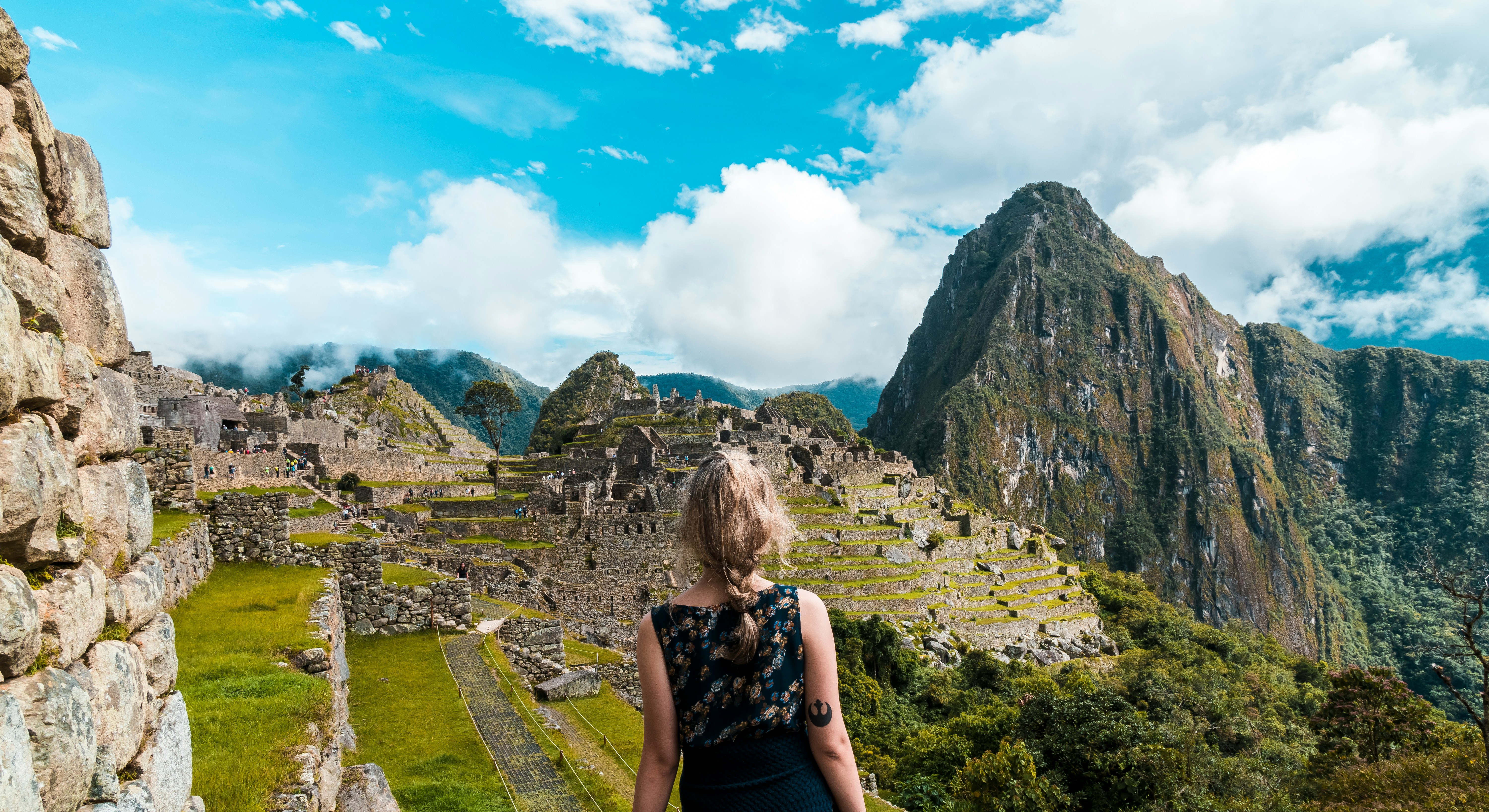
Peru is one of South America’s most rewarding destinations for solo travel. The country has a mature backpacker infrastructure, a famously social hostel scene in Cusco, and an Inca Trail that functions as a natural group experience whether you book alone or not. Lima adds a thriving food and culture scene that rewards exploration at your own pace. Travelling solo here is very manageable - the key is knowing which areas require more awareness and which are genuinely relaxed.
Is Peru Good for Solo Travel?
Peru consistently ranks among the top solo travel destinations in South America. Cusco in particular is built for it: a compact city at altitude where travellers slow down, acclimatise, and inevitably fall into conversation. The hostel scene is active, group tours depart daily for every major site, and the pace is unhurried enough to make connections easy.
Lima offers a different solo experience - a sprawling coastal capital with world-class restaurants, excellent museums, and two very walkable neighbourhoods in Miraflores and Barranco. It is not an immediate city in the way Cusco is, but it rewards those who spend time in it.
The Inca Trail is perhaps the single best group experience in South America for solo travellers. You join a group of 12–16 people, hike for four days through cloud forest and high mountain passes, and arrive at Machu Picchu through the Sun Gate together. Most people who do it call it a highlight of years of travel, not just of their Peru trip.
Safety for Solo Travellers
Peru requires standard travel awareness rather than heightened anxiety. The risks are real and specific, which makes them manageable.
Lima is where most safety incidents involving tourists occur. The city divides sharply by neighbourhood. Miraflores and Barranco are safe, well-policed, and well-lit - walking here at night is fine. The historic centre (Centro Histórico) and Callao (the port area) carry a significantly higher risk of opportunistic theft and should be avoided after dark and approached with caution during the day.
The most important Lima safety rule: do not hail a taxi from the street. Express kidnappings (“secuestro express”) - where a victim is taken for a few hours and forced to make ATM withdrawals - happen almost exclusively in unofficial taxis. Use Uber exclusively in Lima. It is available throughout the city, the fare is fixed, and the driver is traceable.
Cusco and the Machu Picchu corridor are very safe by South American standards. Pickpocketing exists in the San Pedro market and around the main plaza, but violent crime targeting tourists is rare. The altitude is your main hazard here, not security.
Huaraz and the Cordillera Blanca are safe and well-set-up for trekking groups. The mountain communities are accustomed to foreign travellers.
Petty theft is the consistent risk across all destinations: keep your phone and camera out of sight in crowded areas, use hotel safes for passports and bulk cash, and carry only what you need for the day.
Solo Female Travel in Peru
Solo women travel Peru in large numbers, and the experience is generally positive with preparation. Miraflores in Lima and central Cusco are comfortable for solo women at most hours. Catcalling and minor street harassment occur more frequently than in northern Europe but are typically non-threatening - a direct, dismissive response usually ends it.
The practical adjustments are simple: take Uber rather than street taxis, avoid walking alone in unlit areas after 10pm, and use hostels rather than isolated guesthouses when you want company and local knowledge. Altitude sickness affects everyone equally - it is one area where being female versus male makes no difference at all. Acclimatise in Cusco for two full days before attempting any significant trekking.
How to Meet People in Peru
The solo travel infrastructure in Peru is strong. Options across different interests:
- Cusco hostel scene - the most social entry point in Peru. Loki Hostel and Wild Rover are the best-known social hostels with regular events, bar areas, and organised group activities. Even if you prefer quieter places, booking one night at a social hostel early in your trip gets you into a network quickly.
- Inca Trail group tours - the classic 4-day trail places you with the same 12–16 people for four consecutive days of physically demanding hiking. Shared challenge is the fastest route to genuine connection. Book as early as possible - permits sell out months ahead for the May–September season.
- Lima food tour groups - Miraflores and Barranco food tours run daily and attract a high proportion of solo travellers. Two to three hours of guided eating with a small group is a reliable way to meet people with similar interests.
- Salsa classes in Miraflores - group lessons with partner rotation in Lima’s tourist district. No prior experience needed, and the format makes conversation unavoidable.
- Huaraz climbing and trekking groups - multi-day hikes in the Cordillera Blanca (Santa Cruz trek, Laguna 69) operate in small groups and create strong bonds. The trekking agency clusters on Luzuriaga Avenue in Huaraz are the starting point.
- Facebook groups - “Solo Travellers Peru,” “Expats in Lima,” and “Expats in Cusco” are active and used for meetups, advice, and trip companions.
- Couchsurfing meetups - Lima and Cusco have regular Couchsurfing events open to non-members. These tend to mix travellers with local residents, which is unusual and worth trying.
Best Bases for Solo Travellers
Cusco is the best base for most solo travellers. It is walkable, high in energy, packed with tour agencies, and has more hostel options per square kilometre than anywhere else in Peru. Build at least three nights here to acclimatise before trekking, and use it as a hub for day trips to the Sacred Valley and Machu Picchu.
Lima (Miraflores) is the practical entry and exit point and deserves two to three days on its own merits. The Larco Museum, the cliff-top Larcomar area, and the restaurant concentration in Miraflores and Barranco are worth the time. Stay in Miraflores - it puts everything walkable.
Huaraz is the pick for solo travellers whose priority is mountains rather than ruins. The Cordillera Blanca has some of the best trekking in South America, and the town’s small scale makes it easy to find groups heading to the same trails.
Group Tours Worth Taking
Some of Peru’s best experiences are structured as group tours by design, which suits solo travellers directly:
- Machu Picchu day tours from Cusco - guided entry with transport included, joining a small group. These are particularly useful for a first visit when you want context for what you are looking at. Find verified tour options at GetYourGuide - Machu Picchu tours.
- Classic 4-day Inca Trail - the definitive group experience in Peru. Book with a licensed operator through GetYourGuide - Inca Trail tours or directly with Cusco-based agencies such as Alpaca Expeditions or Llama Path.
- Sacred Valley full-day tours - hit Pisac market, Ollantaytambo, and the salt mines at Maras in one day with a group. Depart from Cusco daily.
- Colca Canyon 2-day tours from Arequipa - the canyon and its condors are best experienced as an overnight group tour; most depart at 3am and return the following afternoon.
Practical Solo Tips
Budget: Solo travellers spend more per person than couples on accommodation (single rooms carry a premium over shared doubles). A realistic budget is approximately S/150–S/250 per day (roughly USD 40–65 as of 2026) covering a private hostel room or budget guesthouse, three meals, local transport, and entrance fees. Add significant costs for Machu Picchu entry (approximately USD 65–80 as of 2026), the Inca Trail (approximately USD 600–1,000 for 4 days with a licensed operator), and domestic flights. Travel insurance is non-negotiable for solo travellers - if you need medical help or evacuation, there is no travel companion to manage logistics. Search hotels in Peru on Booking.com
Altitude: Cusco sits at 3,400m and you will feel it. Spend at least two days there before attempting any significant hiking. Headache, fatigue, and shortness of breath are normal for the first 24–48 hours. Drink more water than you think you need, avoid alcohol initially, and take coca leaf tea - it genuinely helps mild symptoms. If you experience confusion, inability to walk straight, or breathlessness at rest, descend immediately. See our altitude sickness guide for the full breakdown.
Inca Trail permits: Book through a licensed operator at least 4–6 months ahead for peak season (May–September). Permits are non-transferable and sell out completely. Alternative routes - Salkantay, Lares, Choquequirao - are more available but still benefit from advance planning. You can compare guided tours and trekking packages in Peru to find the right operator for your dates and budget.
Transport: Use Uber in Lima for all taxi journeys - non-negotiable for safety. Between cities, flying is strongly recommended for the Lima–Cusco route. The road journey is 22+ hours and the bus, while comfortable on Cruz del Sur or Oltursa executive class, is a full day lost. Internal flights are approximately S/200–S/400 one-way as of 2026. For Cusco to Aguas Calientes (Machu Picchu town), the only options are train (PeruRail or Inca Rail - book online in advance) or the permitted hiking trails.
Night buses: Legitimate for shorter routes like Arequipa–Cusco or Lima–Arequipa on Cruz del Sur executive class. Lock your bag to the overhead rack, keep valuables on your person, and travel with reputable companies only.
Best Time to Go Solo
May–September (dry season) is the easiest time to travel Peru solo. The weather in the highlands is reliable, trails are open, and the volume of travellers means social opportunities are constant. July and August are peak months - hostels fill up, Inca Trail permits disappear months earlier, and Machu Picchu is at its most crowded, but the upside is that you will find company everywhere.
May, June, and September offer the best balance: dry-season conditions with slightly lower crowds and prices than July–August. These are the months we would recommend to most solo first-timers.
October–April (wet season) is feasible but suits experienced travellers who have done their research. The Inca Trail closes entirely in February for maintenance. Rain in the highlands is daily and heavy in the December–March period. The upside: lower prices, greener landscapes, and fewer people - particularly in October and November before the wet season peaks.
Related Guides
- Cusco Travel Guide - The best solo travel base in Peru; compact, sociable, and built around the hostel scene.
- Lima Travel Guide - Entry point for most visitors; Miraflores and Barranco are safe and walkable as a solo traveller.
- Altitude Sickness in Peru - Knowing the symptoms and response matters more when you are not travelling with someone watching out for you.
- Is Peru Safe? - Neighbourhood-level safety breakdown for Lima, Cusco, Huaraz, and beyond.
- Inca Trail to Machu Picchu - The best group experience in Peru for solo travellers: four days with the same people through genuinely dramatic terrain.
- Huaraz Travel Guide - The best solo trekking base outside Cusco; small enough to find groups, big enough to have services.
- Best Time to Visit Peru - Dry season timing and how it affects solo traveller volumes, hostel availability, and group tour frequency.
Plan Your Trip
✈️ Book your flights to Peru 🛡️ Get travel insurance 📱 Stay connected with an eSIM 🚗 Rent a car