Ayacucho: City of Churches, Semana Santa, and Wari Ruins
Plan your visit to Ayacucho - Peru's most celebrated Easter week, 33 colonial churches, Wari ruins, and artisan crafts. Hotels and transport from Lima.
Guides for Ayacucho
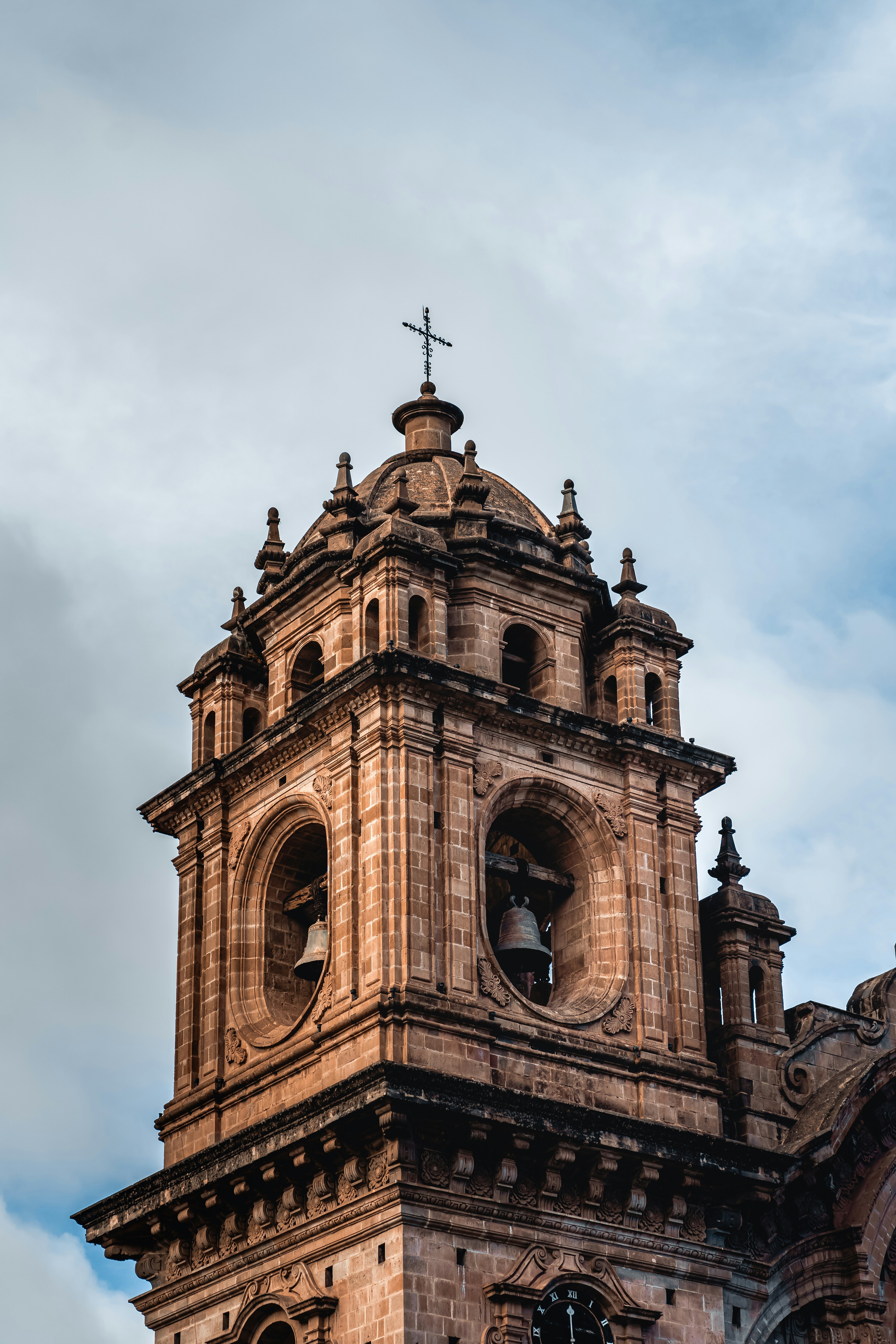
Ayacucho is one of Peru’s most historically layered cities - a place where pre-Inca empire ruins, colonial baroque churches, and a living tradition of artisan craft occupy the same landscape. The city is known as the City of Churches: by the most widely cited count there are 33 colonial churches within the city limits, and the baroque stonework on the best of them ranks with anything in Cusco or Arequipa. Semana Santa here is the most elaborate in all of Peru - a 17-day sequence of processions, street carpets, and community ritual that draws Peruvians from across the country and fills every hotel in the city. Outside of that peak it remains one of Peru’s least-visited major cities, which is precisely the point: the interactions here are authentic, the markets are not tourist-calibrated, and the artisan craft tradition remains commercially viable rather than performative. For travellers willing to come independently, it rewards the effort. For hotel recommendations from budget guesthouses to colonial-style mid-range stays near the Plaza Mayor, see our where to stay in Ayacucho guide.
Getting There
From Lima by air: The easiest option. LC Perú and Sky Airline fly direct from Lima’s Jorge Chávez International Airport to Coronel FAP Alfredo Mendívil Duarte Airport (AYP) in approximately 1 hour. Fares range from approximately S/150–S/450 one-way as of 2026 depending on timing. The airport is approximately 3km from the city centre; taxis charge approximately S/10–S/15.
From Lima by bus: Molina Unión is the main operator on this route. Cruz del Sur also covers it. Journey time is approximately 9 hours overnight through the central Andes. Cama seats cost approximately S/50–S/90 as of 2026. The road includes long mountain sections and can be slow in wet conditions; check the route status before travelling in rainy season (November–April).
From Cusco by bus: Several operators run the Cusco–Ayacucho route via Andahuaylas, approximately 10–12 hours total. This is the natural connection for travellers moving between southern and central Peru overland, though the roads require patience.
What to See
Plaza Mayor de Huamanga - The main square, formally called Plaza Mayor de Huamanga. The Cathedral (16th century) occupies the north side; the interior contains colonial painting and silverwork. Most of the city’s colonial churches are within a 15-minute walk of this square. Entry to the Cathedral is free; some smaller churches charge approximately S/3–S/5 or accept a donation.
The 33 churches - The count varies by source (some cite 37), but the figure reflects how thoroughly colonial Spanish institutions built over and beside Wari and Inca foundations in Ayacucho. Worth seeking out beyond the Cathedral: San Francisco de Asís (its retablo facade is among the most photographed in the city), La Compañía de Jesús (Jesuit, 17th century), and Santo Domingo. Many close midday and reopen in the afternoon - check opening hours on arrival.
Wari (Huari) archaeological site - Located 22km northeast of Ayacucho on the road to Quinua. The Wari Empire (approximately 600–1000 AD) predated and in part influenced the later Inca state. This site was the capital of that empire and covers a substantial area of residential compounds, ceremonial buildings, and underground tombs (chullpas). Entry is approximately S/10 as of 2026. Taxis from the city charge approximately S/40–S/60 return with waiting time; the site can be combined with the Quinua monument on the same trip. For a guided approach that includes English-language context, browse Ayacucho tours and day trips.
Quinua and Battle of Ayacucho monument - The Battle of Ayacucho (9 December 1824) was the final land battle of the South American wars of independence. The battlefield at Quinua, 37km from the city, is marked by a large obelisk monument. The village of Quinua is itself known for its handmade ceramics - small red-clay churches are placed on house rooftops as a traditional symbol. Taxis to Quinua approximately S/50–S/70 return.
Barrio de Santa Ana - The artisan neighbourhood on the hillside above the Plaza Mayor. Workshops here produce retablos (painted portable altarpieces), tapestries, and silverwork. You can watch craftspeople at work in open workshops. Prices are negotiable and significantly lower than equivalent pieces sold in Lima or Cusco. The annual Feria Artesanal in November focuses here.
Semana Santa - Held in March or April (date shifts with Easter annually). Events begin the Friday before Palm Sunday and continue for 17 consecutive days. Nightly processions carry elaborate floats through the city centre streets, which are covered with carpets of flowers, coloured sawdust, and natural materials. The most dramatic processions occur on Good Friday and Holy Saturday. Hotels book out entirely during the main days; if you plan to attend, book accommodation at least 6 weeks in advance and expect prices to roughly double.
Where to Stay
Hotel Cima - The most comfortable centrally located hotel in Ayacucho. Rooms from approximately USD 80–USD 120 per night as of 2026. Near the Plaza Mayor; restaurant on site. Staff can arrange day trips to Wari and Quinua.
Hotel Marbella - Well-regarded mid-range choice on the plaza. Rooms from approximately USD 50–USD 75 per night as of 2026. Clean and quiet; breakfast included. A reliable base for exploring on foot.
Via Via Hostel Ayacucho - Part of the Via Via international hostel network; popular with independent travellers. Dorm beds from approximately USD 12–USD 18, private rooms from approximately USD 35–USD 55 per night as of 2026. Common room with good city information; can arrange tours.
Hostal Santa Rosa - Budget guesthouse near the market with private rooms from approximately USD 20–USD 35 per night as of 2026. Basic facilities; central location.
Search hotels in Ayacucho on Booking.com
Where to Eat
Restaurante Los Alamos - The most consistently recommended restaurant in the city for regional Ayacuchano cuisine. Try puca picante (pork and potato in red pepper sauce), mondongo ayacuchano (tripe stew), and teqte (potato cakes). Mains approximately S/25–S/50 as of 2026.
Antojitos - Popular lunch spot on the plaza serving set menus with soup, main course, and juice for approximately S/15–S/20 as of 2026. Fast turnover and reliable.
Marakos 490 - Café-bar on the Plaza Mayor popular with students and younger travellers. Good filter coffee, sandwiches, and light meals. Drinks and snacks approximately S/10–S/20 as of 2026. Stays open later than most.
Mercado 12 de Abril food court - The main covered market near Avenida 9 de Diciembre has a food court serving hot lunches from approximately S/8–S/15 as of 2026. The best place to try caldo de cabeza (sheep’s head broth) and other local specialities that don’t appear on tourist restaurant menus.
Artisan Shopping
Beyond Santa Ana, the Mercado Artesanal Shosaku Nagase near the stadium sells textiles, retablos, and silverwork at lower margins than the workshops in the tourist zone. Allow at least an hour and budget time to talk to the craftspeople - many speak some Spanish and are willing to explain their techniques.
Practical Information
Altitude: Ayacucho sits at approximately 2,760m. Mild altitude symptoms are possible for visitors arriving directly from sea level. Rest on the first day.
Weather: Dry season May–October offers clear skies and cold nights. Rainy season November–April means afternoon showers. Semana Santa falls during the wet season - bring a waterproof layer for evening processions. For a full seasonal breakdown across Peru, see our best time to visit Peru guide.
Currency: Soles. BCP and Interbank ATMs available near the Plaza Mayor.
Language: Spanish is standard; Quechua is widely spoken in surrounding communities but less so in the city centre.
Safety: The city centre is considered safe. Avoid the outskirts at night. Use hotel-recommended taxis rather than hailing from the street after dark.
Ayacucho City Guides
Plan your time with our dedicated Ayacucho resources:
- Best Time to Visit Peru - Seasonal breakdown across the country, including Semana Santa dates and the rainy vs dry season divide.
- 1-Week Peru Itinerary - If Ayacucho is a stop on a broader circuit, this helps structure the rest of your trip.
- 2-Week Peru Itinerary - How to combine Ayacucho with Lima, Cusco, Machu Picchu, and the Amazon on a longer trip.
- Lima Travel Guide - The departure city for most Ayacucho flights; combines well with Ayacucho on a central Peru circuit.
- Cusco Travel Guide - Overland connection from Ayacucho via Andahuaylas for travellers continuing south.
- Peru Safety Guide - Safety conditions in Ayacucho and across Peru for independent travellers.
- Peru Bus Travel Guide - Overnight bus options from Lima to Ayacucho and the routes connecting central Peru.
Book an experience
Top experiences in Ayacucho
Explore the best tours and activities in Ayacucho , with instant confirmation and free cancellation on most bookings.