Tarapoto: High Amazon Gateway, Waterfalls, & Cumbia Capital
Tarapoto Peru travel guide - Ahuashiyacu waterfall, Sauce Lake, Lamas village, local cacao and coffee, and exploring the northern High Amazon.
Tarapoto is the largest city in the San Martín region of northern Peru and the most accessible entry point to the selva alta (High Amazon) - the transitional zone where the Andes descend into the rainforest. The city sits at approximately 350m altitude, which means reliably warm weather without the humidity of the lowland Amazon. It is a practical, lively base for exploring waterfalls, a highland lake, Kichwa-Lamista indigenous communities, and one of Peru’s growing cacao and coffee scenes. Tarapoto is also one of Peru’s cumbia capitals - the local music scene is loud, unpretentious, and very much alive on weekend evenings.
Getting There
From Lima by air: Cadete FAP Guillermo del Castillo Paredes Airport (TPP) is approximately 3km from the city centre. LATAM and Sky Airline fly from Lima daily; journey time approximately 1 hour 30 minutes. Fares from approximately S/150–S/280 one-way as of 2026. Taxis from the airport to the city centre cost approximately S/10–S/15.
From Chiclayo by air: Sky Airline operates this route on some schedules; check current availability. Journey time approximately 1 hour.
Overland: The main overland route follows the Carretera Fernando Belaúnde Terry from Lima via Tingo María and Juanjui - a journey of approximately 24–30 hours total and not recommended for most travellers. From Yurimaguas (approximately 2 hours north by road), river boats connect Tarapoto to Iquitos and the lower Amazon if you are planning a river journey.
From Yurimaguas: Colectivo taxis connect Tarapoto to Yurimaguas (the main river port for onward travel to Iquitos) in approximately 2 hours. Fares approximately S/20–S/30 as of 2026.
What to See and Do
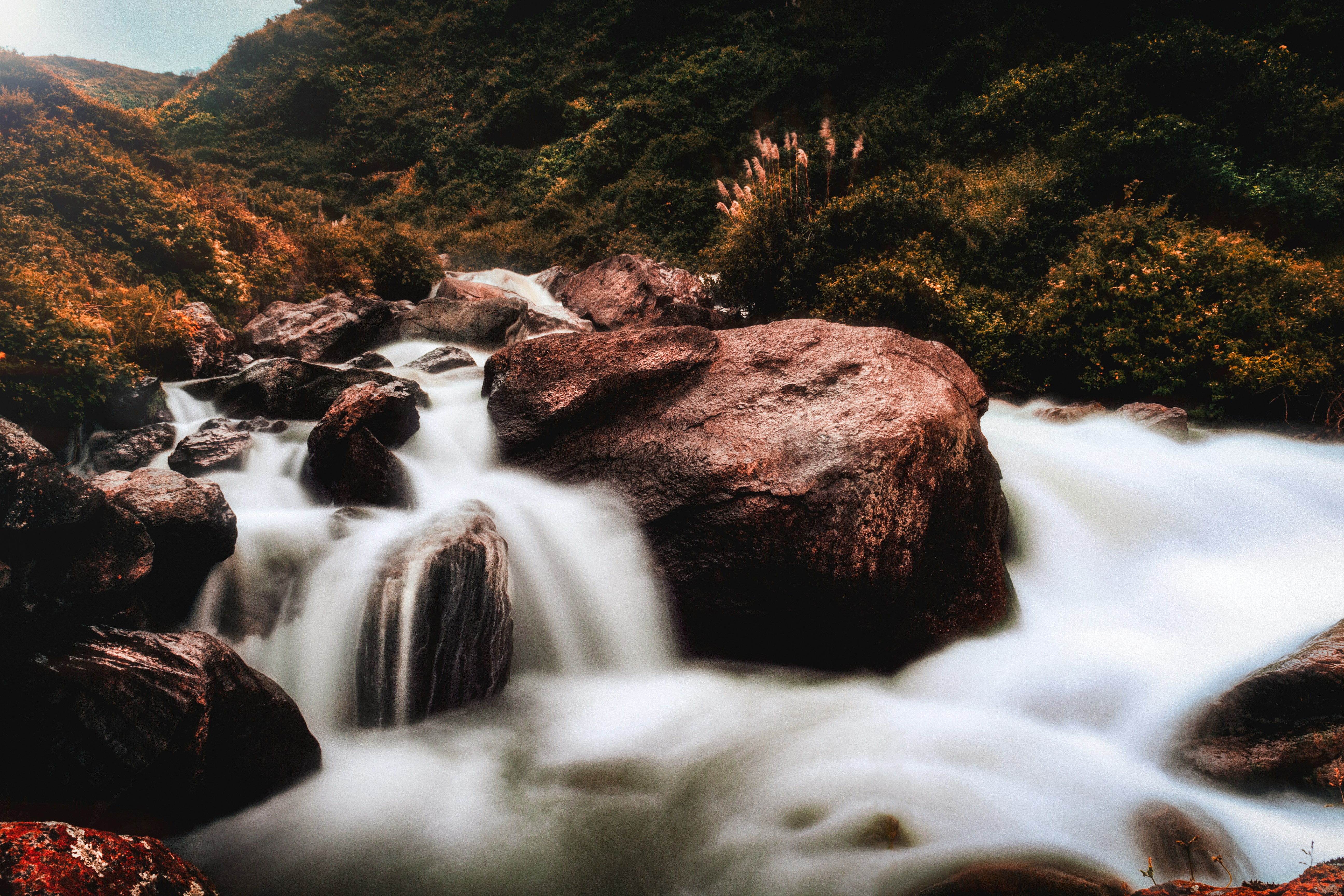
Catarata de Ahuashiyacu - The most visited waterfall near Tarapoto, 14km east of the city on the road toward Yurimaguas. The fall drops approximately 40m into a natural pool and is surrounded by secondary forest. Entry approximately S/5 as of 2026. Open daily 08:00–17:00. Accessible by mototaxi (approximately S/10–S/15 each way) or taxi (approximately S/20–S/30 round trip with waiting time). The 15-minute walk from the car park to the base is well maintained.
Sauce Lake (Laguna Azul) - An elongated blue lake approximately 45 minutes southeast of Tarapoto (approximately 50km by road). The lake is surrounded by low hills and is used for swimming, kayaking, and boat trips. Small restaurants and hostels line the eastern shore. Taxis from Tarapoto cost approximately S/50–S/70 for a half-day trip including waiting time as of 2026. Entry to the lake area approximately S/5. A popular weekend destination for local families - go midweek for fewer crowds.
Lamas - A hill town 22km from Tarapoto with a significant Kichwa-Lamista community in the upper Barrio Wayku. The barrio has a community museum with traditional dress, tools, and weavings (entry approximately S/5 as of 2026), and artisans sell textiles, ceramics, and body adornments. The views from the upper town over the San Martín valley are good. Colectivos from Tarapoto’s market area cost approximately S/5–S/7 per person; taxis approximately S/25–S/35.
Catarata de Huacamaillo - A less-visited waterfall approximately 25km from Tarapoto near the village of Shapaja. Taller than Ahuashiyacu and with fewer visitors. Access requires a taxi to Shapaja (approximately S/30–S/40) plus a 45-minute walk through secondary forest. No formal entry fee. Best in the dry season when the path is not waterlogged.
Cacao and Coffee Scene - The San Martín region produces internationally recognised fine-flavour cacao and specialty coffee. Several small producers and cooperatives around Tarapoto offer tours and tastings, including visits to drying and fermentation facilities. The NGO-linked Acopagro cooperative (approximately 30km from Tarapoto) is one of the most visited. Tours typically cost approximately S/30–S/50 per person as of 2026 and should be booked in advance. For a wider range of guided experiences around Tarapoto, browse available Tarapoto tours that include the selva alta region. The Tarapoto city centre has a growing number of specialty coffee shops serving local single-origin beans.
Río Mayo and Río Shilcayo - The rivers near Tarapoto are used for tubing (floating downriver on inflatable rings) - a popular local activity, particularly on weekends. Operators in the Bandurria district rent equipment for approximately S/15–S/25 per person as of 2026.
Where to Stay
Puerto Palmeras Resort - The most upmarket option near Tarapoto, located approximately 3km from the city centre on the road toward Sauce Lake. Swimming pool, restaurant, bungalow-style accommodation, and jungle-garden setting. Rooms from approximately USD 90–USD 130 per night as of 2026.
La Patarashca Hotel - Comfortable mid-range hotel in the Bandurria district (the nicest part of the city). Well-regarded on-site restaurant (see below). Rooms from approximately USD 55–USD 80 per night as of 2026.
Tarapoto Hotel - Centrally located business hotel near the Plaza Mayor. Reliable air conditioning, clean rooms, helpful front desk. Rooms from approximately USD 40–USD 60 per night as of 2026.
Alojamiento El Mirador - Budget hostel on Jirón Pedro de Urzúa. Basic but clean, with good views from the upper floors. Rooms from approximately USD 18–USD 30 per night as of 2026. Private rooms available.
Where to Eat
La Patarashca - The most-recommended restaurant in Tarapoto, specialising in traditional San Martín regional cooking. The namesake dish - patarashca (fish grilled in bijao leaf) - is excellent here, as are the juanes. Mains approximately S/30–S/55 per person as of 2026. Open for lunch and dinner; reservations useful at weekends.
El Mundo de la Pizza - Reliable option for travellers who have been eating regional food for several days. Good pizzas and salads at approximately S/25–S/45 per person as of 2026. Family-friendly.
Cevichería El Peñón - River fish ceviche and tiradito using local freshwater species (doncella, boquichico). The preparation is distinct from the coastal style - worth trying. Approximately S/25–S/40 per person as of 2026. Open for lunch only.
Street food around the market - Tacacho con cecina (fried plantain and dried pork) is the best street breakfast, sold from stalls near the Mercado Central from approximately 07:00–10:00. Approximately S/6–S/10 per serve as of 2026.
Café Vainilla - Small specialty coffee shop in the Bandurria district using locally grown single-origin beans. A coffee and something sweet costs approximately S/8–S/15 as of 2026. Opens at 08:00.
Nightlife
Tarapoto has a more active nightlife than any other city in the Peruvian Amazon. The cumbia and chicha music scene is centred on the streets around La Patarashca and the Bandurria district, with bars and clubs open Thursday to Saturday. This is local nightlife rather than tourist infrastructure - it is unpretentious, loud, and genuinely what the city does after dark. The best approach is to ask your hotel where is currently popular; venues change season to season.
Practical Information
Climate: Warm to hot year-round (22–34°C). The dry season (May–September) has more reliable sunshine and better road conditions; the wet season (October–April) brings afternoon downpours. Unlike lowland Amazon cities, Tarapoto at 350m altitude has lower humidity and cooler evenings - considerably more comfortable than Puerto Maldonado or Iquitos.
Getting around: Mototaxis (S/3–S/6 within the city as of 2026) are the main local transport. Taxis for day trips to waterfalls and Sauce Lake should be negotiated in advance; agree a price for the round trip including waiting time.
Onward travel: Tarapoto is a useful hub for northern Peru. Buses north to Moyobamba and Chachapoyas (approximately 6 hours, S/25–S/50 as of 2026) connect Tarapoto to the Kuélap fortress and the Gocta waterfall - one of the world’s tallest. Lima is reachable by daily flights in approximately 1.5 hours. For seasonal planning, see our best time to visit Peru guide for notes on the San Martín region’s dry and wet seasons.
Tarapoto and the Amazon: Related Guides
- Iquitos: Amazon Capital - Connected to Tarapoto via river from Yurimaguas. Peru’s largest city with no road access and the main gateway to deep Amazon lodge stays.
- Amazon Jungle Tours in Peru - Comparison of Amazon destinations in Peru: Iquitos, Puerto Maldonado, and the selva alta around Tarapoto.
- 2-Week Peru Itinerary - How to incorporate Tarapoto and the High Amazon into a broader Peru itinerary.
- Best Time to Visit Peru - Seasonal advice for the San Martín region, including when waterfall roads are clear and when Sauce Lake is at its best.
- What to Pack for Peru - Packing notes for selva alta travel: lightweight rain gear, insect repellent, and sun protection for hot lowland days.
Book an experience
Top experiences in Tarapoto
Explore the best tours and activities in Tarapoto , with instant confirmation and free cancellation on most bookings.