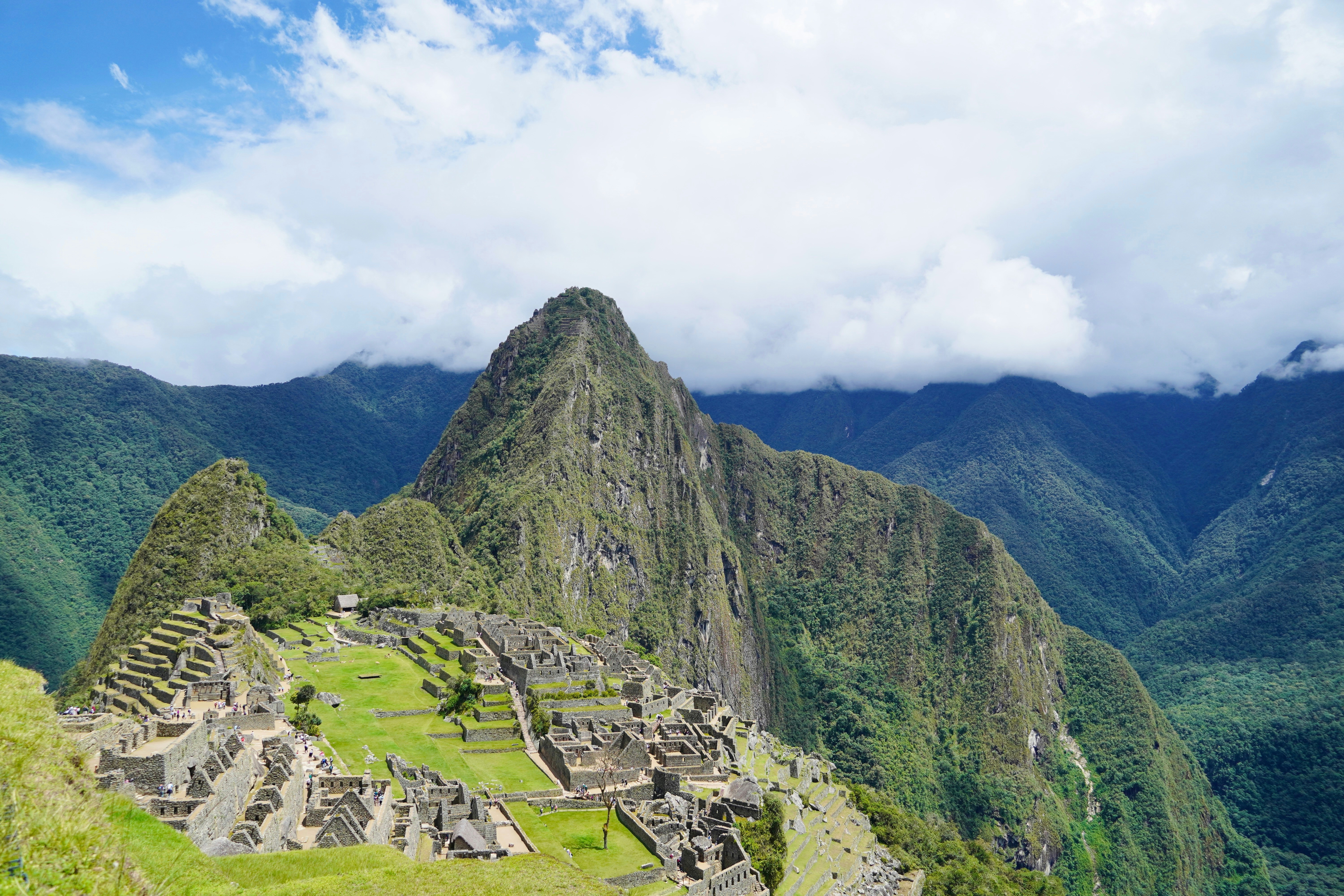
Two of South America’s most visited countries sit at opposite ends of the continent’s appeal spectrum. Peru is the continent’s ancient-history heavyweight - Machu Picchu, Cusco, the Sacred Valley, and the Amazon all in one country. Colombia is the comeback story: a country that rebuilt itself after a turbulent past into one of the most dynamic, affordable, and culturally rich destinations on earth. Which should you choose? Here is an honest comparison.
Quick Verdict
| Category | Peru | Colombia |
|---|---|---|
| Ancient history | Winner | - |
| Budget (USD/day) | ~USD 40–60 | ~USD 35–50 |
| Food | Winner | - |
| Coffee | - | Winner |
| Nature variety | Winner | - |
| Modern cities | - | Winner |
| Island beaches | - | Winner (Caribbean) |
| Altitude concerns | High risk | Low |
Choose Peru if you came to South America for Machu Picchu, Incan ruins, the Andes, and world-class food. Choose Colombia if you want buzzing cities, colonial Caribbean coast, coffee farms, and a lower daily budget.
Climate and Best Time to Visit
Peru’s climate splits sharply by region. The Andes (Cusco, Sacred Valley) have a dry season from May to October - this is high season and the best time to hike. The wet season (November to April) brings heavy afternoon rains but fewer crowds and lower prices. Lima sits in a coastal desert and is grey and overcast from June to November (the garúa season) but clear from December to April. The Amazon basin in Iquitos is hot and humid year-round.
Colombia straddles the equator and does not have traditional seasons. Rainfall patterns vary by region: the Andean cities (Medellín, Bogotá) see two wet seasons (March to May and September to November). The Caribbean coast (Cartagena, Santa Marta) is driest December to April, which is peak season. Medellín’s Feria de las Flores runs in August and is worth planning around.
Winner for climate flexibility: Colombia - the equatorial location means you can find good weather somewhere in the country at any time of year.
Cost Comparison
Colombia is slightly cheaper than Peru for most travellers, particularly outside Lima.
Colombia: A budget traveller staying in hostels and eating local can manage on approximately USD 35–50 per day. Medellín is notably affordable - hostel beds from USD 10–15, a set lunch (menú del día) for USD 3–5, and fresh jugo natural from COP 3,000 (less than USD 1). Bogotá costs a little more but remains reasonable. Cartagena, as a tourist hub, runs higher - budget USD 60–80/day there.
Peru: Budget travel runs approximately USD 40–60 per day. Lima is the most expensive city; local restaurants in Miraflores charge USD 10–20 for a main. Cusco is moderately priced at around USD 12–20 for a restaurant meal. The Sacred Valley and smaller Andean towns are cheaper. The biggest single cost in Peru is the entrance fees - Machu Picchu alone costs USD 40–65 depending on the circuit, and tickets must be pre-booked online at machupicchutickets.gob.pe (slots sell out weeks in advance).
Winner: Colombia, by roughly 15–20% across a typical trip.
Top Experiences
Peru
Cusco is the gateway to the Inca world and a destination in its own right. The Plaza de Armas, Sacsayhuamán fortress above the city, and the San Pedro market are all unmissable. Allow two to three days to acclimatise before heading higher.
The Sacred Valley strings together a series of Inca sites - Pisac market, Ollantaytambo fortress, the salt pans of Maras - across one of the most photogenic landscapes on the continent. Base yourself in Ollantaytambo for easy Machu Picchu access.
Machu Picchu (USD 40–65, circuit-dependent) remains one of the world’s genuinely unmissable sites. Morning slots see it in cloud and mist; afternoon visits often get clearer skies. Entry is timed, capacity-controlled, and must be booked well in advance.
Rainbow Mountain (Vinicunca) - a full-day trek from Cusco at 5,200m - has become heavily visited but remains spectacular. Budget around USD 20–30 for a guided day trip.
Iquitos opens the door to the Peruvian Amazon. Accessible only by river or air, it is the world’s largest city unreachable by road. Multi-day jungle lodges start from around USD 100/night all-inclusive.
Colombia
Cartagena’s walled colonial city is one of the best-preserved in the Americas. Wander the Getsemaní neighbourhood, take a sunset boat to the Rosario Islands, and eat street ceviche on the Plaza de la Trinidad. Note: Cartagena is hot and humid year-round.
Medellín’s transformation from the world’s most dangerous city to a model of urban regeneration is extraordinary. The cable cars climb to the comunas, the Metrocable connects hillside neighbourhoods previously cut off from the city, and the Poblado and Laureles districts have a thriving food and nightlife scene. Pablo Escobar tours are widely available - they are handled with nuance by most local operators.
The Coffee Region (Eje Cafetero) around Salento and the Cocora Valley is a UNESCO cultural landscape. Coffee farm tours run from approximately USD 30 and cover the full growing and processing cycle. The hike up the Cocora Valley to see wax palms - Colombia’s national tree - is one of the best day walks in South America.
Bogotá’s Gold Museum (Museo del Oro) is free on Sundays and houses the world’s largest collection of pre-Columbian gold artefacts. Monserrate, the white church above the city, is reached by cable car (COP 24,000 return) and offers views over the 10-million-person capital.
Food and Culture
Peru’s food scene is exceptional. Lima regularly places multiple restaurants in the world’s top 50 list (Central, Maido, Kjolle). Street-level food is equally impressive: ceviche with leche de tigre from a market stall (USD 3–5), anticuchos (beef heart skewers) from roadside grills, and causa (cold potato terrine) at sit-down restaurants (USD 6–10). Pisco sours are the national cocktail and they are exceptional.
Colombia’s food culture revolves around hearty, generous portions. Bandeja paisa - a tray of rice, red beans, ground meat, chorizo, egg, arepa, and plantain - is the definitive dish of the Antioquia region. Fresh fruit juice culture is unmatched: every block in Medellín has a juice bar with 40 varieties from USD 0.80. Colombian coffee, drunk as tinto (small black), is served everywhere and consistently excellent.
Food winner: Peru. Coffee winner: Colombia, decisively.
Getting There and Around
Both countries are well-served by international flights. Bogotá’s El Dorado Airport is a major South American hub with direct connections to Europe and North America. Lima’s Jorge Chávez Airport connects similarly. Budget airlines (Latam, Avianca, Copa) cover internal routes in both countries cheaply - internal flights in Colombia from USD 30–60.
In Peru, the Cusco–Aguas Calientes train (PeruRail or Inca Rail) costs approximately USD 50–90 one-way and must be booked ahead. Long-distance buses are cheap and mostly comfortable. In Colombia, buses between cities are excellent and affordable - Medellín to Cartagena by bus takes about 12 hours and costs around USD 25–35.
Who Should Choose Each?
Choose Peru if you:
- Want to see Machu Picchu and Inca history
- Are a serious foodie (Lima is a destination for this alone)
- Want extreme nature variety (coast, Andes, Amazon) in one trip
- Have at least two weeks
Choose Colombia if you:
- Prioritise budget and want more for your money
- Love cities with nightlife, arts, and cafe culture
- Want to visit both the Caribbean and the Andes
- Are interested in modern Latin American culture and history
Final Verdict
Peru and Colombia are not really rivals - they appeal to different travel instincts. Peru is for the bucket-list seekers, the history lovers, and the serious foodies. Colombia is for the urban explorers, the coffee obsessives, and the travellers who want to go deeper into local culture at a lower cost.
If you only have ten days, pick the country that matches your primary interest. If you have three to four weeks, combine both - it is one of South America’s most rewarding itineraries. If Peru wins, browse guided tours to start building your itinerary around the experiences that matter most to you.
Plan Your Trip
✈️ Book your flights to Peru 🛡️ Get travel insurance 📱 Stay connected with an eSIM 🚗 Rent a car