Peru is a safe destination for tourists on the standard travel circuit. The most frequently cited safety concerns - pick-pocketing, taxi scams, and altitude-related medical issues - are all manageable with awareness and preparation. This guide gives an honest, neighbourhood-level assessment. For broader trip planning, see our first-time Peru guide.
Lima
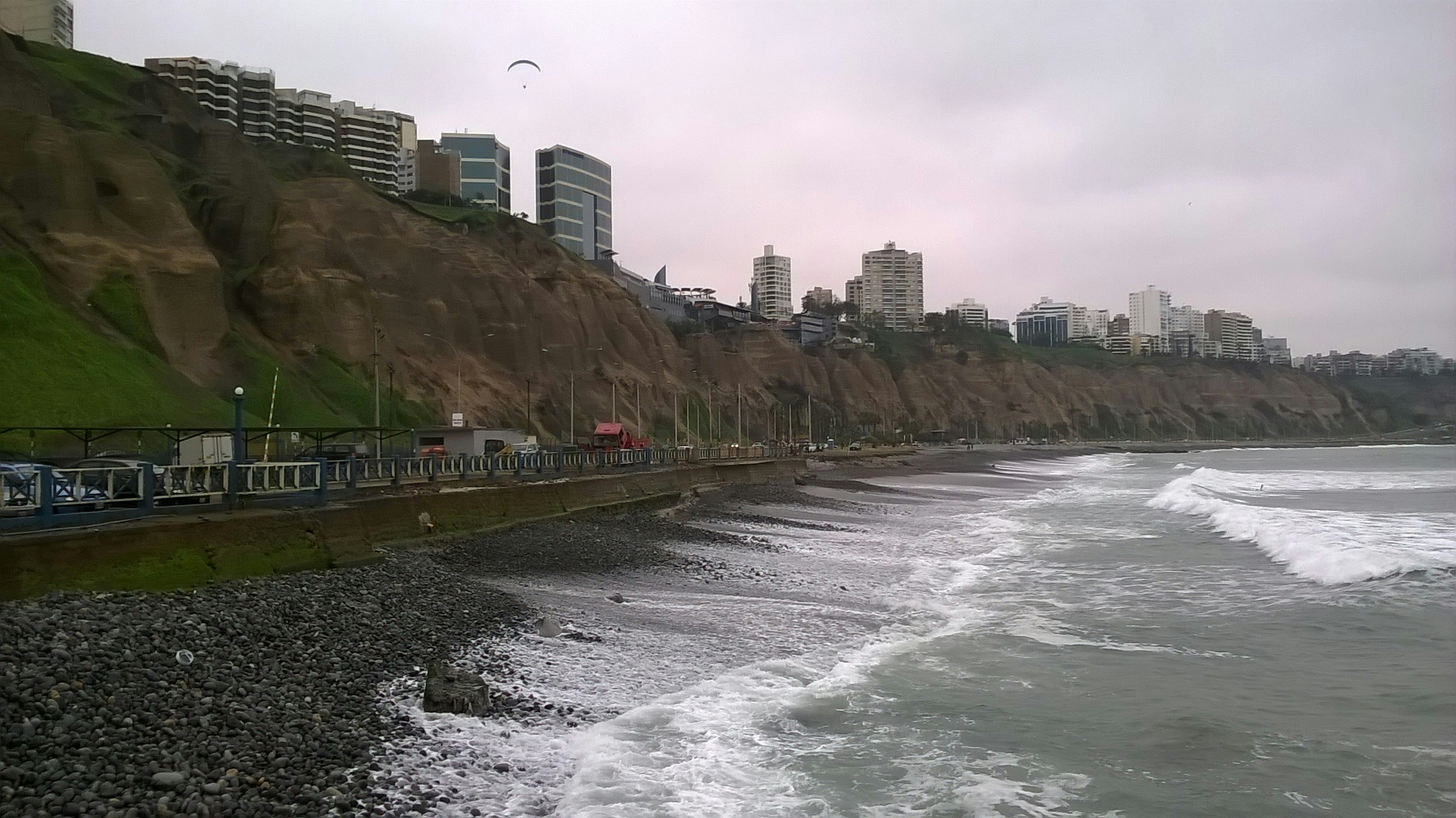
Miraflores: Safe day and night for tourists. Well-policed, well-lit, with a strong tourist presence. The cliff-top parks and restaurant areas are active until late. Standard awareness (no flashy display of phones, keeping bags in front in crowds) is all that is needed. See our Lima city guide for neighbourhood orientation.
Barranco: Safe, particularly in the restaurant and arts district. A little quieter after midnight; use Uber rather than walking far after 02:00.
Centro Histórico: Safe during the day with awareness. Worth visiting for the Plaza Mayor, San Francisco Cathedral, and Larco Museum, but the surrounding streets require caution with valuables. Do not walk to or from the centre from Miraflores - take Uber.
Callao (Airport area): Higher risk than the tourist zones. The airport itself is secure, but the surrounding Callao streets are not a tourist area. Take the airport taxi service directly to your hotel.
Areas to avoid: La Victoria, El Agustino, San Juan de Lurigancho, and parts of the Callao port area. These are not tourist zones and have significantly higher crime rates.
Cusco
Plaza de Armas and Centro: Busy and generally safe during the day. The main squares are well-monitored. Be aware of distraction theft - common techniques include someone bumping into you or creating a commotion while an accomplice takes your bag. Our Cusco city guide covers the main neighbourhoods in detail.
San Blas neighbourhood: Mostly safe during the day; use Uber or a taxi from the centre after dark rather than walking downhill through unlit streets.
Bus terminal area (Terminal Terrestre): Exercise standard caution here - petty theft is more common in and around bus terminals. Keep bags close; do not accept unsolicited help from unofficial porters.
After dark in Cusco: The bar district around Procuradores (Gringo Alley) is lively but attracts some opportunistic crime. Keep phones in pockets rather than on tables; use registered taxis to return to hotels.
Machu Picchu and Aguas Calientes
Both are considered very safe. The site has a managed entry system and rangers throughout. Aguas Calientes is a small tourist town with a single main street - it functions largely as a staging post for Machu Picchu and is safe.
Altitude-related risk: The main safety concern at Machu Picchu is the physical terrain. Stay on marked paths, do not attempt unofficial routes, and be cautious on steep stone steps in wet weather. Several serious accidents per year result from visitors leaving marked trails.
Arequipa
The historic centre around Plaza de Armas and Santa Catalina Monastery is safe for tourists. The city is less crowded than Cusco and has fewer petty theft incidents. Use standard precautions in the market area. Colca Canyon tours with established operators are safe.
The Amazon (Iquitos)
Iquitos city centre and the tourist waterfront (Malecón) are safe for tourists. The Belén market area has higher petty theft risk and is best visited in the morning with a local guide. Do not enter the market after dark.
In the jungle, the main risks are environmental rather than criminal: insects (malaria, dengue), wildlife encounters, and navigation. Book jungle lodges through established operators; do not venture into the forest alone.
Taxis: The Most Important Safety Issue
The single most common tourist crime in Peru is express kidnapping and robbery via unofficial taxis. Victims are picked up in unmarked vehicles, driven to an ATM, forced to withdraw cash, and released. This has occurred in Lima, Cusco, and Arequipa.
Rule: Never hail a taxi from the street. Always use:
- Uber (operates in Lima, Cusco, Arequipa, Trujillo)
- InDrive (similar, operates widely)
- Hotel-called taxis - ask your hotel to call a specific number
- Airport taxi booths (pay in advance at official desks)
Transport Safety
Long-distance buses: Stick to Cruz del Sur, Oltursa, or CIVA for overnight routes. Cheaper, unmarked companies have worse safety records on Andean mountain roads.
Night buses: The Andean road network at night carries risks from road conditions and overtaking. If travelling the Lima–Cusco route (22 hours), flying is strongly recommended over the bus option for safety and sanity.
Health Safety
Water: Do not drink tap water anywhere in Peru. Bottled water is universally available and cheap (approximately S/2–S/4 for 1.5 litres).
Food: Cooked street food from clean-looking stalls is generally safe. Avoid raw salads and unpeeled fruit in small restaurants. Lima’s top restaurants are safe.
Altitude: The biggest health risk for highland visitors. See our altitude acclimatisation guide.
Medical insurance: Essential. Ensure it covers emergency helicopter evacuation from highland areas - costs without insurance are extreme.
Current Situation
Political protests and demonstrations occur in Peru, particularly in Lima, Cusco, and some highland cities. These are generally peaceful but can close roads, disrupt transport, and occasionally become confrontational. Monitor local news and your government’s travel advisory page before and during travel. The US State Department, UK FCDO, and Australian DFAT all maintain up-to-date Peru advisories.
Summary Verdict
Peru is a safe destination for prepared travellers. The tourist circuit is well-established, infrastructure is improving, and violent crime against tourists is rare. The practical rules are simple: use registered taxis or Uber exclusively, keep valuables secured, stay aware in crowded areas, and acclimatise properly at altitude. Hundreds of thousands of international visitors travel Peru annually without incident. Guided tours in Peru reduce the logistical decisions that increase risk - a guide handles transport, knows the safe taxi operators, and can navigate situations that trip up solo travellers. Make sure your travel insurance covers medical evacuation from remote areas before you leave home. Travelling solo? Our Peru solo travel guide covers Cusco’s hostel scene, Inca Trail group tours, and safety advice for solo women in Lima.
Related Guides
- First-Time in Peru Guide - Comprehensive arrival guide covering airport safety, taxi rules, and first-day orientation.
- Lima Travel Guide - Miraflores and Barranco safety, Uber versus street taxis, and which parts of the city to avoid.
- Cusco Travel Guide - The tourist circuit safety context and what to watch for in the San Pedro market area.
- Travel Insurance for Peru - Why medical evacuation cover matters and what adequate coverage looks like.
- Peru Bus Travel Guide - Safe bus operators, how to avoid informal carriers, and what to keep on your person overnight.
Search hotels in Peru on Booking.com
Plan Your Trip
✈️ Book your flights to Peru 🛡️ Get travel insurance 📱 Stay connected with an eSIM 🚗 Rent a car