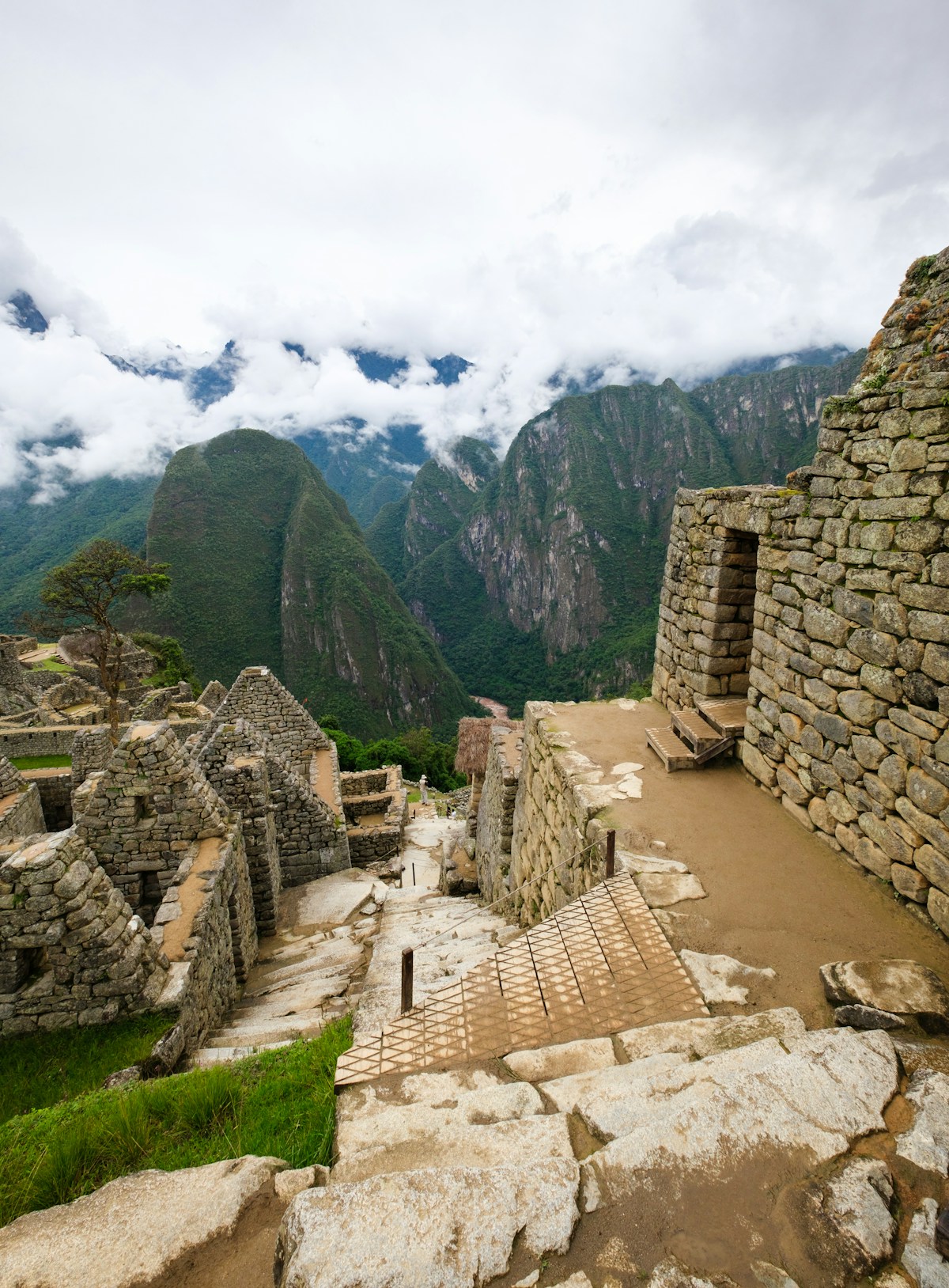
Choquequirao is one of the most significant Inca sites in Peru - and one of the least visited. Perched on a ridge at 3,033 metres above the Apurímac Canyon, the complex is often called the “sister city of Machu Picchu” because of its architectural similarities and ceremonial importance. Unlike Machu Picchu, Choquequirao has no road, no train, and no bus. The only way to reach it is on foot, across a trail that most trekkers describe as the hardest two days they have ever walked.
That difficulty is exactly the point. On a full circuit, you will share the site with perhaps 20–30 other visitors - compared to the 5,000 daily limit at Machu Picchu. Choquequirao rewards the effort with an extraordinary combination of Inca archaeology, condor sightings over the canyon, and near-total solitude.
What Is Choquequirao?
Choquequirao (“Cradle of Gold” in Quechua) was an important ceremonial and administrative centre in the Inca Empire. It is believed to have served as a royal estate for the Inca Túpac Yupanqui and later as a refuge during the Spanish conquest. Archaeological work is ongoing - only around 30–40% of the site has been cleared and restored, meaning the full scale of the complex is still emerging from the cloud forest.
The main features of the site include:
- Upper and lower plazas - large ceremonial terraces with original Inca masonry
- Temple of the Sun - the highest structure, with commanding views over the canyon
- Llama terraces - uniquely decorated terraces featuring white stone llama inlays, found on few other Inca sites
- Residential sectors - rows of dwellings extending down the ridge
- Water channels - intricate stone aqueducts still visible in sections
Standard 4-Day Route (Cachora Loop)
The most common approach is from Cachora village (2,870m), approximately 4 hours by road from Cusco. All agencies use this route.
Day 1: Cusco to Cachora → Playa Rosalinas (3,800m descent, 17km, hard)
Drive from Cusco to Cachora (approximately 4 hours). Begin trekking by mid-morning. The trail descends steeply through dry scrub and cactus into the Apurímac Canyon, losing nearly 1,500m to the river crossing at San Ignacio bridge. Cross the bridge and climb to the camp at Playa Rosalinas (1,550m). This day is relentless on the knees and deceptively long. Start as early as possible.
Day 2: Playa Rosalinas → Choquequirao (1,500m ascent, 12km, very hard)
The hardest day on the circuit. The trail climbs continuously from 1,550m to the site at 3,033m - over 1,400m of ascent with virtually no flat sections. The final approach passes through cloud forest before opening onto the first cleared terraces. Arrive at camp below the main plaza. Once you have dropped your pack, walk the site in the late afternoon light.
Day 3: Full day at Choquequirao
Spend the full day exploring the site with no time pressure. Visit the llama terraces (a 40-minute walk below the main plaza), the Temple of the Sun, and the residential sectors on the upper ridge. A local ranger can provide site orientation for a small tip. If clouds permit, the views southwest over the Apurímac Canyon are extraordinary - watch for Andean condors riding thermals above the canyon in the morning.
Day 4: Choquequirao → Cachora (return, 12–17km, very hard)
Return via the same trail. The descent to the river and the re-climb out of the canyon are both demanding. Many trekkers find Day 4 harder than Day 2 on tired legs. Depart camp by 05:30 to make the full ascent to Cachora before dark. Overnight in Cachora or drive back to Cusco.
5-Day Extended Circuit
A 5-day version adds a rest day at the site (split Day 3 into two half-days of exploration) or extends the return via the Maizal sector, which accesses additional residential structures and offers different views. Recommended for photographers and history-focused trekkers. The 6-day version continues to Santa Teresa and connects to Aguas Calientes for a Machu Picchu finish - this is a serious multi-day commitment requiring additional planning.
Altitude Profile
| Section | Altitude | Change |
|---|---|---|
| Cachora start | 2,870m | - |
| San Ignacio bridge | 1,520m | −1,350m |
| Playa Rosalinas camp | 1,550m | +30m |
| Choquequirao site | 3,033m | +1,483m |
| Pincho Unuyoc (high point) | 3,630m | +597m |
The altitude at the site itself (3,033m) is moderate compared to Inca Trail and Rainbow Mountain. The challenge is not altitude - it is the sheer vertical change on a narrow, steep trail with a loaded pack. Acclimatise in Cusco for at least 2 days before departure.
Difficulty Assessment
Overall rating: Challenging to very challenging.
- Distance: Approximately 52km return (standard 4-day loop)
- Elevation gain/loss: Over 3,000m in each direction
- Trail condition: Rocky, narrow, exposed in sections; some loose scree on descent
- Navigation: Clear trail; no route-finding required with a guide
Suitable for trekkers with prior multi-day hiking experience who are comfortable with steep exposed trails. Not recommended for those with knee problems, vertigo, or cardiovascular conditions. No technical climbing or scrambling.
Recommended Operators
Andina Travel (Cusco) - One of the most established operators for Choquequirao. 4-day guided group tours from approximately USD 380–USD 450 per person as of 2026. Small groups (max 8). Includes mules for gear portage, camping equipment, guide, cook, and all meals.
Apus Peru - Specialist in remote Inca sites. Choquequirao tours from approximately USD 420–USD 500 per person as of 2026 for small-group departures. Their guides have strong archaeological knowledge of the site beyond what other agencies offer.
SAS Travel Cusco - Budget-friendly option. Group tours from approximately USD 320–USD 380 per person as of 2026. Good value with consistent reviews; less personalised than smaller operators.
Independent trekking is possible for experienced hikers. You will need to arrange your own transport to Cachora, carry camping equipment, and purchase food in Cachora before departure. Campsites charge approximately S/10–S/20 per tent as of 2026. Without a guide, allow extra time for site orientation.
Browse Choquequirao tours from Cusco to compare departure dates and group sizes.
What’s Included (Guided Tours)
Standard tour packages typically include:
- Return private transport Cusco–Cachora
- English/Spanish-speaking guide
- Mule support for group gear (trekkers carry daypack only)
- Camping equipment (tent, sleeping mat - sleeping bags sometimes extra)
- All meals on trail (breakfast, lunch, dinner)
- Cook and assistant guide
- Site entry fees
Not typically included: Sleeping bag rental (approximately S/20–S/40 per day), tips for guide and cook, personal gear, Cusco accommodation before/after trek. Search hotels in Cusco on Booking.com
Best Season
May–September: Optimal. Dry season with clear skies, stable trail conditions, and cold but manageable nights. The canyon section in July and August is hot during the day - carry at least 3 litres of water for Day 1.
October–November: Shoulder. Some rain; trails manageable but may be muddy on the descent.
December–April: Wet season. The canyon section becomes intensely humid, trail surfaces erode, and afternoon thunderstorms are common above 2,500m. Possible but demanding; March is the wettest month.
The site does not close in wet season, unlike the Inca Trail. But conditions in February–March make for a genuinely unpleasant experience for most trekkers.
Gear Checklist
- Trekking poles (essential - the descent is steep and sustained)
- Waterproof hiking boots (broken in before departure)
- Sleeping bag rated to −5°C (nights at site can be cold)
- Sun protection: hat, sunscreen, lip balm (the canyon section has no shade)
- Water purification tablets or filter (stream water available on trail)
- Headlamp with spare batteries
- Snacks beyond what the cook provides - the uphills are calorie-intensive
- Light rain jacket (year-round, even in dry season)
Getting to Cachora
From Cusco, colectivos to Cachora depart from near the Terminal Terrestre for approximately S/20–S/30. The journey takes approximately 3.5–4 hours. Most guided tours include private transport. For independent trekkers, budget extra time for connections.
Alternatively, some operators start from Huanipaca, a slightly different access point that varies the Day 1 approach - check with your agency.
For the broader context of trekking in Peru, see our Inca Trail guide and Salkantay Trek guide. If Choquequirao appeals because of the solitude, also consider the Colca Canyon trek in southern Peru.
Plan Your Choquequirao Trek
- Cusco Travel Guide - Base city for all Choquequirao agencies: where to find operators, acclimatisation advice, and what to do before departure day.
- Inca Trail Alternatives Guide - Full comparison of all Cusco-region multi-day treks, including Choquequirao’s difficulty and crowd level versus Salkantay and Lares.
- Altitude Sickness in Peru - The approach to Choquequirao involves significant altitude variation. Read this before booking.
- Where to Stay in Cusco - Accommodation recommendations for the night before and after your trek.
- Choquequirao vs Machu Picchu - Full comparison of both Inca sites: crowds, difficulty, archaeological depth, and which suits different travellers.