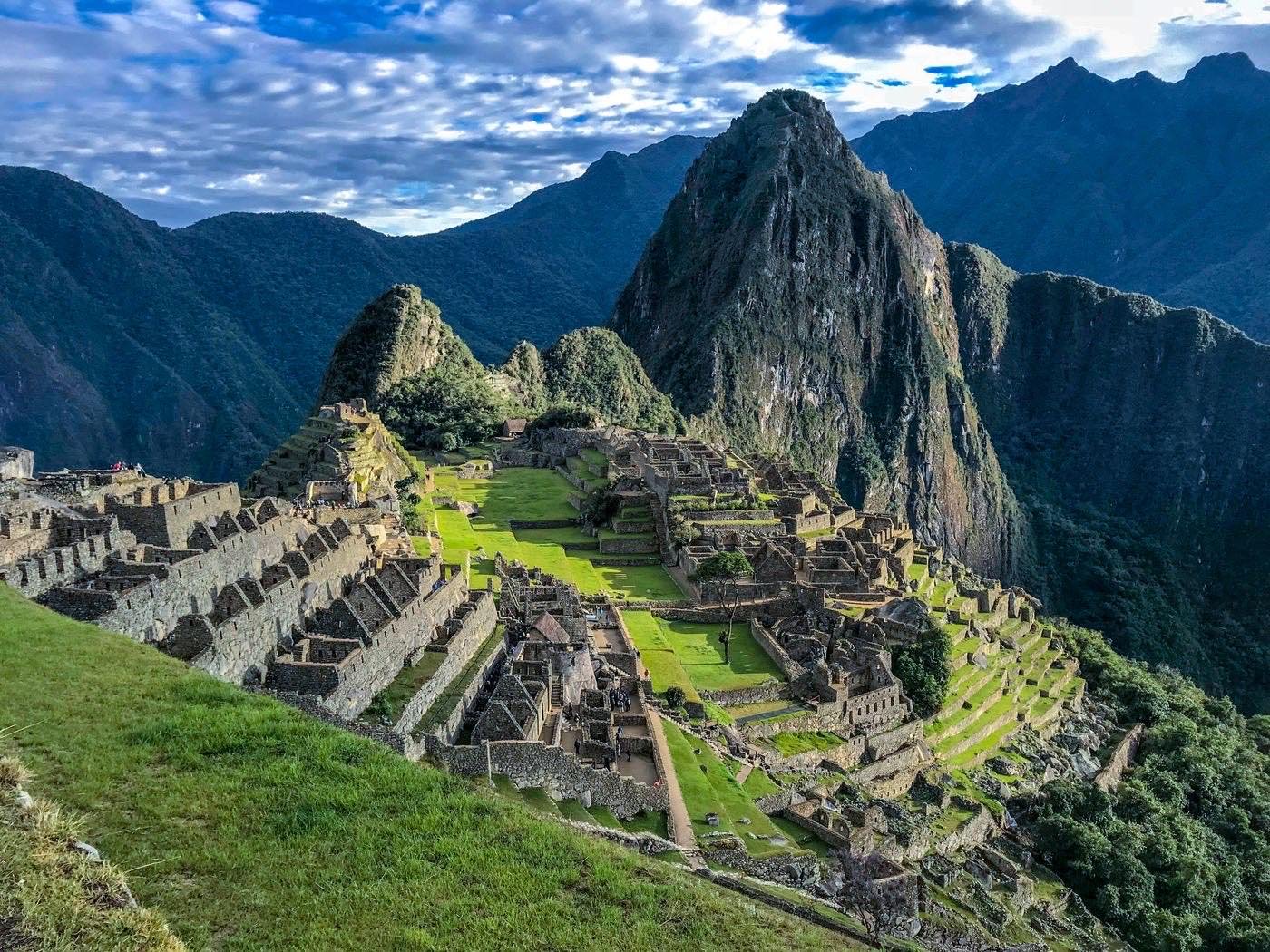
Packing for a multi-day Andean trek is a balancing act: mornings at camp drop below freezing, midday on the pass is bright and exposed, and the last day on the Inca Trail or the Salkantay descent is humid and warm. This list works for the Inca Trail and, with the adjustments we flag, for the Salkantay Trek. For a general trip list covering cities and flights, see what to pack for Peru.
First: what your operator already supplies
On a standard group trek, the operator provides tents, foam mats (often thin), cooks, meals, a duffel bag for porter-carried gear, and usually a first-aid kit and emergency oxygen. They rent sleeping bags, inflatable mats and trekking poles for a fee. Check your booking inclusions before you buy anything, since duplicating what is included is the most common packing waste. On the Inca Trail, expect a weight limit of around 6 to 7 kg in the duffel (confirm with your operator), and everything else goes in your daypack.
Daypack: what you carry yourself
A 25 to 30 litre pack is enough. Keep these within reach:
- Passport (essential: the Inca Trail permit is checked against it, and Machu Picchu tickets are too) and a printed copy of your booking
- Rain jacket or poncho that fits over your pack
- Water: 2 litres capacity (bottles or a hydration bladder). Operators refill from boiled or treated water at camp
- Sun protection: hat, SPF 50 sunscreen, lip balm with SPF, sunglasses
- Snacks: nuts, chocolate, energy bars (operators serve meals but not trail snacks)
- Light fleece and gloves for the passes
- Camera, headlamp with spare batteries, toilet paper and small zip bags for used paper
- Small cash in soles for tips, drinks and toilets (approximately S/5 to S/20 in small notes)
Clothing: the layering system
| Item | Quantity | Notes |
|---|---|---|
| Moisture-wicking base layer tops | 2 to 3 | Synthetic or merino, avoid cotton |
| Trekking trousers | 2 | Zip-off convertibles are popular |
| Thermal base layer (top and bottom) | 1 set | For camp and summit mornings |
| Fleece or mid-layer | 1 | Midweight is enough |
| Down or synthetic jacket | 1 | Essential for nights and the passes |
| Waterproof jacket and trousers | 1 set | Rain can arrive any month |
| Hiking socks | 3 to 4 pairs | Wool blend; one dry pair for sleeping |
| Warm hat and gloves | 1 each | Needed before sunrise |
| Underwear | 3 to 4 | Quick-drying |
| Camp shoes or sandals | 1 pair | Lightweight, for evenings |
Footwear
Broken-in, waterproof ankle-support boots are the single most important item. New boots cause blisters on the Dead Woman’s Pass descent (the Inca Trail’s highest point, 4,215 m) and on the long Salkantay Pass descent (4,638 m). Wear them for several hikes first. Bring blister plasters and a small roll of tape.
Sleeping gear
- Sleeping bag rated to about -5 C. Rent from the operator (roughly USD 15 to 30, as of 2026) or bring your own.
- Silk or fleece liner adds warmth and hygiene to a rented bag.
- Inflatable mat (rental or your own) beats the thin foam pad most operators supply.
- Earplugs: camps are busy and start early.
Health and hygiene kit
- Altitude medication if prescribed by your doctor (see altitude sickness in Peru)
- Oral rehydration salts, anti-diarrhoea tablets, painkillers, personal medication
- Insect repellent with DEET, especially for the lower, humid sections on the final days (sandflies near Machu Picchu bite hard)
- Biodegradable wet wipes, hand sanitiser, a small quick-dry towel
- Water purification tablets as a backup
Travel insurance for Peru that covers trekking above 4,000 m is worth confirming before you pay your deposit.
Salkantay-specific adjustments
The Salkantay route starts in the cold at Soraypampa (3,900 m), crosses the high pass at 4,638 m, then drops into warm cloud forest. Compared with the Inca Trail list:
- Pack a warmer down jacket and a hat you can pull over your ears; camp nights drop below freezing.
- Add swimwear if your itinerary includes hot springs at Santa Teresa.
- Bring more insect repellent and lightweight long sleeves for the lower valleys.
- Carry small soles for community fees and trailside stalls (a few soles each).
- Day one often includes the Humantay Lake hike, which needs your warm layers within reach.
Compare the routes in Salkantay vs Inca Trail.
What to leave behind
- Heavy cotton jeans and hoodies
- Hard-shell luggage (it will not go on the trail; leave bags at your Cusco hotel)
- Single-use plastic bottles and anything you cannot pack out
- Drones and large tripods (restricted on the trail and at Machu Picchu)
- Valuables you would hate to lose. Most Cusco hotels will hold luggage free during the trek, such as those in our Cusco stay guide
Final days before you go
Spend at least two full days in Cusco acclimatising, and do any last shopping there: trekking shops in the centre sell ponchos, gloves, sunscreen and snacks at reasonable prices. Browse Inca Trail tours to check what each operator includes, or Cusco trekking tours for Salkantay departures. Rules on the final day at Machu Picchu, including bag size limits, are published on the official Machu Picchu site, so check them close to your date.