Machu Picchu: Complete Visitor Guide
Machu Picchu entry fees, circuit options, trains from Cusco, and where to stay in Aguas Calientes — everything to plan your visit.
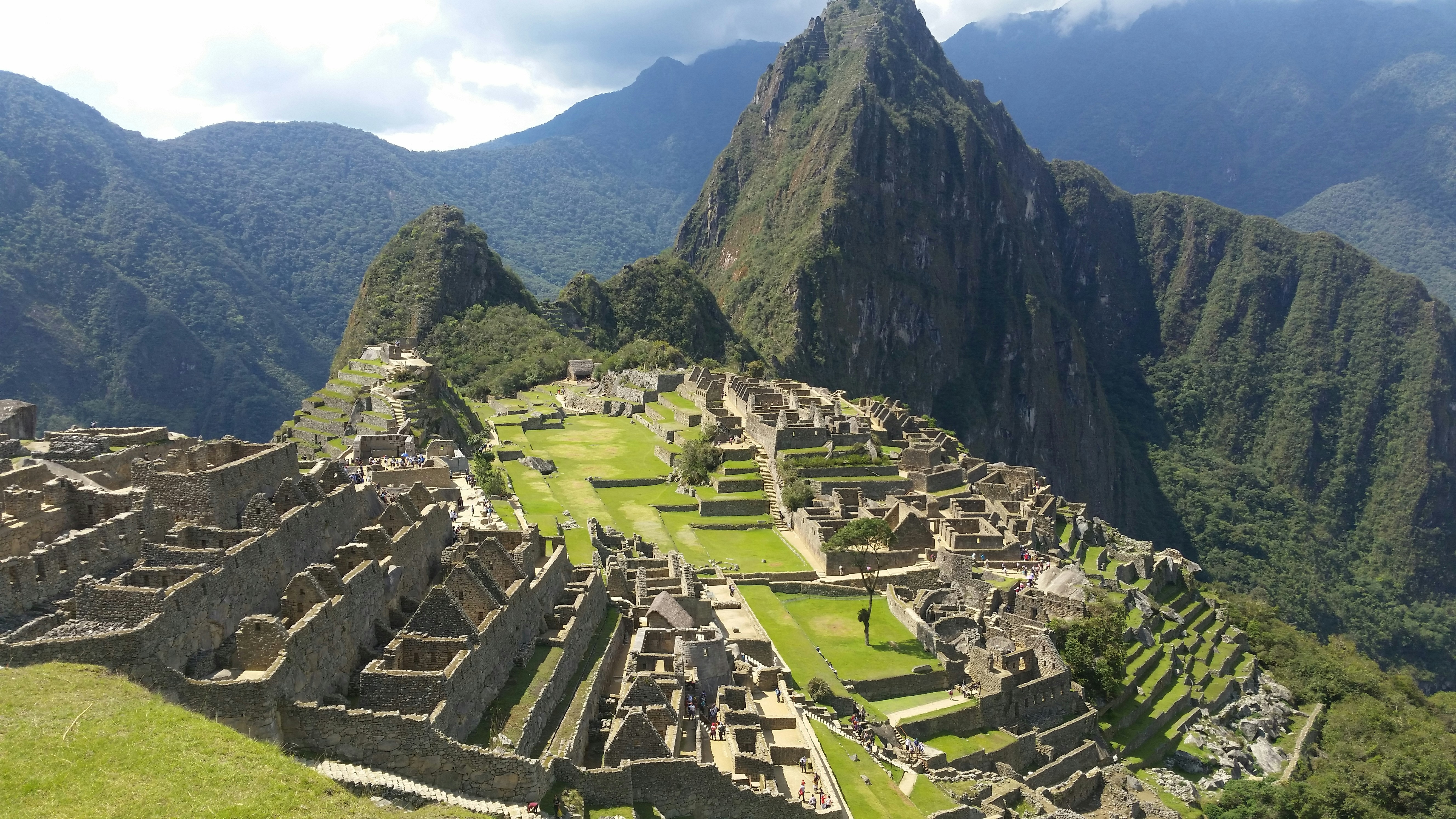
Machu Picchu is the most visited archaeological site in South America and one of the best-preserved examples of Inca construction anywhere in the world. Built in the mid-15th century at around 2,430 metres above sea level in the cloud forest of the Andes, the citadel was unknown to the outside world until 1911, when American historian Hiram Bingham arrived with a guide from the nearby village. Getting there remains an event in itself: there is no road to the site. Everyone arrives by train, on foot along a trek, or by the combination bus-and-walk route through Hidroeléctrica. That physical remove is part of what makes the experience distinctive.
For a deeper look at the archaeology and history of the site, see our guide to Machu Picchu’s history and construction.
Getting There from Cusco
There is no road to Machu Picchu or to Aguas Calientes (the staging town at the base of the ruins). The main approach is by train.
Via Ollantaytambo (recommended): Take a shared colectivo from Cusco to Ollantaytambo in the Sacred Valley — approximately S/10-18 per person, 1.5-2 hours. From Ollantaytambo, PeruRail and Inca Rail both run multiple daily trains to Aguas Calientes (approximately 1 hour 30 minutes). Fares start at around USD 60-90 one way as of 2026 in Expedition/Voyager class. This route is more affordable than boarding from Poroy near Cusco and adds Sacred Valley scenery.
Via Poroy station (direct from Cusco): Trains depart Poroy (15 minutes by taxi from Cusco centre) and arrive in Aguas Calientes approximately 3.5 hours later. Fares start around USD 70-100 one way as of 2026. Convenient if you are not visiting the Sacred Valley separately.
Hidroeléctrica (budget option): A bus from Cusco to Santa Teresa and then Hidroeléctrica (approximately 5-6 hours) followed by a 3km walk along the railway tracks into Aguas Calientes. Total cost is around USD 25-40 return as of 2026. Considerably slower but the cheapest way to reach the site.
From Aguas Calientes to the ruins: Buses depart from the terminal in town from approximately 5:30am and take 25 minutes to the citadel entrance. A return ticket costs approximately USD 24 as of 2026. Alternatively, a stone staircase climbs approximately 400 metres from the top of town to the entrance — about 60-90 minutes at a steady pace. Many visitors walk up and take the bus down.
Full route breakdowns, timetables, and booking links are in our how to get to Machu Picchu guide.
Entry Tickets and Circuits
All tickets must be purchased in advance at machupicchu.gob.pe. Walk-up sales are not available. Admission is approximately S/152 for adults (around USD 40) and S/77 for students with a valid ISIC card as of 2026. As of peak season 2026, daily visitor capacity is approximately 5,600 visitors spread across morning and afternoon sessions.
The citadel is divided into four circuits. You are assigned to one at booking and cannot move freely between them once inside.
Circuit 1 (Classic Upper Route): The iconic panoramic overlook, Temple of the Sun, Intihuatana stone, and Room of the Three Windows. This is the route that produces every photograph you have seen. Duration: approximately 2-3 hours.
Circuit 2 (Lower Terraces): Agricultural sector, Industrial District, and the Condor Temple. A shorter walk, recommended for visitors with mobility limitations.
Circuit 3 (Inca Bridge): Extends the upper route with the Inca Bridge trail — a narrow ledge path cut into the cliff face. The bridge is a viewing area rather than a crossing point. Less crowded and genuinely spectacular.
Circuit 4 (Sun Gate): The route climbs to Intipuncu (the Sun Gate), which overlooks the citadel from above and is the arrival point for Inca Trail trekkers. A 45-minute climb from the main entrance.
Add-on mountains: Huayna Picchu (the peak in most photos, steep 1.5-hour ascent) and Machu Picchu Mountain (longer, 2-3 hours, better panoramic views) require separate tickets purchased on the same portal. Slots are more limited than general entry — book these first when planning.
Full details on circuit selection, timed entry slots, and booking steps are in our Machu Picchu tickets guide.
When to Visit
May through October is the dry season and the preferred window for most visitors. Clear skies are more likely in the morning before cloud rolls in from the valley after midday. June and July are the peak months — the site is busy and accommodation in Aguas Calientes fills fast. April and October offer similar weather with fewer visitors and competitive hotel prices.
November through March is the wet season. The citadel is significantly quieter, vegetation is lush and green, and the morning mist creates a different kind of atmosphere. The trade-off is frequent afternoon rain and more cloud cover during photography windows. The Inca Trail closes entirely in February for maintenance.
Our best time to visit Machu Picchu guide has a month-by-month breakdown with average rainfall, temperatures, and crowd levels.
Tours from Cusco: Comparison
Most visitors combine Machu Picchu with a guided tour from Cusco. The options range from budget group day trips to multi-day private packages with trekking alternatives.
| Tour Type | Duration | Approx Cost | Best For |
|---|---|---|---|
| Guided day trip (train + entrance) | 1 day | USD 150-250 | Time-limited visitors |
| Sacred Valley + Machu Picchu combo | 2 days | USD 200-350 | First-timers doing the classic circuit |
| Classic Inca Trail | 4 days | USD 650-1,200 | Trekkers with permits booked months ahead |
| Salkantay Trek | 5 days | USD 350-750 | Budget trekkers, no permit needed |
| Lares Trek | 3-4 days | USD 400-700 | Cultural immersion, smaller crowds |
Browse the full range of Machu Picchu tours from Cusco and Aguas Calientes.
For trekking routes specifically, see our guides to the Inca Trail and the Salkantay Trek.
Where to Stay: Aguas Calientes
Aguas Calientes (officially Machu Picchu Pueblo) is the only overnight option within reach of the ruins. Staying here rather than commuting from Cusco lets you take the first bus up at 5:30am, arriving at the citadel before the main crowds.
Inkaterra Machu Picchu Pueblo Hotel — The standout luxury option: a cloud forest reserve of 12 acres with cascading casitas, over 200 recorded bird species, and complimentary naturalist-guided walks. Rates from approximately USD 350-550 per night as of 2026, including breakfast and afternoon tea.
Belmond Sanctuary Lodge — The only hotel at the entrance to the ruins, a two-minute walk from the site gate. Guests have first access before the buses arrive. Rates from approximately USD 800-1,400 per night as of 2026. Book months ahead.
Casa del Sol Machu Picchu — Solid mid-range with mountain views and a reliable breakfast. Standard doubles from approximately USD 75-110 per night as of 2026.
Supertramp Hostel — The best-regarded budget option: dorm beds from approximately USD 15-22 per night, private rooms from USD 35-50 as of 2026. Active social atmosphere with knowledgeable staff.
Full reviews across all tiers and booking tips are in our Aguas Calientes hotels guide.
Practical Tips
Arrive early. The first bus departs Aguas Calientes at 5:30am. Arriving at the citadel before 8:00am means significantly fewer visitors in the main viewing areas. Crowds peak between 10:00am and 1:00pm.
Bring layers. At 2,430m, mornings are cool — around 12-15°C — and warm to 20-25°C by midday. Afternoon cloud is common. Rain gear is worth carrying even in the dry season.
No re-entry. Once you leave the site, your ticket is void. Plan your visit to include everything you want to see before exiting. Circuit add-ons (Huayna Picchu, Machu Picchu Mountain) have their own timed windows.
Food inside the ruins. No food or drink is sold within the citadel. A restaurant just outside the entrance serves meals at tourist prices. Pack snacks and a water bottle to fill at the entrance before going in.
Altitude note. At 2,430m, Machu Picchu sits considerably lower than Cusco (3,400m). Most visitors do not experience altitude problems at the site itself — if you have already spent 2-3 days acclimatising in Cusco, the site should feel manageable. See our altitude sickness guide if you are arriving directly from sea level.
Book an experience
Top experiences in Machu Picchu
Explore the best tours and activities in Machu Picchu , with instant confirmation and free cancellation on most bookings.