The Sacred Valley’s food scene has undergone a genuine transformation in the last decade. A cluster of internationally recognised chefs and farm-to-table restaurants now operate alongside the market stalls and local picanterías that have served valley communities for generations. The combination makes the valley one of Peru’s most interesting places to eat outside Lima.
El Huacatay (Urubamba)
On Avenida Arica in Urubamba, El Huacatay is the valley’s most consistently acclaimed restaurant. Chef Pio Vasquez draws on Andean ingredients - huacatay herb, native potatoes in 40 varieties, and highland-raised trout - to produce dishes that feel simultaneously rooted and contemporary. A three-course dinner costs approximately PEN 120–160 per person as of 2026, excluding wine. Reservations are essential, particularly at weekends. Open Tuesday to Sunday from 12:00 pm.
Tres Keros (Urubamba)
An unpretentious farm-to-table restaurant 2 km from Urubamba town on the road to Ollantaytambo, Tres Keros uses produce from its own gardens. Lunch is the main service - order the chicharrón con mote (pork belly with hominy corn and pickled onion, approximately PEN 45 as of 2026) or the house trout with quinoa pilaf (PEN 50–60). The terrace overlooks an Andean garden. Open Wednesday to Sunday, 12:00–4:00 pm.
Hearts Café (Ollantaytambo)
The most practical café in Ollantaytambo for travellers, Hearts Café operates as both a social enterprise (supporting local community projects) and a genuinely good café. The menu spans granola breakfasts (PEN 22–28 as of 2026), sandwiches (PEN 18–25), and hearty soups. The banana pancakes are outsized and excellent. Open daily from 6:00 am - vital if you have an early train. Located on Calle Principal near the Plaza de Armas.
Apu Veronica (Ollantaytambo)
Perched above the street in the Hostal Apu Veronica building, this small restaurant has the best views of the fortress in town - the terrace looks directly at the massive stone terraces of Ollantaytambo. The menu is simple but executed well: trout ceviche (PEN 38–48 as of 2026), quinoa risotto (PEN 42–52), and a rotating set lunch for approximately PEN 20–25. Open daily 8:00 am–8:00 pm.
Chuncho Restaurant (Pisac)
On the Plaza de Armas in Pisac, Chuncho serves Andean-fusion cuisine in a bright colonial dining room. The causa rellena (layered potato terrine with avocado and highland vegetables, PEN 30–38 as of 2026) is worth ordering; the ceviche de trucha (trout ceviche, PEN 42–52) is consistently good. Portions are medium-sized - order two dishes to eat well. Open daily from 8:00 am.
Ulrike’s Café (Pisac)
A European-owned café in a colonial building just off the Pisac Plaza, Ulrike’s opens at 7:00 am and serves the best coffee in the valley’s northern section. Capuccinos run PEN 10–14; the carrot cake (PEN 12–16 as of 2026) has a following among the local expat community. The café also sells homemade jams and granola to take away. Closed Tuesdays.
Pisac Sunday Market Food Stalls
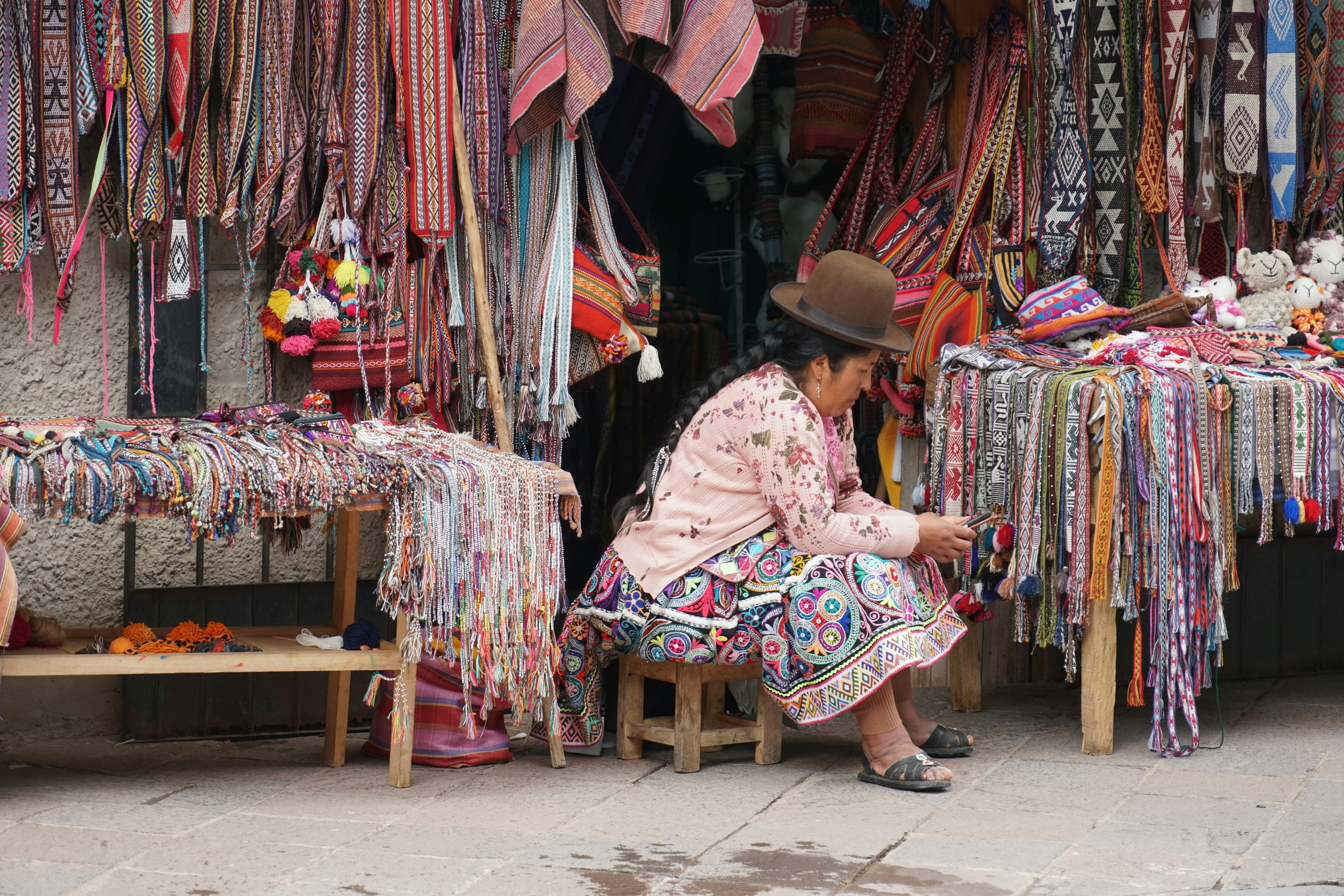
The food section of the Pisac Sunday market runs from approximately 7:00–11:30 am and offers the most authentic and cheap eating in the valley. Chicharrón de cerdo (fried pork, PEN 12–18 as of 2026) served with mote (hominy corn) and salsa criolla is the market staple; empanadas sell for PEN 3–5; jugo de naranja (fresh orange juice, PEN 5–7) vendors start appearing from 7:30 am. Arrive early for the widest selection.
Mil Centro (Moray area)
One of Peru’s most talked-about restaurants, Mil is the Sacred Valley project of Lima chef Virgilio Martínez (Central, ranked among the world’s best). Located above the Moray terraces at 3,500 m, Mil focuses on hyperlocal Andean ingredients from the surrounding altiplano ecosystem. A tasting menu is approximately USD 90–120 per person as of 2026. Bookings are essential weeks in advance. The location makes it best combined with a visit to Moray itself. Open Thursday to Sunday only. To pair a meal with a guided valley excursion, browse Sacred Valley tours for Moray, Maras, and Pisac market combinations.
Kaia (Sol y Luna, Urubamba)
The restaurant at the Sol y Luna lodge is open to non-guests for lunch (reservations required). The kitchen garden produces most of the vegetables and herbs; locally raised meats feature prominently. A two-course lunch runs approximately PEN 95–130 per person as of 2026. The setting - an open-air dining room with views of the valley - is one of the valley’s most pleasant. Sunday brunch is particularly popular.
El Albergue Restaurant (Ollantaytambo)
The organic restaurant within El Albergue hotel (beside the train station) uses produce from its own farm outside town. The grilled quinoa-stuffed capsicum (PEN 42–52 as of 2026) and river trout are the standout dishes. Coffee is excellent - locally roasted beans from the property’s farm. The atmosphere is quieter than the main drag restaurants and suits a longer, relaxed lunch. Non-guests are welcome at lunch and dinner.
Practical Notes
- Opening hours: Many restaurants in Ollantaytambo and Pisac adjust hours around train schedules. Expect unusual gaps (closed 3:00–5:00 pm, open again for dinner) - check before walking out at 4:00 pm expecting food.
- Altitude and appetite: The valley at 2,800 m may suppress appetite in your first day. Start with soups and bread before committing to a full three-course meal.
- Set menus: Local picanterías (traditional lunch restaurants) in Urubamba and Pisac serve three-course set menus for approximately PEN 15–20 as of 2026 - the best-value eating in the valley.
- Payment: Many smaller restaurants and market stalls are cash-only. Keep PEN notes in smaller denominations (PEN 10, 20).
For where to sleep in the valley, see our Sacred Valley hotels guide.
Sacred Valley: More Resources
- Sacred Valley Things to Do - Pisac ruins and market, Ollantaytambo, Moray terraces, and river rafting.
- Where to Stay in the Sacred Valley - Lodges in Urubamba, Pisac guesthouses, and luxury eco-resorts.
- Cusco Travel Guide - The standard base 1 hour from the valley; transport and logistics.
- Cusco Food Guide - Peruvian cuisine context before exploring the valley’s farm-to-table scene.
- Maras Salt Mines and Moray - The two sites most closely associated with Mil Centro’s culinary philosophy.
- Ollantaytambo - The village whose train-side restaurants feed Machu Picchu-bound travellers.
- 2-Week Peru Itinerary - How the Sacred Valley fits into the classic southern Peru circuit.
Plan Your Visit to the Sacred Valley
- Sacred Valley tours & cooking experiences — Pisac market visits, Andean cooking classes at Mil Centro, and valley day tours from Cusco
- Travel insurance for Peru — covers trekking and altitude activities across the Sacred Valley
- Peru eSIM — stay connected between Cusco, Pisac, and Ollantaytambo
- Browse hotels in the Sacred Valley — lodge properties in Urubamba put you closest to Mil Centro and the farm-to-table restaurant cluster.