The Sacred Valley and Cusco are frequently presented as an either/or choice for basing your Inca region trip - but they offer something different enough that the decision matters. Cusco is the ancient Inca capital at 3,400 m: colonial city, excellent food, and the undeniable centre of everything. The Sacred Valley sits 600–800 m lower, quieter, with its own Inca sites and a slower pace that works particularly well if altitude is a concern or you want to spread your time across the valley’s towns rather than operating from one urban base.
Most visitors do both - but the question of where to spend more nights, and in what order, is worth thinking through.
Overview
Cusco is the hub. It has the best transport connections, the widest range of accommodation and restaurants, the most museums, and the essential Inca sites within or immediately adjacent to the city (Sacsayhuamán, Qorikancha, Q’enqo). At 3,400 m, altitude is a real factor on arrival - most visitors need 24–48 hours before doing anything strenuous. The city is busy and tourist-heavy in the historic centre, but that infrastructure also makes logistics easier.
The Sacred Valley (Urubamba Valley) runs roughly from Pisac in the east to Ollantaytambo in the west, with the Urubamba River at its base. The valley floor sits between 2,800 and 3,000 m - a meaningful difference from Cusco’s 3,400 m that helps with acclimatisation. The towns of Pisac, Urubamba, and Ollantaytambo each have their own character and Inca sites. Ollantaytambo is also the train departure point for Machu Picchu, making it a logical base if Machu Picchu is your first big stop after arriving from Lima.
Getting There
Cusco from Lima: 1 hour 20 minutes by air (LATAM, Sky, JetSmart), fares from approximately USD 40–120 one-way. Taxis from Velasco Astete Airport to the historic centre cost approximately PEN 25–40 (USD 6–10).
Cusco to the Sacred Valley: Shared minibuses (colectivos) from Cusco to Pisac run approximately PEN 4–6 (USD 1–1.50), departing from Av. Tullumayo. To Urubamba from Cusco: approximately PEN 6–8 (USD 1.50–2) by colectivo. To Ollantaytambo: approximately PEN 6–10 (USD 1.50–2.60) direct. Private taxi from Cusco to Ollantaytambo costs approximately PEN 80–120 (USD 21–31).
Within the Sacred Valley: Colectivos connect all main towns. Pisac to Urubamba: approximately PEN 3–4 (USD 0.80–1). Urubamba to Ollantaytambo: approximately PEN 3–5 (USD 0.80–1.30). Private taxis for the day run approximately USD 60–100 depending on distance and negotiation.
Things to Do
Cusco has an extraordinary concentration of history within the city itself. Qorikancha (the Inca Sun Temple, approximately PEN 40 / USD 10) is the most important Inca site in the city. The Cusco Tourist Ticket (Boleto Turístico, approximately PEN 130 / USD 34) covers Sacsayhuamán (the fortress immediately above the city), Q’enqo, Tambomachay, and 13 other sites across the city and valley. The city also has good museums - the Museo de Arte Precolombino (approximately PEN 30 / USD 8) and the Chocolate Museum (approximately PEN 10 / USD 2.60, free tasting). San Blas neighbourhood has ceramic workshops and viewpoints worth a morning. Cusco city tours cover the main Inca sites with guides who can provide the historical depth the ruins deserve.
See our Cusco things to do guide.
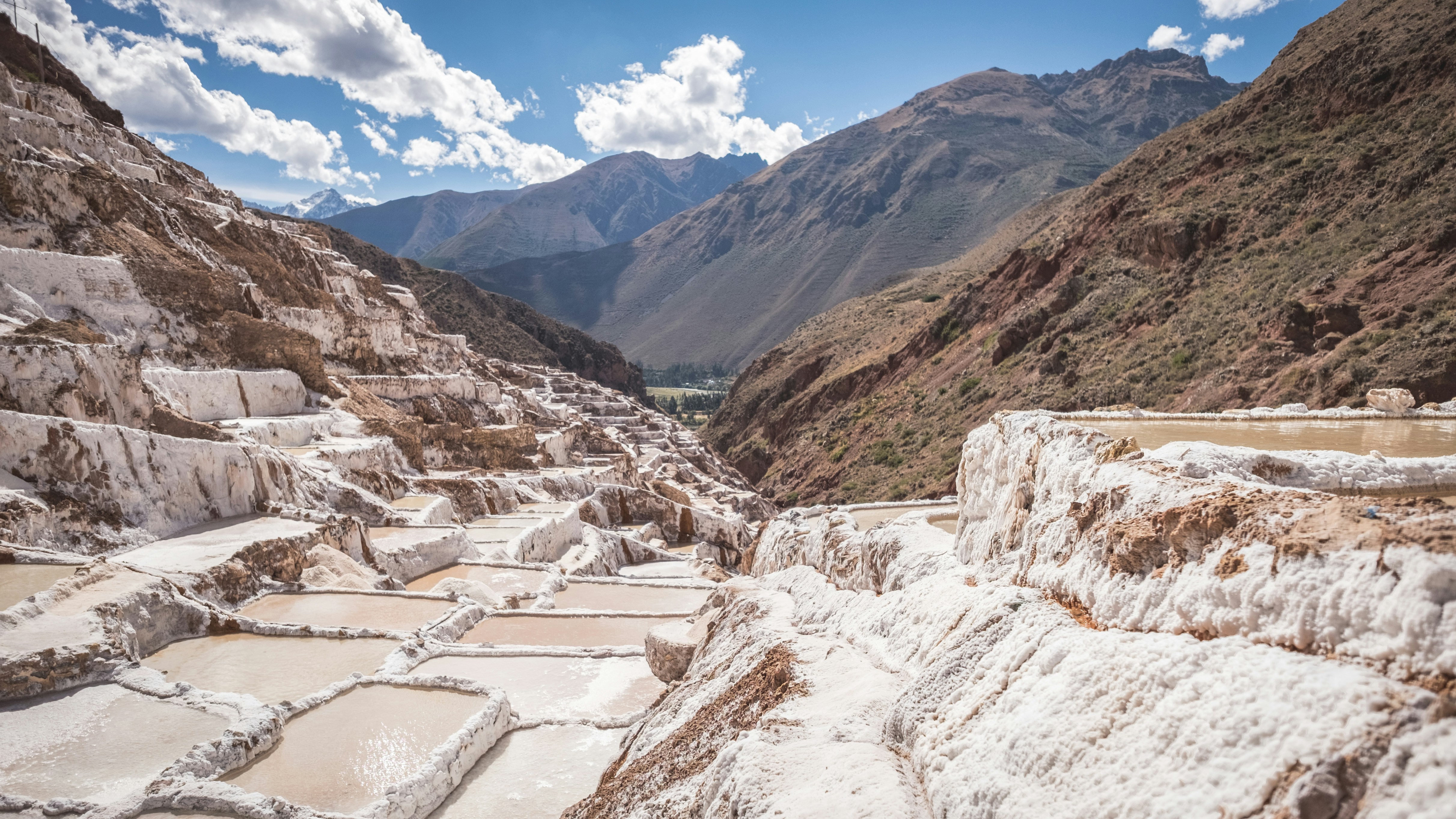
The Sacred Valley spreads its attractions across the full length of the valley. Pisac Market (Tuesday, Thursday, Sunday are the main market days) is one of the best craft markets in Peru - free to browse, approximately PEN 15 (USD 4) for the archaeological site above the town. Ollantaytambo fortress (approximately PEN 70 / USD 18, or included in the Boleto Turístico) is the most impressive surviving Inca site in the valley - massive sun temple terraces and a working town with original Inca urban grid still in use. Moray (circular Inca agricultural terraces, approximately USD 7 entry) and Maras salt flats are accessible from Urubamba as a half-day excursion. Sacred Valley tours combine these sites into efficient guided day trips from Cusco or an in-valley base.
See our Sacred Valley things to do guide.
Food and Drink
Cusco has the better overall food scene for a city. Cicciolina on Triunfo (approximately PEN 60–100 / USD 15–26 per person) is the reliable upscale choice. Chicha by Gastón Acurio focuses on Andean ingredients (approximately PEN 60–90 / USD 15–23 per person). Budget lunch menus at the Central Market on Cascaparo run PEN 8–15 (USD 2–4). See our Cusco food guide.
The Sacred Valley has a few standouts, especially in Urubamba. Huayoccari Hacienda Restaurant is a lunch-only institution with garden seating (approximately PEN 80–130 / USD 21–34 per person) and superb views. Green’s Organic in Urubamba is excellent for vegetarian and creative Andean cuisine (approximately PEN 45–70 / USD 12–18 per person). Ollantaytambo has a handful of decent restaurants and cafes near the main square for approximately PEN 25–50 (USD 6–13 per person). See our Sacred Valley food guide.
Where to Stay
Sacred Valley lodging ranges from budget hostels to some of Peru’s most exceptional high-end hotels. Explora Valle Sagrado (luxury, full-board, approximately USD 450–600/night) and Sol y Luna (boutique luxury, approximately USD 250–400/night) are the prestige properties. Mid-range options in Urubamba like Casa Andina Premium Valle Sagrado run approximately USD 120–200/night. Budget guesthouses in Pisac and Ollantaytambo start at approximately USD 15–30/night for private rooms.
See our Sacred Valley where to stay guide.
Cusco covers all tiers but runs higher mid-range and above. Palacio del Inka by Luxury Collection: approximately USD 180–280/night. Rumi Punku or El Mercado Hotel: approximately USD 55–120/night. Hostels near the Plaza de Armas from approximately USD 10–15/night for dorms.
See our Cusco where to stay guide.
Budget
Both destinations offer similar daily costs for food and activities. Where they diverge is accommodation: the Sacred Valley has both very cheap and very expensive options, with less middle ground than Cusco. Mid-range Cusco runs approximately USD 60–90/day. Sacred Valley mid-range runs approximately USD 50–80/day in Urubamba or Ollantaytambo, but jumps to USD 200+/day if you’re staying at the luxury lodges.
The Verdict
Base in Cusco if: you want to be central to everything, have easy access to museums and restaurants, and prefer the density of a city. Cusco is the easier base for first-timers and for travellers who want maximum flexibility.
Base in the Sacred Valley if: altitude is a concern (the lower elevation genuinely helps), you want a slower pace, you’re spending multiple nights before or after Machu Picchu, or you want to be close to Ollantaytambo for an early morning train. The Sacred Valley also rewards travellers who want to spread across its towns rather than staying in one place.
The recommended approach for most travellers: 2–3 nights in Cusco first (to adjust to altitude and see the city sites), then 1–2 nights in the Sacred Valley (Pisac, Urubamba, or Ollantaytambo) before Machu Picchu. After Machu Picchu, return to Cusco for a final night before your flight back to Lima.