Both appear on almost every “wonders of the world” list. Both attract millions of visitors a year. And both are genuinely impressive in person — which makes comparing them useful only if you’re deciding which continent to fly to, or which site should anchor an itinerary.
Here’s an honest breakdown.
The Sites Themselves
Machu Picchu is an Inca citadel built in the 15th century, abandoned during the Spanish conquest, and unknown to the outside world until 1911. It sits at 2,430m on a ridge above the Urubamba River, with cloud forest dropping away on three sides and peaks rising above. The stonework is extraordinary: mortarless fitted granite, terraces carved into an almost vertical mountainside, and an orientation aligned with solar and astronomical events. Entry is controlled to approximately 3,000 visitors per day (as of 2026), divided across morning and afternoon shifts.
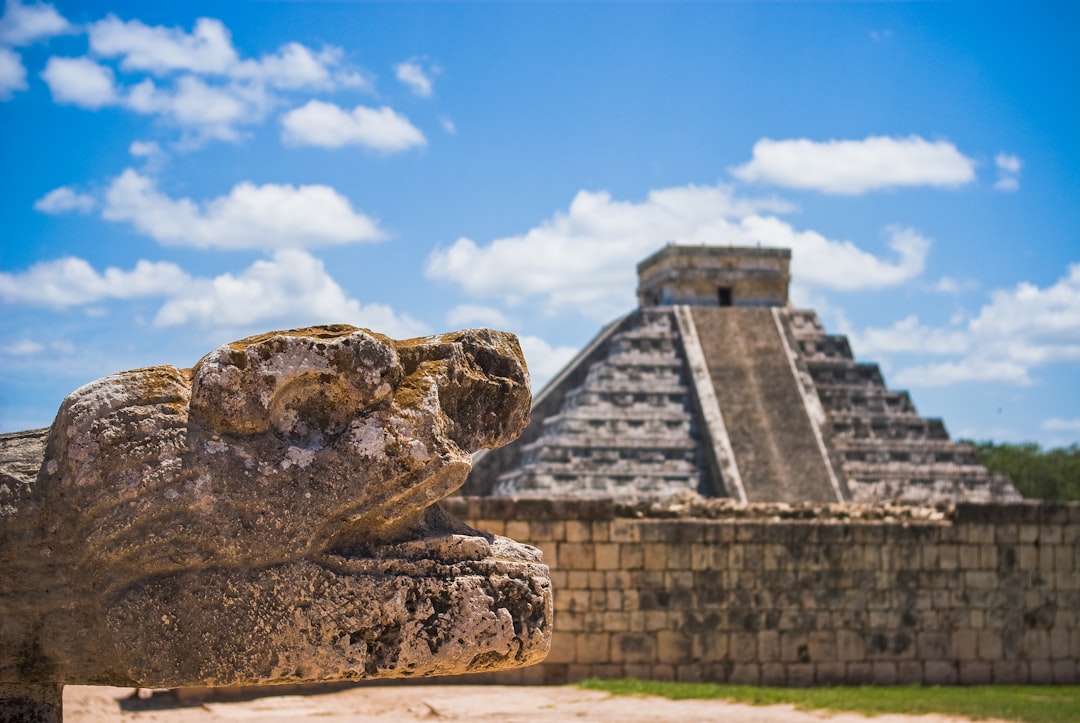
Chichen Itza is a major Mayan city that thrived from roughly 600 to 1200 CE, on the flat limestone of Mexico’s Yucatan Peninsula. The defining structure is El Castillo (Temple of Kukulcan), a step pyramid that serves as a massive astronomical calendar — during equinoxes, shadow play creates the illusion of a serpent descending its steps. The site is larger than Machu Picchu and has more distinct architectural zones: the Great Ball Court, the Temple of Warriors, the Sacred Cenote. Entry is unrestricted in numbers, though a ticket is required (approximately USD 28 as of 2026).
The physical difference: Machu Picchu is set in a dramatic mountain landscape and partially embedded in cloud forest. The approach by train from Cusco involves two hours of river gorge scenery. Chichen Itza sits in flat jungle scrub in the Yucatan; the approach by road from Cancun or Merida (2–2.5 hours each way) is unremarkable.
Getting There
Machu Picchu from Cusco: The standard route: fly into Cusco, take the Peru Rail or Inca Rail train from Cusco or Ollantaytambo to Aguas Calientes (1.5–4 hours depending on departure point), then a 25-minute bus up to the site. Train fares range from approximately USD 30–80 each way (Vistadome) to USD 350+ (Hiram Bingham luxury service), as of 2026. The site entry ticket (approximately USD 50–75 depending on access zone) is separate and must be booked in advance — same-day entry is not available.
Total cost for a day trip from Cusco: approximately USD 100–200 per person depending on train tier and zone access.
The Inca Trail is the alternative for those who want to earn the arrival: a 4-day trek through cloud forest and Inca ruins, ending at the Sun Gate with Machu Picchu below. Permits sell out months in advance and cost approximately USD 200–250 per person as of 2026, not including agency fees.
Chichen Itza from Cancun or Merida: Most visitors come from Cancun (approximately 200km east) or Merida (120km west). By first-class ADO bus from Cancun: approximately 3.5 hours, USD 15–20 each way. By rental car: 2 hours from Merida, straightforward toll road. Day trip packages from Cancun hotel zones start at approximately USD 50–80 per person including transport and a guide, as of 2026. The site itself opens at 8am and gets extremely hot and crowded by 10am — arriving at opening is strongly recommended.
Where to stay near Chichen Itza:
- Budget: Hostal Ik Kil, Piste village (USD 15–30/night).
- Mid-range: Hotel Chichen Itza, Piste (USD 60–100/night), comfortable and close to site.
- Splurge: Hacienda Chichen Resort (USD 180–300/night), colonial hacienda within walking distance of the ruins, pools included.
Where to stay near Machu Picchu:
- Budget: Hostal Calle Pachacutec, Aguas Calientes (USD 25–45/night).
- Mid-range: Inkaterra Machu Picchu Pueblo Hotel (USD 350–550/night), set in cloud forest with 12 acres of gardens; frequently listed among the best eco-lodges in South America.
- Budget alternative: Stay in Ollantaytambo or Cusco and take the early train. Cheaper, and the Sacred Valley town experience adds genuine value.
Crowds and Management
Both sites have crowd problems, but they manifest differently.
Machu Picchu has implemented a strict entry system: time-slot tickets, fixed circuit routes (you cannot freely roam all zones on one ticket), and a cap of approximately 3,000 visitors per day. Booking months in advance for peak months (June–August) is standard. The result is a managed but still dense experience at the main viewpoints. The further you go on the longer circuits, the thinner the crowds.
Chichen Itza has no visitor cap and no required time slots as of 2026. On peak days in winter tourist season (November–March), crowds around El Castillo are dense and the pyramid itself cannot be climbed (banned since 2006). The vendor presence within the site is significant. The best strategy: arrive at 8am and leave by 11am.
Best Season
Machu Picchu: Dry season, May to October. Clear skies, best visibility for the mountain setting. June to August is peak season with highest prices and most crowded entry slots. May and September are the sweet spots: dry enough, notably less crowded. The wet season (November–March) brings persistent cloud and rain; the site stays open but the dramatic views are often obscured. February is the worst month (trail closures, heaviest rain).
Chichen Itza: October to April for cooler, drier weather. The equinoxes (around 20 March and 22 September) draw massive crowds specifically for the serpent shadow phenomenon — beautiful but not the time to go if you want space. May to September is the hot and humid wet season; not unvisitable, but 38C heat with afternoon rain requires planning.
The Honest Comparison
Machu Picchu is the more extraordinary site by most measures: the landscape is harder to believe even standing in it, the engineering achievement is more dramatic, and the journey to reach it adds a dimension that arriving by tour bus cannot. It costs more, takes more planning, and requires a transatlantic or long-haul flight from most origins.
Chichen Itza is more accessible, cheaper, and still genuinely impressive — especially for those with context on Mayan civilisation and astronomy. The pyramid alone is worth the trip from Cancun. It rewards visitors who read about it beforehand and visit early; it underwhelms those who arrive at midday expecting a peaceful ruin.
If you’re choosing between a Mexico trip anchored by Chichen Itza and a Peru trip anchored by Machu Picchu, the Peru trip is the more ambitious and more rewarding travel experience. If you’re already going to the Yucatan, Chichen Itza belongs on the itinerary without hesitation.
Related Comparisons and Planning Resources
- Peru vs Bolivia — Choosing between the two main Andean destinations: Machu Picchu, Salar de Uyuni, and the classic overland circuit through both countries.
- Lima vs Cusco — If you’re going to Peru for Machu Picchu, this covers how to sequence your arrival: fly Lima first for acclimatisation or go straight to Cusco.
- City Guide: Cusco — The base for Machu Picchu, the Sacred Valley, and the Inca Trail. Full logistics, accommodation, and day trip options.
- Inca Trail to Machu Picchu — The 4-day trek through cloud forest and Inca ruins: how to book permits, what to expect, and the view from the Sun Gate.
- Top Attraction Tickets in Peru — Machu Picchu entry system explained alongside Sacsayhuamán, Colca Canyon, and all of Peru’s other ticketed sites.
🏨 Search hotels in Machu Picchu — Search hotels in Chichen Itza