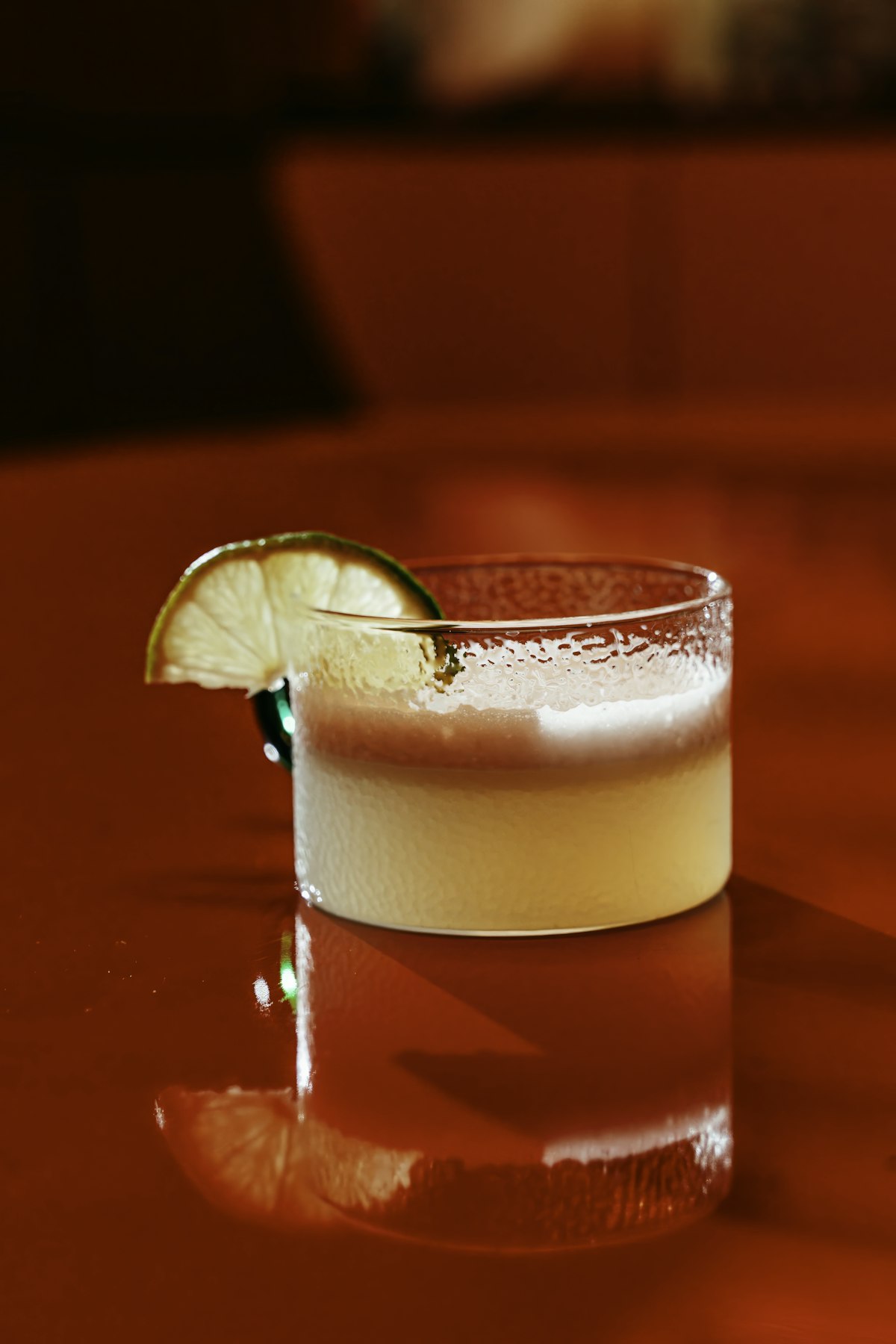
Pisco sour is Peru’s national cocktail - a three-ingredient drink (pisco, lime juice, simple syrup) built on pisco, a grape brandy produced in Peru’s coastal valleys, with egg white for foam and Angostura bitters dropped on top. The drink is simple to describe and considerably harder to make well: the ratio of acid to sweet to spirit requires precision, the egg white needs proper technique, and the pisco itself matters enormously. Peru takes it seriously. The first Saturday of February is National Pisco Sour Day, and the country has an ongoing territorial dispute with Chile over which nation invented and owns the drink.
This guide covers everything worth knowing - the production of Peruvian pisco, the best Lima pisco bars, distillery tours near Lima, and how to drink it properly.
What is Peruvian Pisco?
Pisco is a grape brandy produced in specific coastal valleys of Peru: Ica, Pisco, Palpa, Nasca, Moquegua, Locumba, Sama, and Caplina. These valleys have the combination of warm days, cool nights, and sandy soils that produce the grapes from which pisco is distilled. The Peruvian government regulates production under a Denomination of Origin: only brandy produced in these valleys using the eight approved grape varieties can be called Peruvian pisco.
Production: The grapes are fermented to create a wine, which is then distilled once in a copper pot still. Unlike Cognac or most other aged brandies, Peruvian pisco is not aged in wood - it rests in glass or stainless steel for a minimum of three months, then bottled. This non-aging requirement preserves the grape’s natural aromatics, which is why aromatic varieties like Italia or Torontel produce a noticeably floral spirit.
Pisco styles to know:
- Puro - single grape variety, most commonly Quebranta. Clean, dry, earthy
- Acholado - blend of two or more grape varieties. Often more complex than a single puro
- Mosto Verde - made from partially fermented grape must (the process is stopped before fermentation completes). More expensive, more aromatic, and noticeably smoother
- Aromatic purOs - Italia, Moscatel, Torontel, or Albilla. Noticeably more floral and fruit-forward
How to Make a Proper Pisco Sour
The classic Peruvian pisco sour recipe:
- 3 parts pisco (approximately 60ml)
- 1 part fresh lime juice (approximately 20ml)
- 1 part simple syrup (approximately 20ml)
- 1 egg white
- Ice for shaking
- 3 drops Angostura bitters on the foam
Technique matters: The egg white must be shaken dry first (without ice) for 10–15 seconds to build initial foam, then ice is added for a second shake to chill the drink. This is called the “dry shake” technique. Skipping it produces flat foam. The result should be a frothy, opaque drink with a clean foam head dense enough to hold the bitters drops.
At Lima’s best bars, the pisco sour is balanced: enough acidity from the lime to cut through the spirit, enough sweetness to make it approachable, but not sweet enough to mask the pisco’s character. A well-made pisco sour should taste of the grape - particularly in the finish.
Best Pisco Bars in Lima
Bar Inglés at Country Club Lima Hotel (San Isidro)
Bar Inglés is Lima’s most historically significant pisco bar - the hotel has been serving pisco sours since the 1920s and claims (plausibly) to be the venue where Victor Morris perfected the recipe after adding egg white. The bar itself is a dark wood and leather room designed in British club style. Pisco sours run S/38–52 (approximately USD 10–14). The bar stocks a range of single-grape piscos for tasting alongside cocktails. Open daily from 5pm.
Ayahuasca Restobar (Barranco)
Ayahuasca occupies a restored republican mansion in Barranco - multiple rooms across three floors, a courtyard garden, and a rooftop terrace. The pisco menu is extensive: 12–15 pisco sour variations including chicha morada pisco sour, maracuyá (passion fruit) pisco sour, and a smoked pisco sour with Malbec reduction. Prices run S/28–42 (approximately USD 7.50–11). It’s noisier and more social than Bar Inglés - better for an evening out than a quiet tasting.
El Bolivarcito at Hotel Bolívar (Centro Histórico)
Hotel Bolívar’s Bar stands are where the political and literary Lima of the mid-20th century drank. The pisco sour here has barely changed since then - it’s the most traditional preparation in the city, and at S/22–28 (approximately USD 6–7.50), one of the better-value experiences in Lima. The setting - high ceilings, mosaic floors, dark wood - is genuinely beautiful.
La Biblia de los Borrachos (Miraflores)
A smaller, less famous bar with one of the better curated pisco lists in Miraflores. The focus here is on introducing customers to different pisco styles rather than mixing cocktails - staff can explain the difference between a Quebranta puro, an Italia, and an acholado, and will offer small pours for comparison. Pisco sours from S/25–32 (approximately USD 6.75–8.65).
Malabar (San Isidro)
Pedro Miguel Schiaffino’s restaurant Malabar has a bar programme that incorporates Amazon ingredients into pisco cocktails - among them a camu camu pisco sour (camu camu is a small Amazon fruit with extraordinarily high vitamin C content, producing very bright acidity) and a huacatay pisco sour with the black mint herb from Arequipa’s cuisine. This is the most innovative pisco drinking experience in Lima. Cocktails from S/38–55.
Lima Pisco Bar Crawl: A Suggested Route
A three-bar evening (5pm–10pm) covering different Lima pisco styles:
Start: Bar Inglés at Country Club Lima Hotel (San Isidro) - traditional preparation, historical setting, one pisco sour each Move to: La Biblia de los Borrachos (Miraflores) - walk or short taxi (10 min), pisco tasting with contrasting grape varieties Finish: Ayahuasca Restobar (Barranco) - 25-minute taxi, contemporary preparations, full dinner menu available
Budget: S/100–140 per person (approximately USD 27–38), including transport.
Pisco Distillery Tours Near Ica
The Ica Valley, approximately 300km south of Lima, is Peru’s primary pisco-producing region. Several distilleries (bodegas) offer tours and tastings.
Bodega Vista Alegre (Ica)
Vista Alegre is one of the oldest commercial bodegas in Ica, founded in 1857 by Italian immigrants. It produces a full range of pisco styles and also makes wine and pisco cream liqueur. Tours run approximately 45 minutes and cover the grape processing facility, copper pot stills, and aging tanks. Tours cost approximately S/20–30 per person (USD 5.50–8) and include a tasting of 3–4 piscos. Open Monday–Saturday, 9am–5pm. The bodega is located on the Panamericana Sur highway - accessible by taxi from Ica city centre (approximately S/15–20 each way).
Bodega El Catador (Ica)
El Catador is a smaller, family-run operation on the road to Huacachina - more rustic than Vista Alegre, with hand-operated pisco presses visible from the tour route. The pisco here is widely regarded as having a more artisanal character than mass-produced bottles. Tastings from S/15 per person. Combined tours with Huacachina dune buggy experiences are available through most Ica operators.
Bodega Tacama (Ica)
Tacama is Peru’s oldest operating vineyard, dating to 1540 (when it was a Spanish colonial hacienda). It produces both wine and pisco. The tour covers the vineyard itself as well as the distillery, and the grounds are beautiful - formal gardens, colonial buildings. Tours cost approximately S/35–50 with tasting. Book in advance through their website or via Ica-based tour operators.
Getting to Ica for distillery visits: From Lima, regular bus services (Cruz del Sur, Oltursa) run to Ica in approximately 4 hours. From Ica city, taxis to the Panamericana bodegas cost S/15–25. A single-day Lima–Ica–Lima trip is feasible but tiring - staying one night in Ica or Huacachina is a better option.
Book a Pisco Distillery Tour
The pisco-producing valleys around Ica are best explored with a guided tour rather than self-navigating between bodegas by taxi. A structured tour visits two or three distilleries in a single day — typically Vista Alegre, El Catador, and one smaller artisanal operation — with guided tastings at each that explain the differences between grape varieties, pisco styles, and production methods. Guides translate the production process in ways that transform the tasting: why single-distillation matters, how the non-aging requirement preserves grape aromatics, and what distinguishes a Quebranta puro from a Mosto Verde in the glass. Tours from Lima are available as full-day trips and combine well with a stop at Huacachina dune lagoon.
Pisco Sour vs. Chilcano
If you find pisco sour too sweet or heavy, the chilcano is the alternative. It’s a simpler, longer drink: pisco, ginger ale, lime juice, and bitters over ice. The result is lighter, less sweet, and considerably more refreshing in Lima’s summer heat. Chilcanos are the everyday drink in Lima in a way that pisco sours are not - bars in working-class neighbourhoods serve them for S/10–14 (USD 2.70–3.80).
For more on Lima’s food and drink scene, see our best restaurants in Lima guide. For the wider Peruvian food culture, start with our Peruvian food guide.