Lima is, by any serious reckoning, one of the great food cities on earth. The claim is not marketing - it is the conclusion of a decade of independent rankings, chef migrations, and the straightforward evidence of what ends up on your plate at every price point. The convergence of Andean altitude farming (potatoes, quinoa, chuño), Pacific coastal seafood, Amazonian jungle ingredients, and the culinary traditions of significant Japanese and Chinese immigrant communities has produced a cuisine with more depth, variety, and technical ambition than most capitals three times Lima’s size.
This guide covers the must-try dishes, the top restaurants from street-level to tasting menu, and how to navigate the two main dining neighbourhoods: Miraflores and Barranco.
Must-Try Dishes
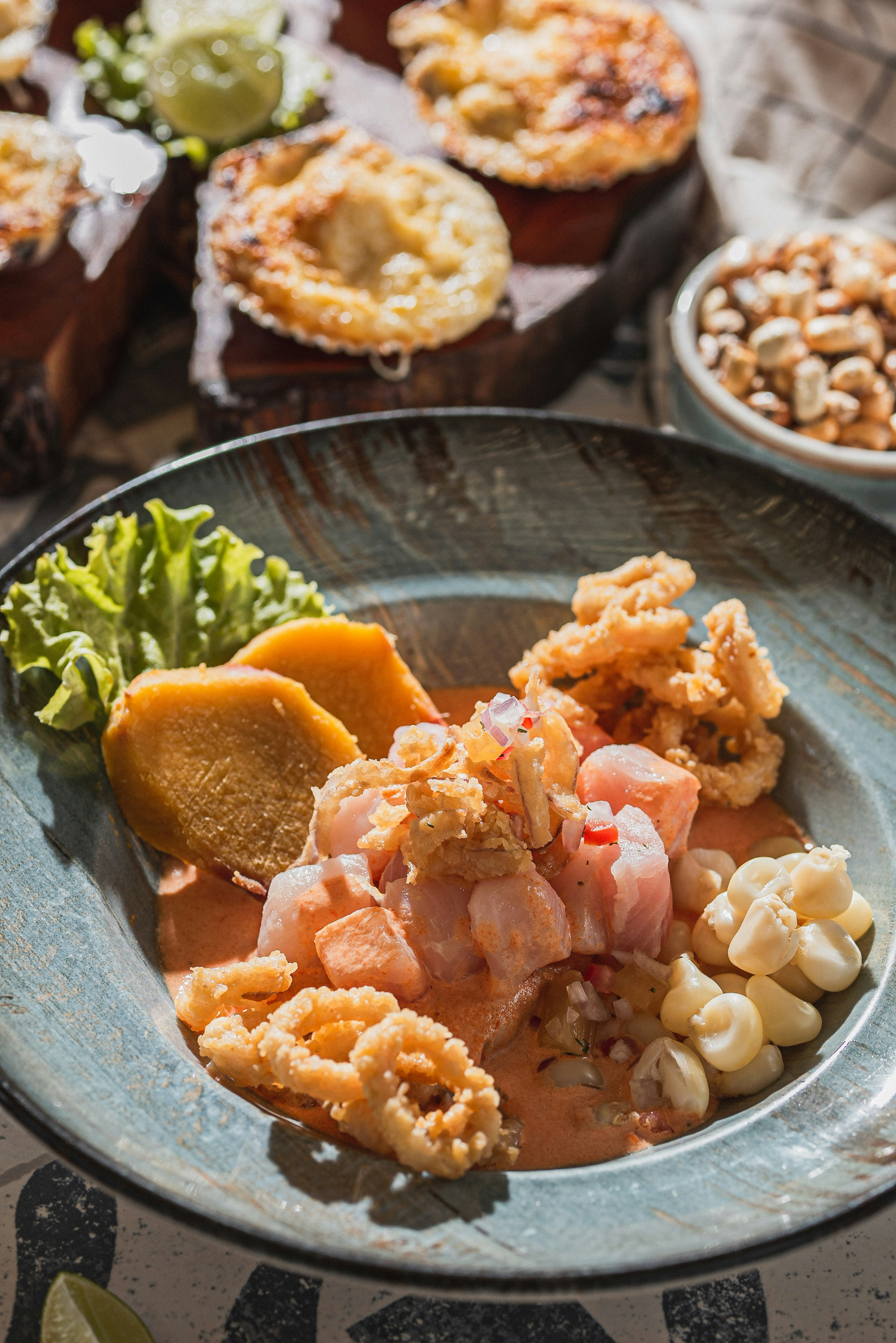
Ceviche Peru’s national dish and Lima’s signature. Fresh fish (corvina, sea bass, or the catch of the day) marinated in lime juice with onion, ají amarillo chilli, and salt. The acid in the lime “cooks” the fish through denaturation - the process takes approximately 10–15 minutes. Lima ceviche is served at room temperature with sweet potato (camote), choclo (large-kernel corn), and cancha (toasted corn). The marinade remaining in the bowl - leche de tigre - is sharp, saline, and drunk separately.
Tiradito A Japanese-Peruvian (Nikkei) dish: raw fish sliced thin like carpaccio (rather than cubed like ceviche), dressed with a chilli and citrus sauce rather than marinated. The result is lighter and more delicate than ceviche. Found at both Japanese-influenced restaurants and traditional cevicharías.
Lomo Saltado A Chinese-Peruvian (chifa) stir-fry: beef strips, onion, tomatoes, and ají amarillo chilli tossed in a wok with soy sauce and vinegar, served with white rice and French fries simultaneously. One of the most popular everyday dishes in Lima. The combination of soy sauce and chilli in the sauce over chips and rice sounds chaotic; it works completely.
Causa Cold potato terrine made with yellow potato mashed with lime, oil, and ají amarillo, layered over tuna or chicken salad. Found everywhere from street stalls to tasting menus. A standard Peruvian home recipe elevated by fine dining kitchens into something architectural.
Anticuchos Skewered and grilled beef heart, marinated in vinegar, cumin, and ají panca chilli. Lima’s great street food, sold from charcoal grills at night markets and evening stalls. The taste - smoky, tangy, with the slight chewiness of organ meat - is addictive. Eat them from the stick, with a side of potatoes and a smear of chilli sauce.
Ají de Gallina Shredded chicken in a yellow chilli (ají amarillo) sauce thickened with bread, walnuts, and Parmesan. A Spanish colonial-period recipe that has become a Peruvian comfort food staple. Mild heat, creamy texture, served over white rice with a hard-boiled egg and black olives.
Pisco Sour Peru’s national cocktail: pisco (grape brandy), lime juice, simple syrup, egg white, and Angostura bitters. The pisco sour is non-negotiable. Order one at your first meal. The egg white gives it a foam head; the lime and pisco make it tart, light, and deceptive in its alcohol content.
Chicha Morada Non-alcoholic. A cold drink made from purple corn boiled with pineapple, cinnamon, cloves, and lime. Dark purple, sweet-tart, and utterly distinct from anything else you will drink. Available everywhere from street stalls to fine dining restaurants.
Fine Dining
Central (Chef Virgilio Martínez) Ranked number 1 in Latin America and in the World’s 50 Best Restaurants on multiple occasions, Central is Lima’s most internationally acclaimed table. The tasting menu explores Peru’s ecosystems by altitude - from sea level (Pacific) through Amazon lowlands, Andes highlands, and up to the extreme altiplano. Approximately 15–18 courses, each representing a specific “moment” or ecosystem. Price: approximately 700–1,000 soles per person (approximately 150–200 USD as of 2026), drinks and service additional. Book 4–8 weeks ahead minimum via the Central website.
Location: Barranco district, Calle Santa Isabel 376.
Maido (Chef Mitsuharu Tsumura) The definitive Nikkei restaurant, combining Japanese precision and Peruvian ingredients. Ranked regularly in the top 10 of Latin America’s 50 Best. The tasting menu (~15 courses) traces the Nikkei story - Japanese immigrants arriving in Peru in the 1890s and creating a hybrid cuisine. Price: approximately 600–800 soles per person (approximately 130–170 USD as of 2026). Book well in advance.
Location: Miraflores, Calle San Martín 399.
Astrid y Gastón (Chef Gastón Acurio’s flagship) Gastón Acurio is arguably the figure most responsible for elevating Peruvian cuisine internationally. His flagship restaurant in a colonial mansion in San Isidro runs a tasting menu drawing on classic Peruvian recipes refined through modern technique. More accessible than Central or Maido in terms of bookings but still premium. Approximately 400–700 soles per person as of 2026.
Mid-Range Restaurants
La Mar Cevichería (Gastón Acurio) The benchmark Lima cevicharía for visitors. Bright, busy, and excellent. Focused entirely on seafood - ceviche, tiradito, leche de tigre cocktails, chupe de camarones (prawn chowder), and a shellfish platter. Main dishes approximately 60–120 soles as of 2026. Long waits without reservations (no reservations taken); arrive before noon or after 2:30pm.
Location: Miraflores, Avenida La Mar 770.
Isolina Taberna Peruana Old-school Peruvian home cooking at its best. The menu reads like a grandmother’s recipe book - causa, sopa criolla, chicharrón, arroz con leche. No pretension, excellent quality. Mains approximately 45–80 soles as of 2026.
Location: Barranco, Avenida San Martín 101.
El Mercado (Chef Rafael Osterling) Outstanding ceviches and seafood in a bright market-style room. More relaxed and slightly cheaper than La Mar. Fish sourced daily. Mains approximately 50–100 soles as of 2026.
Location: Miraflores, Hipólito Unanue 203.
Street Food: Mercado de Surquillo
Mercado N°1 de Surquillo (Avenida Paseo de la República, Surquillo - 10 minutes by taxi from Miraflores) is where Lima cooks shop. The ground floor sells produce: purple corn, ají amarillo by the kilo, fresh tunas, chirimoyas, lucuma, fresh coriander by the armful. The upper floor and side stalls sell cooked food - ceviche by the scoop, roast chicken, anticuchos, and tamales.
This is the Lima food experience that no restaurant can replicate: cheap, crowded, unreservedly Peruvian, and entirely lacking in tourist prices. A large ceviche with all accompaniments costs approximately 12–20 soles as of 2026.
Miraflores vs. Barranco
Miraflores is Lima’s upscale residential and commercial district with the highest density of international-quality restaurants. The Avenida La Mar corridor and the streets around Parque Kennedy are lined with everything from cevicherías to Japanese sushi bars to Italian pasta. Clean, safe for walking at night, and easy to navigate by foot. The right choice for a straightforward excellent meal.
Barranco is the bohemian arts district, 20 minutes south of Miraflores by taxi. Central restaurant is here; so are several excellent pisco bars, art galleries, and smaller, more experimental kitchens. The Bajada de los Baños and the Puente de los Suspiros (Bridge of Sighs) are postcard Lima - colonial balconied buildings, bougainvillaea, and views to the Pacific. Barranco food is slightly more adventurous and the atmosphere less corporate than Miraflores.
Both neighbourhoods are safe to walk and eat in during the day and evening. A taxi between them costs approximately 15–25 soles.
Practical Eating Notes
Lunch is the main meal: In Lima, the full restaurant experience happens at lunch (1:00pm–3:00pm). Many top restaurants are lunch-only or serve a shorter menu at dinner. Book accordingly. For guided culinary tours covering multiple Lima food experiences, see Lima tours.
Menú del día: The set lunch menu - two or three courses for approximately 15–25 soles at neighbourhood restaurants - is one of Peru’s great dining bargains. These menus change daily and are served quickly. Look for restaurants with a handwritten board in the window listing the day’s options.
Tipping: Not mandatory in Peru, but a 10% tip is standard at mid-range and above restaurants. Check whether the 10% service charge has already been added to the bill.
Water: Tap water is not safe to drink in Lima. All restaurants serve bottled or filtered water. Carbonated (con gas) or still (sin gas) - specify when ordering.
Lima Food: More Resources
- Lima Travel Guide - The full city overview: airports, districts, and how to get around.
- Things to Do in Lima - Larco Museum, Miraflores clifftop parks, Barranco, and Pachacamac ruins.
- Where to Stay in Lima - Miraflores, Barranco, or San Isidro: which neighbourhood suits your visit.
- Best Restaurants in Lima - The definitive guide to Lima’s restaurant scene, from street stalls to world-ranked fine dining.
- Vegan Lima - Plant-based restaurants, market stalls, and vegan-friendly dishes across the city.
- 3-Day Lima Itinerary - Day-by-day plan with meal recommendations by budget tier and neighbourhood.
- Peruvian Food Guide - The full guide to Peruvian cuisine: ceviche, lomo saltado, anticuchos, and regional variations.
- Browse hotels in Lima — Miraflores and Barranco properties put you closest to the city’s top restaurant concentrations and the cliff-walk dining strip.