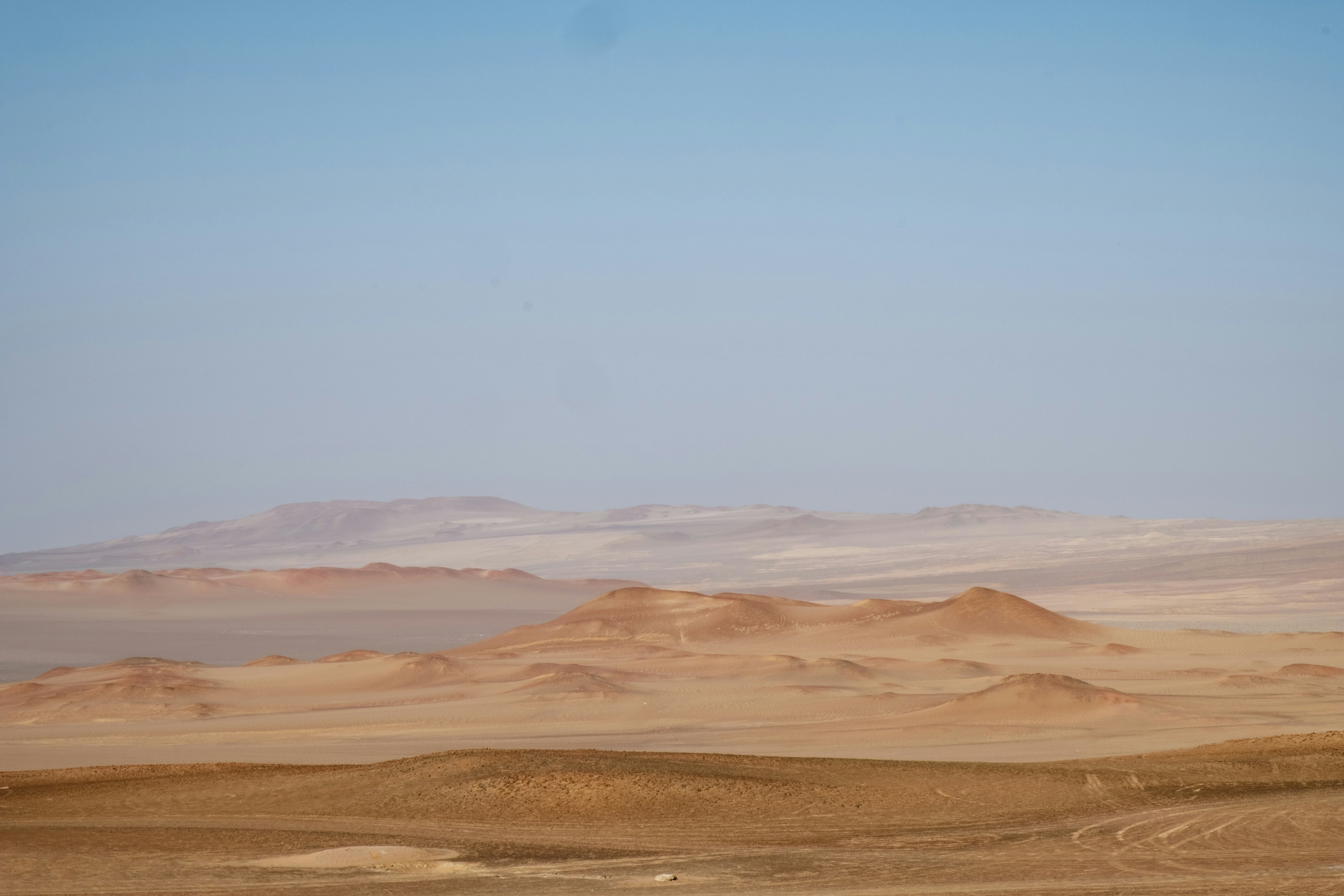
Chan Chan was the capital of the Chimú Empire from approximately 850 AD until its conquest by the Inca in 1470. Built entirely from adobe (sun-dried mud brick) in the arid coastal desert north of modern Trujillo, it represents the most sophisticated urban planning in pre-Columbian South America. At its height, the city covered approximately 20 square kilometres of palaces, temples, storehouses, reservoirs, and residential compounds - housing tens of thousands of people in a highly stratified society.
The Chimú were the dominant civilisation on Peru’s northern coast before the Inca. They were exceptional metalworkers, weavers, and hydraulic engineers who constructed an irrigation system extending over 100km to bring water from the Andes to their coastal cities. Chan Chan’s nine royal citadels (ciudadelas), each built by a different Chimú king, are the best evidence of the empire’s wealth and organisation.
What to See
Tschudi Palace (Main Citadel)
The Tschudi Palace (also known as Nik An) is the only citadel fully excavated and open to visitors. Named by German explorer Baron von Tschudi who visited in the 19th century, it covers approximately 60,000 square metres and contains:
Audiencia rooms: Ceremonial audience chambers with characteristic Chimú high-relief friezes covering the walls. The friezes are extraordinary - repeated patterns of marine life (fish, waves, sea birds, fishing nets, and otters) reflect the Chimú’s close relationship with the Pacific. The iconography was also calendrical and possibly astronomical.
The Funeral Platform: The central burial mound where the Chimú king’s mummified body was interred along with sacrificed retainers (human and llama), ceramics, and gold objects.
Storehouses (Urns): Cylindrical mud-brick storehouses arranged in rows, designed to store the tribute goods arriving from across the Chimú territory.
Royal residential compound: The king’s private residential area, with smaller audiencia rooms, bathing area, and courtyard.
Chan Chan Site Museum
Located approximately 2km before the main Tschudi Palace entrance on the highway, the site museum (Museo de Sitio Chan Chan) displays artefacts excavated from the site including Chimú ceramics, textiles, metalwork, and a model of the complete Chan Chan city at its height. Entry is included in the main ticket. Open Tuesday–Sunday 09:00–16:00.
Entry Information
Entry fee: Approximately S/15 as of 2026, including the Tschudi Palace and the site museum. Tickets purchased at the site museum or at the Tschudi Palace entrance.
Opening hours: Daily 09:00–16:00 (last entry 15:30).
Guides: Licensed guides available at the entrance for approximately S/40–S/60 for a 1.5-hour tour as of 2026. Strongly recommended - the friezes are densely symbolic and the historical context significantly enhances the visit. Alternatively, guided tours of Chan Chan and the Trujillo archaeological circuit book the whole day, covering Chan Chan, Huaca del Sol y de la Luna, and transport from the city.
Combination tickets: Some operators in Trujillo offer combined tickets covering Chan Chan, Huaca del Sol y de la Luna, and El Brujo complex - approximately S/35–S/50 total as of 2026. Ask at the Trujillo tourist office on the Plaza Mayor.
Getting There
From Trujillo centre: Approximately 5km west toward Huanchaco. Taxi approximately S/10–S/15, journey 15–20 minutes as of 2026. Colectivos to Huanchaco run along the coastal highway - approximately S/2, request stop at Chan Chan entrance.
Combined with Huanchaco: The surf village of Huanchaco is approximately 5km beyond Chan Chan on the same road. Most visitors combine Chan Chan with Huanchaco for an efficient half-day on the coast.
UNESCO Status and Conservation
Chan Chan was inscribed as a UNESCO World Heritage Site in 1986, the same year it was placed on the List of World Heritage in Danger due to damage from El Niño rain events. Adobe structures are highly vulnerable to rain - an El Niño season can damage exposed walls more than centuries of dry conditions. Ongoing conservation work by the Peruvian Ministry of Culture and international partners is visible throughout the site. Some areas are roped off for active conservation.
Photography of the friezes is permitted but flash is not recommended near the frieze surfaces.
Practical Tips
Morning visit: Go in the morning for cooler temperatures and better light on the friezes. The coastal desert can reach 28–30°C in summer months.
Carry water: No water is sold inside the Tschudi Palace. Buy at the museum entrance or nearby stalls.
Combine with Huaca del Sol y de la Luna: Huaca del Sol y de la Luna (Moche pyramid complex, a different civilisation but equally significant) is approximately 8km southeast of Chan Chan. Combining both sites makes an excellent full-day archaeological itinerary from Trujillo.
Search hotels in Trujillo on Booking.com
Plan Your Chan Chan Visit
- Trujillo Travel Guide - Base city for Chan Chan. Hotels, restaurants, and how to organise a full-day archaeological circuit.
- Things to Do in Trujillo - Chan Chan, Huaca del Sol y de la Luna, El Brujo complex, and Huanchaco beach - the complete Trujillo archaeological day.
- Chiclayo Travel Guide - 3 hours north. The Lord of Sipán tomb and Royal Tombs Museum complete the northern Peru Moche civilisation picture.
- 1-Week Peru Itinerary - How Chan Chan fits into a broader Peru circuit combining the north coast, Lima, and Cusco.