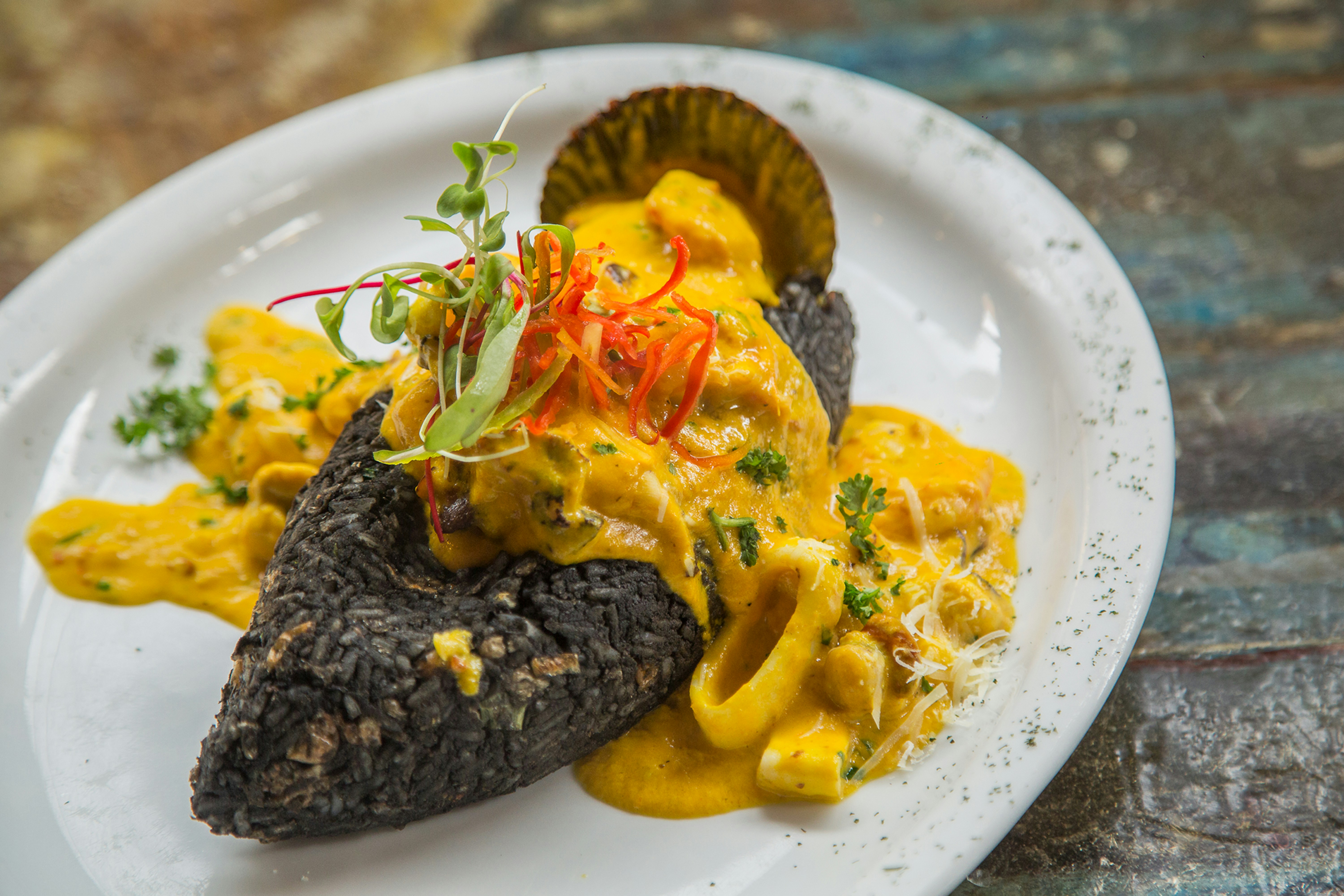
Arequipa has one of Peru’s most distinctive regional food cultures - the city’s picanterías (traditional restaurants specialising in Arequipeño cuisine) have been feeding locals since colonial times, and the best of them have changed very little. Alongside them, a newer generation of creative restaurants has taken the same Andean ingredients - rocoto pepper, quinoa, alpaca, native corn - and pushed them into more contemporary territory. The result is a city where you can eat brilliantly at every price point. For the wider picture, see Arequipa: The White City and Gateway to Colca Canyon.
Picantería Sol de Mayo - Traditional Arequipeño Cooking
Sol de Mayo is the most respected traditional picantería still operating in the city. It sits in the Yanahuara district, about 10 minutes by taxi from the Plaza de Armas, and the menu follows the classic Arequipeño canon: rocoto relleno, chupe de camarones (freshwater prawn soup), adobo, and cuy al horno (roast guinea pig).
The rocoto relleno here is the benchmark version - a large, deep-red rocoto pepper stuffed with minced beef, onion, egg, olives, and cheese, baked until the pepper skin softens just enough without losing its structure and bite. It arrives with pastel de papa (a potato gratin) alongside. A main course runs approximately S/40–S/55 (USD 11–15) as of 2026.
Lunch is the main event - picanterías traditionally close by 4pm. Go on a Sunday if you can, when adobo arequipeño (pork slow-cooked overnight in chicha de guiñapo, vinegar, and cumin) is the centrepiece. Address: Jerusalén 207, Yanahuara.
Zig Zag - Alpine-Andean Fusion on Calle Zela
Zig Zag is one of Arequipa’s most established fine dining venues, housed in a two-storey colonial building on Calle Zela with a striking spiral iron staircase designed by Gustave Eiffel’s workshop. The concept blends Andean ingredients with European (particularly Swiss) influences - the defining dishes are the hot stone and fondue plates, where you cook slices of alpaca, ostrich, or beef yourself at the table.
The alpaca fondue for two (S/120–S/150, approximately USD 32–40) is the most popular order and worth it - the meat is tender and mild, nothing like the gamey interpretation sometimes served at lesser restaurants. The side dishes - quinoa salad, native potato varieties, rocoto salsa - are carefully executed.
Wine list is among the better ones in the city. Book a table for dinner on weekends. Address: Calle Zela 210, Centro Histórico.
El Turko - Middle Eastern Food Near the Plaza
El Turko has operated on Calle San Francisco since the 1990s and occupies a niche no other restaurant in Arequipa fills: genuine Middle Eastern cooking, with falafel, hummus, kebabs, shawarma wraps, and stuffed grape leaves all made in-house. The connection to Arequipa’s small Syrian-Lebanese community is real - the family recipes are evident in the texture of the hummus (smooth and not over-processed) and the spice balance in the lamb dishes.
It’s a casual, low-key space - wooden tables, a narrow dining room, prices that won’t exceed S/30–S/45 per person (USD 8–12) for a full meal. A falafel wrap costs approximately S/12–S/16. This is also a strong option for vegetarians - most of the menu is meatless or easily adapted. Address: Calle San Francisco 216, Centro Histórico.
Chicha por Gastón Acurio - Elevated Arequipeño
Chicha is Lima celebrity chef Gastón Acurio’s Arequipa outpost, and it occupies a restored colonial courtyard a block from the Plaza de Armas. The menu is grounded in Arequipeño tradition - rocoto, chupe, adobo - but executed with a precision and ingredient sourcing that local picanterías rarely match.
The ceviche mixto is made with freshwater river shrimp alongside sea fish, a regional variation you won’t often find in Lima. The lamb with native potatoes (S/65–S/80 as of 2026, approximately USD 17–21) is one of the better main courses. Service is polished by Arequipa standards. This is the obvious choice for a single fine-dining meal if you’re spending only two or three days in the city. Address: Calle Santa Catalina 210, Centro Histórico.
La Nueva Palomino - The Local Favourite
La Nueva Palomino in Vallecito is where Arequipeños themselves go for a long Sunday lunch. It’s noisier, less polished, and more fun than the tourist-facing picanterías closer to the Plaza - the tables fill with families by midday and the kitchen runs on a set-menu rotation of whatever the chef has prepared that day.
Expect choclo con queso (giant corn with fresh cheese), ocopa arequipeña (potato with a walnut-and-peanut cream sauce), cuy frito, and whatever seasonal soup is on. A full lunch including chicha morada and dessert rarely exceeds S/35–S/50 per person (USD 9–13). Reservations recommended on Sundays. Address: Leoncio Prado 122, Vallecito.
Ceviche in Arequipa
Arequipa’s ceviche scene is smaller than Lima’s but worth seeking out. The freshwater river shrimp (camarones del río Majes) are the local ingredient that distinguishes it from coastal versions. Cevichería El Porteño on Calle Piérola serves a strong river shrimp ceviche for approximately S/28–S/35 (USD 7–9) - smaller portions than Lima but the shrimp quality is higher than anything frozen. Arrive for lunch; ceviche restaurants close by 3–4pm.
Practical Notes
Arequipa restaurants cluster around the Plaza de Armas, Calle Santa Catalina, Calle San Francisco, and the residential neighbourhoods of Yanahuara and Vallecito. Fine dining (Zig Zag, Chicha) requires booking ahead on weekends. Picanterías (Sol de Mayo, La Nueva Palomino) open from approximately 11am–4pm and do not operate dinner service in the traditional format.
For context on the underlying cuisine and ingredients, see our Arequipa food guide. For hotel recommendations near the restaurant districts, see where to stay in Arequipa. To book guided food tours exploring the picanterías and market kitchens, browse Arequipa food tours.
To stay close to these restaurants, compare hotels in Arequipa around the Plaza de Armas.