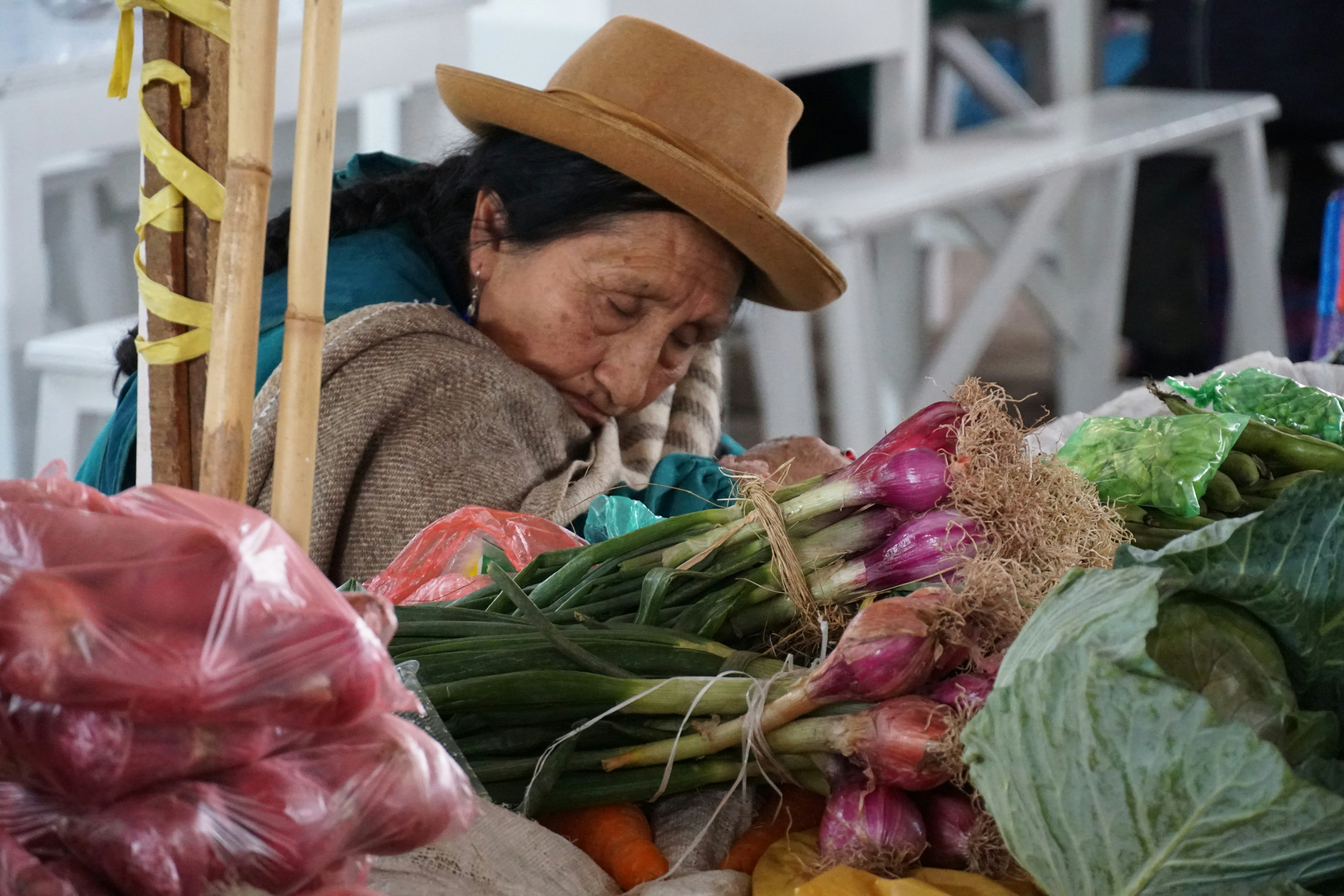
Cusco sits at 3,400 metres in the Andes and serves as the gateway to the Sacred Valley and Machu Picchu. Its central neighbourhoods - particularly San Blas and the streets radiating from Plaza de Armas - have a well-developed restaurant scene shaped by decades of international trekking tourism. For vegans, that translates into genuine options: dedicated vegetarian restaurants, menus clearly labelling plant-based dishes, and market produce that is genuinely excellent. For broader context on Cusco’s dining scene, see our Cusco food guide. On days when you are exploring beyond the restaurants, Cusco tours include market visits, Sacred Valley day trips, and guided Inca site circuits that fit naturally around a rest or acclimatisation day.
Altitude and Appetite: What to Expect on Arrival
Arriving in Cusco from Lima (at sea level) or directly from an international flight is a shock to the body. Soroche (altitude sickness) is common during the first 24–48 hours and typically involves headache, fatigue, and suppressed appetite. The standard local advice is to eat lightly and avoid alcohol. This is actually well-suited to plant-based eating: simple soups, plain rice, bread, and fruit are the right arrival food regardless of what you normally eat.
Coca tea (mate de coca) is served at virtually every hostel and many restaurants as a matter of course. It is mild, caffeine-free, and widely considered a traditional remedy for altitude symptoms. Accept it.
By day two or three, appetite typically normalises. Until then, do not push yourself with heavy meals.
Vegan and Vegetarian Restaurants in Cusco
Green Point - San Blas
Green Point is one of the most consistently recommended vegetarian restaurants in Cusco, with a large menu covering salads, grain bowls, burgers, pasta, and daily specials. Located in the San Blas neighbourhood (uphill from Plaza de Armas), it draws a steady mix of international visitors and local vegans. The menu labels vegan and vegetarian dishes clearly.
Prices: approximately S/22–S/45 per main as of 2026 (around USD 6–12). Set lunch menus are available at approximately S/20–S/30 for two to three courses. Open daily for lunch and dinner; arrive before 13:00 for the full lunch set selection.
The Meeting Place - San Blas
A long-standing café-restaurant in San Blas with a relaxed atmosphere and a menu that caters explicitly to vegetarian and vegan diners. The Meeting Place does good grain breakfasts, avocado toasts, smoothie bowls, and cooked lunch plates. Useful for slow mornings when altitude has you moving carefully.
Prices: approximately S/18–S/35 per dish as of 2026. Cash and card accepted. Also functions as a community notice board for trekking advice and tour recommendations.
Organika - Near Plaza de Armas
Organika is a health-focused restaurant a short walk from Plaza de Armas with a menu built around organic Peruvian produce. Dishes include quinoa bowls, vegetable curries, salads with local grains, and fresh juices. The kitchen clearly marks vegan items. This is one of the better options if you want to eat well before or after a day tour without going up to San Blas.
Prices: approximately S/25–S/50 per main as of 2026. Located on Calle Procuradores, a street with several tourist-facing restaurants - Organika distinguishes itself by being genuinely health-focused rather than tourist-trap.
Jack’s Café - Near Plaza Regocijo
Jack’s Café is not a vegan restaurant, but it has an established reputation among travellers as a reliably accommodating café for vegetarian and dairy-free modifications. The menu is broad (breakfasts, sandwiches, pasta, burgers) and the kitchen is experienced with substitutions - ask for the vegan burger or egg-free breakfast variations. The baked goods are not always vegan, so ask specifically.
Prices: approximately S/20–S/45 per dish as of 2026. Busy at breakfast; expect a short wait at peak times.
Traditional Andean Dishes That Can Be Vegan
Standard Andean cooking relies heavily on guinea pig (cuy), alpaca, offal, and lard. However, a number of preparations are naturally plant-based or easily adapted:
- Choclo - large-kernel Andean corn, usually boiled. The street version comes with queso fresco, which you can decline. Ask for “choclo solo.”
- Quinoa soup (sopa de quinoa) - often made with vegetable base; ask whether the broth is meat-based (caldos can use chicken or beef stock even in “vegetarian” versions at non-specialist restaurants).
- Papas con ocopa - potatoes with a spicy walnut and herb sauce. The sauce traditionally contains milk and sometimes cheese; at dedicated vegan restaurants, adapted versions are available.
- Papa a la huancaína - creamy yellow pepper sauce over potatoes. Traditional preparation uses evaporated milk and fresh cheese; many plant-based restaurants now offer a cashew or tofu-based adaptation that replicates the texture. Worth asking for at Green Point or Organika.
- Mazamorra morada - purple corn and dried fruit pudding. The traditional preparation is naturally vegan (no dairy, no eggs). Available at market stalls and some restaurants.
- Chicha morada - cold purple corn drink. Completely plant-based and ubiquitous. Safe default beverage across all restaurant types.
Shopping at San Pedro Market
Mercado San Pedro (San Pedro Market), a few blocks southwest of Plaza de Armas, is Cusco’s main covered market and the best place for cheap fresh produce:
- Produce section: dozens of potato varieties (including purple, yellow, and red), oca, mashua (tubers), choclo, beans, quinoa, kiwicha (amaranth), herbs, and seasonal fruit. This is genuinely excellent self-catering material.
- Juice section: fresh-pressed fruit juices and blended drinks are cheap and made to order. Confirm no honey or milk is added if drinking a smoothie.
- Cooked stalls: predominantly meat-based. You can sometimes find vegetable soup (ask for “caldo de verduras sin carne”) but it may still use chicken or beef stock - ask directly about the broth.
Hours: approximately 06:00–20:00 daily. The produce section is busiest and best-stocked before 11:00. Bring small notes (S/10–S/20) as change is limited. Credit cards are not accepted at market stalls.
For hostel or apartment self-catering, San Pedro Market is significantly cheaper than supermarkets - a full bag of varied produce costs approximately S/10–S/20 as of 2026.
Self-Catering and Supermarkets
If staying in a hostel with a kitchen or a short-stay apartment, Cusco has several supermarket options:
Plaza Vea - The largest supermarket chain presence in central Cusco. Stocks plant milks (soy, almond), tofu, legumes, rice, oats, and a reasonable range of packaged goods. Located on Avenida El Sol, a 10-minute walk from Plaza de Armas.
Mega and Orión - Smaller local supermarkets scattered around the centre. Good for basics: bread, fruit, legumes, canned goods, pasta. Less likely to stock speciality items like nutritional yeast or plant-based cheese.
Health food shops - A small number of health-oriented tiendas on and around Calle Plateros and in San Blas sell nuts, seeds, dried fruit, plant milks, and herbal teas. Useful for snack supplies for a trek.
Vegan Food on the Inca Trail and Other Treks
The Inca Trail and alternatives like the Salkantay Trek involve camping with meals prepared by the operator’s cook. Most licensed operators can accommodate a vegan diet with advance notice - specify in writing when booking, confirm again the week before departure, and carry a written note in Spanish explaining your requirements to give directly to the cook.
Typical camp meals that are vegan-adaptable: quinoa porridge, fruit, vegetable soups, rice dishes, stir-fried vegetables, beans, and lentils. Most cooks are experienced with the request; some operators are more consistent than others. Bring your own trail snacks as backup - nuts, dried fruit, energy bars - regardless of what the operator promises.
For altitude trekking above 4,000 metres, caloric intake matters more than usual. Bring calorie-dense plant foods: nut butters, dates, granola. Appetite can drop at high altitude and making yourself eat is sometimes necessary.
Areas to Know
San Blas - Cusco’s artisan neighbourhood uphill from the main plaza. This is the highest concentration of vegetarian and vegan-friendly cafés. Narrow cobbled streets, good atmosphere. Most of the restaurants listed above are here or nearby.
Plaza de Armas area - The central square and its surrounding streets (Calle Procuradores, Calle Plateros, Portal de Carnes) have a dense mix of tourist restaurants. Quality varies enormously - scan menus carefully and look for places labelling vegan options explicitly. Organika and Jack’s Café are the strongest vegan-friendly picks in this zone.
Residential neighbourhoods (San Sebastián, Wanchaq) - Primarily local areas with menú del día restaurants and minimal vegan options. Not worth the taxi ride unless you are staying there.
Practical Notes
- “Sin carne” is not vegan. In Peruvian kitchen Spanish, “carne” often means red meat specifically. Always specify: sin carne, sin pollo, sin pescado, sin lácteos, sin huevos, sin manteca (no lard). Writing it down on a card to show kitchen staff is a reliable solution.
- Lard (manteca de cerdo) is a common base fat in traditional Andean cooking. Even vegetable soups may be started with lard. Ask directly: “¿Está preparado con manteca?”
- Portion sizes are generous. Andean cooking runs to large portions - even at vegan restaurants, mains are typically substantial.
- Altitude and digestion. Some people find high-altitude digestion sluggish. Heavy bean dishes or raw vegetable salads can cause more discomfort than usual in the first days. Cooked foods tend to be easier on the stomach.
- Payment. Many smaller vegan restaurants and cafés in San Blas are cash-only or add a surcharge for cards. Carry soles. The nearest ATMs to San Blas are on Avenida El Sol (10-minute walk downhill).
Related Guides
- Cusco Travel Guide - Full city overview with accommodation, transport, and what to do beyond the restaurant scene.
- Cusco Food Guide: What to Eat - The full Cusco food scene including cuy, chicharrón, and non-vegan Andean dishes worth knowing.
- Altitude Sickness in Peru - Cusco sits at 3,400m; how altitude affects appetite and digestion for new arrivals.
- Inca Trail to Machu Picchu - Communicating dietary requirements to Inca Trail operators and what to expect on trek.
- Vegan Lima - Plant-based eating in Lima before or after your Cusco trip.