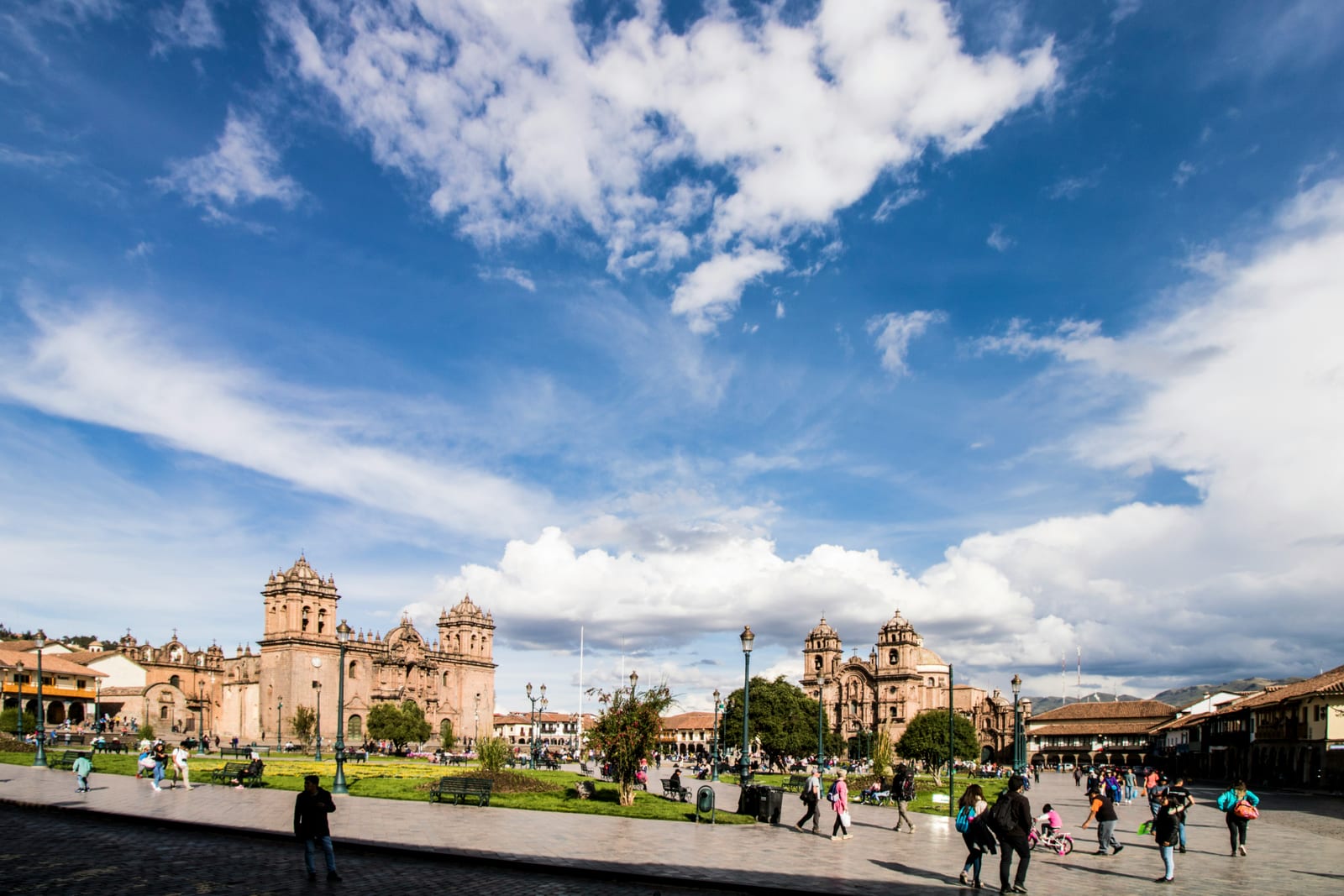
In the Peruvian highlands, Dias de Difuntos (the Days of the Dead) on 1 and 2 November is one of the most visually striking local events of the calendar year. In Cusco and the surrounding Sacred Valley, the celebrations are deeply rooted in pre-Columbian Andean traditions that were partially merged with the Catholic feast days of All Saints (1 November) and All Souls (2 November) during the colonial period. For travellers in Peru in late October and early November, the ceremonies are a genuine cultural experience that most visitors to the region do not know about.
What Happens
The focus of Dias de Difuntos in the Cusco region is the cemetery. On the evening of 31 October and throughout 1 and 2 November, families travel to their local cemeteries and spend hours — sometimes all day and into the night — with the graves of their relatives. The atmosphere is not sombre in the way a Northern European funeral might be. Music is common, especially at larger cemeteries. Food is prepared and shared. Offerings of chicha (a fermented maize drink), coca leaves, bread shaped like human figures (t’antawawa), and flowers are placed at the graves. The flowers are predominantly white and yellow marigolds, which create vivid colour across the cemetery terraces.
Andean belief holds that the souls of the dead return to their families on these days and must be welcomed and fed. The ceremony is simultaneously a Catholic memorial and an Andean act of reciprocity with the dead. The two traditions have coexisted here for several centuries.
Best Places to Visit in the Cusco Region
Pisac (Sacred Valley) The cemetery in Pisac is widely regarded as one of the most photogenic and accessible for visitors from outside the community. It sits on a hillside overlooking the town, and the terraced graves covered with offerings and flowers on 1 November make it visually extraordinary. Pisac is approximately 35 km from Cusco city, reachable by shared minibus (colectivo) from the Tupac Amaru bus terminal in roughly 45 to 60 minutes.
Chinchero The Chinchero cemetery, set in a high-altitude town at approximately 3,762 metres above sea level, is quieter than Pisac but equally moving. The town is also known for its Andean weaving traditions. The cemetery is about 30 km from Cusco on the road toward Urubamba.
San Blas and San Cristobal (Cusco city) Within Cusco itself, the neighbourhood cemeteries of San Blas and San Cristobal hold ceremonies on 1 and 2 November. These are within easy walking distance of the Plaza de Armas and provide an accessible in-city option for travellers not planning a day trip to the Sacred Valley.
Andahuaylillas The town of Andahuaylillas, southeast of Cusco on the route toward Puno, is less frequently visited by international travellers and has a particularly well-preserved Dias de Difuntos tradition. The journey takes about one hour by shared transport.
Practical Notes for Visitors
Dress and behaviour These are family ceremonies and attendance by outsiders is generally tolerated but should be treated with respect. Dress modestly. Do not photograph people at close range without implicit permission — a nod or eye contact before raising a camera is the appropriate minimum. Wide-angle or long-lens photography of the cemetery as a whole is generally not objected to.
Food markets Around the cemetery perimeters and in nearby markets, vendors sell t’antawawa bread, mazamorra morada (a purple maize pudding), chicha, and prepared meals. These are worth trying. The markets are at their most active on the afternoon of 1 November.
Transport and timing If travelling to Pisac or other valley towns, aim to arrive by mid-morning on 1 November — ceremonies begin in the late morning and are at their fullest in the afternoon. Return transport to Cusco becomes congested in the late afternoon; if possible, travel back before 17:00 or after 19:00.
Accommodation Cusco accommodation during the first two weeks of November is significantly less expensive and easier to book than during the July-September peak season. The city is pleasant in November — mornings are clear and the wet season has not yet fully begun. Some rain is possible in the afternoons from late October onward, but it rarely affects full-day plans. Browse hotels in Cusco for options close to the Plaza de Armas and San Blas.
For travellers combining Dias de Difuntos with a visit to Machu Picchu, the Inca Trail and Machu Picchu remain fully open throughout October and November. Our Inca Trail guide covers permit booking and logistics for the shoulder-season window before the trail closes for maintenance in February.