A state of emergency has been in effect for Lima and the adjacent port district of Callao since June 2026, and the Peruvian government has extended it into July. Armed forces remain deployed alongside police to address rising crime and public order concerns. The measure does not constitute a curfew or restrict movement for tourists in established visitor areas.
What the Declaration Means on the Ground
A state of emergency in Peru allows the military to operate alongside police, introduces enhanced security checks at certain transit points, and gives authorities expanded powers to detain and disperse. It does not mean Lima is closed to visitors or that tourist areas are cordoned off.
Practically speaking, travellers may encounter:
- Military and police checkpoints on major arterial roads, particularly around Callao and parts of central Lima
- Reduced operating hours at some businesses in central Lima districts such as La Victoria, El Agustino, and San Juan de Lurigancho - areas that carry existing safety caveats for visitors under normal circumstances
- Increased police presence at transport hubs including Jorge Chávez International Airport
Jorge Chávez International Airport (LIM)
The airport itself is operating normally. Arrivals and departures are unaffected. However, the road between the airport (located in Callao) and the Miraflores/San Isidro hotel district passes through areas with elevated security activity. Taking a pre-booked transfer rather than a street taxi is advisable until the situation normalises. Our Lima airport transfer guide covers the reliable options.
Travellers transiting Lima on their way to Cusco or other Peruvian destinations should proceed as normal but should be aware of increased checkpoints and a heightened military presence near the airport district and in central Lima.
Tourist Districts: Current Situation
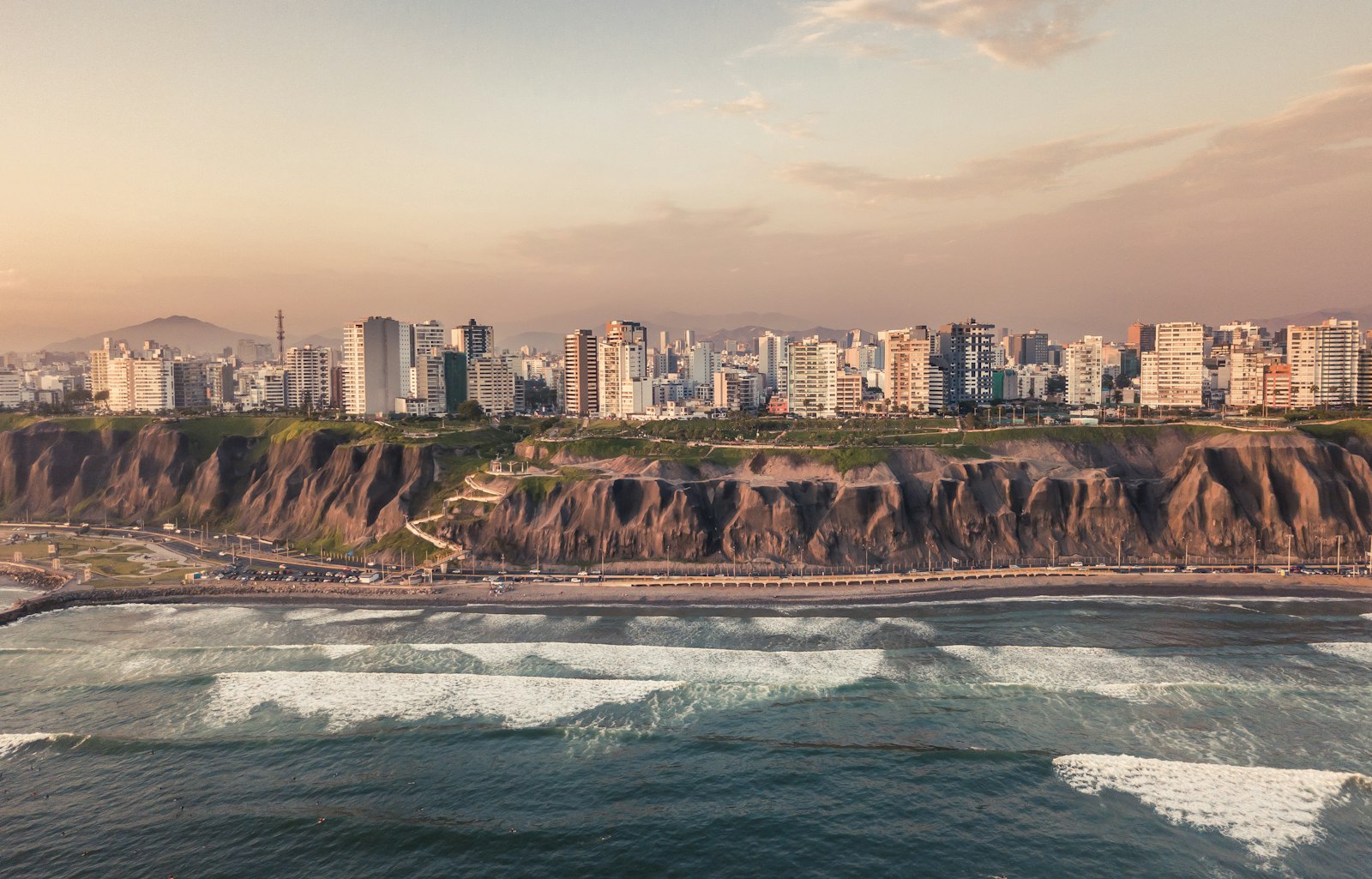
The primary visitor districts - Miraflores, San Isidro, Barranco, and Surco - are all south of central Lima and away from the heaviest protest activity. These areas have remained largely unaffected by the unrest and are operating normally. Hotels in these districts are open, restaurants are serving, and the Malecón seafront walk is accessible.
The historic centre (Centro Histórico / Plaza Mayor) has seen some protest march activity. Visiting is possible, but travellers should avoid large gatherings and check current conditions with their hotel before heading in.
Travel Advisories - July 2026
Canada’s official travel advisory was refreshed on 13 July, recommending exercising a high degree of caution throughout Peru, with specific mention of Lima and Callao. It notes that criminal activity, including express kidnappings and opportunistic robbery, remains elevated.
Australia’s Smartraveller updated its Peru page on 14 July, similarly reiterating advice to exercise a high degree of caution. The British FCDO and US State Department are also updating their Peru pages in response to the declaration.
All governments recommend avoiding demonstrations or large gatherings and staying informed of local news developments. Check the relevant advisory for your nationality before travel and again on departure day.
Staying Safe
- Avoid street protests and any police or military operations in progress.
- Use licensed taxis or app-based services (InDriver, Uber) rather than hailing on the street.
- Keep valuables secured; use hotel safes.
- Carry identification at all times and comply calmly with any police or military instructions.
- Register with your country’s traveller notification service.
Past disruptions have included transport blockades affecting roads between Lima and Cusco. While no such disruptions are currently in force, travellers relying on ground transport should monitor local conditions. Flying between Lima and Cusco is the safest and most reliable option during periods of civil unrest; see our Lima to Cusco guide for current carrier options.
The major tourism-facing districts - Miraflores, Barranco, and San Isidro - have their own municipal security patrols and are considered low-risk for visitors staying within their boundaries. We also recommend ensuring your travel insurance covers disruptions linked to civil emergencies. Our is Peru safe guide provides current, destination-specific risk breakdowns across the country.