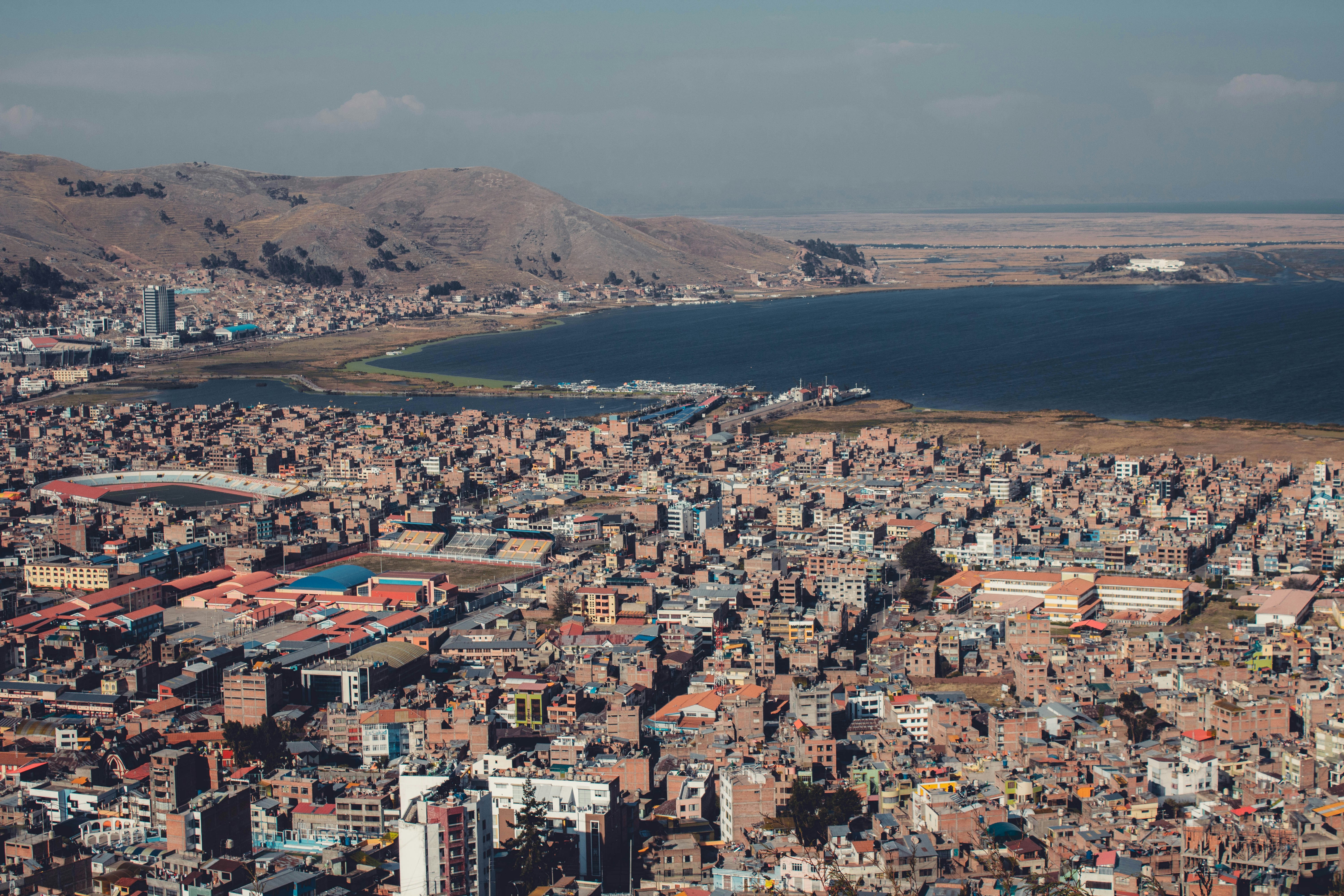
Puno and Cusco are both in the southern Andes and most visitors to Peru do both on the same circuit. But the two cities are very different in character, altitude, and what they offer. Puno is a working altiplano city on the shores of Lake Titicaca at 3,830 m - sparse, functional, and cold. Cusco is the Inca heartland at 3,400 m with hundreds of years of colonial architecture, a thriving tourist economy, and the gateway to Machu Picchu.
This comparison is useful if you’re deciding where to base for longer, or trying to figure out the right order for your southern Peru itinerary.
Overview
Puno is Peru’s altiplano city - high, cold, and flat. It’s not a destination in its own right so much as the gateway to Lake Titicaca, which straddles the border with Bolivia. The lake itself is extraordinary: at 3,812 m above sea level, it’s the world’s highest navigable lake, and the Uros floating islands and Taquile Island are genuinely unlike anything else in South America. Puno the city is functional and honest - no glossy tourist centre, but decent budget accommodation and transport connections.
Cusco is a fuller destination. The historic centre is a UNESCO World Heritage Site with Inca masonry underlying Spanish colonial buildings, a walkable core of museums and markets, and the entire Sacred Valley accessible as a day trip. The altitude (3,400 m) is slightly lower than Puno, which helps for acclimatisation. Most visitors stay 3–5 nights because there’s that much to do.
Getting There
Lima to Puno: No commercial flights currently serve Puno directly. Most travellers fly Lima to Cusco (1 hour 20 min, approximately USD 40–120), then take the bus to Puno via Juliaca (approximately 6–7 hours, fares from PEN 40–100 / USD 10–26). Cruz del Sur runs Lima to Puno directly by bus in approximately 22 hours (not recommended for most travellers).
Lima to Cusco: 1 hour 20 minutes by air. LATAM, Sky Airline, and JetSmart all fly the route, fares from approximately USD 40–120.
Cusco to Puno: By tourist bus (Inka Express or similar, with stops at Raqchi, La Raya pass, and Pukara ruins): approximately 10 hours, USD 25–45 per person. Direct public bus takes 5–6 hours, approximately PEN 25–50 (USD 6–13). Most travellers do the tourist bus at least one way for the sightseeing stops.
Things to Do
Puno’s attractions are almost entirely on and around the lake. The Uros floating islands (totora reed islands, inhabited by the Aymara-speaking Uros people) are a 30-minute boat ride from Puno port - tours run approximately USD 12–25 including transport. Taquile Island (3–4 hours from Puno) is a traditional Andean island community known for weaving textiles - tours from approximately USD 25–40. Amantaní Island offers homestay experiences overnight, approximately USD 35–55 including meals. Most Puno visitors also do a Bolivian side-trip to Copacabana and the Isla del Sol across the lake. Browse Puno and Lake Titicaca tours to compare island itineraries and overnight homestay options.
For lake tours, see our Puno things to do guide.
Cusco is layered with Inca and colonial history. Qorikancha (Inca Sun Temple, approximately PEN 40 / USD 10) is the single best site in the city. The Cusco Tourist Ticket (Boleto Turístico, approximately PEN 130 / USD 34) covers Sacsayhuamán, Tambomachay, Q’enqo, and 13 more sites. San Blas neighbourhood is worth an afternoon for artisan workshops and viewpoints. Day trips to the Sacred Valley (Pisac, Ollantaytambo) run approximately USD 20–40. The Machu Picchu train from Ollantaytambo (PeruRail or Inca Rail) costs approximately USD 54–100 one-way; entry to Machu Picchu adds approximately USD 45–55. See Cusco tours for guided Sacred Valley day trips and Machu Picchu packages.
See our Cusco things to do guide.
Food and Drink
Puno has a limited but functional food scene. Mojsa Restaurant on Lima street is one of the best-regarded options for regional and international food (approximately PEN 35–60 / USD 9–15 per person). Budget set lunches at local restaurants run PEN 8–14 (USD 2–4). The market on Jr. Oquendo has cheap ceviche and soups for PEN 8–12 (USD 2–3). Don’t expect culinary ambition here.
Cusco has significantly more to offer. Cicciolina on Triunfo (approximately PEN 60–100 / USD 15–26 per person) is a consistent upscale pick. The Central Market on Cascaparo does large lunch plates from PEN 8–15 (USD 2–4). Chicha (Acurio’s regional restaurant) does serious Andean cuisine for approximately PEN 60–90 per person (USD 15–23). See our Cusco food guide.
See also: Puno food guide.
Where to Stay
Puno is budget-friendly. GHL Hotel Lago Titicaca and Hotel Libertador Isla Esteves (on an island connected by causeway) are the upscale options at approximately USD 80–150/night. Mid-range hotels in the centre like Hotel Qalasaya run approximately USD 35–60/night. Hostel dorms start at approximately USD 7–12/night. See our Puno where to stay guide.
Cusco runs higher across all tiers. Hostel dorms from USD 10–15/night. Mid-range hotels near the centre (Rumi Punku, El Mercado Hotel) from approximately USD 55–120/night. Palacio del Inka by Luxury Collection from USD 180–280/night. See our Cusco where to stay guide.
Budget
Puno is one of the cheapest stops on the Peru circuit. A mid-range day (decent hotel, meals, a lake tour) runs approximately USD 35–55. Budget travel is achievable at USD 20–30/day.
Cusco mid-range costs run approximately USD 60–90/day, rising steeply if you add Machu Picchu (USD 100–200+ for the full day trip including train and entry). The Boleto Turístico and Sacred Valley day trips add further.
The Verdict
Choose Puno if: Lake Titicaca is non-negotiable for you. The Uros islands, Taquile, and Amantaní are extraordinary and don’t exist anywhere else in the world. Puno is a short stay (2–3 nights is enough) but an important one.
Choose Cusco if: Machu Picchu, the Sacred Valley, and the density of Inca history are your main draw. Cusco is the more complete destination - it rewards 4–5 nights far more than Puno.
The practical answer: do both, and connect them by the Inka Express tourist bus to see the altiplano stopping points (La Raya pass at 4,335 m, the ruins at Raqchi, the carved monolith at Pukara) along the way. Puno typically comes after Arequipa and before Cusco on the southern circuit - or after Cusco if you’re heading toward Bolivia.