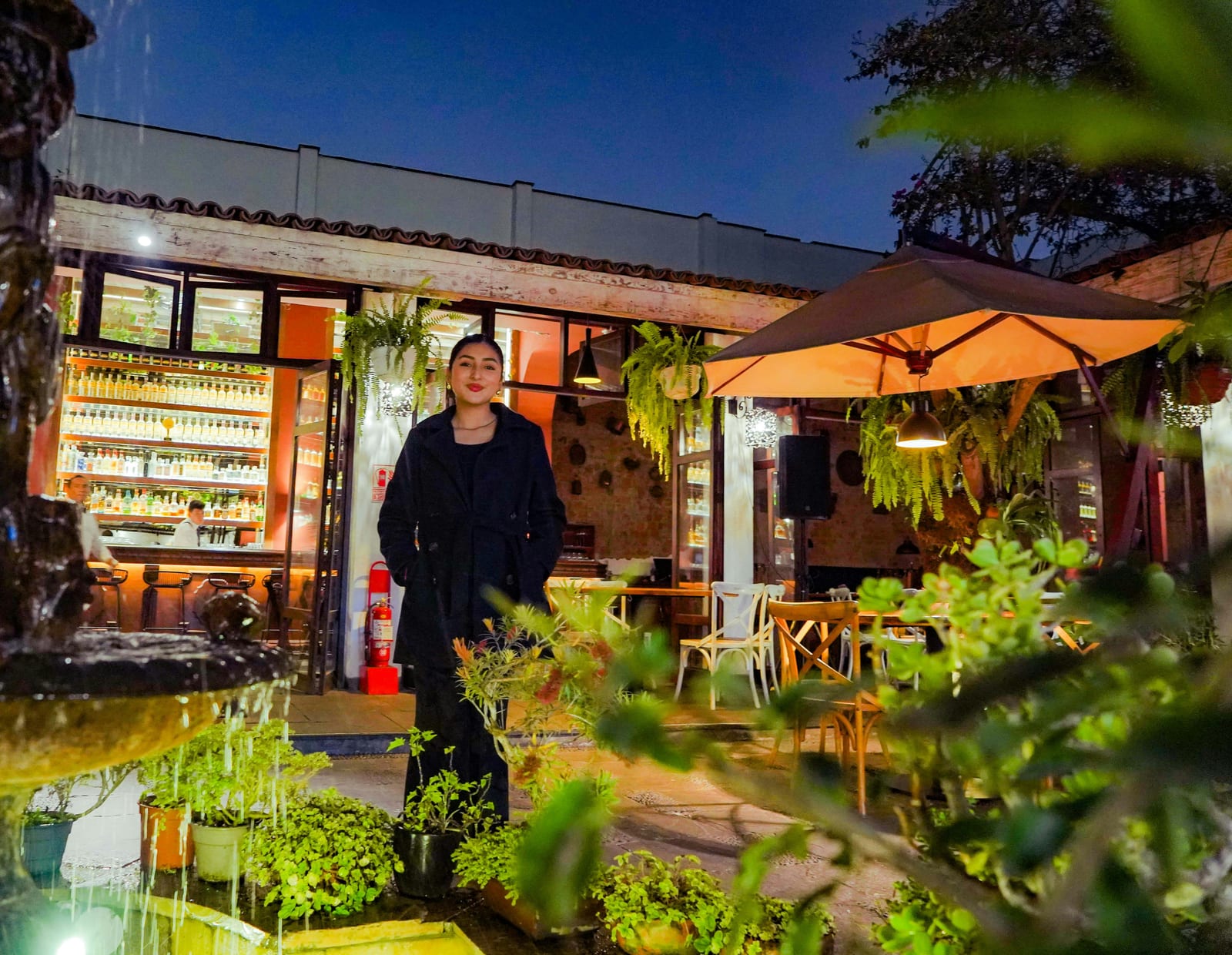
Barranco sits 3 km south of Miraflores along the Pacific clifftops, and the contrast between the two districts is immediate. Miraflores is polished, modern, and efficient. Barranco is faded, creative, and atmospheric - a neighbourhood of peeling Victorian mansions, colourful murals scaling entire building facades, and cobblestone lanes that open suddenly onto Pacific overlooks.
It’s the kind of place that rewards wandering without a plan.
What Makes Barranco Different
The neighbourhood developed as Lima’s wealthy summer resort area in the late 19th and early 20th centuries, when Lima’s elite built ornate Victorian and Art Nouveau mansions along the clifftops. The area declined economically over the decades that followed, which had an inadvertent benefit: gentrification came slowly, and the old mansions survived. Artists, musicians, and writers moved in during the 1970s and 80s, cementing the district’s creative identity.
Today Barranco occupies an interesting position - too expensive for the artists who first made it famous, but not as aggressively polished as Miraflores. Boutique hotels have opened in converted mansions, gallery spaces have multiplied, and the craft beer scene has taken over what were once either derelict buildings or cheap bars. The murals have stayed.
What to See and Do
Puente de los Suspiros (Bridge of Sighs)
The most photographed spot in Barranco is a wooden bridge crossing a small ravine (the Bajada de los Baños) that leads down to the beach. The bridge and its surroundings are a declared cultural monument - a cluster of colonial houses, bougainvillea, and the start of a path to the cliffs. Go early morning for the best photography, before tour groups arrive. The bridge itself is 10 minutes’ walk from Parque Municipal.
Parque Municipal de Barranco
The central square is more lived-in and informal than Parque Kennedy in Miraflores. On weekend evenings it fills with locals, street musicians, and food vendors. The neoclassical church (La Ermita) and the surrounding buildings are handsome without being spectacular. Useful as a navigation landmark and meeting point.
MATE (Museo Mario Testino)
MATE houses the archive and rotating exhibitions of Lima-born photographer Mario Testino, best known for his fashion and celebrity work. The museum occupies a beautifully restored Republican-era mansion on Avenida Pedro de Osma. Entry costs approximately S/30–40 (around USD 8–11). Open Tuesday–Sunday 10:00–18:00. Even if you’re not a Testino devotee, the building and curation are worth the entry.
MAC Lima (Museo de Arte Contemporáneo)
MAC Lima is the city’s main contemporary art museum, with a permanent collection strong on Peruvian and Latin American work and a rolling programme of international exhibitions. Entry from approximately S/20 (USD 5). The brutalist building is less appealing than MATE but the collection is more substantial for serious art interest. Open Tuesday–Sunday 10:00–18:00.
Gallery Circuit
Avenida Pedro de Osma and the surrounding streets are dense with independent galleries. Key spaces to look for:
Lucia de la Puente - One of Lima’s most significant contemporary galleries, representing established and emerging Peruvian artists. Entry free.
80m2 Livia Benavides - Smaller, more experimental programme. Free to enter.
Índigo Galería - Focused on photography and mixed media. Free.
Most galleries are open Tuesday–Saturday, 11:00–19:00. The circuit is completely walkable in an afternoon. For a guided introduction to Barranco’s art scene alongside food and pisco stops, Lima food and walking tours often include Barranco as part of a broader city circuit.
Street Art and Murals
Barranco has the densest concentration of public murals in Lima. The area around Calle Centenario, Calle Colina, and the streets between Parque Municipal and the cliffs is effectively an open-air gallery. The murals range from large commissioned pieces by established artists to political work and hyperrealist portraits. Worth an hour of aimless walking.
Bajada de los Baños and the Beach
The Bajada de los Baños is the narrow path running from the Puente de los Suspiros down to Playa Barranco. The beach at the bottom is small, dark-sanded, and cold - the Humboldt Current keeps Pacific Lima water around 15–18°C year-round. It’s not a beach destination, but the descent is pleasant and the views back up to the clifftop from the water’s edge are good.
Where to Drink in Barranco
Barranco’s bar scene is the best in Lima and arguably the best in Peru. The concentration of venues around Calle Génova, Calle Cajamarca, and the streets north of Parque Municipal makes for easy bar-hopping.
Barranco Beer Company - The brewery that started Lima’s craft beer movement. Located in a converted colonial building with an open inner courtyard. Around 20 beers on tap, rotating seasonal specials. A pint (litre glass) from approximately S/22–30 (USD 6–8). Open daily from midday, busiest Thursday–Saturday evenings.
El Pisquerito - A compact bar focused on Peruvian pisco cocktails in their many regional variations. The bartenders know their product. Not flashy, not expensive. Pisco sours from approximately S/18–25 (USD 5–7).
La Noche de Barranco - A longstanding live music venue with two stages. Jazz, salsa, and contemporary Peruvian acts. Cover charge for live nights varies from S/15–40 depending on the act. Worth checking what’s on - the quality varies but the better nights are genuinely good.
El Dragón - The alternative/rock option, with an indoor stage and a garden. More underground in atmosphere than La Noche, attracts a younger local crowd. Cover charge for gigs typically S/10–25.
Juanito - A legendary old-Lima bar that has been operating since 1937. No craft beer, no artisanal cocktails - just cold Cristal beer and small dishes of criolla snacks at the counter. Beloved and fiercely local. Beers from S/8 (around USD 2).
Where to Eat in Barranco
Isolina - The best traditional criolla restaurant in Barranco, serving Lima’s classic dishes - seco de res (braised beef), papa a la huancaína (potatoes in cheese sauce), and carapulcra (dried potato stew) - in generous portions at honest prices. Mains from approximately S/45–70 (USD 12–19). Lunch focus; booking recommended at weekends.
Canta Ranita - A reliable neighbourhood cevichería with a terrace on one of Barranco’s quieter streets. Good ceviche and tiradito, without the queue or price point of La Mar in Miraflores. Lunch only. Mains from approximately S/35–55 (USD 9–15).
Dédalo Arte y Artesanías - Part gallery, part café, part artisan shop in a lovely garden setting. Good for breakfast, light lunch, or afternoon coffee. The shop sells high-quality Peruvian crafts - textile, ceramics, and silver - at fair prices. Excellent coffee from approximately S/12–18 (USD 3–5).
Burrito Bar - For a break from Peruvian food, this small Mexican restaurant does well-made burritos and tacos at very reasonable prices. Popular with the local young crowd. Dishes from approximately S/25–35 (USD 7–9).
Where to Stay in Barranco
Hotel B - The best boutique hotel in Barranco and one of the most praised small hotels in Lima. Set in a converted 1914 Republican mansion with 17 rooms, Pacific views from the upper floors, and a sophisticated restaurant. Rates from approximately USD 200–350/night. Book well in advance.
Barranco’s Backpackers Inn - The budget option, in a converted house with a relaxed communal space. Dorms from approximately USD 12/night, private rooms from USD 35. Well-located for the bar district.
Segunda Muelle Guest House - Mid-range guesthouse, clean and well-run, in a quieter Barranco street. Private rooms from approximately USD 60–90/night.
Search hotels in Lima on Booking.com
Getting to Barranco
From Miraflores, the nicest approach is the clifftop walk south along the Malecón - approximately 40 minutes and entirely flat. The path continues as the Malecón de Barranco along Barranco’s own clifftop.
By taxi or Uber from Miraflores: 10–15 minutes, around S/10–15 (USD 3–4).
From central Lima (historic centre): 30–40 minutes by taxi/Uber, approximately S/20–30 (USD 5–8). The Metropolitano bus also reaches Barranco from the city centre (Estación Bulevar), but requires a prepaid card and involves a change.
Barranco vs Miraflores
The question most visitors ask is whether to base themselves in Barranco or Miraflores. The honest answer: both are good for different reasons.
Miraflores has more restaurants of every kind, better supermarkets, more transport options, and is slightly safer at night. Barranco has more character, the best nightlife, and the gallery circuit. If you’re staying 4+ nights in Lima, consider splitting your time between both, or basing in Miraflores and spending evenings in Barranco.
For those who care primarily about nightlife, the arts scene, or simply want a more interesting neighbourhood feel, Barranco is the better base. For families, older travellers, or those who want maximum convenience, Miraflores is the safer call.