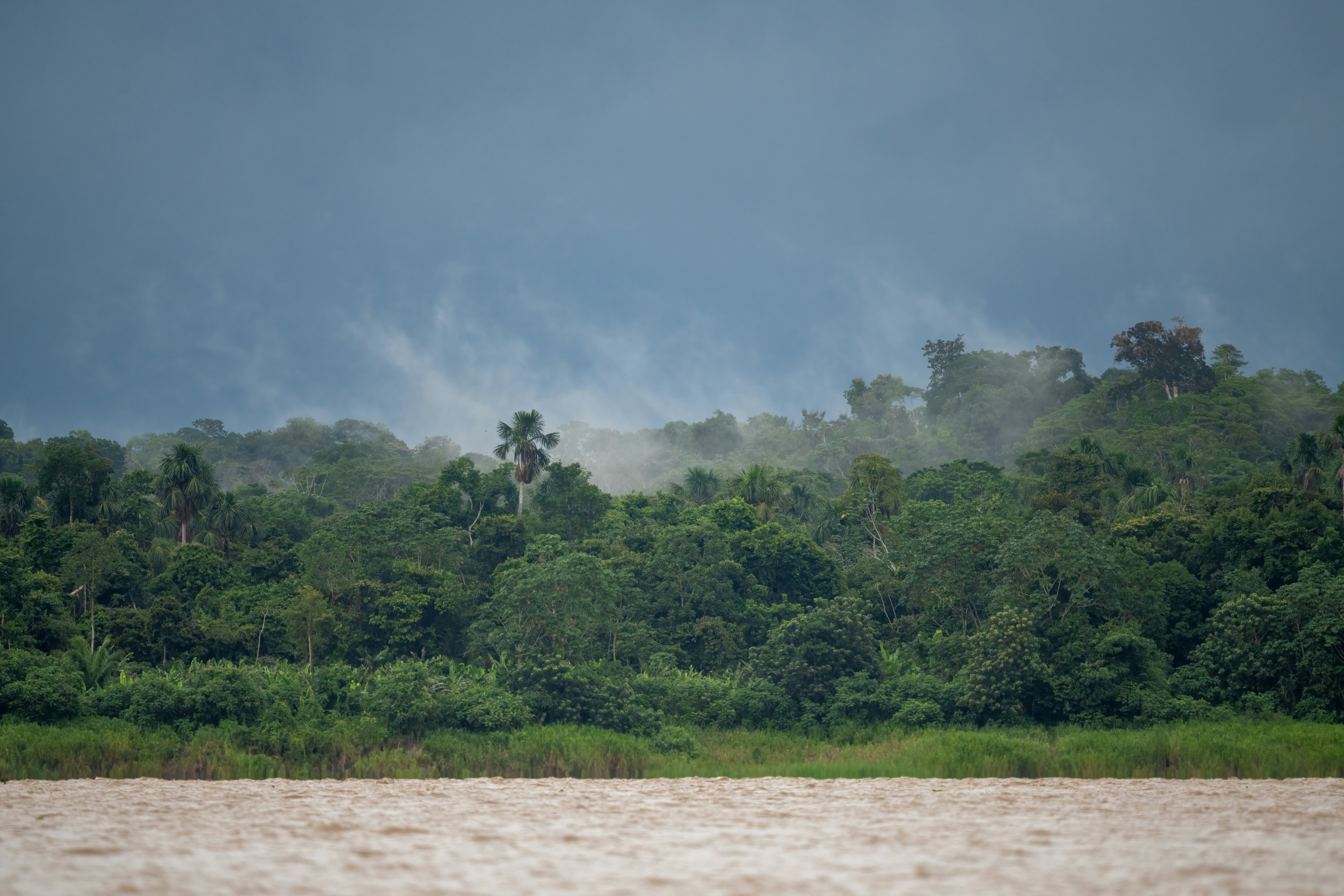
Iquitos sits at the edge of one of the most biodiverse stretches of the Amazon basin. The reserves accessible from the city range from a day-trip reserve protecting endemic bird species to one of the largest protected areas in South America. The right option depends on how much time you have and how deeply you want to penetrate the jungle.
Pacaya-Samiria National Reserve
At 2.08 million hectares, Pacaya-Samiria is the largest national park in Peru and the second largest protected tropical forest in South America. The reserve is named for its two main rivers and encompasses a landscape of flooded forests, oxbow lakes, and river corridors that shelter extraordinary wildlife density.
Access: The most common entry points are via Nauta (2 hours by fast boat from Iquitos), then the town of Lagunas further into the reserve. The reserve entrance requires a registered guide; independent access is not permitted. Entrance fees are approximately USD 20–USD 25 per person as of 2026, paid at the reserve entry point. This is separate from tour or lodge costs.
What to expect: Pink river dolphins are frequently seen in the river channels. Giant river otters - listed as vulnerable globally - inhabit the oxbow lakes inside the reserve. Other reliable wildlife includes caimans (day and night), red and green macaws, the prehistoric-looking hoatzin bird, and multiple primate species. Fishing for piranhas on the lake surface is a standard activity on guided tours.
Day trips vs multi-day: Day trips to the Pacaya-Samiria border run approximately USD 80–USD 120 per person as of 2026. For a genuine experience, a minimum 3-day expedition into the reserve is recommended - deeper areas have substantially higher wildlife density. Multi-day package prices start from approximately USD 200–USD 400 per person for 3 nights all-inclusive.
Operators: Amazonia Expeditions (based in Iquitos, well established) and Dawn on the Amazon Tours both run Pacaya-Samiria expeditions with good guide quality. Book at least several days in advance; during peak season (June–August) book weeks ahead. You can also compare available Iquitos Amazon tours to find guided day trips and multi-day expeditions online.
Allpahuayo-Mishana Reserve
Approximately 25km from Iquitos, Allpahuayo-Mishana is a smaller reserve (58,000 hectares) but extraordinary for birdwatching. The reserve grows on white sand soils - a rare habitat type called varillal - that supports a uniquely adapted bird community found nowhere else on Earth.
The reserve holds three endemic bird species found globally only here: Iquitos gnatcatcher, Ancient antwren, and Mishana tyrannulet. For serious birdwatchers, this is one of the most important sites in South America. Over 500 bird species have been recorded.
Access is easier and cheaper than Pacaya-Samiria. Mototaxis or taxis from Iquitos to the reserve entrance cost approximately S/25–S/40. Guided walks inside the reserve with an ornithologist run approximately S/60–S/120 per person as of 2026. Half-day and full-day options are available. The Instituto de Investigaciones de la Amazonía Peruana (IIAP) manages visitor access and can arrange specialist guides.
Pilpintuwasi Butterfly Farm and Animal Orphanage
A 30-minute boat crossing from Puerto de Bellavista (on the Amazon tributary near the Belén neighbourhood) takes you to the village of Padre Cocha, from which a short walk leads to Pilpintuwasi. The combination of butterfly breeding enclosures and rescued animal rehabilitation makes it a strong half-day option accessible without a full-day jungle expedition.
Getting there: Boats from Puerto de Bellavista (near the Belén market) cost approximately S/5 each way; the crossing takes approximately 20 minutes. Entry to Pilpintuwasi costs approximately S/35–S/40 as of 2026. Open Tuesday–Sunday, approximately 09:00–16:00.
The butterfly enclosures hold over 40 native species and visitors can walk through them. The animal section houses a varied population of rescued Amazonian species - giant river otters, tapirs, peccaries, and several monkey species including a woolly monkey who has become something of an institution at the farm. Allow 2–3 hours total including transit.
Monkey Island (Isla de los Monos)
The island community of Padre Cocha (close to Pilpintuwasi) and surrounding areas have a significant semi-wild monkey population, including squirrel monkeys and various tamarin species. Boats approach islands where troops of monkeys have become accustomed to visitors and will approach to accept fruit.
Organised boat excursions from Iquitos combining Pilpintuwasi with Monkey Island and/or the Belén market cost approximately S/100–S/150 per person as of 2026 including guide and boat. Half-day tour. More natural behaviour and context than zoo-style facilities.
Amazon Lodge Stays
For anyone with 2 or more nights to spend, a jungle lodge stay accessible from Iquitos transforms the experience:
Zacambu Lodge - Located approximately 2 hours from Iquitos on the Momon River, Zacambu offers a combination of wildlife walks, canoe excursions, and piranha fishing. From approximately USD 120–USD 180 per person per night all-inclusive as of 2026.
Amazon Yarapa River Lodge - An established lodge on the Yarapa River bordering Pacaya-Samiria, with screened bungalows and a good reputation for wildlife guide quality. From approximately USD 250 per person per night all-inclusive. Affiliated with Cornell University’s ornithology research programme.
Heliconia Amazon River Lodge - One of the higher-end options, approximately 80km from Iquitos on the Yarapa. Attractive bungalows over the river, boat tours morning and evening, and professional naturalist guides. From approximately USD 300 per person per night all-inclusive as of 2026.
Budget options exist: several basic eco-lodges accessible from Iquitos charge approximately USD 50–USD 80 per person per night. Quality varies; ask specifically about guide qualifications before booking.
Practical Notes
Transport: All day trips and lodge visits depart by boat from Puerto de Bellavista-Nanay, approximately 3km north of central Iquitos by mototaxi (approximately S/5–S/8). Confirm departure times with your operator the day before.
What to bring: Long sleeves and trousers for morning/evening boat trips even in heat - mosquitoes are significant at dawn and dusk. Waterproof bag for cameras and electronics. Rubber boots are supplied by most lodges for jungle walks.
Seasons: High water (December–May) allows canoe trips through flooded forest - a unique experience. Low water (June–November) exposes beaches and concentrates wildlife near water. Both are good; plan around what type of experience you prioritise.
For a full overview of Iquitos including accommodation and how to get there, see the Iquitos city guide. For restaurants and Amazonian food in the city, see our Iquitos restaurant guide. Search hotels in Iquitos on Booking.com
Iquitos: More Resources
- Iquitos Travel Guide - Flights, getting around, accommodation, and what to know before arriving.
- Things to Do in Iquitos - City activities including the Belén market, Malecón waterfront, and Pilpintuwasi.
- Iquitos Restaurant Guide - Where to eat before and after jungle excursions: paiche, tacacho, and Amazonian cocktails.
- Amazon Jungle Tours - Comparing lodge options across Peru’s Amazon regions.
- 2-Week Peru Itinerary - Where Iquitos slots into an extended Peru itinerary.
- First Time in Peru - Health prep and practical considerations for Amazon travel.