Peru has two major Amazon gateway cities - Iquitos in the north and Puerto Maldonado in the south - and they draw very different kinds of visitors. Iquitos is the world’s largest city with no road access, entirely surrounded by rainforest and reachable only by river or air. Puerto Maldonado is more connected, sits closer to Cusco, and is the jumping-off point for Manu National Park and the Tambopata reserve.
If Amazonian wildlife and jungle lodges are on your Peru itinerary, the choice between these two cities shapes everything.
Overview
Iquitos is the capital of the Loreto region in the far north of the Peruvian Amazon. With a population of around 500,000, it’s the largest city in the world inaccessible by road. The Amazon River, the Nanay River, and the Itaya River surround it. Getting here means flying (from Lima, 1 hour 50 minutes) or taking the slow boat from Yurimaguas (3–4 days). The city itself has a distinct character - iron buildings with Eiffel-designed structures from the rubber boom era, a lively waterfront market (Belén), and a rough, frontier-town energy. Jungle lodges extend from a few hours to several days downriver.
Puerto Maldonado is the capital of the Madre de Dios region in the southern Amazon, approximately 50 km from the Bolivian border. At 230 m elevation (much lower than Cusco), it’s hot, humid, and accessible - flights from Lima (1 hour 50 min) or from Cusco (30 minutes). The city is a smaller, more functional place than Iquitos but is the access point for two world-class reserves: Tambopata National Reserve and Manu National Park (though Manu requires additional travel time from Cusco). Most visitors spend minimal time in the city and head straight to a lodge on the Tambopata or Madre de Dios rivers.
Getting There
Iquitos from Lima: LATAM and Sky Airline fly Lima to Iquitos in approximately 1 hour 50 minutes. Fares run approximately USD 60–140 one-way. No overland option.
Puerto Maldonado from Lima: Approximately 1 hour 50 minutes by air (LATAM, Sky). From Cusco: approximately 30 minutes, frequently served, fares from approximately USD 50–100.
Between Iquitos and Puerto Maldonado: No direct connection. You’d return to Lima and connect. The two cities are not practical to combine unless you have two separate flights.
Wildlife and Jungle
This is the core decision point. Both offer Amazon wildlife - but different species profiles and different levels of remoteness.
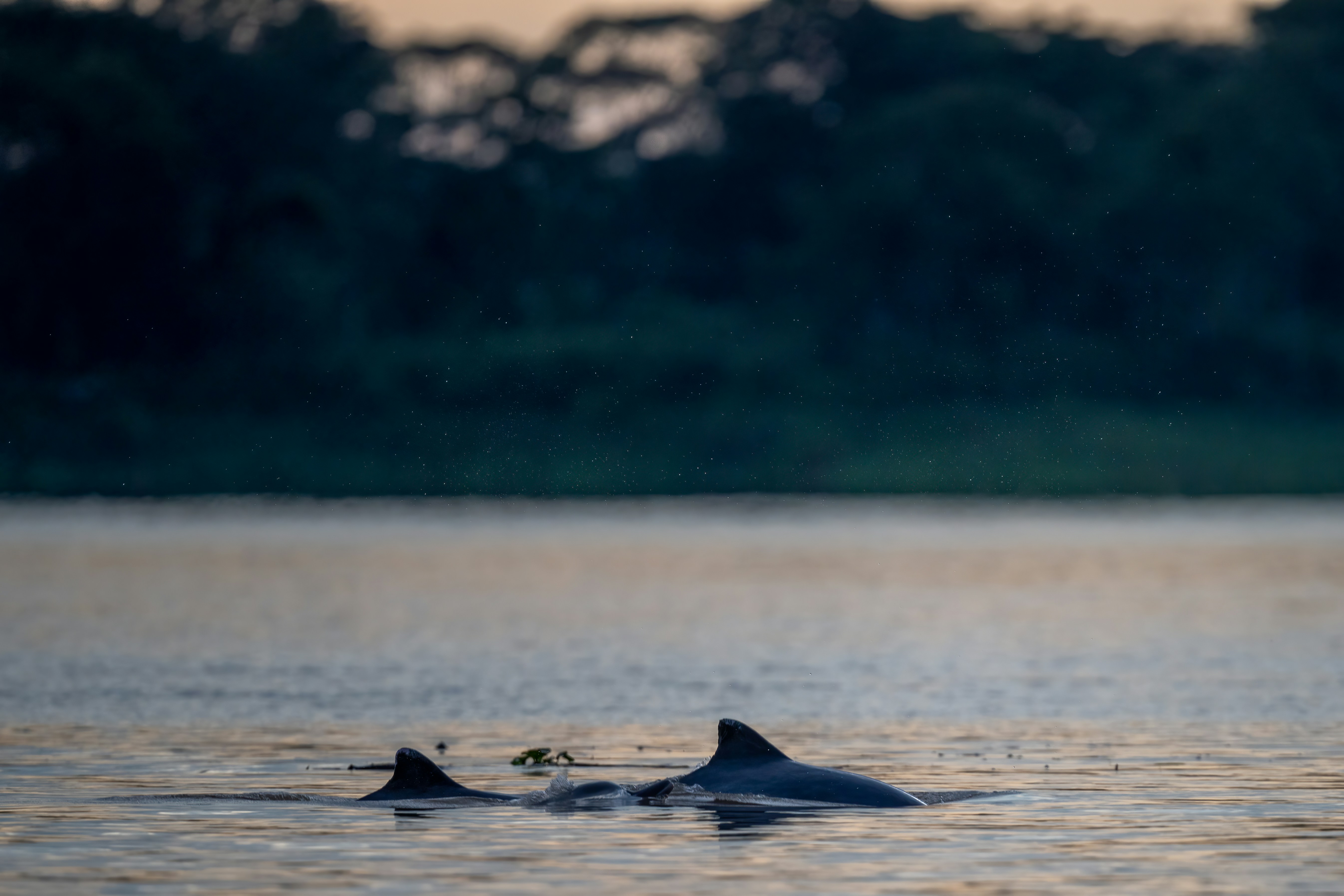
Iquitos accesses the northern lowland Amazon, which is flooded forest (várzea) for much of the year. Piranha fishing, river dolphin (pink and grey) sightings, caiman spotting at night, and macaw clay licks are highlights. Lodges range from budget to high-end: Heliconia Amazon River Lodge runs approximately USD 150–200/night full board; Pacaya-Samiria National Reserve (roughly 2 million hectares, one of the largest protected areas in Peru) is accessible from Iquitos and is excellent for wildlife at the right season. Day tours from Iquitos start at approximately USD 40–80 per person. Browse Iquitos tours for current day-trip and lodge packages.
See our Iquitos day trips guide for lodge options.
Puerto Maldonado accesses Tambopata National Reserve, one of the most biodiverse areas in the world by documented species count. Giant river otters, tapirs, black caiman, and over 600 bird species have been recorded in the reserve. Tambopata Research Center (the furthest lodge, approximately 4 hours from Puerto Maldonado by boat) gives the best wildlife access - approximately USD 200–300/night all-inclusive. Closer lodges like Inkaterra Hacienda Concepción or Posada Amazonas (Rainforest Expeditions) run approximately USD 120–200/night. Most packages are sold as all-inclusive 3–5 day programs.
Things to Do in Town
Iquitos has more urban texture for a day or two. The Belén market on the waterfront is an enormous riverside market selling jungle produce, river fish, and herbal medicines - extraordinary to walk through. The Museo Amazónico on Malecón Tarapacá displays Amazon cultures and natural history (approximately PEN 5 / USD 1.30). The Iron House (Casa de Fierro) is the most photogenic remnant of the rubber boom. The Bora, Yagua, and Huitoto communities near the city welcome visitors - most lodges include village visits in their programs.
Puerto Maldonado is less interesting as a city. The Puerto Maldonado market and waterfront are worth a quick look. Most time is better spent at the lodge.
See our Iquitos things to do guide for full in-city activities.
Food and Drink
Iquitos has the more interesting local food scene. Ceviche de paiche (giant Amazonian fish), juanes (rice parcels wrapped in jungle leaves), and tacacho con cecina (fried plantain with dried pork) are Iquitos specialties. El Muellecito on Malecón Maldonado is a reliable spot for river fish (approximately PEN 30–50 / USD 8–13 per person). Fitzia on Putumayo is popular for creative jungle-influenced food (approximately PEN 35–55 / USD 9–14 per person). Most lodges provide meals included in their rates.
Puerto Maldonado has fewer options but adequate ones. Gustos Restaurant near the Plaza is serviceable (approximately PEN 25–45 / USD 6–12 per person). Again, lodge packages include all meals so in-city dining is usually just one or two meals.
See our Iquitos restaurant guide for more detail.
Where to Stay
Iquitos city has a range of options. Casa Morey (historic boutique hotel in a restored rubber-era mansion) runs approximately USD 120–180/night. Victoria Regia Hotel is a mid-range reliable option at approximately USD 55–90/night. Budget guesthouses near the plaza start at approximately USD 15–30/night.
Puerto Maldonado city hotels are functional. Wasai Maldonado Lodge (near the city, gardens and pool) runs approximately USD 60–90/night. Most visitors overnight in the city only at the start or end of their trip.
Budget
Both destinations are structurally expensive if you’re doing a jungle lodge - that’s unavoidable. Lodge packages in both areas run approximately USD 100–300/night per person all-inclusive. The lodges are where the cost is; city accommodation and food in both cities is cheap.
Budget Amazon travel is possible from both cities - Iquitos has cheaper day tours (from USD 40), Puerto Maldonado has budget lodge options on the Tambopata closer to town.
The Verdict
Choose Iquitos if: you want the most remote, authentic Amazon experience - disconnected from the rest of Peru, surrounded by lowland rainforest, with the city itself having genuine character. Iquitos rewards 4–6 days and gives you the “lost city of the jungle” feeling that Puerto Maldonado doesn’t.
Choose Puerto Maldonado if: you’re combining Amazon with a Cusco trip (30-minute flight, easy to bolt on), you want world-class Tambopata wildlife with slightly more reliable infrastructure, or you have 3–4 days rather than a full week.
If you must choose one: Puerto Maldonado is the more practical Amazon add-on for travellers already in Cusco. Iquitos is the destination for those whose Amazon experience is the centrepiece of the trip.
🏨 Search hotels in Iquitos — Search hotels in Puerto Maldonado