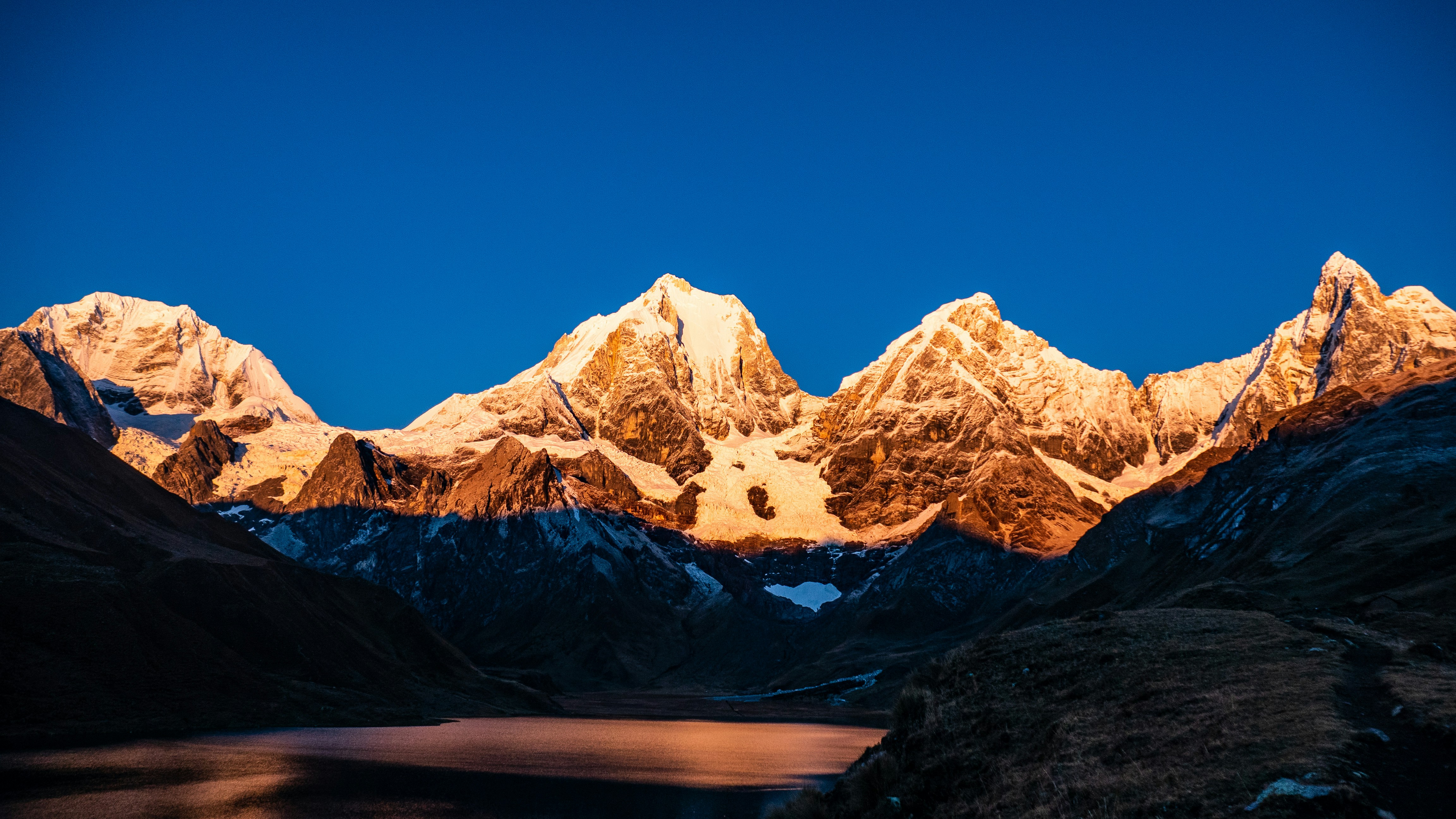
If trekking is the main reason you’re coming to Peru, you’ll eventually face a choice: Huaraz or Cusco? Both are world-class trekking destinations. But they deliver completely different experiences. Huaraz is a working Andean city deep in the Cordillera Blanca - raw, glaciated, high-altitude wilderness with some of the best multi-day treks in South America. Cusco is the Inca heartland, where culture and history wrap around the trekking, and Machu Picchu waits at the end of the trail.
For many serious trekkers, the answer is both. For those with limited time, here’s how to decide.
Overview
Huaraz sits at 3,052 m in the Callejón de Huaylas valley, flanked by the Cordillera Blanca to the east and the Cordillera Negra to the west. Nevado Huascarán (6,768 m), the highest peak in Peru, is visible on a clear day. The city itself is functional rather than charming - Huaraz was largely destroyed in the 1970 earthquake and rebuilt without the colonial heritage that defines Cusco. The infrastructure exists to serve trekkers and climbers. Acclimatisation hikes, gear rental shops, and agencies lining Luzuriaga Avenue are the city’s backbone.
Cusco at 3,400 m is both a cultural destination and a trekking hub. The historic centre is a UNESCO site with Inca walls and colonial churches; the surrounding region contains the Sacred Valley, multiple Inca sites, and trail networks that lead to Machu Picchu. Cusco has significantly more tourist infrastructure, better restaurants, and more options at all budget levels. It’s also more crowded and more expensive than Huaraz.
Getting There
Huaraz from Lima: 8–9 hours by bus (Movil Tours, Línea, Cruz del Sur). Fares range from approximately PEN 60–150 (USD 16–39) depending on bus class. Buses depart Lima in the evening and arrive in the morning. No commercial flights serve Huaraz currently.
Cusco from Lima: 1 hour 20 minutes by air (LATAM, Sky, JetSmart). Fares from approximately USD 40–120 one-way. The bus alternative (20+ hours via Nazca) is only practical if combining other stops.
Between Huaraz and Cusco: No direct route. Travellers typically return to Lima first, then fly to Cusco. Combined overland via Trujillo or Nazca is theoretically possible but takes 2–3 days.
Trekking
Huaraz is the base for the Cordillera Blanca - one of the highest tropical mountain ranges on earth. The Santa Cruz Trek (4 days, 3 nights, approximately 40 km) is the signature multi-day route: four glaciated passes above 4,700 m, turquoise lakes, and ice-capped peaks. Guides and arrieros (muleteers) hire from approximately USD 25–40/day. Full guided group tours run approximately USD 100–180 for the 4-day Santa Cruz. Llanganuco Lakes (Chinancocha and Orconcocha) are the easiest day hike from Huaraz - approximately PEN 10 (USD 2.60) park entry.
Huascarán National Park entry costs approximately PEN 65 (USD 17) for a 21-day pass - covers most Cordillera Blanca hikes. Acclimatisation before multi-day treks is critical; plan 2–3 days in Huaraz or nearby before attempting high passes.
See our Huaraz things to do guide for more trek options.
Cusco accesses a different trekking landscape - lower altitudes in some areas, more culturally loaded routes. The Classic Inca Trail (4 days, permit required, limits at 500 trekkers/day including guides and porters) costs approximately USD 500–700 for a full guided trip. Permits sell out months in advance, especially June–September. The Salkantay Trek (5 days, no permit required) runs approximately USD 250–400 guided and is increasingly popular as an Inca Trail alternative. The Lares Trek (3–4 days) includes hot springs and weaving communities for approximately USD 200–350 guided.
Day hikes around Cusco include Sacsayhuamán (included in the Boleto Turístico, approximately PEN 130 / USD 34) and Rainbow Mountain (Vinicunca) at approximately 5,200 m - approximately USD 15–30 for a day tour from Cusco.
See our Cusco things to do guide for complete options.
Food and Drink
Huaraz is a functional trekking town with a few good options among the basic restaurants on Luzuriaga and Morales. Cafe Andino on Jr. Lucar y Torre is the traveller institution - breakfast and cake, approximately PEN 25–40 (USD 6–10). Monte Rosa restaurant does solid Andean and international food at approximately PEN 35–60 per person (USD 9–15). Budget menus (set lunch) run PEN 8–14 (USD 2–4) at local restaurants.
Cusco has a dramatically better food scene. Cicciolina on Triunfo is the consistent high-end pick (approximately PEN 60–100 / USD 15–26 per person). Chicha does upscale Andean cuisine. The Central Market on Cascaparo is unbeatable for cheap local food - lunch menus from PEN 8–15 (USD 2–4). See our Cusco food guide.
Where to Stay
Huaraz accommodation is low-cost by international standards. Jo’s Place (popular hostel) offers dorms from approximately USD 8–12/night and private rooms from USD 20–35/night. Hotel Colombia has comfortable private rooms from approximately USD 35–55/night. Mid-range options in the centre run USD 40–70/night. See our Huaraz where to stay guide.
Cusco runs higher. Budget hostels start at approximately USD 10–15/night for dorms. Mid-range hotels near the Plaza de Armas (Rumi Punku, El Mercado) cost approximately USD 55–120/night. Palacio del Inka by Luxury Collection runs USD 180–280/night. See our Cusco where to stay guide.
Budget
Huaraz is significantly cheaper overall. A mid-range day (hostel, meals, day hike) runs approximately USD 30–55. Multi-day treks add approximately USD 25–45/day for a guide, or USD 100–180 for a full guided package.
Cusco mid-range daily costs run approximately USD 60–90. The Inca Trail or Salkantay guided package is a major fixed cost (USD 250–700 depending on trek and operator), typically paid upfront before arrival.
The Verdict
Choose Huaraz if: glaciers, serious high-altitude mountain trekking, and raw Andean wilderness are your priority. The Cordillera Blanca is one of the most spectacular mountain ranges in the world and Huaraz is the base you need to access it.
Choose Cusco if: Machu Picchu, Inca history, or a well-serviced trekking circuit (Inca Trail, Salkantay) with cultural depth is what you’re after. Cusco also gives you more to do on rest days and easier logistics for first-time Peru visitors.
For serious trekkers: ideally do both. Huaraz for the Cordillera Blanca circuit, Cusco for the Inca Trail or Salkantay. They’re in different regions but complementary in what they offer. Lima is the natural hub to connect both. Browse Huaraz and Cordillera Blanca tours or Cusco trekking tours to compare guided options before booking.