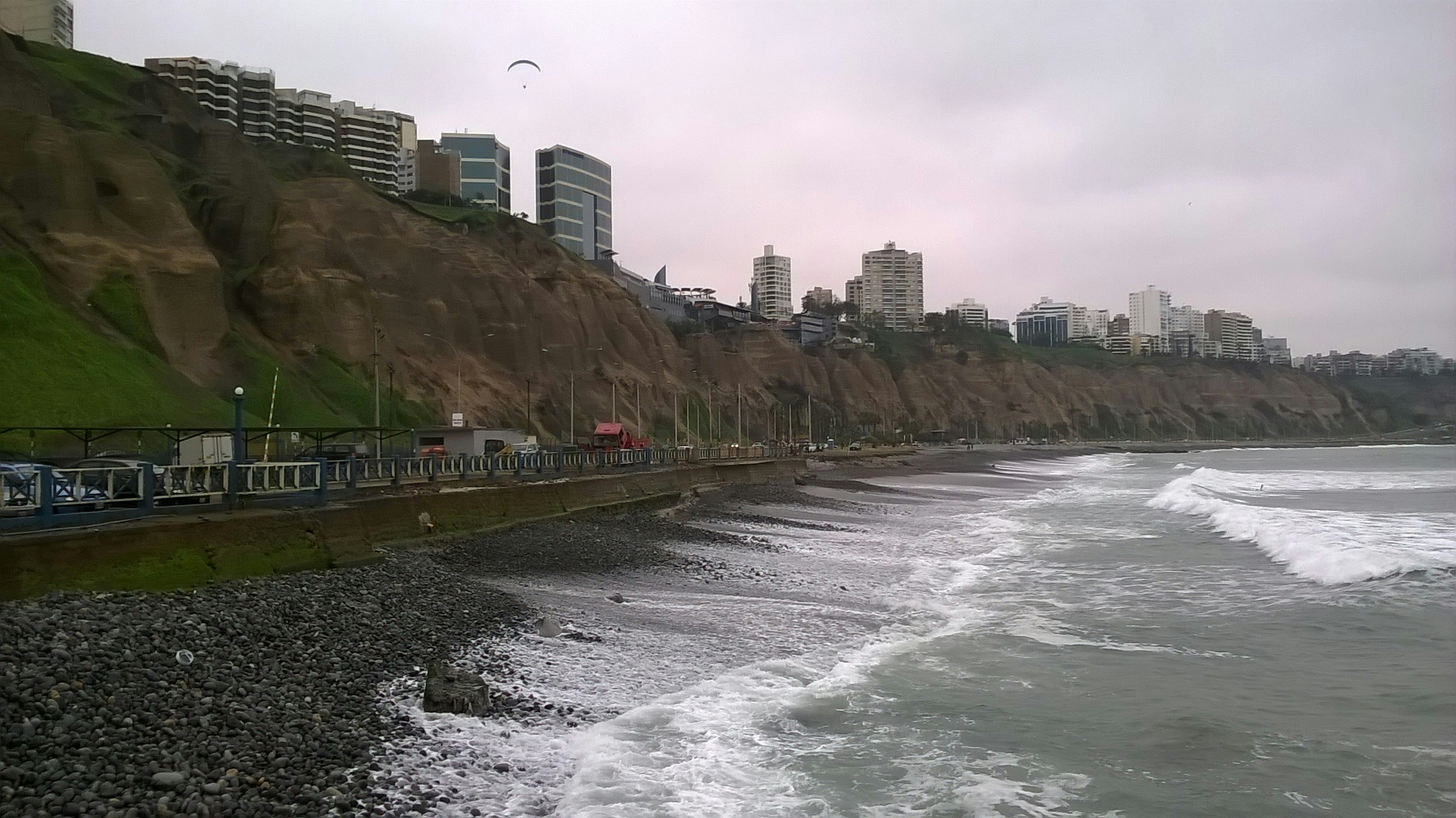
Canada’s government updated its Peru travel advisory on 29 July 2026, maintaining a call for “a high degree of caution” nationwide. The update specifically flags an active state of emergency in Lima and Callao, where armed forces have been deployed alongside regular police on the streets of both cities. Here is a clear summary of what is in effect and what it means for visitors.
The Lima and Callao State of Emergency
A security-focused state of emergency — separate from the El Niño weather emergency declared in July — is in place in Lima and Callao. The measure was introduced in response to elevated crime levels and gang activity in specific districts. Armed forces are conducting joint patrols with national police.
For the vast majority of visitors, the practical impact is limited. Lima’s main tourist districts — Miraflores, Barranco, and San Isidro — are not in the high-risk areas. However, the emergency does mean:
- Elevated visible security presence near Callao, including around Jorge Chávez International Airport
- Some disruption to transport in northern Lima districts at irregular intervals
- Slightly longer wait times at airport security and exit checkpoints
Which Areas to Treat with Extra Caution
The advisories from Canada, the US State Department, and the UK Foreign Office all single out the same districts: parts of central Lima outside the historic core, areas around Callao port, and northern Lima neighbourhoods. Miraflores and Barranco, where most international visitors stay, are assessed as comparatively safer.
The practical guide to Lima has up-to-date neighbourhood safety information, including transport options from the airport that avoid higher-risk areas.
Cusco and Machu Picchu
The Lima/Callao emergency does not affect Cusco or the Sacred Valley. Cusco is operating normally. Machu Picchu requires pre-booked timed entry tickets — circuits are numbered 1 through 10B, with the Inca Trail completing via Circuit 3B. Daily capacity is 5,600 visitors. Book tickets through the official Peruvian Ministry of Culture platform.
Practical Steps
- Get travel insurance for Peru that covers the Lima/Callao security situation
- Register your trip with your home government’s travel registry if your country offers one
- Use authorised taxis or app-based rides (InDriver, Uber) rather than informal cabs, particularly at night in Lima
- Keep copies of key documents separately from originals
- Check current advisories at travel.state.gov (US), smartraveller.gov.au (Australia), or gov.uk/foreign-travel-advice/peru (UK) before departure
For broader planning, things to do in Peru has a full breakdown of the country’s main regions and experiences.